

Dog Fruit Safety Checker
Popular Queries:
You’re sitting on the sofa, peeling a banana or slicing an apple, and your dog is staring at you with those big, hopeful eyes. It’s tempting to toss them a piece. After all, fruit is healthy, right? But here’s the twist: not all fruit is created equal when it comes to canine biology. Some common kitchen staples are perfectly fine snacks, while others can shut down a dog’s kidneys in hours.
The confusion usually stems from the fact that many fruits we love are harmless to us but contain compounds our pets simply cannot process. This isn’t just about avoiding tummy upsets; it’s about preventing life-threatening emergencies. If you’ve ever wondered what fruit can't dogs eat, you need to know which ones are absolute no-gos, which are risky, and how to feed the safe ones without causing a mess or a medical bill.
The Absolute No-Gos: Fruits That Are Toxic
Let’s start with the heavy hitters. These aren’t just "maybe avoid" items. These are fruits that have caused serious illness and death in dogs, often requiring emergency veterinary intervention. If you see these in your bowl, keep them away from your pup.
Grapes and Raisins are arguably the most dangerous fruits for dogs. Unlike chocolate, where toxicity depends on weight and type, grape toxicity is somewhat unpredictable. There is no known safe dose. Some dogs can eat a handful of raisins and be fine, while another might develop acute kidney failure after eating just one or two. The exact toxin in grapes that affects dogs is still being studied, but the result is clear: renal damage. Symptoms include vomiting, lethargy, and decreased urination within 24 hours. If your dog grabs a grape off the floor, call your vet immediately.
Next up is the Ambarella (also known as June plum or Otaheite apple), though this is less common in Europe. More relevant for most owners is the pit issue found in stone fruits. While the flesh of Peaches, Plums, and Cherries is generally safe, their pits, seeds, and leaves contain cyanogenic glycosides. When chewed or crushed, these release hydrogen cyanide. You don’t need to panic if your dog swallows a whole cherry pit-they’ll likely pass it-but if they chew multiple pits, cyanide poisoning becomes a real risk. Signs include bright red gums, difficulty breathing, and shock.
| Fruit | Toxic Part | Main Risk | Safety Level |
|---|---|---|---|
| Grapes/Raisins | Whole fruit | Kidney Failure | Highly Toxic |
| Avocado | Pit, skin, leaves | Persin Toxicity | Moderate to High |
| Cherries/Peaches | Pits/Seeds | Cyanide Poisoning | Low (Flesh) / High (Pits) |
| Lemons/Limes | Peel, Pith | Digestive Upset | Low (Small amounts) |
The Grey Area: Avocados and Persin
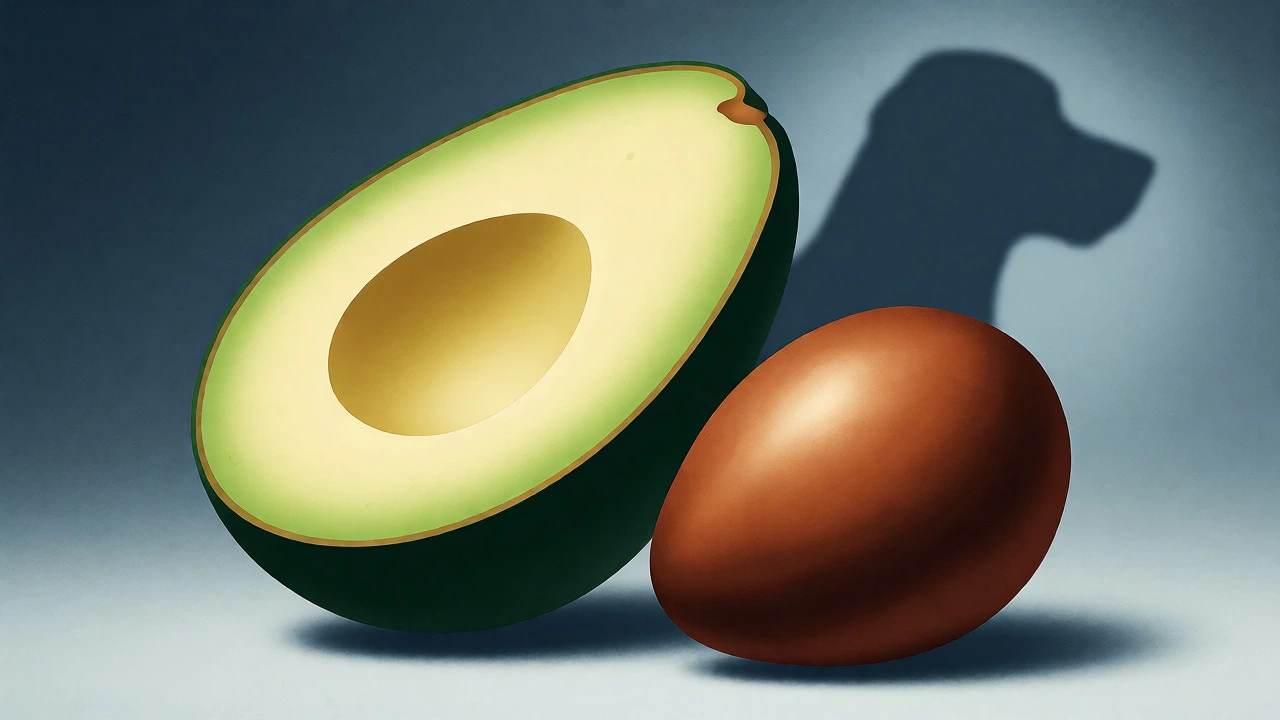
Avocados are tricky. Humans love them, and some dogs seem unbothered by them. However, avocados contain Persin, a fungicidal toxin present in the plant. For humans, persin is mostly harmless. For birds and rodents, it’s deadly. For dogs? It’s complicated.
Most dogs can handle small amounts of avocado flesh without issue. The bigger danger is the large pit, which can cause intestinal blockages because it doesn’t digest. Additionally, many guacamole recipes mix avocado with onions and garlic, both of which are highly toxic to dogs. So, while plain avocado flesh isn’t strictly "toxic" in the same way grapes are, it’s not a recommended treat. If you must share, stick to a tiny cube of pure flesh, no salt, no onion, no pit.
Citrus Fruits: Sour Power
Oranges, lemons, limes, and grapefruits fall into a different category. They aren’t poisonous in the sense that they will kill a dog instantly, but they are potent irritants. The essential oils and psoralens in citrus plants can cause gastrointestinal upset. If your dog eats a whole lemon, expect vomiting and diarrhea.
Small amounts of orange flesh are usually okay and can even be a refreshing summer treat. Just peel them first. The rind is tough, bitter, and hard to digest. Also, watch out for the sugar content. Oranges are high in natural sugars, so if your dog is diabetic or overweight, skip the citrus entirely. And never let them chew on the peel-it’s too much work for their digestive system and offers little reward.
Hidden Dangers: Xylitol in Processed Fruits
This is where things get sneaky. Fresh fruit is rarely processed, but dried fruit often is. Check the labels on anything labeled "sugar-free," "diet," or "low-calorie." Many manufacturers use Xylitol, a sugar alcohol derived from birch trees and corn cobs, as a sweetener.
Xylitol is incredibly dangerous for dogs. It causes a massive release of insulin, leading to hypoglycemia (low blood sugar) within minutes. In higher doses, it can cause liver failure. You won’t find xylitol in fresh apples, but you might find it in dried apple chips sold in health food stores, or in fruit spreads used in baking. Always read the ingredient list. If it says xylitol, sorbitol, or artificial sweeteners, keep it far away from your dog’s mouth.
Safe Fruits: What You CAN Feed
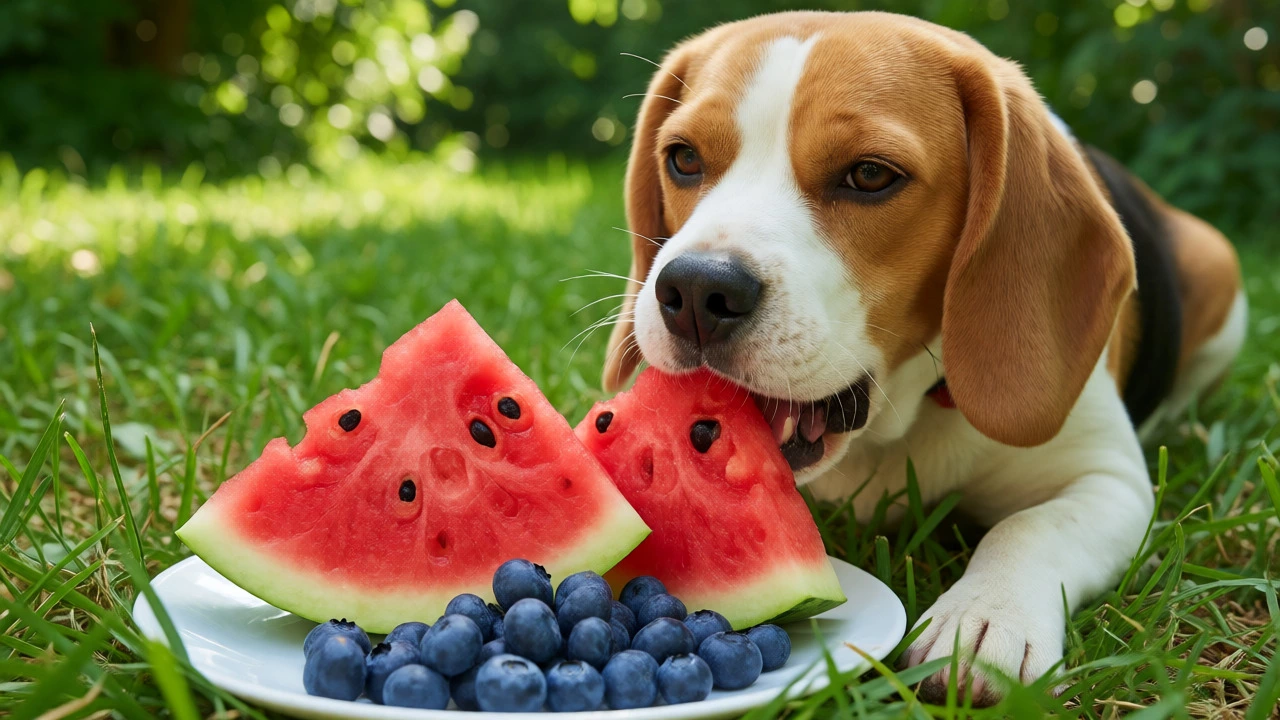
Now for the good news. There are plenty of fruits your dog can enjoy safely. These make excellent low-calorie training rewards or cooling summer snacks.
- Apples: Remove the core and seeds (which contain trace amounts of cyanide). Apples are great for dental health due to their crunchy texture.
- Bananas: High in potassium and vitamins, but also high in sugar. Use sparingly. Freeze slices for a nice treat.
- Blueberries: Packed with antioxidants. They are small enough that choking isn’t usually an issue, even for smaller breeds.
- Watermelon: Hydrating and loved by most dogs. Remove the seeds and the green rind, which can cause intestinal blockage or irritation.
- Strawberries: Contain an enzyme that helps whiten teeth. Cut them into bite-sized pieces.
Remember the 90/10 rule. Treats, including fruit, should only make up 10% of your dog’s daily caloric intake. If you’re feeding a lot of bananas, you might need to cut back on their regular kibble to prevent weight gain.
How to Introduce New Fruits Safely
Even safe fruits can cause problems if introduced too quickly. Every dog has a unique gut microbiome. Start with a tiny piece-think pea-sized for small dogs, thumbnail-sized for large dogs. Wait 24 hours. Look for signs of digestive distress like loose stools, gas, or vomiting. If everything looks normal, you can gradually increase the portion.
Preparation matters. Wash all fruit thoroughly to remove pesticides and wax coatings. Cut round fruits like grapes (if you were brave enough to try them, which we advise against) or blueberries in half to reduce choking hazards, especially for small breeds like Chihuahuas or Yorkies. Never feed canned fruit in syrup; the added sugar is unnecessary and unhealthy. Stick to fresh or frozen plain varieties.
Can dogs eat watermelon seeds?
It is best to avoid watermelon seeds. While swallowing a few black seeds is unlikely to cause harm, consuming large quantities can lead to intestinal blockage, particularly in smaller dogs. The white immature seeds are softer but still offer no nutritional benefit. Always remove the rind and seeds before serving watermelon to your dog.
Are dried fruits safe for dogs?
Generally, no. Dried fruits have concentrated sugars, which can lead to obesity and tooth decay. More importantly, dried grapes (raisins) are highly toxic. Always check labels for added preservatives like sulfites or sweeteners like xylitol, which are harmful to dogs. Fresh fruit is always the safer option.
What happens if my dog eats a grape?
You should contact your veterinarian immediately. Grape toxicity can cause acute kidney failure. Symptoms may not appear for several hours, but early intervention, such as inducing vomiting or administering activated charcoal, can significantly improve outcomes. Do not wait for symptoms to show.
Can dogs eat coconut?
Yes, dogs can eat coconut meat and drink coconut water in moderation. Coconut contains medium-chain triglycerides (MCTs) which can boost immunity and metabolism. However, it is high in fat, so excessive consumption can lead to stomach upset or pancreatitis. Avoid coconut oil in large quantities unless directed by a vet.
Is pineapple good for dogs?
Fresh pineapple is safe and contains bromelain, an enzyme that aids digestion. However, it is very acidic and high in sugar. Feed it in small, occasional portions. Canned pineapple is loaded with syrup and preservatives, so it should be avoided. Always remove the tough outer skin and core.