

Shock collars have been around for decades, but more and more dog owners are asking: is there a better way? The short answer is yes - and it doesn’t require pain, fear, or confusion. Modern dog training has moved far beyond electric shocks, and there are several proven, humane alternatives that build trust instead of breaking it.
Why Shock Collars Are Out of Date
Shock collars deliver an electric pulse to a dog’s neck when they bark, pull, or don’t obey. The idea was that pain would stop unwanted behavior. But here’s the problem: dogs don’t learn why they’re being shocked. They learn to fear the collar, the person holding it, or even the environment they’re in. A dog that stops barking because of a shock isn’t trained - they’re terrified. And fear doesn’t lead to long-term change. It leads to anxiety, aggression, or shutdown.A 2020 study from the University of Lincoln found that dogs trained with shock collars showed higher levels of stress hormones than those trained with positive methods. Even when the shocks were "low-level," the dogs still showed signs of distress. That’s not training. That’s trauma.
What Works Better Than a Shock Collar?
There are five humane alternatives that actually teach dogs what to do - not just punish them for what not to do. These methods work because they tap into how dogs naturally learn: through rewards, clear communication, and consistency.1. Clicker Training
Clicker training uses a small device that makes a sharp "click" sound. When your dog does something you like - sitting, coming when called, walking calmly - you click and give a treat. The click tells them, "Yes! That’s it!" It’s precise, instant, and totally pain-free.Studies show clicker-trained dogs learn faster and retain behaviors longer. A 2018 experiment at the University of California, Davis, found that dogs using clickers learned new commands in half the time compared to those using correction-based methods. It’s not magic. It’s science.
2. Positive Reinforcement with Treats
This is the foundation of modern dog training. Instead of punishing bad behavior, you reward good behavior. When your dog walks beside you without pulling, you give them a treat. When they sit instead of jumping, you praise them. Over time, they start choosing the behaviors that get them rewards.You don’t need fancy treats. Small pieces of chicken, cheese, or even their regular kibble work fine. The key is timing: reward within one second of the behavior. Too late, and they won’t connect the reward to the action.
3. Vibration Collars (Not Shock)
Vibration collars are often confused with shock collars, but they’re completely different. Instead of pain, they deliver a gentle buzz - like a phone on silent mode. This can be used to get your dog’s attention without scaring them.Many trainers use vibration collars for dogs with hearing loss or for distance training. For example, if your dog is off-leash in a safe area and doesn’t come when called, a soft vibration can redirect their focus. No shock. No fear. Just a nudge.
Important: Always pair vibration with a positive cue. Say "come," then vibrate, then reward when they turn around. Never use vibration as punishment.
4. Head Halters
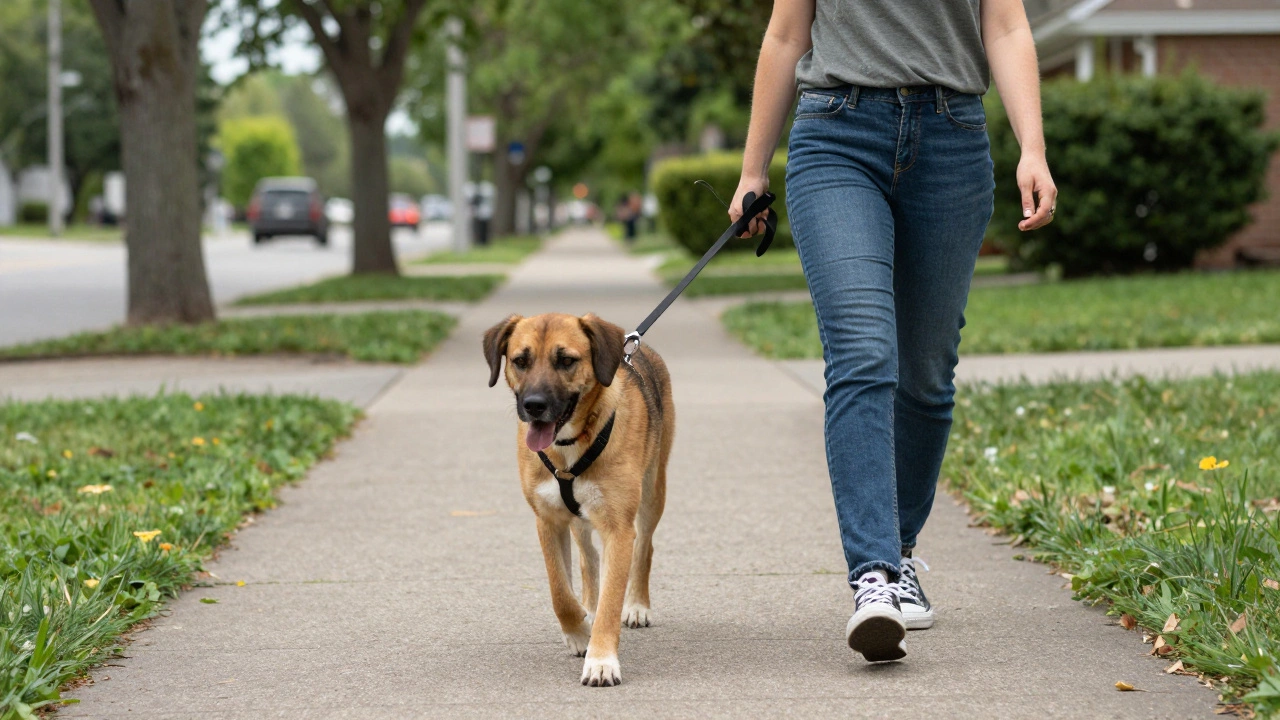
If your dog pulls hard on the leash, a head halter (like the Gentle Leader or Halti) is a game-changer. It fits over the dog’s muzzle and behind the ears, giving you gentle control over their head. When they pull, their nose turns slightly toward you - not because of pain, but because of physics.Unlike prong or choke collars, head halters don’t choke or pinch. They work like steering a bike: you guide direction, not force compliance. Many dogs who used to drag their owners down the street now walk calmly within days.
5. Training with a Professional
Sometimes, the problem isn’t the tool - it’s the technique. A certified professional dog trainer who uses force-free methods can help you understand why your dog behaves the way they do. Is your dog barking because they’re bored? Pulling because they’re overstimulated? Reacting because they’re scared?A good trainer doesn’t just teach commands. They teach you how to read your dog. And that’s the real secret: training isn’t about controlling your dog. It’s about understanding them.
What to Avoid
Not all "non-shock" tools are humane. Some are still based on discomfort or restraint.- Prong collars - pinch the dog’s neck with metal links. Can cause physical injury and emotional stress.
- Choke chains - tighten around the neck when pulled. Risk of trachea damage and fear-based reactions.
- Ultrasonic bark deterrents - high-pitched sounds that can be painful to dogs’ ears. Often cause confusion or anxiety.
These tools may stop behavior quickly - but they don’t build trust. And trust is what lasting change is built on.
Real Results: What Happens When You Switch?
Sarah from Portland switched from a shock collar to clicker training after her dog, Max, started trembling every time she reached for the remote. Within two weeks of using treats and a clicker, Max began sitting on his own before meals. After a month, he came running every time she called - no matter what he was doing."I didn’t realize how much fear I’d been teaching him," Sarah said. "Now he looks me in the eye when he hears my voice. That’s worth more than any silent walk."
How to Get Started
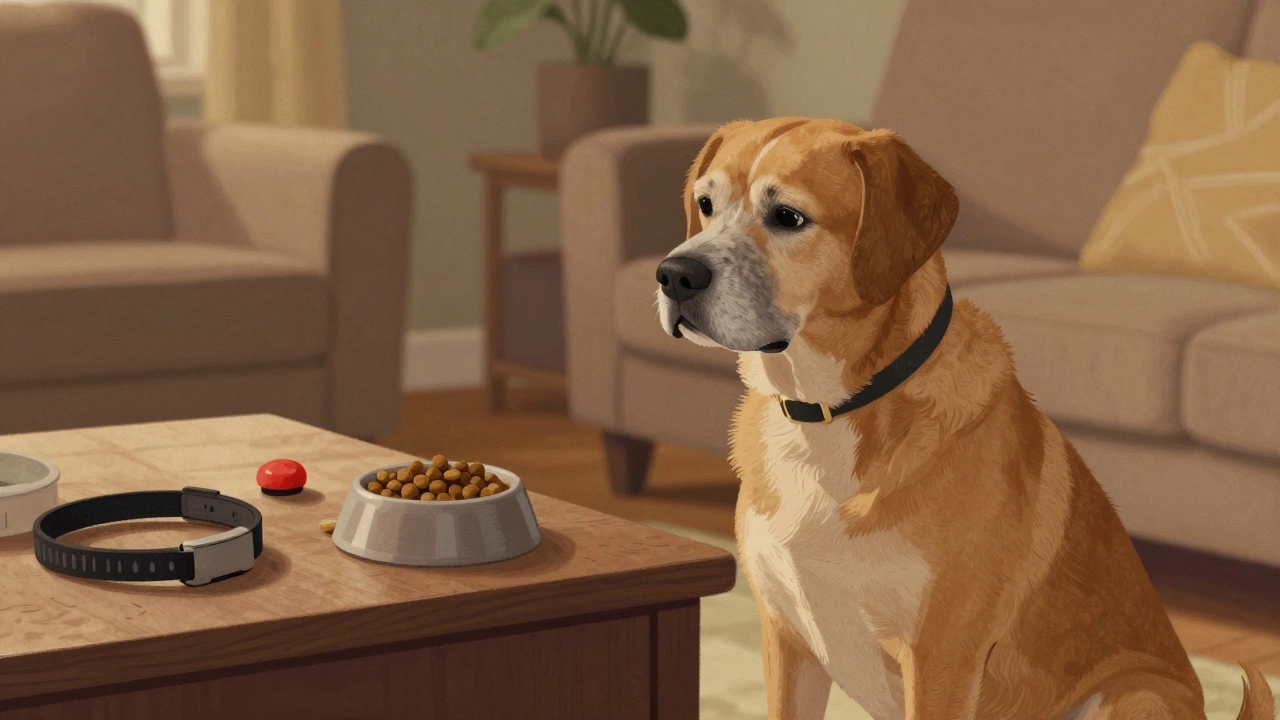
Switching from a shock collar to a humane method doesn’t require a complete overhaul. Start small:- Remove the shock collar. Replace it with a flat collar or harness.
- Keep treats handy. Use small, soft treats your dog loves.
- Practice one behavior at a time. Start with "sit" or "come."
- Use a clicker or a consistent word like "yes!" to mark good behavior.
- Watch your dog’s body language. If they tense up, you’re moving too fast.
It takes patience. But every dog can learn without fear.
Why This Matters Beyond the Walk
Training with kindness doesn’t just make walks easier. It changes your whole relationship. A dog who trusts you is more likely to listen in scary situations - like during thunderstorms, at the vet, or around other dogs. They’re less likely to run off, bite, or panic.And here’s the quiet truth: when you stop using pain to control your dog, you stop seeing them as a problem to fix. You start seeing them as a partner.
Are vibration collars really humane?
Yes - if used correctly. Vibration collars deliver a gentle buzz, not a shock. They’re most effective when paired with positive reinforcement. For example, you vibrate to get attention, then reward the dog when they turn toward you. Never use vibration as punishment. Dogs should associate the buzz with a reward, not fear.
Can I use a head halter for all dogs?
Most dogs adapt well, but not all. Brachycephalic breeds (like Bulldogs or Pugs) may have trouble breathing with a head halter. Always try one on at a pet store first. Let your dog wear it indoors for short periods. If they seem stressed, stop. There are other options, like front-clip harnesses, that work just as well.
How long does it take to train a dog without shock collars?
It varies. Simple behaviors like "sit" or "come" can be learned in days. Complex issues like leash reactivity or separation anxiety may take weeks or months. The key isn’t speed - it’s consistency. Training with rewards builds confidence, and confidence leads to lasting change. Don’t rush. Your dog will thank you.
Is clicker training only for puppies?
No. Clicker training works for dogs of any age. Older dogs often learn faster because they’re calmer and more focused. A 10-year-old dog who’s never been trained before can still learn new commands - and enjoy the process. The clicker doesn’t care about age. It cares about clear communication.
What if my dog doesn’t like treats?
Not all dogs are food-motivated. That’s okay. Try using play as a reward. Tug games, fetch, or even petting can work. Some dogs love praise, others love access to the outdoors. Figure out what your dog truly values, and use that. The goal isn’t treats - it’s connection.