

Have you ever caught your puppy digging furiously at the corner of the couch, then curling up in the little hollow they made-like they just built a secret nest? Or maybe they’ve been pushing blankets around their bed until it looks like a tiny burrow? That’s nooking. It’s not a typo. It’s not random. And it’s not a behavior you should try to stop.
What Exactly Is Nooking?
Nooking is when dogs dig, rearrange, or press down on soft surfaces-like blankets, pillows, or carpets-to create a snug, enclosed space before lying down. It’s often seen in puppies, but adult dogs do it too. You might hear it called "nesting," "bed-making," or "circling before lying down," but nooking is the most accurate term for the full behavior: the digging, the pushing, the tucking, and the final snuggle.This isn’t just about comfort. It’s deeply wired into their biology. Even though your puppy lives in a warm house with a plush bed, their instincts haven’t caught up. Their wild ancestors dug dens to protect themselves from predators and the elements. A tight, enclosed space made them feel safe. That same drive lives in your 8-week-old Labrador mix, even if they’re surrounded by plush toys and central heating.
Why Do Puppies Nook?
Nooking is a mix of instinct, comfort-seeking, and emotional regulation. Here’s what’s really going on:- Thermal regulation: By pressing down on bedding, puppies trap their body heat. In the wild, a shallow den kept them warm at night. Even in a cozy home, that instinct remains.
- Security: A tucked-in space feels safer than an open floor. It reduces exposure, which lowers stress. This is why you’ll often see nooking before nap time or after a busy day of play.
- Pre-sleep ritual: Like cats circling before lying down, nooking helps puppies settle their nerves. It’s a self-soothing behavior-think of it as their version of deep breathing.
- Marking territory: Dogs have scent glands in their paws. When they dig or press down, they’re leaving their smell behind, claiming the spot as theirs.
It’s not destructive. It’s not a problem. It’s normal. And if you’ve ever watched a puppy nook for 10 minutes before finally settling, you know it’s kind of adorable.
Is Nooking Different From Digging or Chewing?
Yes. And confusing them can lead to the wrong response.Digging usually means tearing up carpets, gardens, or floors. It’s often driven by boredom, anxiety, or the urge to bury something. Digging can be destructive and needs redirection.
Chewing is about teething, stress relief, or exploring texture. Puppies chew on shoes, furniture, or toys because their jaws are growing and they’re learning what’s safe to bite.
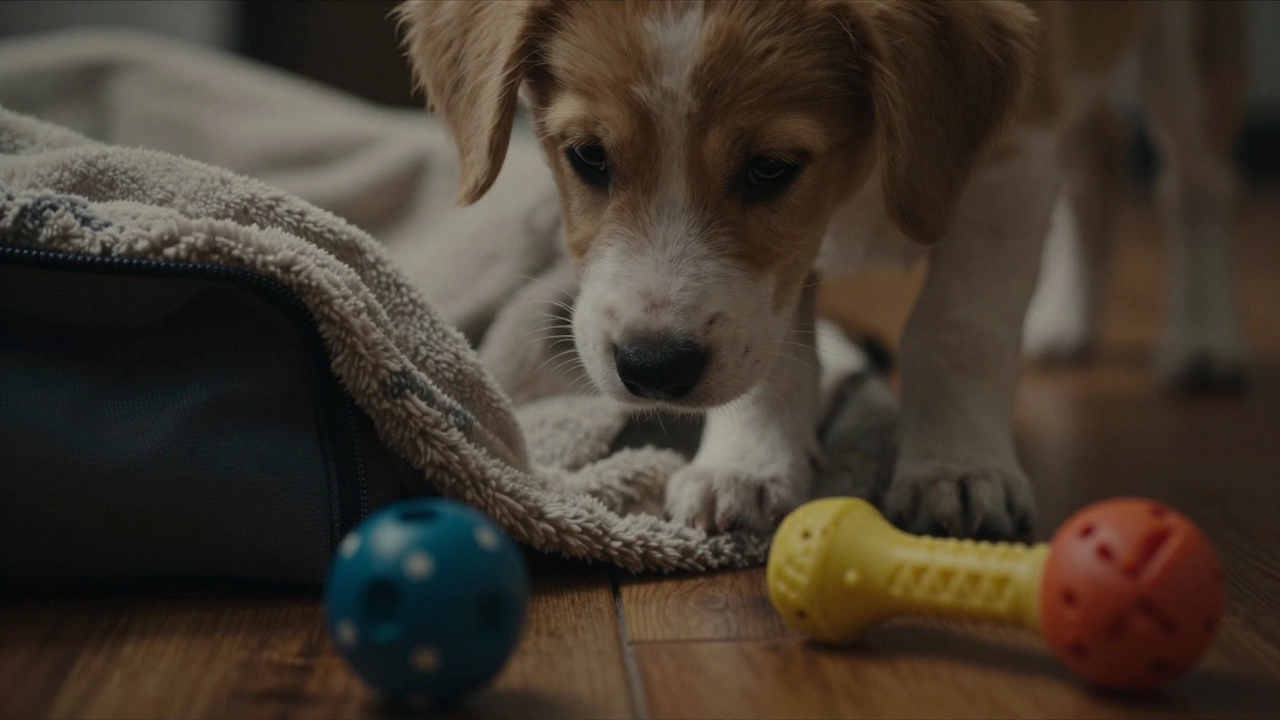
Nooking is about shaping a space, not destroying it. The goal isn’t to tear apart the blanket-it’s to mold it into a nest. You’ll see gentle pawing, not tearing. You’ll hear soft grunts, not growls. And after 5-10 minutes, they’ll just curl up and sleep.
If your puppy is shredding their bed or chewing through blankets while nooking, that’s a sign they need better chew toys-not that nooking itself is bad.
How to Support Healthy Nooking
You don’t need to stop nooking. You just need to make it safe and satisfying.- Give them a designated nook zone: A soft, washable bed with raised edges works best. Look for ones with removable, machine-washable covers. Brands like Kuranda or K&H Pet Products make beds designed for nesting behavior.
- Use safe materials: Avoid beds with loose stuffing, small buttons, or thin fabric that can be pulled apart. A fleece blanket tucked into a plastic storage bin (with air holes) can make a perfect DIY nook.
- Place it in a quiet spot: Nooking is about feeling secure. Put the bed away from high-traffic areas, loud appliances, or drafty windows.
- Rotate toys: If your puppy is nooking with toys instead of bedding, they might be bored. Rotate chew toys every few days to keep things interesting. Rubber chew bones, stuffed Kongs, or fleece braided ropes work well.
- Don’t punish or interrupt: If you’re trying to stop them from nooking, you’re fighting biology. Instead, reward them with calm praise when they settle in. A gentle "good sleepy" goes a long way.
When to Worry About Nooking
Most of the time, nooking is harmless. But there are red flags:- Excessive digging: If your puppy is tearing up carpets, scratching at doors, or digging holes in the yard constantly, it could signal anxiety or a medical issue like compulsive behavior.
- Changes in behavior: If they suddenly start nooking more than usual, especially with signs of restlessness, panting, or whining, it might be pain or illness. Older dogs with arthritis sometimes nook more because lying flat hurts.
- Self-injury: If they’re chewing their paws raw while nooking, or pulling out fur, it’s time to talk to a vet.
If your puppy is healthy, eating normally, and just loves to rearrange their bed before nap time-congratulations. You’ve got a normal, instinct-driven puppy. That’s a good thing.
What Toys Encourage Healthy Nooking?
Not all toys are made for nesting. Here’s what works:- Plush beds with bolsters: The raised edges give them something to press against. Look for ones filled with polyester fiber, not foam.
- Snuggle sacks: These are like sleeping bags for dogs-soft, enclosed, and perfect for curling up.
- Interactive chew toys: A Kong filled with frozen peanut butter or low-fat yogurt keeps them occupied and redirects chewing energy into something safe.
- Fleece tunnels: These let them burrow without destroying furniture. Many puppies love sliding through them before settling in.
- Weighted blankets (dog-safe): Some puppies respond well to the gentle pressure of a light, breathable weighted blanket. Always supervise the first few uses.
Avoid toys with small parts, squeakers that can be swallowed, or anything that can be easily shredded. If your puppy can rip it apart in 30 seconds, it’s not a nook toy-it’s a hazard.

How Long Does Nooking Last?
Most puppies outgrow the most intense nooking phase by 6-8 months. But many adults keep doing it lightly. You might notice your 3-year-old dog still tugging at their blanket before lying down. That’s normal. It’s their way of saying, "This is my spot. I’m safe here."Some breeds are more prone to it. Terriers, Dachshunds, and other digging breeds often nook more intensely. But even a Greyhound or a Poodle might tuck their paws under them and press their chin into the pillow. It’s not about breed-it’s about instinct.
What to Do If Your Dog Nooks on Your Bed
If your puppy nooks on your bed, don’t assume they’re being bossy. They’re probably just trying to copy you. Dogs love to sleep where their humans are. If you don’t mind, let them. If you do mind, gently guide them to their own bed before bedtime. Put a blanket with your scent on it in their bed to make it more appealing.Never yell, shove, or push them off. That creates fear, not obedience. Instead, build a routine: "Bedtime = your bed." Use treats and calm praise to reinforce it.
Final Thought: Nooking Is a Sign of Trust
When your puppy nooks in front of you, it means they feel safe enough to let their guard down. They’re not just making a nest-they’re choosing to rest in your presence. That’s a gift.Instead of seeing nooking as a nuisance, see it as a quiet moment of connection. Your puppy is doing exactly what their ancestors did to survive. And now, in your home, they’re doing it because they know they’re loved.
Is nooking the same as digging?
No. Nooking is a gentle, repetitive motion to shape a sleeping space-like fluffing a pillow. Digging is forceful, destructive, and often aimed at tearing up floors, carpets, or yards. Nooking is about comfort. Digging is about release or boredom.
Should I stop my puppy from nooking?
No. Nooking is a natural, healthy behavior that helps puppies feel secure. Trying to stop it can increase anxiety. Instead, give them a safe, soft place to do it-like a cozy bed with raised edges.
Why does my puppy nook only at night?
Nooking is often a pre-sleep ritual. It helps them calm down and prepare for rest. Just like humans might read or listen to music before bed, puppies nook to transition from active to sleepy mode.
Can nooking cause health problems?
Not on its own. But if your puppy is nooking so hard they’re injuring their paws, or if they’ve suddenly started doing it more than usual with signs of stress or pain, it could signal an underlying issue like arthritis, anxiety, or skin irritation. Talk to your vet if you notice changes.
What’s the best bed for a puppy who nooks?
Look for a bed with soft, washable fabric and raised sides-like a bolster bed or snuggle sack. Avoid foam cores that flatten too easily. A bed with a removable cover lets you wash it often, which is important since puppies sometimes drool or have accidents while sleeping.