
Dog Food Selection & Transition Planner
Answer a few questions to get a tailored recommendation for your dog's ideal food format and life-stage formula, then use the built-in transition tracker to switch safely.
—
—
Click through each day as you progress. If stools are soft, hold at the current ratio for an extra day or two before advancing.
| Days | Old Food | New Food | Status |
|---|
There is no single "#1" best dog food for every animal. If you ask a veterinarian, a breeder, or a fellow dog owner in Dublin, you will likely get three different answers. This confusion happens because dogs are not one-size-fits-all creatures. A senior Labrador with joint issues needs very different fuel than a young, active Border Collie. The "best" food is simply the one that matches your specific dog's life stage, health conditions, and activity level while meeting strict nutritional standards.
To find the right choice, we need to look past marketing hype and focus on data. We will break down how to read labels, identify quality ingredients, and avoid common pitfalls that waste money and harm your pet's health.
Understanding the Gold Standard: AAFCO and FEDIAF
Before looking at brands, you must understand the regulatory frameworks that ensure safety. In Europe, including Ireland, the primary standard is set by FEDIAF is the European Pet Food Industry Federation which sets minimum nutrient profiles for commercial pet foods. These profiles dictate the minimum amounts of protein, fat, vitamins, and minerals a food must contain to be considered complete and balanced.
In the United States, the equivalent body is AAFCO is the Association of American Feed Control Officials which establishes guidelines for pet food labeling and nutrient requirements. While these two bodies operate in different regions, their core principles are similar. They both require that a food be labeled as "complete and balanced" for a specific life stage (puppy, adult, senior) or all life stages.
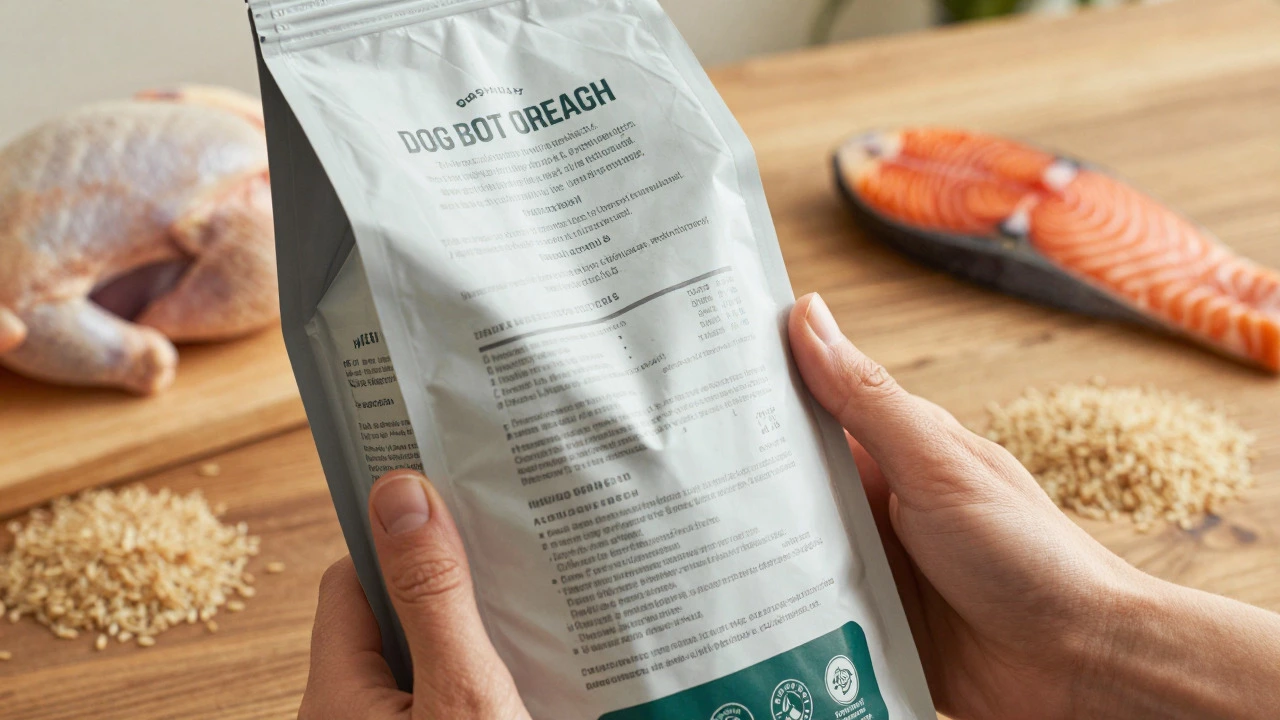
If a bag does not carry this statement, it is likely a treat or a supplement, not a main meal. Always check the back of the package for the certification statement. It should explicitly say something like: "Formulated to meet the nutritional levels established by the FEDIAF Nutrient Profiles for Adult Dogs." This single line confirms that the manufacturer has tested the food or formulated it according to strict scientific benchmarks.
Decoding the Ingredient List
The ingredient list is arranged by weight, from heaviest to lightest. This means the first few ingredients make up the bulk of the product. Here is what to look for and what to ignore:
- Named Animal Proteins: Look for "chicken," "beef," or "salmon" rather than vague terms like "meat meal" or "animal by-products." Named proteins are generally fresher and more digestible. However, meat meals are concentrated sources of protein and can be acceptable if they are the primary ingredient.
- Whole Grains vs. Grain-Free: For most healthy dogs, whole grains like brown rice, oats, or barley are excellent sources of fiber and energy. The recent debate around grain-free diets often stems from concerns about dilated cardiomyopathy (DCM), a heart condition linked to certain legume-heavy diets. Unless your dog has a confirmed grain allergy, there is no medical reason to avoid moderate grain inclusion.
- Fillers: Ingredients like corn, wheat, or soy appear lower on the list in premium foods. In low-budget foods, these may appear near the top. While not toxic, they offer little nutritional value and can trigger sensitivities in some pets.
- Additives: Vitamin E is a natural preservative. BHA and BHT are synthetic preservatives that have been debated in veterinary circles. Many owners prefer to choose foods with natural preservation methods when possible.
Kibble vs. Wet vs. Fresh: Choosing the Format
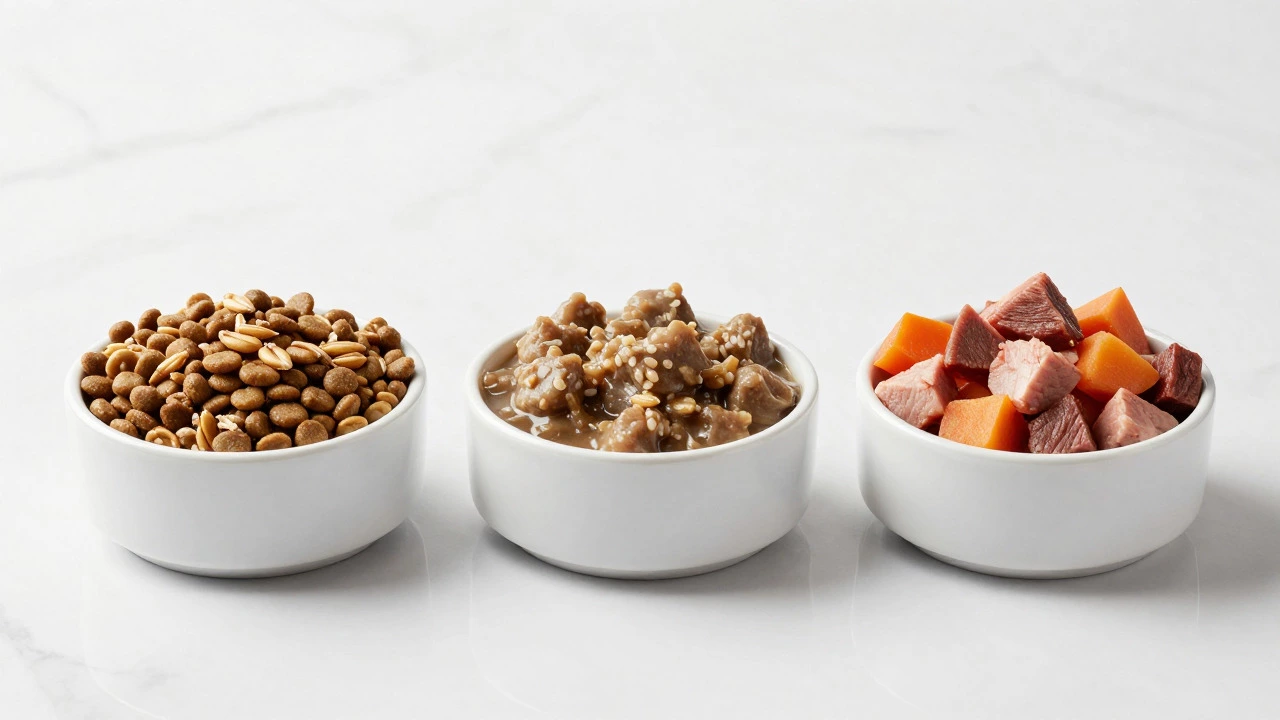
The format of the food matters just as much as the ingredients. Each format has distinct advantages depending on your dog's lifestyle and dental health.
| Format | Pros | Cons | Best For |
|---|---|---|---|
| Dry Kibble | Cost-effective, easy to store, helps clean teeth mechanically | Lower moisture content, less palatable for picky eaters | Most adult dogs, multi-pet households |
| Wet/Canned | High moisture (70-80%), highly palatable, softer for chewing | More expensive per calorie, requires refrigeration after opening | Senior dogs, dogs with dental issues, picky eaters |
| Fresh/Frozen | Minimal processing, high bioavailability, controlled ingredients | High cost, short shelf life, requires planning | Dogs with severe allergies or digestive issues |
Mixing dry and wet food is a common strategy. Adding a spoonful of wet food to kibble can increase hydration and make the meal more appealing without significantly increasing the cost. Just ensure you adjust the portion size so your dog doesn't overeat.
Life Stage Matters: Puppies, Adults, and Seniors
Your dog's age changes its nutritional needs dramatically. Feeding an adult formula to a growing puppy can lead to skeletal issues, while feeding a puppy formula to an adult can cause obesity due to higher caloric density.
- Puppies (0-12 months): Require higher levels of calcium, phosphorus, and DHA for brain development. Look for formulas specifically labeled for growth. Large breed puppies need even more controlled calcium levels to prevent joint problems later in life.
- Adults (1-7 years): Need maintenance calories. The focus shifts to lean protein and fiber to maintain weight. If your dog is very active, a performance or working dog formula might be appropriate.
- Seniors (7+ years): Metabolism slows down. Senior formulas typically have fewer calories but higher protein to preserve muscle mass. They often include added glucosamine and chondroitin for joint support.
Addressing Specific Health Conditions
Sometimes, the "best" food is a therapeutic diet prescribed by a vet. These are not for general use but for managing specific medical issues.
- Hypoallergenic Diets: Use novel proteins (like venison or rabbit) or hydrolyzed proteins where the protein is broken down into tiny pieces that the immune system cannot recognize. These are essential for dogs with chronic skin issues or ear infections caused by food allergies.
- Weight Management: High-fiber, low-calorie formulas help dogs feel full on fewer calories. This is crucial for breeds prone to obesity, such as Beagles or Cocker Spaniels.
- Renal Support: For dogs with kidney disease, protein restriction is often necessary. These specialized foods reduce the workload on the kidneys.
Do not switch to a therapeutic diet without professional advice. These foods are carefully balanced to manage symptoms but may lack nutrients needed for a healthy dog.

How to Transition Foods Safely
Even the highest-quality food can cause diarrhea if introduced too quickly. Your dog's gut microbiome needs time to adjust to new bacteria and enzymes. Follow a 7-day transition plan:
- Days 1-2: 75% old food, 25% new food.
- Days 3-4: 50% old food, 50% new food.
- Days 5-6: 25% old food, 75% new food.
- Day 7: 100% new food.
If your dog experiences soft stools during the transition, slow down the process. Stay at the current ratio for another day or two before moving forward. If vomiting or severe diarrhea occurs, stop the transition and consult your vet.
Common Myths About Dog Nutrition
Let's clear up a few persistent myths that cloud decision-making.
Myth 1: Raw food is always better. While raw diets mimic ancestral eating, they carry risks of bacterial contamination (Salmonella, E. coli) and nutritional imbalances unless meticulously formulated. Commercial kibble undergoes rigorous testing that home-prepared raw diets often lack.
Myth 2: More expensive means better. Price reflects packaging, marketing, and brand loyalty as much as ingredient quality. A mid-range food with transparent sourcing can outperform a luxury brand with opaque manufacturing processes.
Myth 3: Humans and dogs eat the same things. Dogs have evolved differently from wolves but also differently from humans. They do not need the same variety of fruits and vegetables, nor do they tolerate high sugar or salt levels well.
Frequently Asked Questions
Is organic dog food worth the extra cost?
For most dogs, the difference between organic and conventional high-quality kibble is minimal regarding nutritional value. Organic certification ensures no synthetic pesticides or antibiotics were used on the ingredients, which appeals to some owners. However, the premium price often comes from marketing rather than superior digestion or health outcomes. If budget allows and you prioritize organic farming practices, it is a safe choice, but it is not a medical necessity.
Can I feed my dog human leftovers?
In small quantities, plain cooked meats and vegetables are generally safe. However, many human foods are toxic to dogs, including chocolate, grapes, onions, and xylitol. Even safe foods like cheese or fatty meats can contribute to obesity or pancreatitis if fed regularly. Treats, including leftovers, should make up no more than 10% of your dog's daily caloric intake.
How do I know if my dog is allergic to their food?
Food allergies typically present as skin issues (itching, redness, hair loss) or gastrointestinal problems (chronic diarrhea, gas). Environmental allergies (pollen, dust mites) are actually more common than food allergies. To diagnose a food allergy, vets usually recommend an elimination diet trial of 8-12 weeks using a novel protein source. If symptoms resolve and return upon re-exposure, the culprit is identified.
Should I switch to a grain-free diet?
Only if your dog has a diagnosed grain intolerance or allergy. Recent veterinary studies have raised concerns about the link between long-term grain-free diets (high in peas/lentils) and heart disease in some dogs. For the average healthy dog, a diet containing moderate amounts of whole grains is perfectly balanced and safe.
How much should I feed my dog?
Always follow the feeding guide on the package, but adjust based on your individual dog. Factors like metabolism, activity level, and spay/neuter status affect calorie needs. Monitor your dog's body condition score. You should be able to feel their ribs easily but not see them prominently. If they are gaining weight, reduce portions slightly; if losing weight, increase them.