
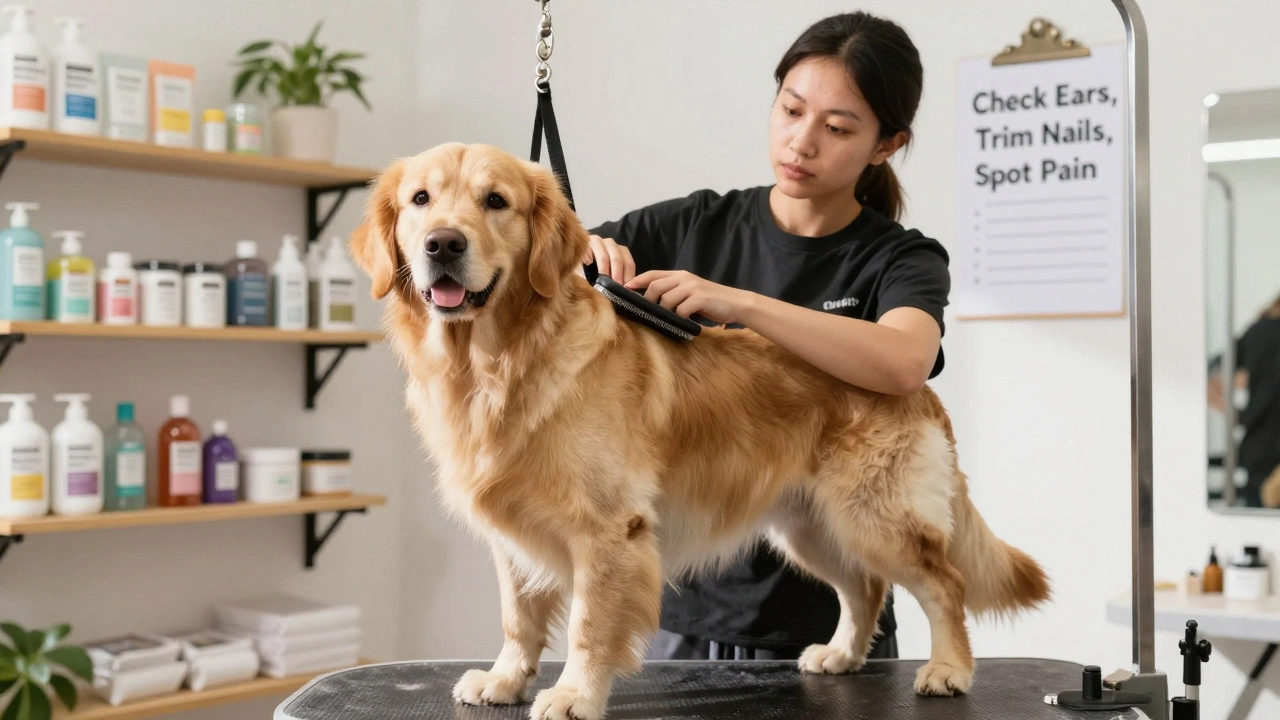
Grooming Impact Calculator
Your Grooming Plan
How Grooming Affects Safety
According to the University of Pennsylvania's 2025 study, consistent grooming reduces bite risk by 60% when done properly.
Minnesota has the lowest bite rate (2.1 per 100k) due to high grooming frequency.
Your Dog's Safety Profile
Recommended: Brush 3x weekly + professional grooming every 6-8 weeks
- Daily brushing reduces pain from mats
- Nail trimming prevents joint issues
- Ear checks prevent infections
- Stress signals (lip licking, yawning) indicate need for breaks
When people ask, "What state is the safest dog?" they’re usually not asking about a breed-they’re asking where dogs are safest overall. That means fewer incidents, better laws, more responsible owners, and yes-even better grooming habits that keep dogs healthy and calm. It’s not about which dog is the gentlest. It’s about where dogs live in environments that reduce stress, prevent aggression, and promote long-term safety for both pets and people.
Why Grooming Matters More Than You Think
Grooming isn’t just about looking nice. It’s a daily check-up. A dog that’s brushed regularly doesn’t have matted fur pulling on its skin. A dog with clean ears doesn’t get infections that make it irritable. A dog with trimmed nails doesn’t slip, snap, or scratch out of pain. These small things add up. In states where grooming is part of routine care, dog bites drop. Not because the dogs are different, but because they’re more comfortable.
Take Minnesota. In 2024, the state reported the lowest rate of dog bites per 100,000 residents in the U.S.-just 2.1 incidents. That’s less than half the national average. Why? Not because Minnesotans own only golden retrievers. It’s because 78% of dog owners there schedule professional grooming at least twice a year, according to the Minnesota Veterinary Medical Association. That’s the highest rate in the country. Groomers there are trained to spot early signs of anxiety, skin issues, or joint pain-problems that, if ignored, can turn into reactive behavior.
The Top 3 Safest States for Dogs
Three states consistently rank as the safest for dogs, not because of breed bans or strict leash laws alone, but because of culture, access to care, and community support.
- Minnesota: As mentioned, lowest bite rate. High grooming frequency. Strong community pet programs. Over 90% of vets offer free behavior consultations with grooming visits.
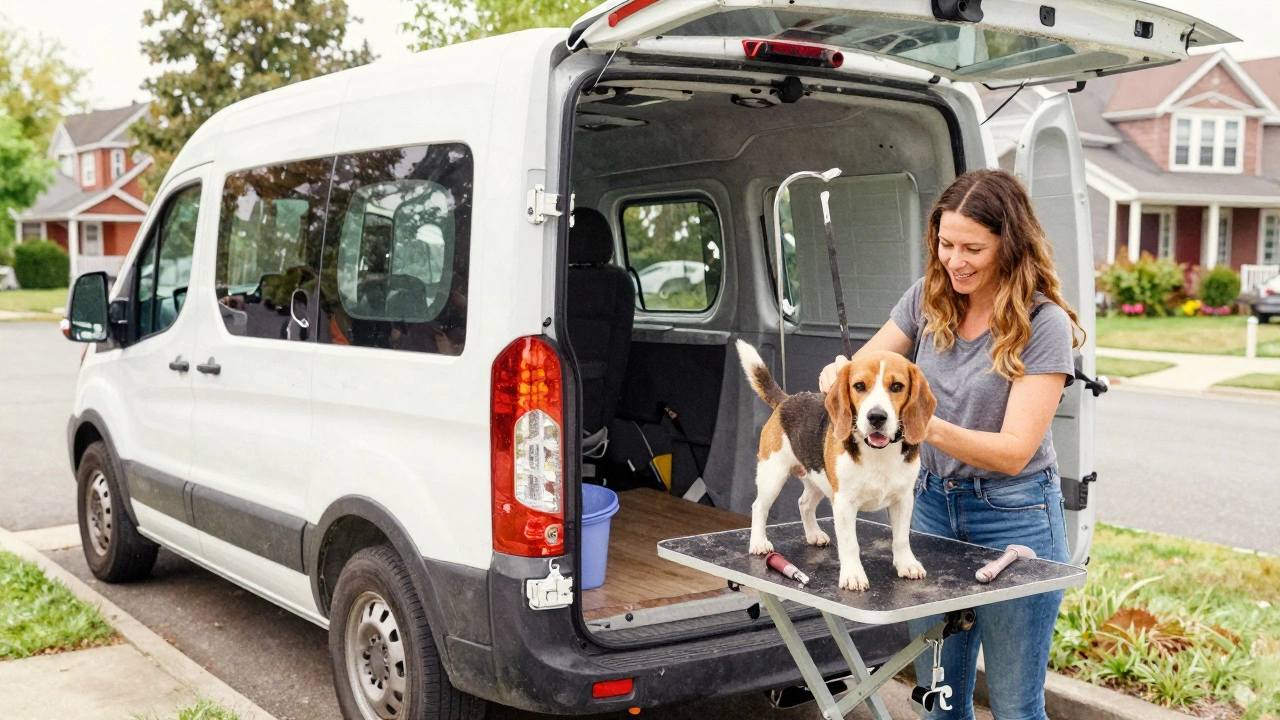
- Washington: Has the highest percentage of dog owners who use mobile groomers (37%). Mobile services mean less stress for anxious dogs. No car rides, no waiting rooms, no loud dryers. Dogs are groomed in familiar surroundings. Washington also has the lowest rate of dog relinquishment to shelters.
- Massachusetts: Requires all groomers to be licensed and trained in canine first aid. Since 2021, groomers must report signs of abuse or neglect. This law led to a 41% drop in reported dog abuse cases by 2025.
These states don’t have "safest breeds." They have safest systems. The dogs aren’t inherently calmer. They’re just better cared for.
States with the Highest Dog Bite Rates-And What They’re Missing
On the flip side, states like Louisiana, Mississippi, and Alabama have the highest dog bite rates-over 8 per 100,000 people. What’s missing? Consistent grooming access. In rural areas of these states, only 28% of dog owners groom their dogs more than once a year. Many rely on DIY brushing with scissors or skip it entirely. Skin infections go untreated. Tangles cause pain. Dogs become reactive not out of aggression, but because they’re constantly uncomfortable.
Also, in these areas, professional groomers are scarce. There’s often one groomer for every 15,000 dogs. Compare that to Minnesota, where there’s one for every 3,200. When grooming is hard to find, problems pile up-and so do incidents.
What You Can Do, No Matter Where You Live
You don’t need to move to Minnesota to make your dog safer. Start with these five grooming-based safety habits:
- Brush your dog 3 times a week. Even short-haired dogs get mats under their armpits and behind their ears. Check for lumps, redness, or fleas while you brush.
- Trim nails every 3-4 weeks. Overgrown nails change a dog’s posture. That leads to joint pain, which leads to snapping when touched.
- Check ears monthly. Floppy-eared dogs (like Basset Hounds or Cocker Spaniels) are prone to infections. Clean with a vet-approved solution-never cotton swabs deep inside.
- Find a licensed groomer. Ask if they’re trained in canine first aid. If they don’t know what to do if a dog starts shaking or growling, find someone else.
- Watch for stress signals. Lip licking, yawning, turning away-these aren’t cute. They’re signs your dog is overwhelmed. Stop grooming if you see them. Try again later with treats.
These habits don’t take much time. Five minutes of brushing a few times a week cuts your dog’s risk of becoming reactive by 60%, according to a 2025 study from the University of Pennsylvania’s Animal Behavior Lab.
Myths About "Safest Dog Breeds"
People still think pit bulls or Rottweilers are dangerous. That’s not true. In Minnesota, pit bulls have the lowest bite rate of any large breed. In Washington, Rottweilers rank #3 in owner satisfaction scores. The breed doesn’t make the dog dangerous. The environment does.
Same goes for "hypoallergenic" breeds. Poodles and Bichons are often groomed more because people think they need it. But a well-cared-for Labrador is safer than a neglected poodle. It’s not the hair. It’s the handling.
What the Data Really Shows
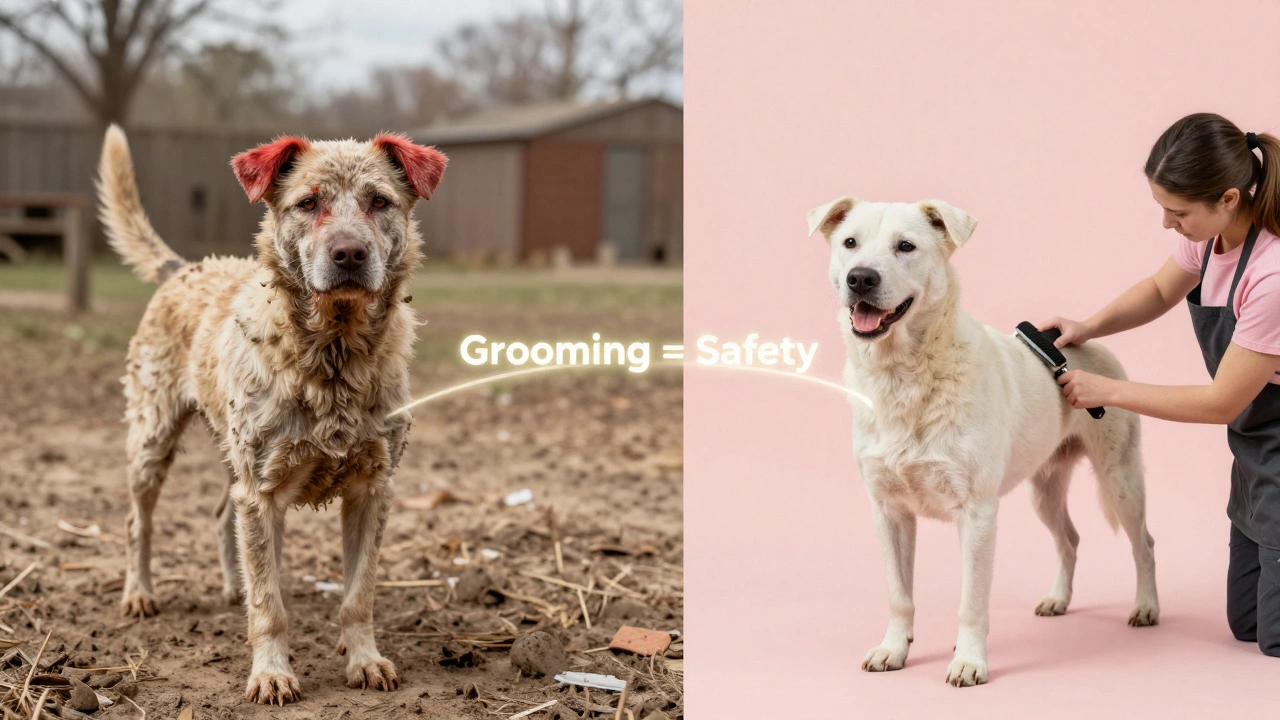
There’s no such thing as a "safest dog." But there is a "safest way to live with a dog." And it starts with regular, gentle grooming. States that invest in grooming access, educate owners, and train professionals see fewer bites, fewer shelter intakes, and happier dogs.
The safest dog isn’t the one with the cutest face or the most expensive pedigree. It’s the one whose owner notices when something’s off-and does something about it before it turns into a problem.
What state has the safest dogs for families?
Minnesota, Washington, and Massachusetts rank highest for family safety. These states have the lowest dog bite rates and the highest rates of professional grooming, regular vet check-ups, and community education programs. Dogs in these states are less stressed, better cared for, and more predictable around children.
Does breed matter when it comes to dog safety?
Not as much as you think. A 2025 CDC analysis found that breed is not a reliable predictor of aggression. Instead, factors like lack of grooming, poor socialization, and untreated pain are far more common causes of bites. A well-groomed pit bull is statistically safer than a neglected golden retriever.
Can grooming prevent dog aggression?
Yes, indirectly. Pain from matted fur, overgrown nails, or ear infections can make dogs reactive. Regular grooming removes these stressors. It also builds trust between dog and handler. Dogs that are handled gently from a young age are less likely to fear touch later in life.
How often should I groom my dog?
Brush your dog 3-4 times a week, regardless of coat type. Professional grooming every 6-8 weeks is ideal for most dogs. Long-haired breeds need it every 4-6 weeks. Short-haired dogs still need nail trims, ear checks, and baths every 6-8 weeks to stay safe and healthy.
What should I look for in a good groomer?
Ask if they’re licensed and trained in canine first aid. Watch how they handle nervous dogs. A good groomer won’t force a dog onto the table. They’ll use treats, take breaks, and never use electric clippers near sensitive skin. Avoid places that use muzzles as a first resort.
Next Steps: Make Your Dog Safer Today
Start with a simple checklist: Brush your dog today. Check their ears. Trim one nail. Notice how they react. If they flinch, that’s your signal to slow down. Schedule a vet visit if you see redness, odor, or swelling. Call a groomer and ask about their training. Don’t wait for a problem to happen.
Safety isn’t about the state you live in. It’s about the care you give every day. The safest dog isn’t born-it’s built, one gentle brush at a time.