
Dog Food Safety & Quality Score Calculator
Evaluate Your Dog Food Brand
Answer the following questions based on the brand you are considering (e.g., Blue Buffalo) or your current choice.
Safety Rating
Breakdown:
- Recalls --
- Ingredients --
- Transparency --
- Vet Support --
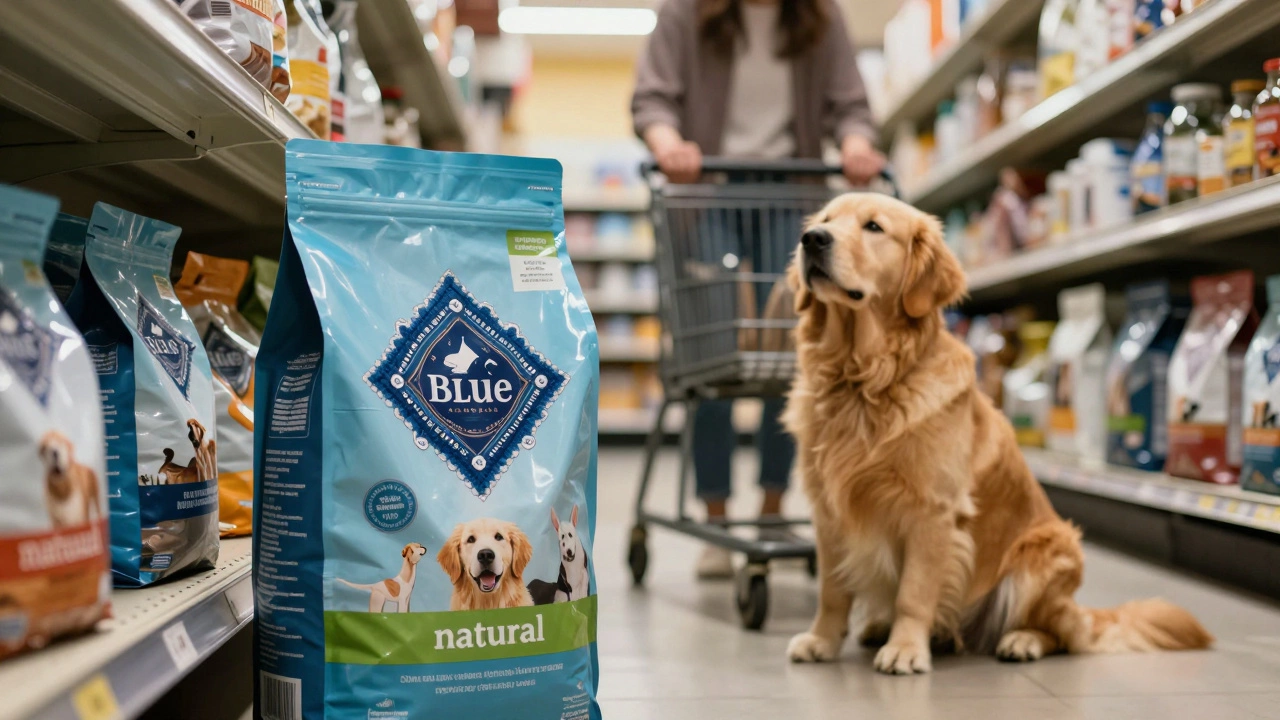
You walk down the aisle at your local pet store, and there it is-Blue Buffalo. Bright packaging, promises of "life-source bits," and claims that it’s made with natural ingredients for a healthier dog. It looks premium. It feels responsible. But then you hear whispers from veterinarians. Some avoid recommending it entirely. Others mention it with a heavy sigh. Why do vets not like Blue Buffalo?
The answer isn’t simple hate or marketing bias. It’s rooted in history, ingredient transparency, and evolving science about canine health. If you’re wondering whether to trust this brand for your dog’s daily meals, you need to look past the marketing copy and into the data.
The Recall History That Changed Perceptions
The biggest reason many veterinarians hesitate to recommend Blue Buffalo comes down to one word: recalls. In the world of pet food, a recall isn’t just an inconvenience; it’s a safety failure. And Blue Buffalo has had more than its share.
In 2018, the company issued a voluntary recall of several dry dog and cat food products due to potential contamination with aflatoxin. This toxin comes from moldy corn or peanut ingredients and can cause severe liver damage in dogs. While no illnesses were reported at the time, the incident raised serious questions about quality control. How did contaminated raw materials make it into production? Why didn’t testing catch it earlier?
Then came 2021. Another major recall hit Blue Buffalo’s Life Protection Formula line. This time, the issue was linked to mycotoxins again, but also concerns about inconsistent nutrient levels across batches. For vets who see the long-term effects of poor nutrition-liver stress, immune suppression, chronic digestive issues-these events are red flags.
Veterinarians don’t oppose brands because they’re expensive or popular. They oppose them when consistency fails. A dog needs reliable nutrition every single day. When a brand struggles to keep its supply chain clean, vets worry about what happens next.
| Year | Issue | Affected Products | Vet Impact |
|---|---|---|---|
| 2018 | Aflatoxin contamination | Dry Dog & Cat Food (various flavors) | Liver toxicity risk; eroded trust in sourcing |
| 2021 | Mycotoxins & nutrient inconsistency | Life Protection Formula Dry Dog Food | Concerns over batch reliability and long-term health |
The Grain-Free Controversy and Heart Health
Another layer to the vet skepticism involves Blue Buffalo’s heavy promotion of grain-free diets. For years, the brand marketed these formulas as superior, claiming grains cause allergies and inflammation. Many owners bought into this idea. Then, in 2018, the FDA launched an investigation into a growing number of cases of Dilated Cardiomyopathy (DCM) in dogs eating grain-free foods.
DCM is a serious heart condition where the heart muscle weakens and enlarges, leading to heart failure. While the exact cause isn’t fully understood, early research points to high levels of legumes like peas, lentils, and chickpeas-ingredients commonly found in Blue Buffalo’s grain-free lines-as potential contributors. These plants contain anti-nutrients that may interfere with taurine absorption, an amino acid critical for heart function.
Vets didn’t suddenly decide to dislike Blue Buffalo overnight. They watched studies come out. They saw patients diagnosed with DCM who had been fed grain-free diets exclusively. And they noticed that Blue Buffalo was one of the most frequently mentioned brands in those case reports. Even if correlation doesn’t equal causation, the pattern was too strong to ignore.
Today, while the FDA hasn’t concluded its investigation, many veterinarians advise caution with any grain-free diet unless medically necessary. Blue Buffalo’s aggressive marketing of these formulas puts them squarely in the crosshairs.

Ingredient Transparency vs. Marketing Hype
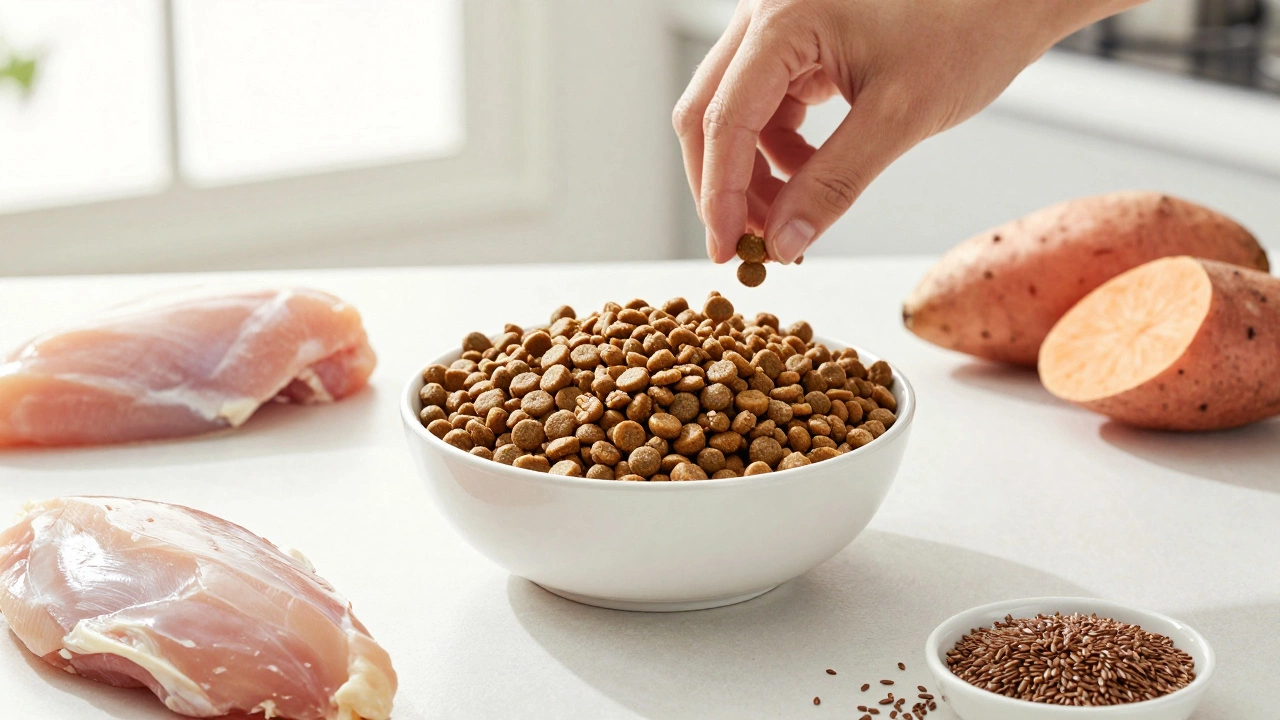
Let’s talk about what’s actually in the bag. Blue Buffalo loves to highlight "natural" ingredients, deboned chicken, sweet potatoes, and flaxseed. On paper, it sounds wholesome. But dig deeper, and you’ll find some questionable additions.
Take "LifeSource Bits." These small nuggets mixed into the kibble are supposed to deliver vitamins, minerals, and antioxidants. Sounds great, right? Except they’re not regulated by the same standards as the rest of the food. Their composition varies by batch, and there’s no clear disclosure of exactly how much of each nutrient they provide. For vets who rely on precise nutritional balance, especially for senior dogs or those with kidney disease, this lack of clarity is frustrating.
Then there’s the issue of fillers. Despite claims of being "premium," many Blue Buffalo recipes still use corn gluten meal, wheat gluten, and soybean meal as primary protein sources. These aren’t inherently bad, but they’re cheap. And when paired with vague labeling practices, they raise eyebrows among professionals who prioritize digestibility and bioavailability.
Vets prefer brands that follow AAFCO guidelines strictly, publish third-party lab results, and offer transparent ingredient sourcing. Blue Buffalo often falls short on these fronts.
What Do Veterinarians Recommend Instead?
If Blue Buffalo raises concerns, what should you feed your dog instead? The good news is that plenty of safer, vet-approved options exist. Here’s what most veterinarians look for:
- High-quality animal proteins: Look for named meat sources like chicken, beef, or fish as the first ingredient-not meals or by-products.
- Minimal processing: Brands that use gentle cooking methods preserve nutrients better than heavily extruded kibble.
- No unnecessary additives: Avoid artificial colors, flavors, and preservatives like BHA/BHT.
- Proven track record: Choose companies with few or no recalls and consistent quality control.
Some top alternatives recommended by vets include:
| Brand | Key Strength | Best For |
|---|---|---|
| Hill’s Science Diet | Clinically tested, highly consistent | Dogs with sensitivities or medical conditions |
| Royal Canin | Breed-specific formulations | Owners seeking tailored nutrition |
| Orijen | High biological value proteins | Active dogs needing dense nutrition |
| Nutrience | Grain-inclusive, affordable | Budget-conscious families |
These brands invest heavily in research, partner with veterinary institutions, and maintain strict quality assurance protocols. That’s why vets feel comfortable recommending them.
Is Blue Buffalo Completely Unsafe?
Not necessarily. Not every dog will develop heart disease or suffer from toxic exposure just because they eat Blue Buffalo. Thousands of dogs thrive on it without issue. But here’s the thing: thriving isn’t the same as optimal. And when safer, more transparent options exist, why take the risk?
Think of it like choosing a car. You could buy a model known for frequent breakdowns, even if yours runs fine today. Or you could choose one built with proven reliability. Most people opt for peace of mind. With dog food, the stakes are higher. Your dog can’t tell you when something feels off until it’s too late.
If you’ve already switched away from Blue Buffalo, congratulations-you’re ahead of the curve. If you’re still feeding it, consider transitioning gradually to a vet-recommended alternative. Sudden changes can upset your dog’s stomach, so mix new food slowly over seven to ten days.
How to Evaluate Any Dog Food Brand
Don’t just stop at Blue Buffalo. Use this moment to become a smarter shopper. Ask yourself:
- Has the brand had recent recalls? Check the FDA website or contact the manufacturer directly.
- Are the ingredients clearly listed and sourced responsibly? Vague terms like "meat meal" or "animal digest" are warning signs.
- Does the formula meet AAFCO standards for complete and balanced nutrition? Look for the statement on the label.
- Is there independent testing or peer-reviewed research supporting the product?
- Do veterinarians in your area recommend it? Talk to your own vet-they know your dog best.
Knowledge is power. Armed with these questions, you won’t fall for flashy packaging or influencer endorsements. You’ll make decisions based on facts, not fear.
Is Blue Buffalo banned anywhere?
No, Blue Buffalo is not banned in any country. However, certain products have been recalled due to contamination risks. Always check current advisories before purchasing.
Can I switch my dog from Blue Buffalo to another brand safely?
Yes, but transition gradually. Mix increasing amounts of the new food with decreasing amounts of Blue Buffalo over 7-10 days to prevent digestive upset.
Are grain-free diets dangerous for all dogs?
Not necessarily, but they carry higher risks for certain breeds prone to DCM. Consult your vet before switching to or from grain-free formulas.
What makes a dog food brand trustworthy?
Look for brands with minimal recalls, transparent ingredient sourcing, adherence to AAFCO standards, and endorsements from veterinary professionals.
Should I avoid all Blue Buffalo products?
It depends. If your dog tolerates it well and has no underlying health issues, occasional use may be okay. For long-term feeding, consider safer alternatives with stronger quality records.