
Puppy Nighttime Bladder Capacity Calculator
Enter your puppy's details below to estimate their maximum nighttime hold time. Remember: this is a biological guideline, not a guarantee. Always monitor your specific puppy.
Estimated Max Hold Time
Adjust your alarm accordingly.
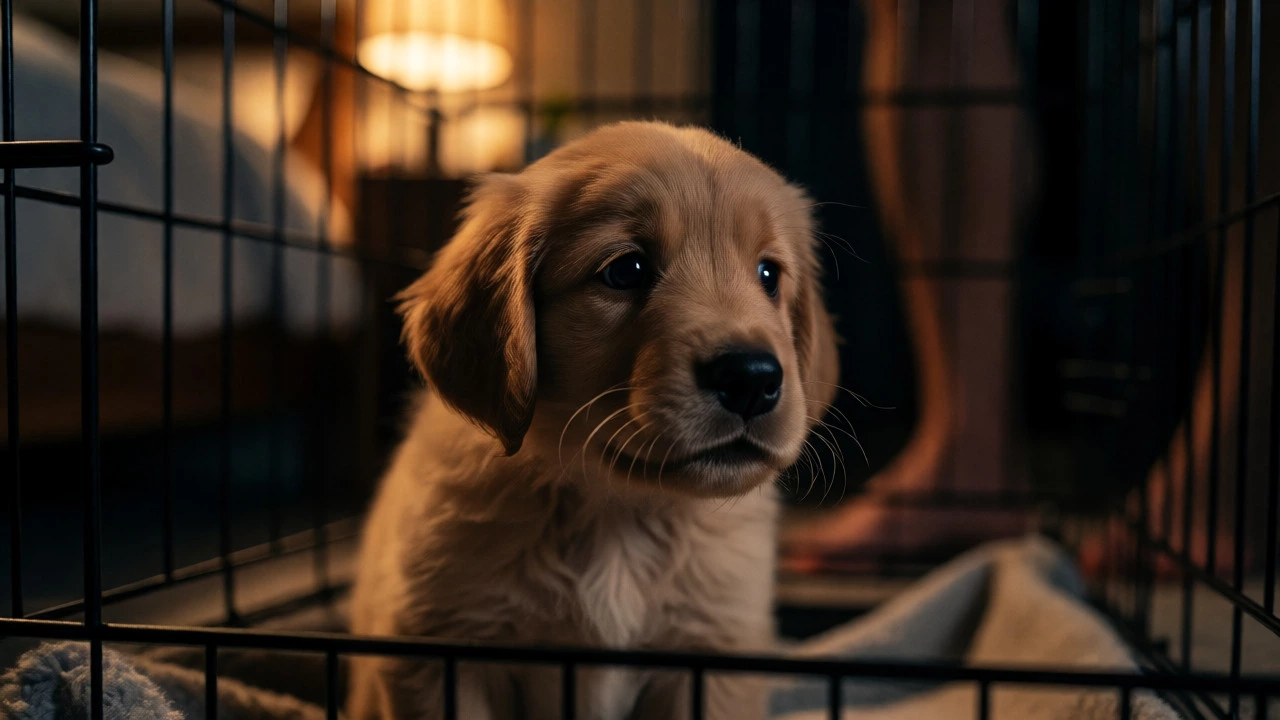
You put your adorable new bundle of fur to bed in their crate, close the door, and head off to sleep. You feel confident because you read that dogs don't like to soil where they sleep. Then, around 3 AM, you hear it: the distinct sound of splashing, followed by whining. Did your puppy just pee in their crate? The short answer is yes, it happens more often than you'd think. But does it mean you're doing something wrong? Not necessarily. It usually means there's a mismatch between your puppy's physical limits and your expectations.
The Biology Behind the Bladder
Before you blame yourself or your puppy, look at the physiology. Puppies have tiny bladders and underdeveloped muscles to control them. There is a general rule of thumb used by veterinarians and trainers alike: a puppy can hold their bladder for one hour per month of age, up to about nine months old. So, an eight-week-old (two-month) puppy can realistically hold it for two hours. If you expect them to last from 10 PM until 7 AM, you are asking them to hold it for nine hours. That’s physically impossible for most young pups.
When a puppy sleeps, their metabolism slows down, but they still produce urine. If the bladder fills beyond capacity, the sphincter muscle relaxes, and accident happens. This isn't stubbornness; it's biology. Recognizing this helps you adjust your nighttime schedule rather than punishing a creature that literally couldn't help it.
Crate Size Matters More Than You Think
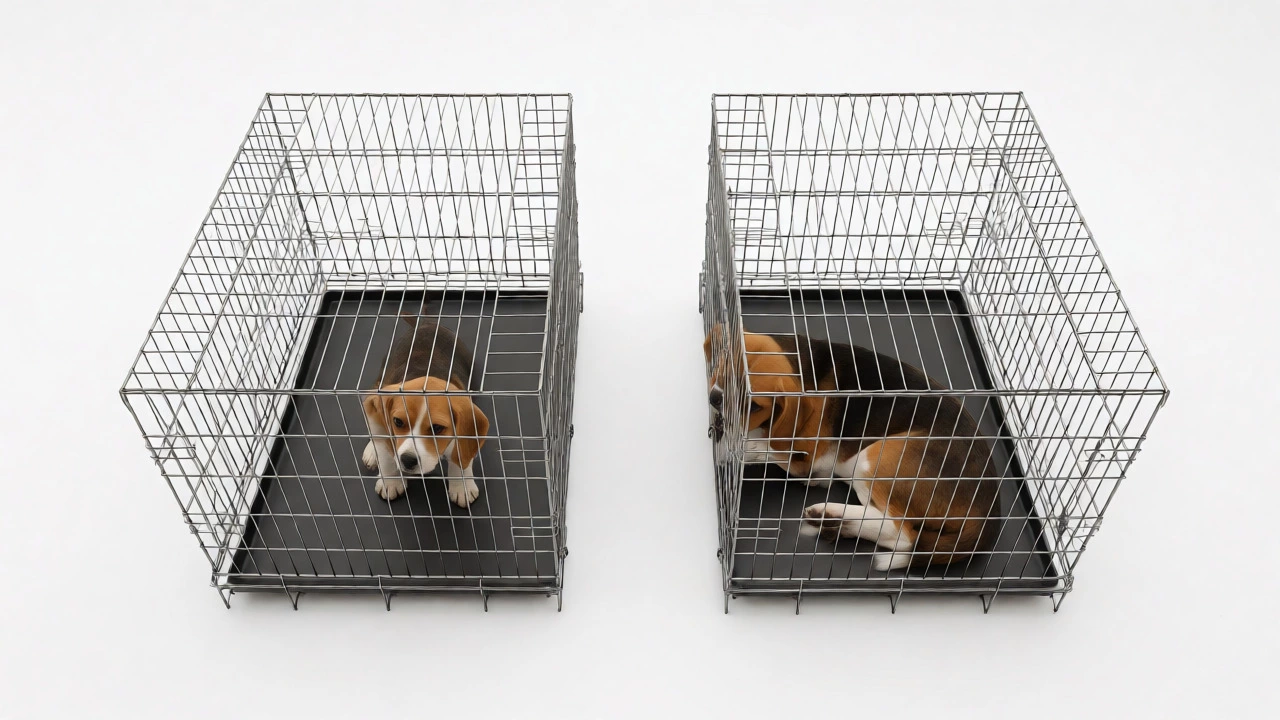
One of the biggest reasons puppies pee in their crates is that the crate is too big. If the crate is spacious enough for the puppy to stand, turn around, lie down, and then walk to the opposite corner to pee, they will likely do exactly that. They won't soil the area right next to where they sleep, but if there's room to separate sleeping and eliminating zones, they will use that space.
The crate should be just large enough for the puppy to stand up without hitting their head, turn around comfortably, and lie down with legs stretched out. No more. For growing breeds, many owners buy a large crate upfront and try to partition it. If you don't have a divider panel, you can create a smaller section using sturdy cardboard boxes or a wire mesh insert secured safely. As the puppy grows, you gradually expand the usable space. This forces the puppy to choose between sleeping in the wet spot or holding it, leveraging their natural cleanliness instinct effectively.
Common Reasons for Nighttime Accidents
If your crate size is correct and your puppy is within their holding capacity limits, yet accidents still happen, consider these common culprits:
- Inconsistent Schedules: Dogs thrive on routine. If dinner times vary or water intake fluctuates wildly, their elimination needs become unpredictable. Feeding at the same times each day helps regulate digestion and bladder output.
- Late Water Intake: Allowing free access to water right before bedtime is a recipe for disaster. Pick up the water bowl about two hours before lights out. Offer a final sip if needed, but limit volume significantly.
- Insufficient Daytime Exercise: A bored or overly energetic puppy might not settle into deep sleep. While exercise doesn't directly empty the bladder during sleep, a tired puppy sleeps more deeply and may miss subtle signals that they need to go. Conversely, over-exercising right before bed can stimulate digestion and urination.
- Medical Issues: Urinary tract infections (UTIs), parasites like giardia, or dietary sensitivities can cause sudden urgency or increased frequency. If a previously reliable puppy starts having frequent accidents, a vet check-up is essential to rule out health problems.
How to Manage Nighttime Needs
Managing nighttime potty breaks requires strategy, not just endurance. Here is how to handle it without turning your home into a chaotic zone.
Set an Alarm
For young puppies (under four months), set an alarm for 4-5 hours after bedtime. Take the puppy directly outside on a leash. Keep interactions boring and quiet. No playing, no cuddling, no eye contact. Just do their business, praise briefly, and return to the crate. This teaches them that nighttime is for sleeping, not socializing.
Watch for Signals
Puppies rarely wake up silently. They will whine, scratch at the door, or sniff around. Learn the difference between "I need to pee" whining and "I'm lonely/scared" whining. The former is urgent and rhythmic; the latter is often intermittent and high-pitched. If you respond to every whimper with attention, you reinforce the behavior. If you ignore genuine distress, you risk damaging trust. When in doubt, take them out. It's better to have a false alarm than a soaked crate.
Use a Playpen Setup
Some owners find success using a larger playpen instead of a traditional crate. Attach a crate (open door) to one side of the playpen and place a pee pad or artificial grass patch in the opposite corner. This gives the puppy a small amount of freedom while maintaining the separation between sleeping and eliminating areas. As they mature and gain bladder control, you can phase out the pads.
Cleaning Up After Accidents
If an accident does happen, cleaning it properly is critical. Dog noses are incredibly sensitive. If residual scent remains in the crate bedding or floor, the puppy will associate that smell with the appropriate place to go, leading to repeat offenses.
Standard household cleaners often fail here. Bleach smells like ammonia to dogs, which can actually encourage them to mark over it. Use an enzymatic cleaner specifically designed for pet stains. These products contain bacteria or enzymes that break down the uric acid crystals in dog urine, removing the odor source entirely. Wash any removable crate liners or blankets in hot water with an enzyme-based detergent. Do not skip this step; thorough cleaning prevents habit formation.
Timeline: What to Expect as Your Puppy Grows
Patience is part of the process. Here is a realistic timeline for nighttime bladder control based on average development rates.
| Puppy Age | Max Hold Time (Night) | Recommended Strategy |
|---|---|---|
| 8-12 Weeks | 2-3 Hours | Wake once or twice during the night. Strict water cutoff. |
| 3-4 Months | 4-5 Hours | One mid-night break usually sufficient. Monitor for consistency. |
| 5-6 Months | 6-7 Hours | Most puppies can sleep through the night. Occasional accidents normal. |
| 7+ Months | 8+ Hours | Full bladder control typically established. Rare accidents indicate medical or behavioral issues. |
What Not To Do
Avoid punishment. If you come home or wake up to a wet crate, rubbing the puppy's nose in it or yelling is counterproductive. The puppy does not connect the punishment with the act of peeing hours earlier. They only associate your anger with your presence. This creates anxiety, which can lead to submissive urination or hiding when they need to go. Instead, focus on prevention: tighter schedules, proper crate sizing, and consistent outdoor trips.
Also, avoid leaving water available all night unless your vet advises otherwise for specific medical conditions. Hydration is vital, but timing matters. Ensure your puppy drinks plenty during the day so they aren't thirsty at night due to dehydration.
Final Thoughts on Patience and Progress
Accidents are temporary. Most puppies achieve full nighttime reliability by six to seven months of age. The frustration of waking up at 3 AM fades, replaced by the joy of a well-trained companion who respects their home environment. Stick to the routine, manage the water intake, and ensure the crate fits correctly. If problems persist beyond six months despite perfect management, consult your veterinarian to rule out underlying health issues. Until then, keep calm, clean thoroughly, and trust the process.
Should I leave water in the crate overnight?
Generally, no. Remove the water bowl two hours before bedtime to reduce the likelihood of nighttime accidents. Ensure your puppy has ample opportunity to drink throughout the day. Exceptions may apply for very young puppies or those with specific medical conditions advised by a vet.
Why did my puppy pee in the crate even though I took them out last?
This could be due to excitement or submission urination upon seeing you, or simply that the bladder filled again during sleep. If the puppy was fully emptied before bed, check for medical issues like UTIs or diabetes, especially if this is a new behavior. Also, ensure the last trip outside was successful (they actually went).
How long should I wait before letting my puppy out if they are crying?
If the crying sounds like distress or urgency, take them out immediately. If it sounds like fussing or boredom, wait a few minutes to see if they settle. Consistency is key. Taking them out every time they cry can teach them that crying gets them out, whereas taking them out only when they signal a need reinforces the correct association.
Does crate size really affect potty training?
Yes, significantly. If the crate is too large, the puppy may designate one corner for sleeping and another for toileting. The crate should be just big enough for standing, turning, and lying down comfortably. Use dividers for growing puppies to maintain this snug fit.
At what age do puppies stop needing nighttime potty breaks?
Most puppies can hold their bladder through the night (6-8 hours) by 5 to 6 months of age. Some smaller breeds or individual puppies may take slightly longer, while others achieve it sooner. Gradually extend the time between breaks as they grow.