
Cat Diet & Hydration Planner
Dietary Balance Estimator
Nutritional Analysis:
You've probably noticed that when you take your cat to the clinic, the vet often suggests a high-quality kibble as the base of their diet. It feels counterintuitive, right? Cats are obligate carnivores, and in the wild, they eat prey that is mostly water and protein. So why is a crunchy brown biscuit the gold standard in many vet offices? It usually comes down to a mix of dental maintenance, nutrient control, and the practical realities of keeping a pet healthy over fifteen years.
Quick Takeaways for Cat Owners
- Dental Support: Kibble helps scrub away plaque through mechanical abrasion.
- Nutrient Precision: Dry foods are formulated to meet complete AAFCO standards without missing key taurine levels.
- Convenience: It doesn't spoil quickly in a bowl, reducing the risk of bacterial growth.
- Weight Control: It's easier to measure precise calories than with a scoop of wet pate.
The Battle Against Plaque and Tartar
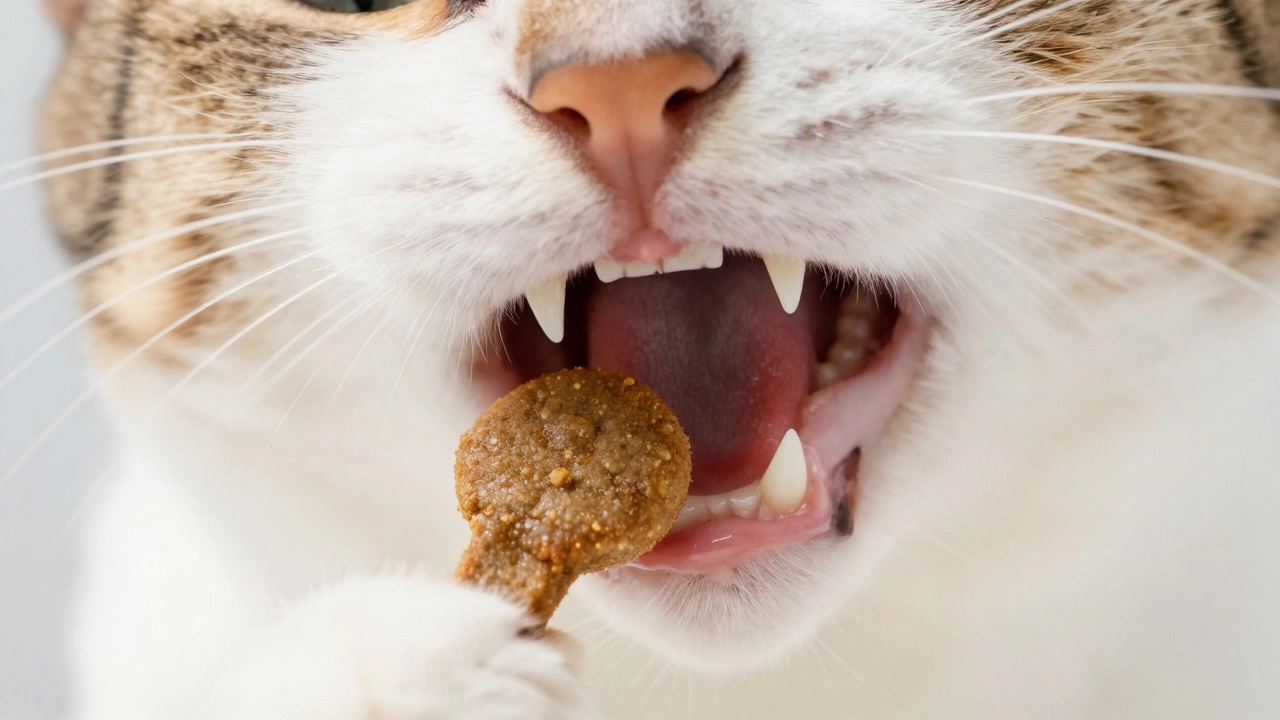
One of the biggest headaches for any vet is feline periodontal disease. Cats, much like humans, build up a sticky film of bacteria on their teeth called plaque. If that plaque isn't removed, it mineralizes into tartar, which can lead to painful gum infections and tooth loss.
This is where dry cat food is a processed feline diet consisting of small, hard pellets known as kibble, designed to provide complete nutrition in a shelf-stable form. When a cat chews kibble, the hard texture provides a level of mechanical abrasion. While it's not a replacement for a toothbrush, it acts like a very mild scrub for the chewing surfaces of the teeth. Using kibble helps slow down the accumulation of tartar, which means fewer trips to the vet for expensive dental cleanings under general anesthesia.
Imagine the difference between eating a bowl of mashed potatoes and a crisp apple. The apple requires more effort to break down and physically touches more of the tooth surface. For a cat, that crunch is a first line of defense against gingivitis.
Nutritional Balance and Taurine
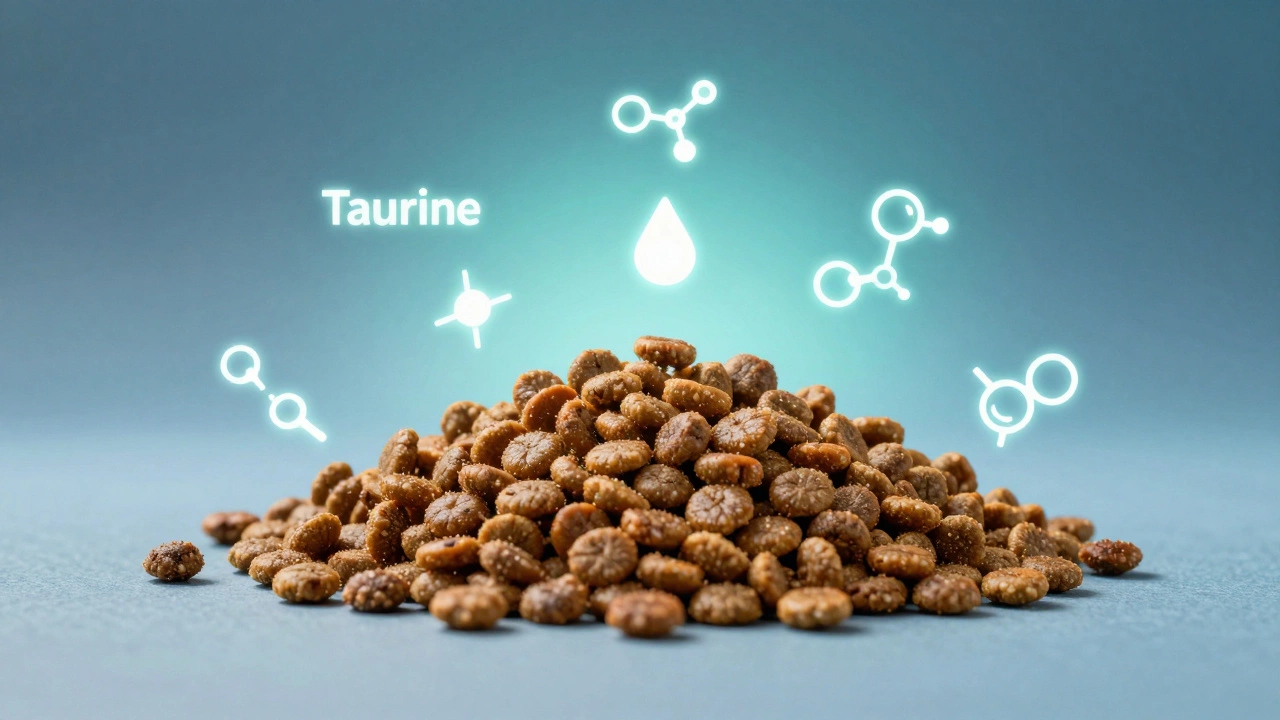
Cats aren't like dogs; they are incredibly picky about the specific nutrients they need. If they miss out on something like Taurine, a critical amino acid, they can go blind or develop a fatal heart condition called dilated cardiomyopathy. This is why home-cooking for cats is risky unless you're a certified veterinary nutritionist.
Most commercial dry foods are formulated as "complete and balanced." This means they follow standards set by AAFCO (Association of American Feed Control Officials). By using a high-quality dry food, you're ensuring your cat gets the exact milligram of vitamins and minerals they need every single day without having to guess.
| Attribute | Dry Food (Kibble) | Wet Food (Canned) |
|---|---|---|
| Water Content | ~10% | ~75-80% |
| Dental Abrasion | High | Low |
| Caloric Density | High (More calories per gram) | Low (More volume, fewer calories) |
| Shelf Life (Open) | Days | Hours |
The Practical Side: Stability and Portioning
Let's be honest about the "food bowl" reality. Many cats are grazers; they prefer to eat small amounts throughout the day. Wet food is a nightmare for grazers because it spoils rapidly at room temperature, attracting flies and growing bacteria like Salmonella or Listeria within hours.
Dry food is shelf-stable. You can leave a measured amount out, and it remains safe for the cat to eat over a twelve-hour period. This stability prevents the "hunger-induced" stress that some cats feel when they have to wait for a human to open a can.
Furthermore, controlling weight is much simpler with dry food. Because the calories are consistent per cup, you can use a measuring cup to hit a target weight. With wet food, calories can vary wildly between a pate, a chunk-in-gravy, or a terrine, making it easier to accidentally overfeed a sedentary indoor cat.
Understanding the Hydration Gap
If dry food is so great, why do some vets still suggest a mix? The main drawback is water. In nature, cats get most of their hydration from their prey. Because dry food has almost no moisture, the cat's kidneys have to work harder to concentrate urine. For a healthy young cat, this is usually fine. But for a cat with Chronic Kidney Disease or a history of bladder crystals and urinary tract infections, relying solely on dry food can be a risk.
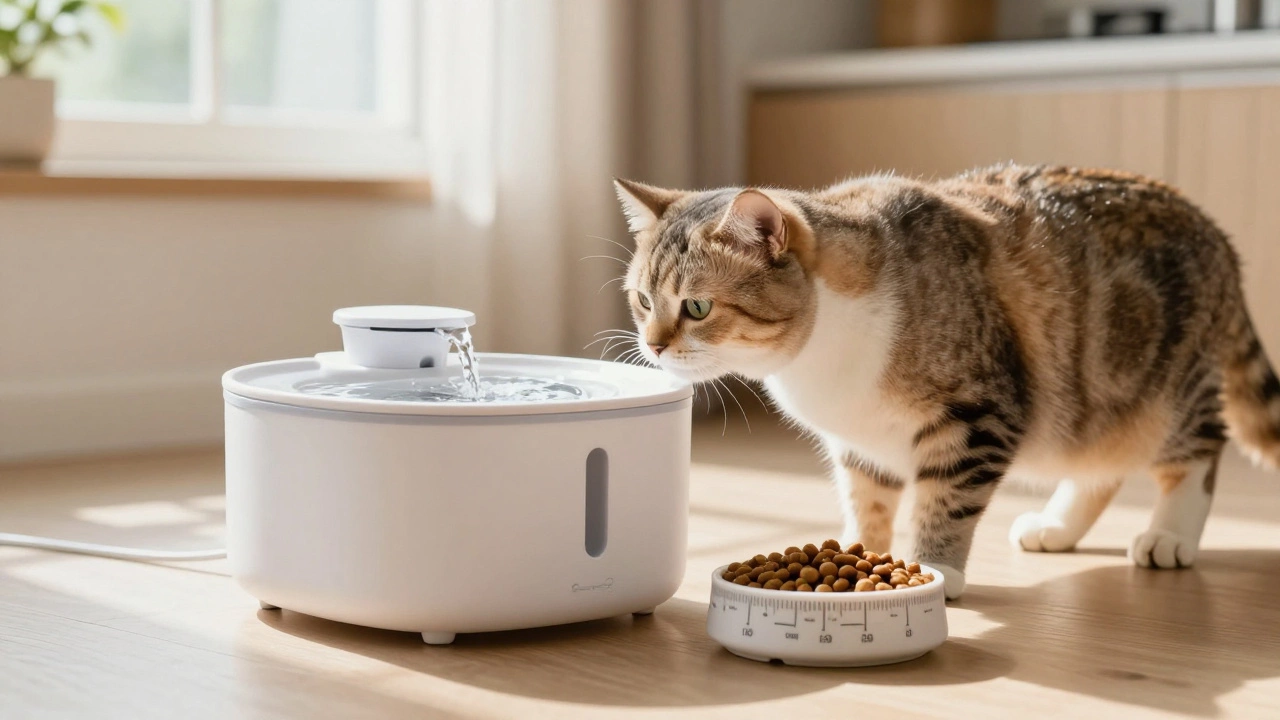
This is why you'll often hear the advice to "mix and match." By providing dry food for dental health and convenience, but adding a few spoons of wet food or a water fountain, you get the best of both worlds. A water fountain is especially helpful because cats are biologically wired to prefer running water over still water in a bowl.
Common Misconceptions About "Crunchy" Food
There is a common myth that dry food is just "filler" and corn. While some cheap brands do use a lot of carbohydrates, premium dry foods use high-quality proteins and fats. The goal isn't to fill them up on corn, but to create a pellet that holds its shape and provides the necessary nutrition.
Another misconception is that dry food causes diabetes in all cats. While high-carb diets can contribute to insulin resistance, it's the quality of the carb and the amount of calories that matter. A lean cat on a high-protein dry diet is often healthier than an overweight cat eating low-quality wet food.
How to Choose the Right Dry Food
Not all kibble is created equal. When you're looking at the label, don't get distracted by words like "natural" or "premium." Look at the first three ingredients. You want to see a specific protein (like chicken, salmon, or turkey) rather than "meat by-products."
Consider your cat's life stage. A kitten needs significantly more calories and fat for growth than a ten-year-old cat who spends 20 hours a day sleeping on the sofa. Switching to a "Senior" formula often means lower calories and added joint support, which prevents the obesity that leads to joint pain in older pets.
Does dry food actually prevent dental disease?
It helps, but it isn't a cure. It provides a mechanical scrubbing action that removes some surface plaque. However, it cannot reach deep into the gum line. The only way to truly prevent dental disease is through professional cleaning and, if possible, daily brushing with cat-safe toothpaste.
Will my cat get dehydrated if they only eat dry food?
Not necessarily, provided they have constant access to fresh water. Most healthy cats adapt their water intake to compensate for dry food. However, if your cat doesn't drink much, adding wet food or using a water fountain is a smart way to ensure their kidneys stay flushed.
Why is dry food more expensive than some wet foods?
The cost usually reflects the nutrient density. Dry food is more concentrated, meaning you feed a smaller volume to get the same caloric value. You're paying for a product that is stable, nutrient-dense, and designed for long-term health.
Can I mix dry and wet food in the same bowl?
You can, but be careful. Some cats will simply eat all the wet food and leave the kibble behind. It's often better to feed them at different times or in separate bowls to ensure they get the full nutritional balance of both.
Is grain-free dry food better for cats?
Not always. While cats don't need grains, some grain-free diets replace corn with legumes (like peas or lentils), which has been linked in some veterinary studies to heart issues (DCM) in certain pets. Always consult your vet before switching to a grain-free diet.
Next Steps for Your Cat's Diet
If you're currently feeding only one type of food, don't make a drastic change overnight. Cats have sensitive stomachs, and a sudden switch can lead to vomiting or diarrhea.
For the "Kibble-Only" Household: Try adding a water fountain. It encourages your cat to drink more, which protects their kidneys while they enjoy the dental benefits of dry food.
For the "Wet-Only" Household: Consider introducing a high-quality dental kibble as a treat or a small meal. This can help reduce the amount of tartar buildup you'll see at your next vet visit.
For the Senior Cat: Check the calorie count. As cats age, their metabolism slows down. Switching to a senior-specific dry food can prevent the creeping weight gain that makes jumping onto the counter or bed more difficult for them.