
Dog Egg Serving Size Calculator
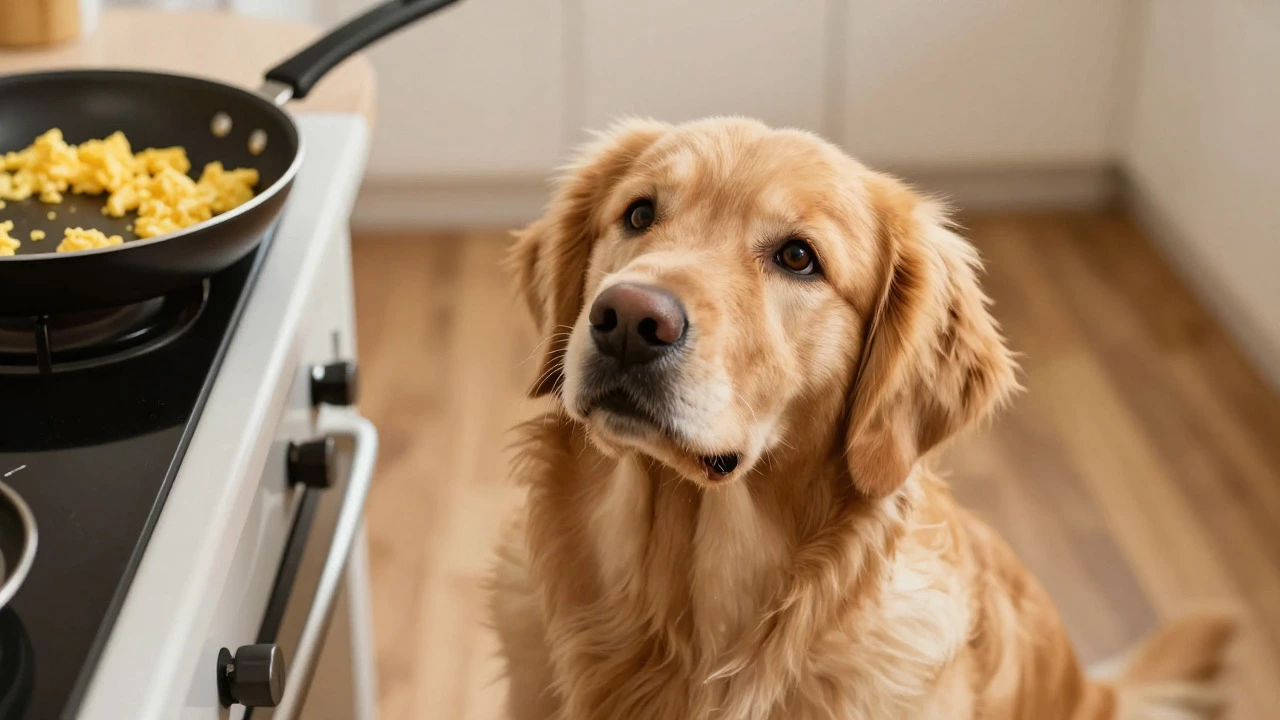
You’re flipping a batch of breakfast in the pan, your dog is sitting by your leg with those wide, hopeful eyes, and you wonder: can they have some? It’s a common question for any pet owner who loves sharing meals. The short answer is yes, scrambled eggs are generally excellent for dogs, provided you prepare them correctly. They aren’t just a tasty treat; they are a nutritional powerhouse that can support muscle growth, coat health, and overall energy levels.
However, not all scrambled eggs are created equal. What makes eggs good for humans might be harmful to your pup if you add the wrong ingredients. Before you slide a piece onto their plate, it helps to understand exactly what goes into making this snack safe and beneficial.
The Nutritional Breakdown: Why Eggs Are Superfood for Dogs
Eggs are often called nature’s multivitamin, and that holds true for canines as well. When you feed your dog an egg, you aren’t just giving them protein; you’re providing a complete amino acid profile. This means the protein contains all the essential building blocks your dog’s body needs to repair tissues and build muscle.
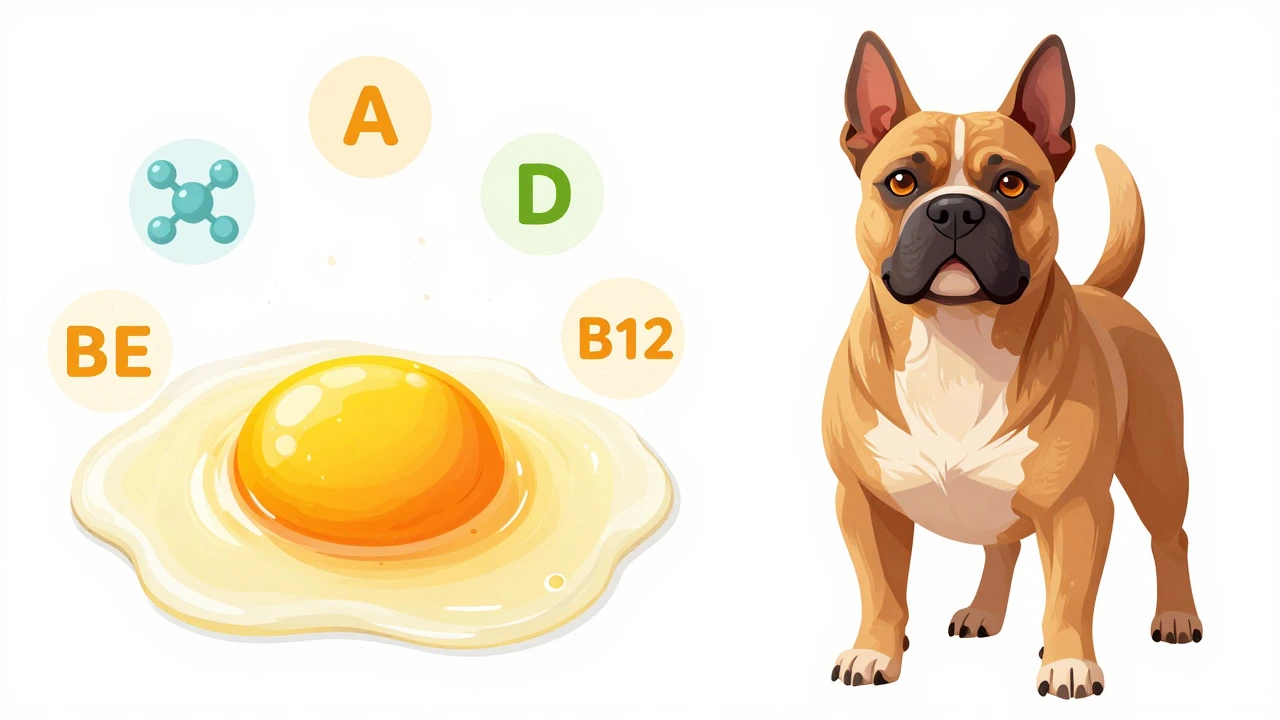
Whole Eggs consist of two main parts: the white and the yolk. Both offer distinct benefits. The egg white is primarily pure protein, low in fat, and easy to digest. It’s ideal for dogs needing lean muscle support without extra calories. The yolk, on the other hand, is rich in healthy fats, vitamins A, D, E, and B12, and biotin. Biotin is crucial for maintaining a shiny coat and healthy skin, which many owners notice improves after adding eggs to their dog’s diet.
Here is what you get from one large whole egg:
- Protein: Approximately 6 grams, supporting muscle maintenance.
- Fat: About 5 grams, providing sustained energy.
- Vitamins: High levels of Riboflavin (B2) and Selenium, which act as antioxidants.
- Minerals: Iron and Phosphorus, essential for blood health and bone strength.
For active dogs or older pets losing muscle mass, this nutrient density is hard to beat. Unlike processed treats filled with fillers, eggs offer bioavailable nutrients that the body absorbs efficiently.
Safety First: Cooking Methods That Matter
While cooked eggs are safe, raw eggs pose risks. Raw egg whites contain avidin, a protein that binds to biotin and prevents its absorption. Over time, feeding large amounts of raw eggs could lead to a biotin deficiency, resulting in skin issues and poor coat quality. Additionally, raw eggs carry a risk of Salmonella and E. coli, bacteria that can make both you and your dog sick.
Cooking eliminates these risks. Heat denatures the avidin, making the biotin available, and kills harmful bacteria. Scrambling is one of the safest methods because it cooks the egg thoroughly without requiring added fats if done properly. Boiled eggs are another great option, but scrambling allows for easier mixing with kibble if your dog is a picky eater.
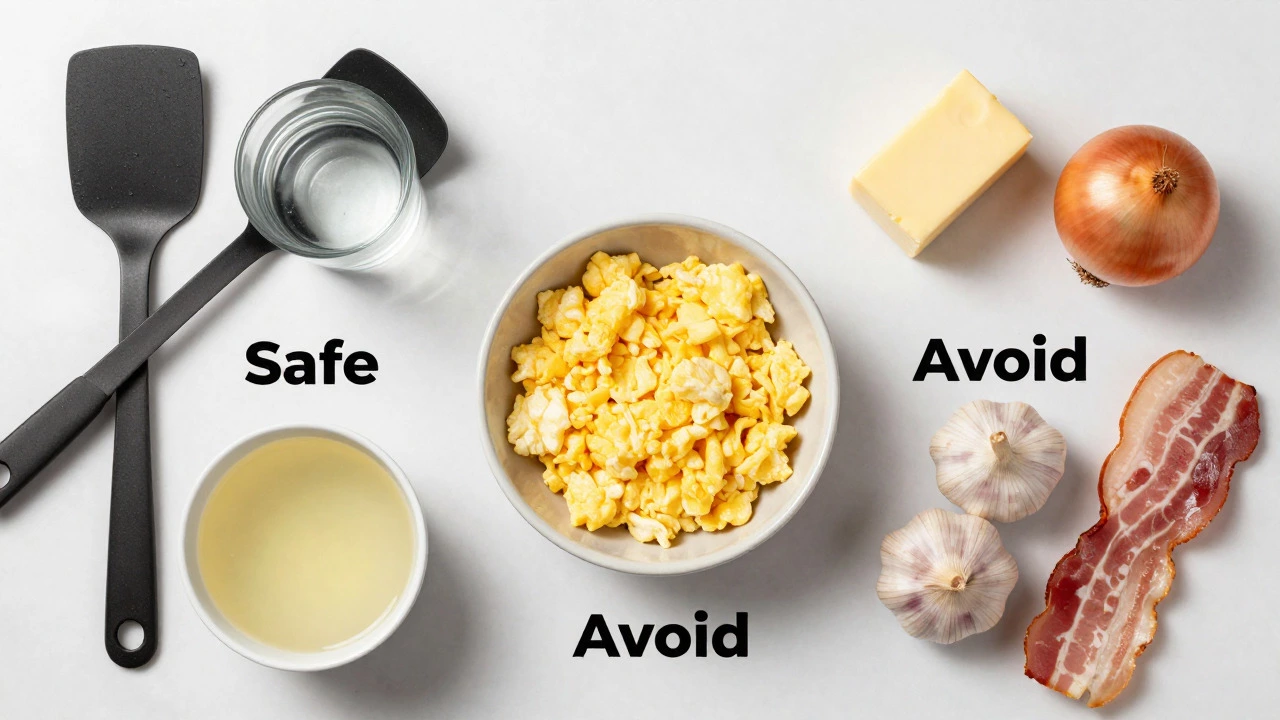
The biggest danger isn’t the egg itself-it’s what you cook it in. Many people reach for butter, oil, bacon grease, or cheese when making scrambled eggs. These additions can trigger pancreatitis in dogs, a painful inflammation of the pancreas caused by high-fat intake. To keep it safe, use a non-stick pan and cook the eggs plain, or use a tiny amount of water or low-sodium broth to scramble them.
Ingredients to Avoid in Dog-Safe Scrambled Eggs
If you’re making a big batch for yourself and want to share, you need to set aside a portion before adding any seasonings. Here are the common breakfast additives that are toxic or unhealthy for dogs:
- Onions and Garlic: These are highly toxic to dogs. Even small amounts can damage red blood cells, leading to anemia. Powdered forms are concentrated and even more dangerous.
- Salt: Excessive sodium can lead to dehydration and kidney strain. Keep it unsalted.
- Butter and Oil: As mentioned, high fat content is risky. Stick to zero-fat cooking methods.
- Cheese: While not toxic, most dogs are lactose intolerant. Cheese can cause gas, bloating, and diarrhea.
- Bacon or Ham: Processed meats are high in salt and preservatives like nitrates, which are bad for long-term health.
A simple rule of thumb: if it tastes too salty or spicy for a child, it’s likely too much for your dog. Plain, cooked eggs are the gold standard.
How Much Is Too Much? Portion Control Guidelines
Treats should make up no more than 10% of your dog’s daily caloric intake. Eggs are calorie-dense, so portion size depends heavily on your dog’s weight and activity level. Feeding too many eggs can lead to obesity or an unbalanced diet if it displaces their regular food.
| Dog Size | Weight Range | Daily Limit | Frequency |
|---|---|---|---|
| Small (e.g., Chihuahua) | Under 10 lbs | 1/4 to 1/2 egg | 2-3 times per week |
| Medium (e.g., Beagle) | 10-25 lbs | 1/2 to 1 whole egg | 2-3 times per week |
| Large (e.g., Labrador) | 25-50 lbs | 1 whole egg | Daily or every other day |
| Giant (e.g., Great Dane) | Over 50 lbs | 1-2 whole eggs | Daily |
Start small. Introduce eggs gradually over a few days to see how your dog’s stomach handles them. Some dogs may experience mild gas initially due to the sulfur content, which is normal. If you notice persistent diarrhea or vomiting, stop feeding eggs and consult your vet.
Serving Suggestions: Making Eggs Palatable
Most dogs love the smell and taste of eggs, but if yours is hesitant, there are ways to make them more appealing. You can mix soft-scrambled eggs into their warm kibble. The heat from the kibble will slightly cook the eggs further and release aromas that entice picky eaters.
Another option is to freeze small portions of scrambled eggs into ice cube trays. These "egg pops" make for refreshing summer treats. Just ensure they are completely cool before freezing. You can also mash the eggs and spread them thinly on a carrot stick for a crunchy, nutritious snack.
For puppies, eggs are particularly beneficial during growth spurts. The protein supports rapid development, and the choline in yolks aids brain function. However, always check with your breeder or vet before introducing new foods to a puppy’s sensitive digestive system.
Potential Allergies and Sensitivities
While egg allergies in dogs are less common than chicken meat allergies, they do exist. Signs of an allergic reaction include itching around the face and paws, ear infections, chronic diarrhea, or hives. If your dog has a history of food sensitivities, introduce eggs cautiously.
Watch for symptoms within 24 hours of the first serving. If no reaction occurs, you can safely include eggs in their rotation. Remember, variety is key in a balanced diet. Don’t rely solely on eggs; rotate with other safe proteins like turkey, beef, or fish to ensure a broad spectrum of nutrients.
Special Dietary Considerations
If your dog has specific health conditions, eggs can still be part of their diet, but adjustments may be needed. For dogs with kidney disease, veterinarians sometimes restrict phosphorus intake. Since eggs contain phosphorus, moderation is critical. Always follow your vet’s prescription diet guidelines.
Conversely, for dogs recovering from surgery or illness, eggs are an easy-to-digest protein source that helps rebuild strength. Their gentle nature on the stomach makes them superior to heavy meats during recovery phases. Just ensure they are fully cooked and served plain.
Can I give my dog raw scrambled eggs?
No, it is best to avoid raw eggs. Raw egg whites contain avidin, which blocks biotin absorption, and raw eggs carry a risk of Salmonella. Cooking the eggs neutralizes these risks while preserving the nutritional value.
Is egg yolk or egg white better for dogs?
Both are beneficial. The white provides lean protein, while the yolk offers healthy fats and vitamins. For most dogs, the whole egg is ideal. If your dog needs to lose weight, you might stick to whites only, but the yolk’s nutrients are valuable for coat and skin health.
How do I know if my dog is allergic to eggs?
Signs include itching, scratching, ear infections, or gastrointestinal upset like vomiting and diarrhea. Introduce eggs slowly and monitor your dog for 24 hours. If symptoms appear, discontinue use and consult your veterinarian.
Can I add milk to my dog's scrambled eggs?
It is better to avoid milk. Most adult dogs are lactose intolerant, and milk can cause gas and diarrhea. Use water or low-sodium chicken broth instead to scramble the eggs if you need liquid.
Are scrambled eggs good for senior dogs?
Yes, they are excellent. Senior dogs often struggle with muscle loss and digestion. Eggs provide easily digestible protein and essential nutrients to support joint health and maintain muscle mass without being too heavy on the stomach.