
Puppy Free Roam Readiness Calculator
Enter Puppy Details
Ready to Check?
Enter your puppy's details and click the button to see their readiness verdict.
There is nothing quite as heartwarming as watching your new puppy finally stretch out across the living room rug, exploring every corner without a leash or crate in sight. It feels like a milestone-a sign that they are growing up and becoming part of the family fabric. But before you unlock the gate and let them run wild, you need to ask yourself: is this actually safe for them right now?
The short answer is that most puppies aren't ready for true free roaming until they are at least six months old, and even then, it’s not just about age-it’s about behavior. Letting a four-month-old pup loose in the house might seem harmless, but it often leads to chewed baseboards, hidden accidents, and frustrated owners who end up putting the dog back in a crate out of necessity rather than choice.
Why Age Alone Doesn’t Determine Readiness
You might think that once a puppy hits a certain month mark, they automatically understand household rules. The reality is much messier. A puppy’s brain is still developing rapidly during their first year. At three months, they are essentially toddlers with teeth. They explore the world by mouthing everything within reach. If you give them access to the whole house, they will find things you didn’t know existed-like the electrical cord behind the sofa or the gap under the fridge where small toys go to die.
Veterinarians and behavioral experts generally agree that physical maturity and mental discipline rarely align perfectly. A six-month-old Labrador has the energy of a sprinter but the impulse control of a distracted child. Until they have mastered basic commands like "leave it," "stay," and "come," free roaming becomes a game of whack-a-mole for you. You spend your day chasing them away from trash cans, stopping them from drinking toilet water, and picking up shredded slippers.
| Age Range | Typical Behavior | Recommended Supervision Level | Free Roam Verdict |
|---|---|---|---|
| 8-16 Weeks | High curiosity, poor bladder control, teething begins | Constant visual supervision or crate/kennel area | No - Too risky |
| 4-6 Months | Increased energy, testing boundaries, separation anxiety peaks | Pen areas (ex-pens) with baby gates; frequent check-ins | Limited - Only in puppy-proofed zones |
| 6-12 Months | Better impulse control, understands basic commands, less destructive | Supervised freedom; gradual expansion of space | Yes - With conditions |
| 12+ Months | Mature judgment, reliable recall, settled routine | Full house access if trained properly | Yes - Full freedom |
The Danger of "Accidental" Housebreaking Setbacks
One of the biggest reasons people rush into free roaming is that they want their puppy to feel comfortable. That’s a noble goal. However, comfort shouldn’t come at the cost of hygiene. Puppies learn to hold their bladders through consistency. When you confine them to a specific area or crate, they naturally avoid soiling their sleeping space because dogs are instinctively clean animals.
Give them the whole house, and suddenly there are dozens of potential "toilet spots." The corner behind the laundry machine? Perfectly hidden. Underneath the dining table? Out of sight. If your puppy starts having accidents again after being house-trained, it’s usually because they were given too much space too soon. They haven’t regressed; they’ve just found a better hiding spot. This creates a cycle where you punish them for something they couldn’t physically prevent, damaging trust and slowing down progress.
Puppy-Proofing: The Non-Negotiable Foundation
If you decide to start introducing free roaming earlier than six months, you must treat your home like a construction zone. Puppy-proofing isn’t just about moving plants out of reach; it’s about eliminating every possible hazard. Start by getting down on your hands and knees. Look at your floor level. What do you see?
- Electrical cords: These are the number one danger. Use cord covers or bitter apple spray to deter chewing. A single bite can cause severe burns or electrocution.
- Small objects: Coins, rubber bands, hair ties, and children’s toys can be swallowed. Puppies don’t understand choking hazards; they just see interesting textures.
- Toxic substances: Cleaners, medications, and certain houseplants (like lilies or poisons ivy) must be locked away or removed entirely.
- Furniture gaps: Check behind sofas and beds. Puppies love tight spaces, but they can get stuck or injure themselves trying to squeeze through.
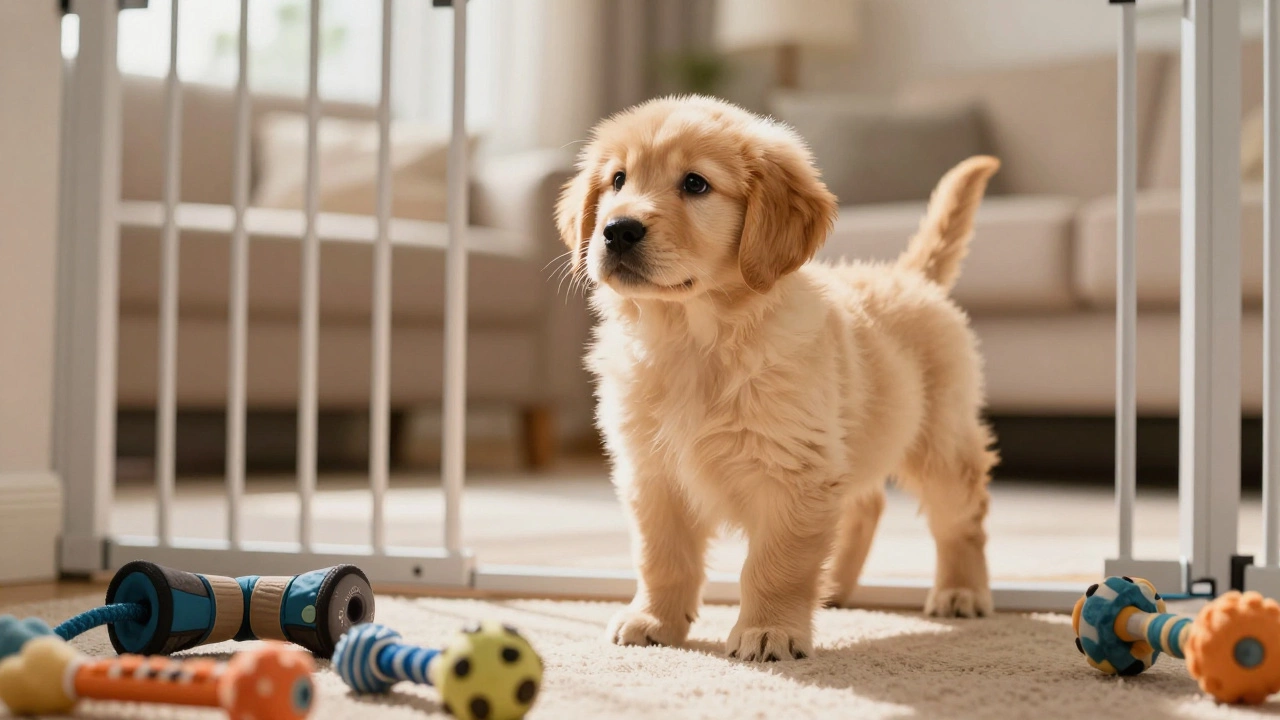
Once the physical dangers are gone, consider using baby gates to create "safe zones." Instead of giving them the entire house, give them the kitchen and living room. This allows them to move freely while keeping them away from high-risk areas like the bathroom or study. As they prove they can handle these spaces responsibly, you gradually expand their territory.
Teaching Impulse Control Before Freedom
Freedom without discipline is chaos. Before you open the door to the rest of the house, your puppy needs to understand that they don’t own the place-you do. This doesn’t mean harsh training; it means clear communication. Start with simple exercises. Ask your puppy to sit before you open the front door. Wait for them to settle before letting them off the couch. Reward calm behavior with treats and praise.
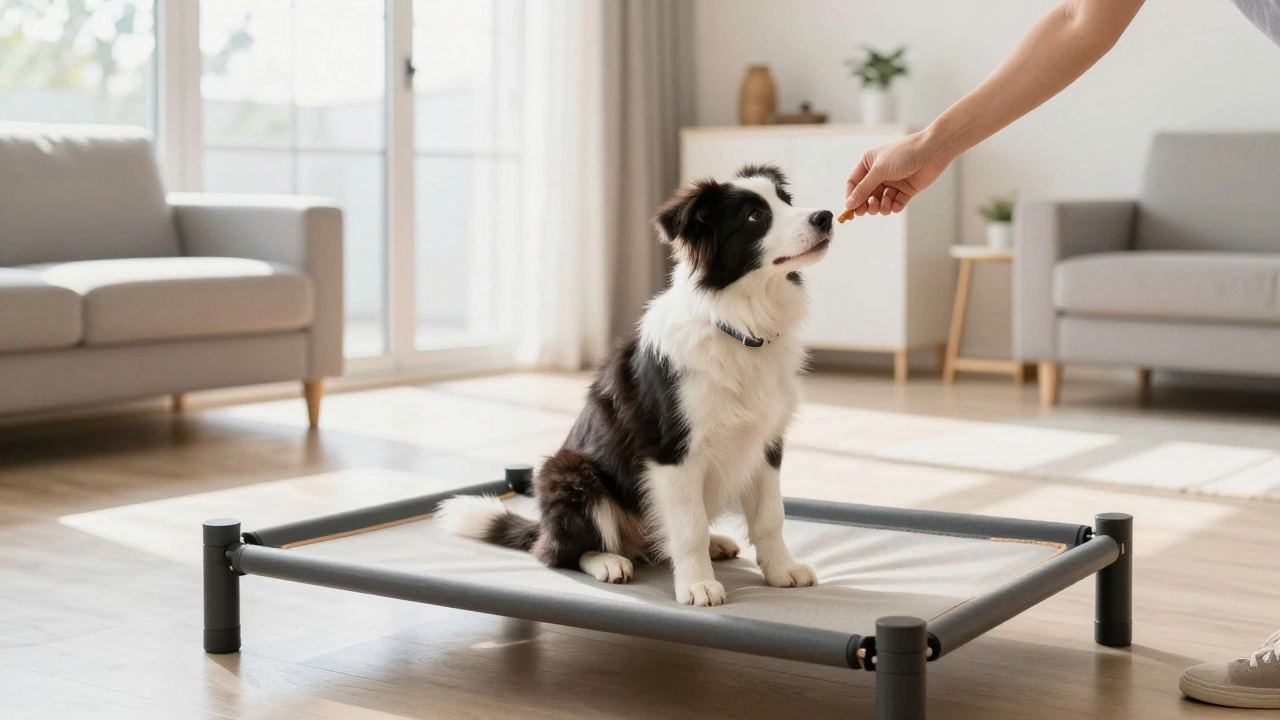
A useful technique is the "place" command. Teach your puppy to go to a specific mat or bed when you say "place." Once they can stay there for five minutes while you walk around the room, you’ve built a foundation for self-control. This skill is crucial for free roaming because it gives you a way to manage their energy without resorting to confinement. If they start jumping on guests or stealing food, you can redirect them to their "place" instead of yelling or grabbing them.
The Role of Mental Stimulation
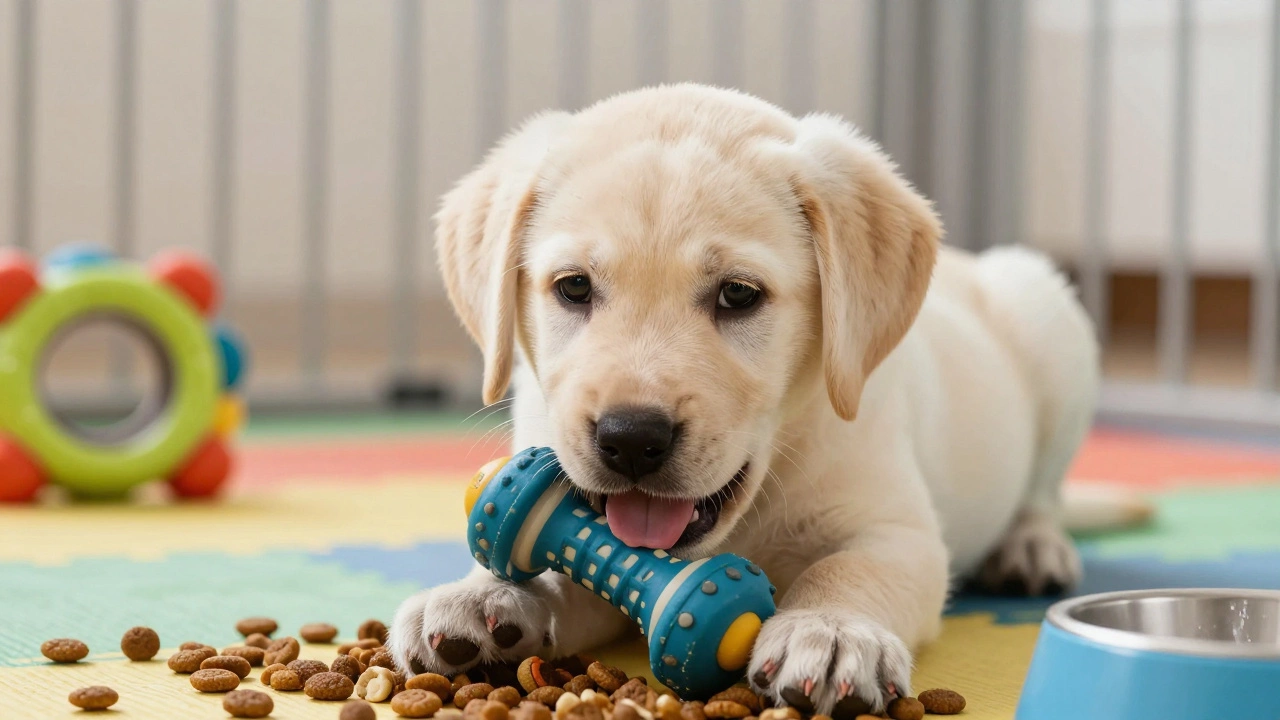
A bored puppy is a destructive puppy. Many owners mistake boredom for bad behavior. Your puppy isn’t trying to spite you by chewing your favorite sneakers; they’re trying to entertain themselves. Free roaming amplifies this problem because there are more distractions and fewer structured activities.
Incorporate puzzle toys and snuffle mats into their daily routine. These tools engage their brains and satisfy their natural foraging instincts. Spend 15 minutes a day playing interactive games like fetch or tug-of-war. Physical exercise is important, but mental exercise is even more tiring for a young dog. A mentally exhausted puppy is more likely to nap peacefully in the living room than investigate the contents of the recycling bin.
When to Step Back and Reassess
Sometimes, despite your best efforts, free roaming doesn’t work. Maybe your puppy has high anxiety. Maybe they have a medical issue causing frequent urination. Maybe you work long hours and can’t supervise them adequately. In these cases, stepping back isn’t failure-it’s responsibility.
Return to using a crate or pen for part of the day. Consult with a veterinarian to rule out health issues. Consider hiring a professional trainer to address behavioral problems. Remember, the goal isn’t just to let your puppy run free; it’s to build a relationship based on trust and safety. Rushing the process can lead to resentment on both sides. Take your time. Celebrate small victories. And always prioritize their well-being over convenience.
Final Thoughts on Building Trust
Allowing your puppy to free roam is a privilege earned through patience and training. It’s not a right granted by age alone. By focusing on puppy-proofing, impulse control, and mental stimulation, you create an environment where your dog can thrive safely. Watch their body language. Listen to their cues. Adjust your approach as they grow. The result will be a confident, happy companion who respects your home-and earns your trust every single day.
Can I leave my puppy alone in the house at 4 months old?
No, it is generally not recommended to leave a 4-month-old puppy alone in the entire house. At this age, they lack bladder control and impulse management. They should be confined to a puppy-proofed area or crate when unsupervised to prevent accidents and destructive behavior.
How do I know if my puppy is ready for free roaming?
Your puppy is likely ready if they reliably respond to commands like "leave it" and "come," have been fully house-trained for at least a few weeks, and show no interest in chewing inappropriate items. Most puppies reach this stage between 6 to 12 months of age.
What are the risks of letting a puppy roam free too early?
Risks include ingestion of toxic objects, electrical shock from chewed cords, regression in house-training due to hidden accident spots, and damage to furniture or belongings. Early free roaming can also reinforce bad habits that are hard to break later.
Should I use a crate if my puppy is free roaming?
Yes, crates remain useful even for older puppies. Use the crate for nighttime sleep and times when you cannot supervise them. During the day, allow supervised free roaming in safe areas. This balance helps maintain structure while providing freedom.
How long does it take to puppy-proof a home?
A thorough puppy-proofing session typically takes 2-4 hours initially. However, it is an ongoing process. Regularly check for new hazards as your puppy grows and discovers new areas. Reassess your home every few months to ensure continued safety.