
Puppy Toy Safety & Fit Checker
Fill in your puppy and toy details, then press Check Toy Safety.
Walking into a pet store with an 8-week-old puppy is overwhelming. You see hundreds of options, from squeaky rubber balls to complex puzzle feeders. But here’s the truth: most of those toys are too hard, too big, or just confusing for a dog that is barely walking straight. At eight weeks, your puppy is in a critical developmental window. Their teeth are coming in, their brain is wiring up social skills, and their attention span is roughly the length of a TikTok video.
You don’t need expensive gadgets. You need specific types of textures and sizes that match their current physical reality. Getting this wrong can lead to frustration, broken baby teeth, or a puppy who thinks toys are boring. Let’s break down exactly what works for this specific age group and why.
The Teething Factor: Why Texture Matters More Than Brand
At eight weeks, your puppy is likely losing their deciduous (baby) teeth and growing their permanent ones. This process causes significant discomfort. When you see them gnawing on furniture, it’s not because they hate you; it’s because they need pressure relief on their gums. The best puppy toys at this stage act like gum massagers.
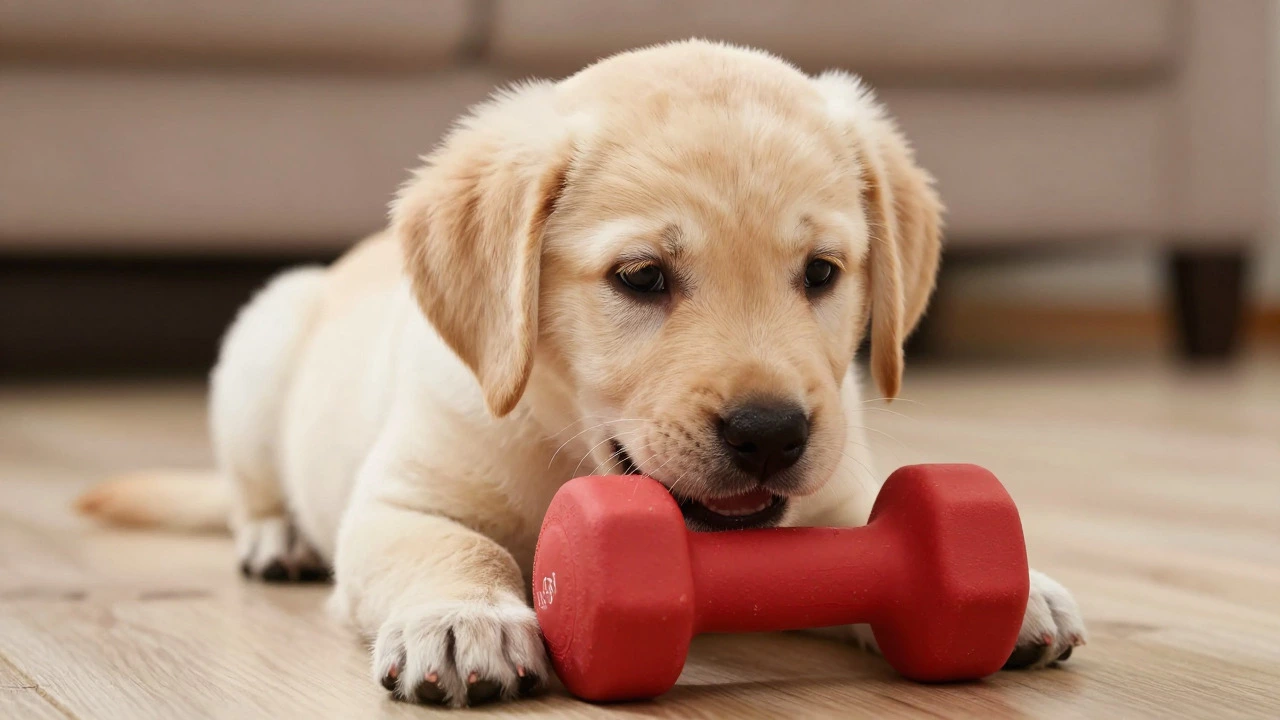
Look for materials that yield slightly under bite pressure but aren’t so soft they shred instantly. Natural rubber is a standout choice here. It has a slight give that soothes inflamed gums without being tough enough to crack a developing tooth. Avoid hard plastic or dense nylon bones at this stage. A hard bone can shatter if a puppy bites down too aggressively, creating sharp shards that pose a choking hazard. Stick to single-density, flexible materials that bend when squeezed.
Size and Shape: Avoiding Choking Hazards
This is where many owners make mistakes. They buy "adult" sized toys because they look cute. Don't. An 8-week-old puppy has a small mouth and weak jaw muscles. If a toy fits entirely inside their mouth, it’s a potential choke risk, especially if it has detachable parts like squeakers.
Here is a simple rule of thumb: the toy should be no longer than the distance from your puppy’s nose to the tip of their tail. For a small breed puppy, that might be a 4-inch soft ball. For a large breed, maybe 6 inches. Also, avoid toys with long, thin strings or ribbons that can wrap around the throat. Keep shapes simple-balls, dumbbells, and rings work best. Complex shapes with holes can trap food or get stuck in the throat if the puppy gets excited and swallows part of it.
Interactive Play: Building the Bond
Toys aren't just for chewing; they are tools for socialization. At eight weeks, your puppy is learning how to interact with humans and other dogs. Interactive play helps build confidence and reduces separation anxiety later on. However, "interactive" doesn't mean high-tech. It means you are involved.
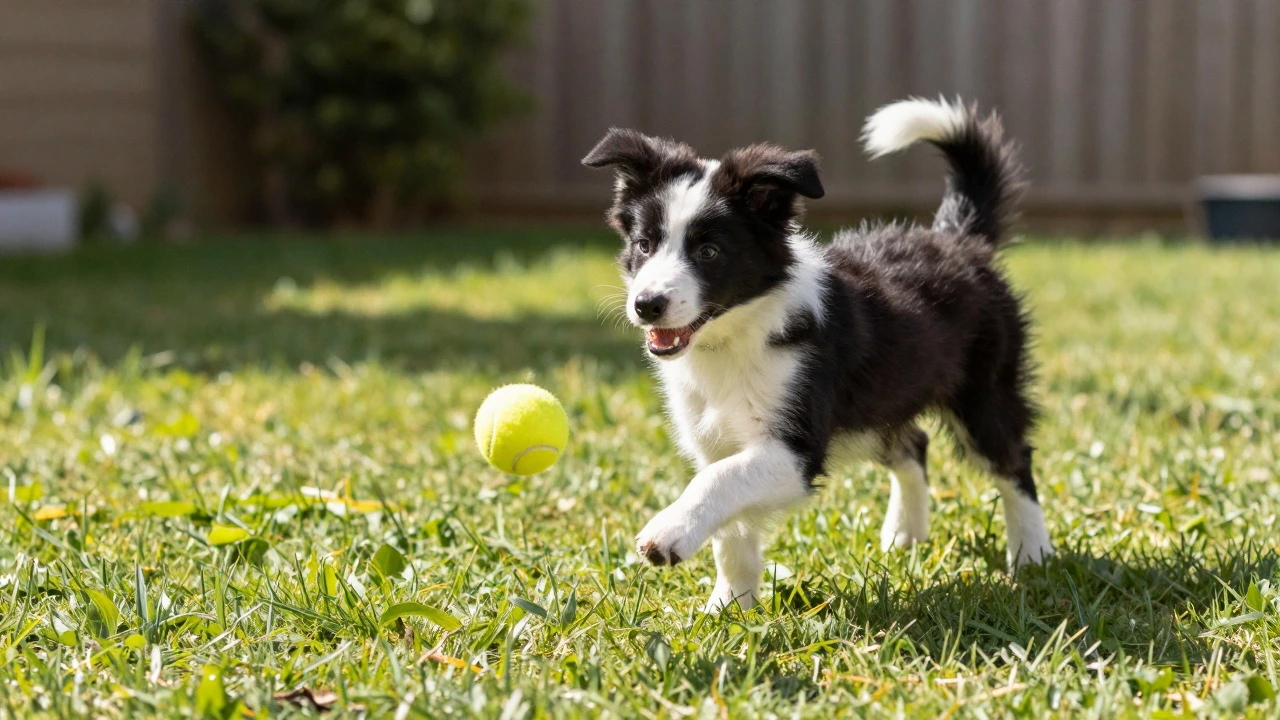
Simple tug-of-war games using a soft rope toy are excellent. Tug teaches impulse control and builds trust. Just keep sessions short-5 to 10 minutes max. If the puppy loses interest, stop. Pushing past their limit teaches them that play is stressful. Similarly, fetch is great, but use soft balls. Hard tennis balls can damage their enamel and are often too bouncy for a clumsy 8-week-old to track consistently. Soft foam balls are lighter, easier to catch, and safer for their mouths.
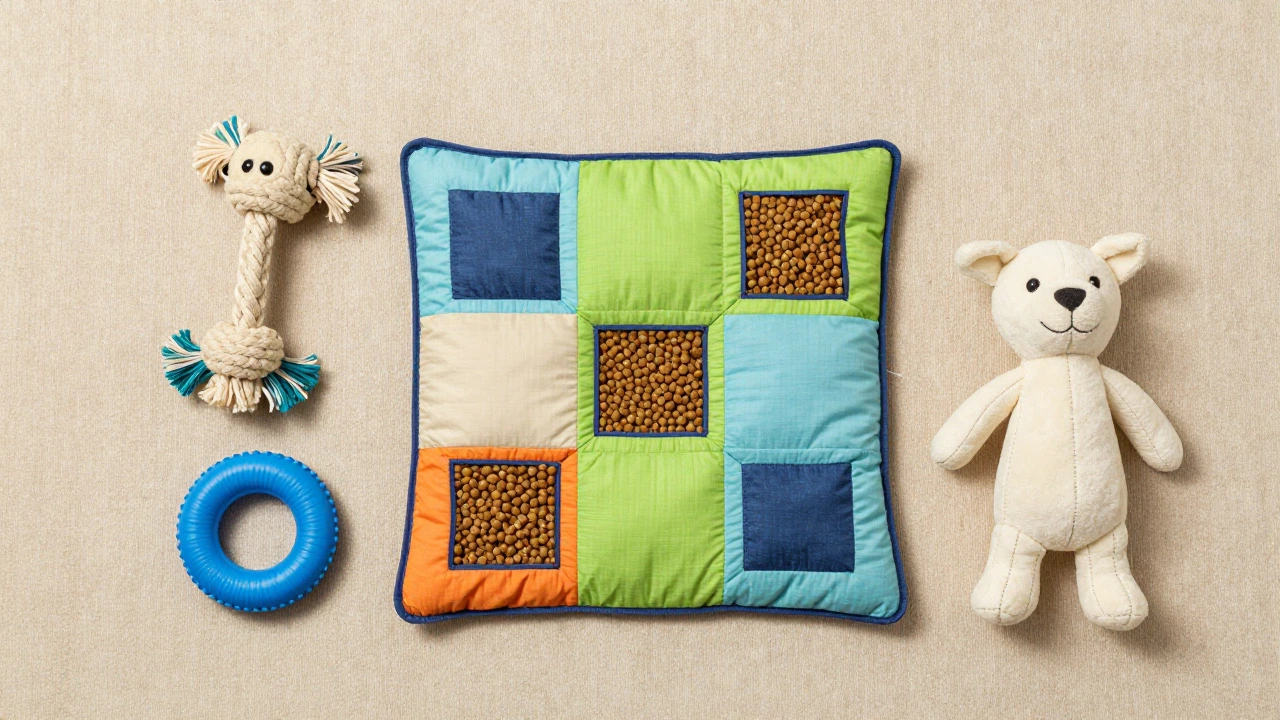
Another underrated option is the snuffle mat. These are fabric mats with hidden pockets where you tuck kibble. It engages their nose, which is their primary sense. Sniffing is calming for dogs, and finding food in a mat provides mental stimulation without the physical exhaustion of running around. This is particularly useful for high-energy breeds like Border Collies or Labradors who burn out quickly but still need brain engagement.
What to Avoid: The Danger Zones
Not all toys are created equal, and some are actively dangerous for young puppies. Here is a quick list of things to keep away from your 8-week-old:
- Squeaky Toys with Hard Shells: The squeaker itself isn't the problem, but the hard plastic casing often is. If the shell cracks, the sharp edges can cut gums or tongue.
- Rawhide and Antlers: These are for adult dogs with strong jaws. For a puppy, rawhide can swell in the stomach and cause blockages. Antlers can splinter unpredictably.
- Stuffed Animals with Loose Filling: Puppies love to destroy stuffed animals. If the filling comes loose, it becomes a gastrointestinal obstruction risk. Check seams daily.
- Large Rope Toys: While ropes are good for adults, long strands can get tangled around the neck or swallowed, leading to intestinal issues.
Comparison: Common Toy Types for 8-Week-Olds
To help you choose, here is a breakdown of the most common toy categories and their suitability for an 8-week-old puppy.
| Toy Type | Primary Benefit | Risk Level | Recommendation |
|---|---|---|---|
| Soft Rubber Dumbbells | Gum massage, easy grip | Low | Highly Recommended |
| Foam Fetch Balls | Lightweight, safe for mouth | Low | Recommended |
| Snuffle Mats | Mental stimulation, calming | Very Low | Recommended |
| Hard Plastic Bones | Durability | High | Avoid |
| Small Squeaky Plush | Entertainment | Medium | Use with Supervision |
Rotating Toys to Maintain Interest
Puppies have short memories. A toy that was exciting yesterday might be ignored today. This isn't boredom; it's normal canine behavior. To keep playtime fresh, rotate your toys. Buy three or four different types (e.g., one rubber chew, one foam ball, one snuffle mat, one soft rope). Only leave one or two out at a time. Store the others in a bin.
When you swap them out, the "new