

Dog Cheese Safety Checker
Not sure if you can share that cheddar? Select the cheese type and your dog's profile to get an instant safety verdict.
Select options and click "Check Safety" to see results.
You’re halfway through a movie, the popcorn bowl is empty, and your dog is staring at you with those big, pleading eyes. You’ve got a block of cheddar on the counter. It’s tempting to toss them a cube. But before you do, you need to know: can dogs have cheese? The short answer is yes, but with a massive asterisk. Cheese isn’t toxic to dogs like chocolate or grapes are, but it’s not exactly health food either. It’s high in fat, often loaded with salt, and many dogs can’t actually digest it properly. If you get it wrong, you’re trading a happy tail wag for a night of gas, diarrhea, or worse.
The Lactose Problem: Why Your Dog Might Not Like Cheese Back
Here’s the thing about dairy: humans are weirdly good at digesting it as adults. Most other mammals, including dogs, lose the ability to break down lactose after they stop nursing. This condition is called lactose intolerance, which is the inability to fully digest the sugar (lactose) in milk due to insufficient production of the enzyme lactase. When a lactose-intolerant dog eats cheese, that sugar ferments in their gut. The result? Bloating, gas, and loose stools. It’s uncomfortable for them and messy for you.
Not every dog reacts this way. Some have just enough residual lactase to handle a tiny crumb of parmesan without issue. Others will throw up if they eat a slice of mozzarella. How do you know where your dog falls on the spectrum? Start small. Give them a piece no bigger than a pea. Wait 24 hours. If there’s no bathroom disaster, you’re probably okay to continue with caution. If they’re gassy or have an upset stomach, cut out dairy entirely. There are plenty of other treats that won’t make your living room smell like a barnyard.
Which Cheeses Are Actually Safe?
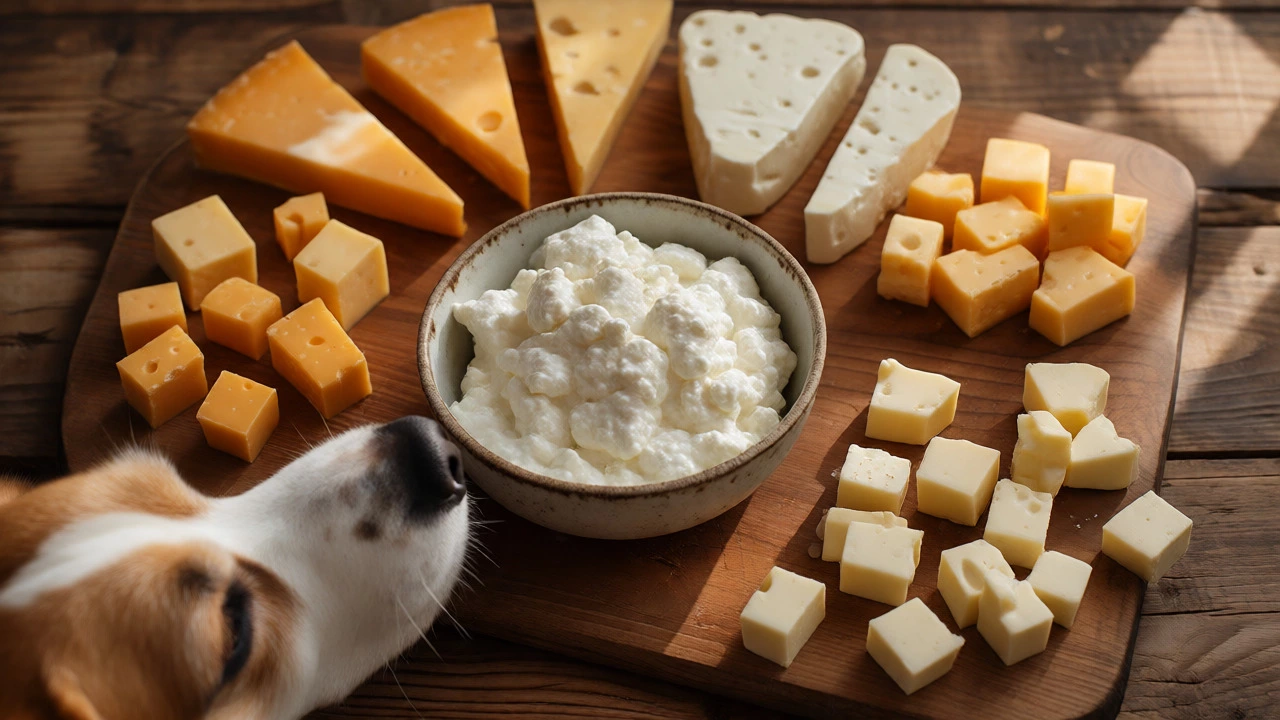
Not all cheeses are created equal. If you’re going to share, pick wisely. You want low-fat, low-sodium options that are easier on the digestive system. Harder, aged cheeses generally have less lactose because the fermentation process breaks most of it down. Soft, fresh cheeses are usually higher in lactose and fat, making them riskier bets.
| Cheese Type | Lactose Level | Fat Content | Verdict |
|---|---|---|---|
| Cottage Cheese | Low | Low to Medium | Best option. High protein, easy to digest. |
| Cheddar | Low (if aged) | High | Okay in moderation. Watch the calories. |
| Mozzarella | Medium | Medium | Acceptable occasionally. Choose part-skim. |
| Blue Cheese | Low | High | Risky. Contains roquefortine C, which can be toxic in large amounts. |
| Cream Cheese | Medium | Very High | Poor choice. Too fatty, little nutritional value. |
Cottage cheese is widely considered the safest bet. It’s packed with protein, which helps build muscle, and it has significantly less lactose than soft cheeses like brie or camembert. Plus, its mild flavor doesn’t overpower the rest of their diet. Just make sure it’s plain. No garlic, onion, or herb mixes-those ingredients are toxic to dogs.
The Hidden Dangers: Salt, Fat, and Additives
Even if your dog tolerates lactose, cheese brings two other problems to the table: sodium and fat. A single ounce of cheddar can contain over 180mg of sodium. For a small dog, that’s a huge chunk of their daily allowance. Excess salt leads to increased thirst and urination, and in severe cases, sodium ion poisoning. Symptoms include vomiting, diarrhea, tremors, and seizures. If your dog has kidney issues or heart disease, salt is a major concern. Always check the label. If it says "low sodium," great. If it doesn’t, assume it’s salty.
Then there’s the fat. Cheese is calorie-dense. A few cubes might seem harmless, but they add up quickly. Obesity is one of the biggest health risks for modern pets, contributing to joint pain, diabetes, and reduced lifespan. If you’re using cheese as a training treat, you need to account for those calories. Cut back on their regular kibble slightly or use smaller pieces. Think of cheese as a dessert, not a meal staple.
Beware of flavored varieties too. Garlic bread cheese? Bad idea. Onion powder? Toxic. Herbs de Provence blends? Potentially problematic. Stick to plain, unflavored blocks. Processed cheese slices often contain preservatives and additives like cornstarch or artificial colors that offer zero benefit to your dog. If it comes in plastic packaging and lasts forever in the fridge, it’s probably not ideal for Fido.
How Much Is Too Much?
Portion control is everything. A Great Dane can handle a bit more than a Chihuahua, obviously. As a general rule, treats-including cheese-should make up no more than 10% of your dog’s daily caloric intake. So, if your dog needs 500 calories a day, they should only get 50 calories from extras. That’s roughly one small cube of cheddar or two teaspoons of cottage cheese. Don’t free-feed cheese. Measure it out.
Consider your dog’s size and activity level. An active Border Collie who runs five miles a day burns off that extra fat faster than a sedentary Bulldog. Adjust accordingly. If you notice weight gain, cut the cheese portions in half. If your dog starts scratching excessively or developing skin issues, it could be a sign of food sensitivity triggered by the dairy proteins. Eliminate cheese for a month and see if things improve.
When Cheese Becomes a Medical Issue
Some dogs shouldn’t touch cheese at all. If your pet has a history of pancreatitis-inflammation of the pancreas caused by high-fat foods-cheese is a trigger. Pancreatitis is painful and can be life-threatening. Even a small amount of rich, fatty cheese can send a susceptible dog into crisis. Signs include a hunched posture, vomiting, and abdominal tenderness. If your vet has put your dog on a low-fat diet, cheese is off the menu. Period.
Dogs with obesity or those prone to gallstones also need to avoid high-fat snacks. Gallbladder sludge and stones are increasingly common in overweight pets. Feeding fatty human scraps exacerbates the problem. Instead, opt for low-calorie alternatives like green beans, carrots, or apple slices (without seeds). These provide crunch and sweetness without the digestive drama.
Creative Ways to Serve Cheese Safely
If you decide to give your dog cheese, make it work harder for you. Don’t just hand over a cube. Use it strategically. Stuff a small piece inside a Kong toy and freeze it. This turns a quick snack into a long-lasting activity that keeps your dog busy and mentally stimulated. The cold texture also soothes teething puppies or anxious dogs.
You can also crumble hard cheese over their regular kibble. This adds flavor to bland food, encouraging picky eaters to finish their meals. It’s a cheap trick that works wonders. Just ensure the crumbs are tiny so they don’t choke. For training sessions, cut mozzarella string cheese into pea-sized bits. They’re uniform, easy to handle, and less greasy than other types, keeping your hands cleaner during rapid-fire reward cycles.
Is blue cheese toxic to dogs?
Blue cheese contains roquefortine C, a mycotoxin produced by mold. While small amounts are rarely fatal, large quantities can cause vomiting, diarrhea, and tremors. It’s best to avoid blue cheese entirely due to the risk and high fat content.
Can puppies eat cheese?
Puppies can eat cheese, but they are more sensitive to dietary changes. Their digestive systems are still developing. Introduce cheese very slowly and in tiny amounts. Avoid high-fat cheeses as puppies are prone to digestive upset. Cottage cheese is usually the safest start.
What if my dog ate a whole block of cheese?
Don’t panic immediately. Monitor your dog closely for 24 hours. Expect some gastrointestinal distress like gas or diarrhea. Ensure they have plenty of water. If they vomit repeatedly, show signs of pain, or refuse to eat, contact your veterinarian. Pancreatitis is a risk if the cheese was high-fat.
Is goat cheese better than cow’s milk cheese for dogs?
Goat cheese is often easier to digest for dogs because it contains different proteins and fats than cow’s milk cheese. However, it is still high in fat and salt. It’s a good alternative for dogs with mild sensitivities to cow’s milk, but portion control remains essential.
Why does my dog love cheese so much?
Dogs are scavengers and are attracted to strong smells and high-fat foods. Cheese is aromatic, savory, and rich in umami flavors. Evolutionarily, high-calorie foods were prized, so dogs are wired to seek them out. It’s not necessarily healthy, but it’s highly rewarding to them.