
Dog Separation Anxiety & Holiday Prep Checker
Answer the questions below to determine if your dog suffers from true separation anxiety or just misses you. Then, check off the steps you have already completed to see your readiness score.
Complete the assessment to see results.
Check off the steps you have completed to calculate your "Holiday Readiness Score".
Holiday Readiness:
You leave the house for ten minutes to grab the mail, and when you return, your dog acts like you’ve been gone for a decade. They’re pacing, whining, or staring at the door with intense devotion. It’s easy to feel guilty, especially if you’re planning a vacation. But does your dog actually think you’re never coming back? Or is it just dramatic flair?
The short answer is no. Your dog doesn’t possess the cognitive capacity to conceptualize "forever" in the way humans do. However, they absolutely understand absence, routine disruption, and emotional cues. If you’re heading out for dog friendly holidays, understanding what’s happening in their brain can help you prepare both of you for a smoother separation.
The Myth of Time Perception
Dogs live in the present moment. They don’t have an episodic memory that allows them to recall specific past events or project into the future with precision. When you leave, they don’t sit down and calculate, "She’ll be back in three days." Instead, they react to the immediate change in their environment. The scent trail fades, the sounds of your footsteps disappear, and the routine breaks. This triggers a stress response, not necessarily because they fear permanent abandonment, but because their world has suddenly shifted without warning.
Research suggests that dogs rely heavily on circadian rhythms and environmental cues. They know when breakfast happens, when the sun hits the kitchen floor, and when you usually come home from work. If you break this pattern by leaving for a week, their internal clock gets confused. This confusion often manifests as anxiety, which looks like panic but is more accurately described as uncertainty.
Separation Anxiety vs. Normal Boredom
It’s crucial to distinguish between a dog who misses you and a dog suffering from genuine separation anxiety. Many owners conflate the two, leading to unnecessary guilt or incorrect treatment plans.
| Behavior | Normal Boredom/Missing Owner | Separation Anxiety |
|---|---|---|
| Vocalization | Intermittent barking or whining; stops when distracted. | Persistent howling or barking; often starts within minutes of departure. |
| Destruction | Chews toys or safe items; limited damage. | Destructive behavior focused on exit points (doors/windows); risk of self-injury. |
| Toileting | Accidents rare unless puppy or elderly. | Inappropriate elimination despite being house-trained. |
| Greeting | Excited but settles quickly. | Overly frantic greeting; may urinate submissively; hard to calm down. |
If your dog falls into the right-hand column, they aren’t thinking about your return date-they are experiencing a physiological panic attack. Their heart rate spikes, cortisol levels rise, and they enter a state of hyper-arousal. In these cases, leaving them alone for a long holiday requires more than just a sitter; it might need behavioral modification or medication.
How Dogs Process Your Departure
Dogs are experts at reading human body language. Long before you pick up your keys, they notice subtle changes. You might pack a bag, change your clothes, or alter your tone of voice. These actions become conditioned stimuli. Over time, your dog learns that "suitcase means owner leaves." This association is powerful. Some dogs will start pacing the moment you unzip a duffel bag, even if you’re just going to the basement.
This predictive ability is why gradual desensitization works so well. If you want to reduce the stress of your upcoming trip, start picking up your keys, putting them down, and sitting on the couch. Do this repeatedly until the dog stops reacting. Then, walk to the door, open it, and close it without leaving. Next, step outside for thirty seconds. By decoupling the cue from the consequence, you teach your dog that your movements don’t always predict a long absence.
Preparing for Longer Absences: The Holiday Factor
Holidays disrupt routines significantly. If you’re traveling, your dog might stay home with a sitter, go to boarding, or join you. Each option carries different psychological impacts.
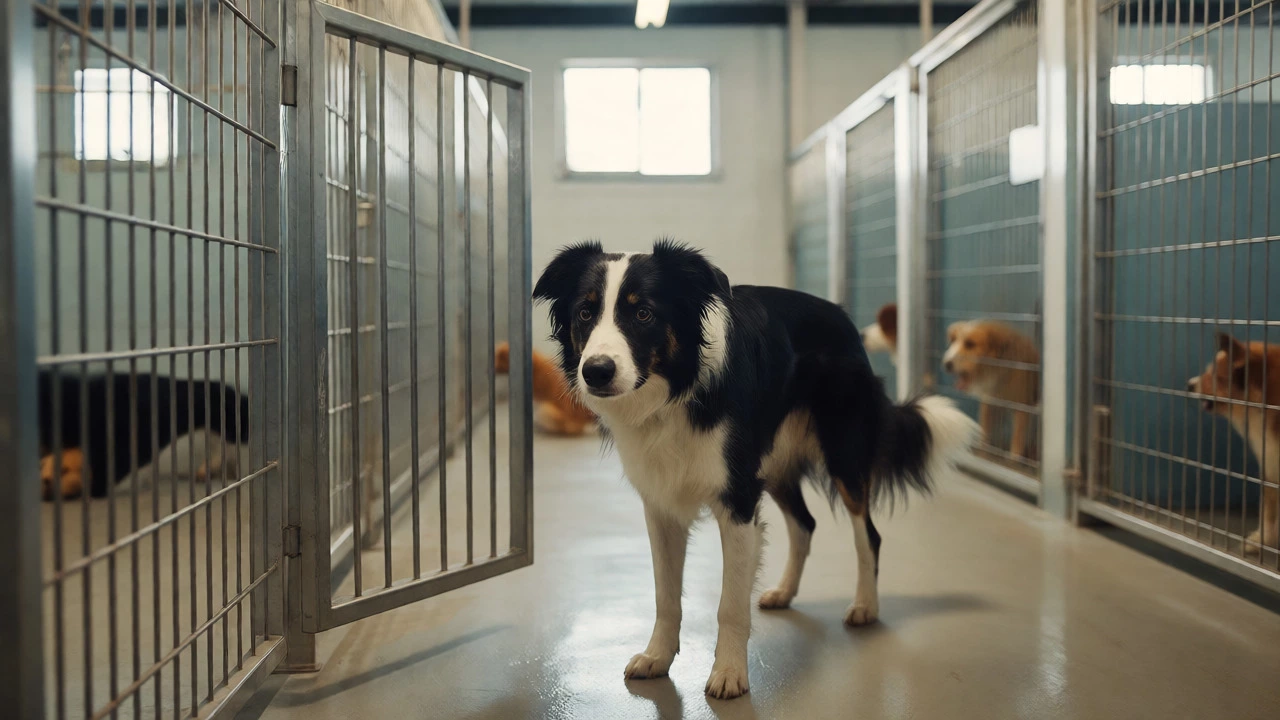
Dog Boarding Facilities offer social interaction and professional care, but they expose dogs to unfamiliar smells, sounds, and other animals. For a confident dog, this might be fun. For an anxious one, it can be overwhelming. A study published in Applied Animal Behaviour Science found that dogs in kennels showed elevated stress markers compared to those staying at home, primarily due to the lack of familiar sensory input.
If you choose a sitter, consistency is key. Have the sitter visit multiple times before you leave. Let them feed your dog, walk them, and sleep over if possible. This builds trust and ensures the dog associates the new person with positive outcomes rather than just seeing a stranger take over territory.
The Role of Scent and Sound
Dogs navigate the world through their noses. Your scent is their primary source of comfort. When you leave, that scent begins to dissipate. This fading olfactory map contributes to their sense of loss. Interestingly, some studies suggest that providing a worn t-shirt with your smell can lower heart rates in shelter dogs during stressful periods. While not a cure-all, it provides a tangible link to their trusted human.
Sound also plays a role. Silence can be terrifying for a dog used to background noise. Leaving a radio on classical music or audiobooks has been shown to reduce barking and pacing in many dogs. The goal isn’t entertainment; it’s masking the eerie quiet that amplifies every creak and groan of the house.
Practical Steps Before You Fly
You don’t need to make a big production of leaving. In fact, making a fuss reinforces the idea that something unusual is happening. Here is a checklist to keep things normal:
- Maintain Routine: Feed, walk, and play at the usual times. Don’t give extra treats or affection right before you leave, as this signals a special occasion.
- Exercise First: A tired dog is a calmer dog. Take them for a long walk or engage in mental stimulation (like puzzle toys) an hour before departure.
- Low-Key Exit: Ignore your dog for 15 minutes before you leave. Walk out calmly without saying goodbye. Return calmly without greeting them immediately.
- Leave Enrichment: Provide a frozen Kong stuffed with peanut butter or a durable chew toy. Licking and chewing release endorphins that soothe anxiety.
What Happens When You Return?
This is where most owners accidentally reinforce anxiety. If you rush in, hug them tightly, and say, "Oh, did you miss me? I’m sorry!" you validate their distress. You tell them, "Yes, this was a terrible event, and now we are celebrating survival." Instead, wait until they are calm. Once they settle, then greet them warmly. This teaches them that your return is normal, not an emergency.
Remember, your dog isn’t holding a grudge. They aren’t keeping score of how many hours you were gone. They are simply adjusting to the reality of your presence again. With patience and consistent preparation, you can ensure that your next holiday doesn’t result in a destroyed sofa or a traumatized pup.
Do dogs remember their owners after a long time?
Yes, dogs have excellent associative memories. They recognize owners by scent and sound almost instantly, regardless of how long they’ve been apart. Studies show that dogs can recognize their owners' voices and scents even after years of separation, triggering positive neural responses similar to those seen in human reunions.
Is it better to board my dog or leave them at home?
For most dogs, staying at home with a familiar sitter is less stressful than boarding. Home environments provide familiar smells, sounds, and sleeping spots. Boarding introduces unknown variables that can trigger anxiety. However, highly social dogs who enjoy playing with others might thrive in a reputable daycare-style boarding facility.
Why does my dog pee when I come home?
This is often submissive urination, common in puppies and shy dogs. It’s an involuntary reflex triggered by excitement or stress, not a lack of training. To manage it, avoid direct eye contact and high-pitched greetings upon arrival. Wait for the dog to calm down before interacting, and reward calm behavior instead of excited jumping.
Can CBD oil help my dog with separation anxiety?
Many pet owners report success using CBD products to calm anxious dogs. While research is still emerging, anecdotal evidence and some preliminary studies suggest it may help reduce stress behaviors. Always consult your veterinarian before starting any supplement to determine the correct dosage and ensure it doesn’t interact with other medications.
How far in advance should I introduce a pet sitter?
Start introducing the sitter at least two weeks before your trip. Have them visit several times to feed, walk, and play with your dog while you are present. Gradually increase the duration of their visits until they are comfortable staying alone with the dog. This helps build trust and reduces the shock of a stranger taking over.