
Dog Sleeping Surface Advisor
Not sure if your dog needs that expensive orthopedic bed? Answer these questions to get a personalized recommendation.
Recommendation:
Risk LevelWhy?
Suggested Solution
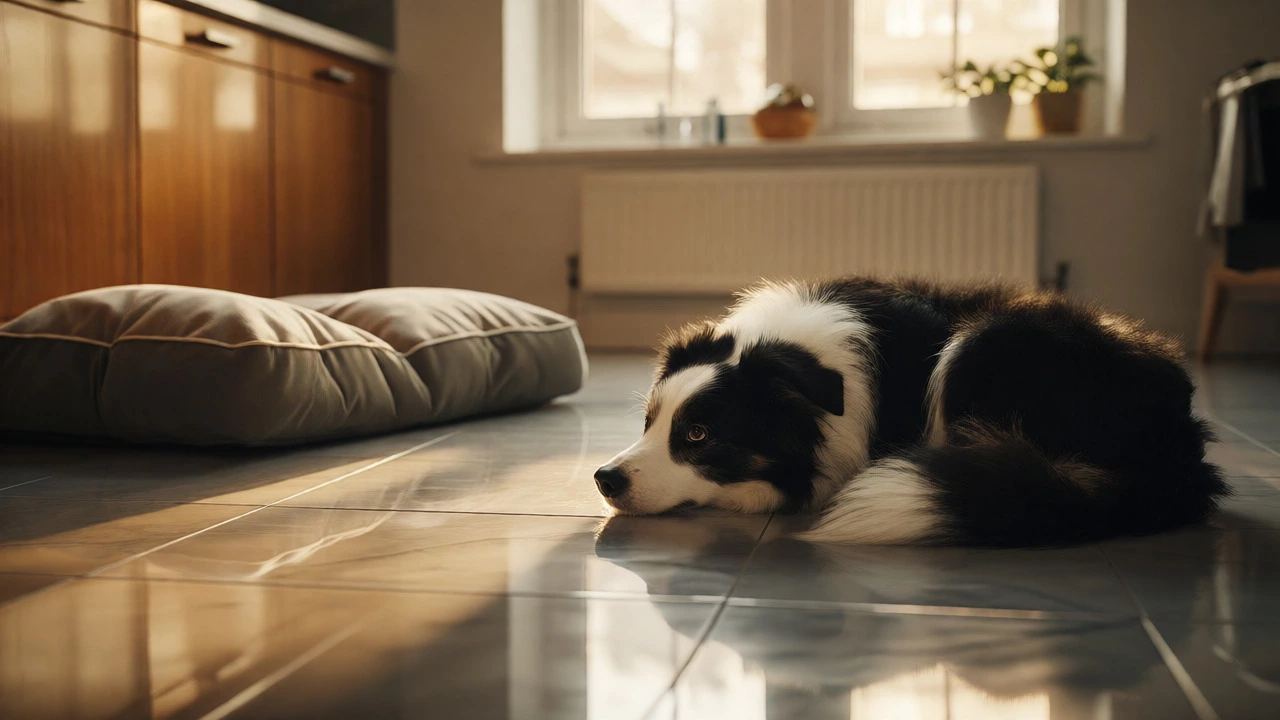
You walk into the living room and find your dog curled up on the cold kitchen tiles, ignoring the plush memory foam mattress you bought last week. It’s frustrating, right? You spent good money on that orthopedic support, only to have it treated like a decorative rug. But here is the million-dollar question: can dogs sleep without a bed? The short answer is yes, absolutely. In fact, many dogs prefer hard surfaces over soft ones. However, whether they *should* depends entirely on their age, breed, joint health, and where they are sleeping.
As a pet owner in Dublin, I’ve seen everything from Greyhounds shivering on hardwood floors to stubborn Terriers refusing anything but the carpet. The idea that every dog needs a dedicated bed is largely a human construct driven by marketing, not biological necessity. Wolves and wild canids don’t buy mattresses; they dig dens or find shelter. But our domestic lives are different. We have central heating, hard flooring, and specific health risks that wild dogs didn’t face. So, before you throw out that expensive bed or feel guilty about letting your pup sleep on the floor, let’s look at what actually matters for your dog’s well-being.
The Biological Reality of Dog Sleep
Dogs are crepuscular animals, meaning they are most active at dawn and dusk, but they spend roughly 12 to 14 hours a day sleeping. Unlike humans, who typically sleep in one long block, dogs take multiple naps throughout the day. This fragmented sleep pattern means they don’t need deep, pressure-relieving support for eight straight hours in the same way we do. Their muscles relax differently, and their skeletal structure allows them to curl into tight balls (the classic "donut" position) to conserve heat and protect vital organs.
When a dog sleeps on a hard surface, they aren’t necessarily uncomfortable. Hard floors provide resistance, which can actually be beneficial for maintaining muscle tone in healthy, young dogs. Soft beds, while cozy, can sometimes cause overheating because they trap body heat. If you notice your dog constantly moving around or flipping their bed, they might simply be too hot. A cool tile floor acts as a natural radiator, helping regulate their body temperature during those midday naps.
When Floor Sleeping Is Perfectly Fine
For the majority of adult, healthy dogs, sleeping on the floor is perfectly acceptable. If your dog has no history of arthritis, hip dysplasia, or spinal issues, their joints can handle the firmness of wood, laminate, or even concrete. In fact, some breeds with thick double coats, like Huskies or Malamutes, actively seek out cold surfaces to prevent overheating. Forcing them onto a warm, insulated bed might actually disrupt their sleep cycle more than leaving them on the floor.
- Young Puppies: They are resilient and often prefer cooler spots to nap after bursts of energy.
- Athletic Breeds: Border Collies, Australian Shepherds, and Whippets often prefer firm ground for quick recovery naps.
- Cold Climates: If your home is heated well, a dog with a heavy coat will naturally choose the coolest spot available.
The key indicator here is behavior. If your dog settles quickly, stays asleep for a reasonable duration, and wakes up without stiffness or limping, the floor isn’t hurting them. Don’t let guilt trip you into buying gear your dog doesn’t want. Observe their choices. Are they avoiding the bed because it smells like new plastic? Or are they choosing the floor because it’s cooler? Trust their instincts first.
The Risks of Sleeping on Hard Surfaces
While healthy dogs can manage fine, there are specific scenarios where skipping the bed poses real health risks. The biggest enemy here is prolonged pressure on bony prominences. Dogs have less subcutaneous fat over their elbows, hips, and chest compared to humans. When they lie on hard surfaces for extended periods, this lack of cushioning can lead to elbow calluses, also known as hygromas. These are fluid-filled sacs that form under the skin due to repeated friction and pressure against the bone.
Hygromas start as small, swollen lumps on the elbow. Initially, they might just be annoying, but if left untreated, they can become infected or calcified, requiring surgical intervention. Large breeds like Great Danes, Mastiffs, and German Shepherds are particularly prone to this because their weight puts significant stress on these contact points. If you see bald patches or rough, darkened skin on your dog’s elbows, that’s a clear sign their current sleeping surface is too harsh.
| Dog Profile | Floor Suitability | Primary Risk Factor | Recommended Solution |
|---|---|---|---|
| Healthy Adult (Under 5 years) | High | Minor callus formation | Occasional use; rotate surfaces |
| Senior Dog (8+ years) | Low | Joint pain, arthritis flare-ups | Orthopedic memory foam bed |
| Large Breed (Over 30kg) | Medium | Elbow hygromas, hip strain | Thick bolster or egg-crate foam |
| Short-Haired/Balding | Low | Hypothermia, skin irritation | Insulated pad or fleece blanket |
| Post-Surgery | Very Low | Incision trauma, instability | Supportive, low-entry bed |
Special Cases: Seniors and Joint Issues
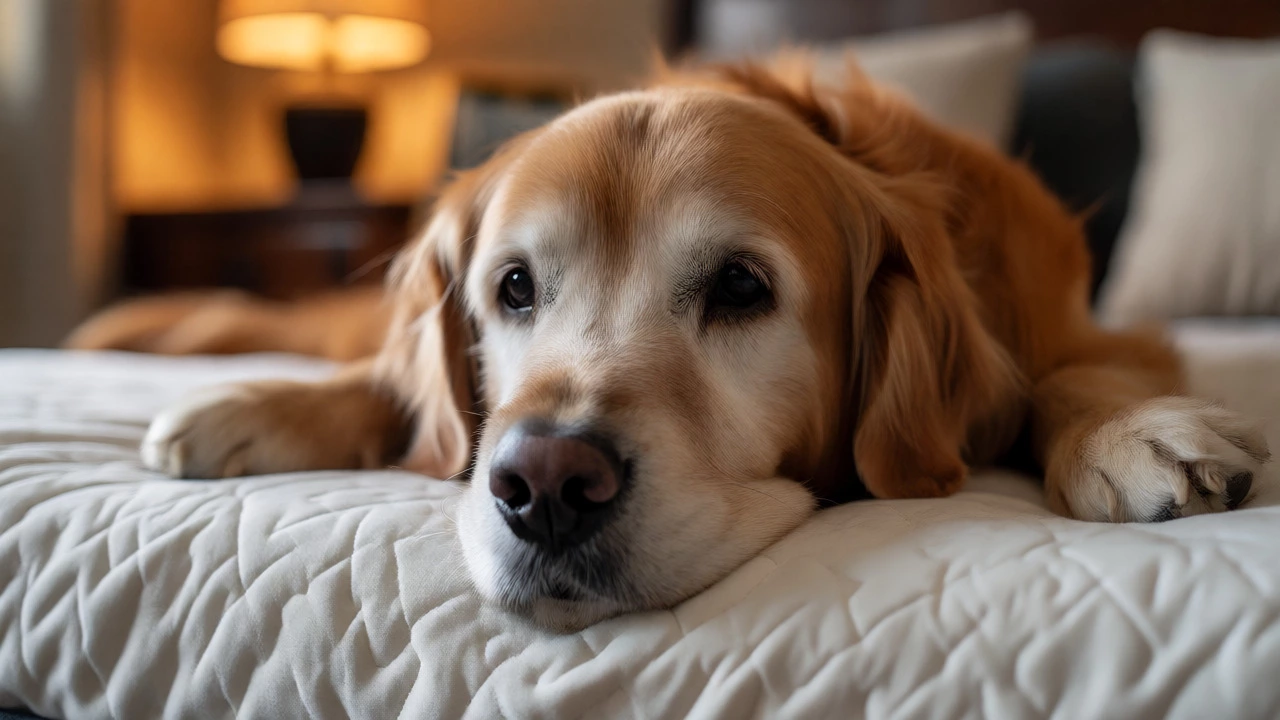
If you share your life with an older dog, the rules change dramatically. Arthritis affects nearly 20% of dogs over the age of one, but prevalence skyrockets in seniors. On a hard floor, an arthritic dog experiences constant micro-trauma to inflamed joints. Every time they shift position, bones grind against each other without adequate shock absorption. This leads to stiffness upon waking-a phenomenon owners often mistake for laziness when it’s actually pain.
Orthopedic beds aren’t just a luxury; they are medical aids. Look for high-density memory foam rather than cheap poly-fill. Poly-fill flattens out within weeks, offering zero support. Memory foam contours to the dog’s shape, distributing weight evenly and relieving pressure points. If your senior dog hesitates before lying down, whines when getting up, or avoids stairs, investing in a quality bed is one of the cheapest ways to improve their quality of life.
Temperature Regulation and Hygiene Concerns
Beyond joints, consider hygiene and temperature. Floors, especially in urban apartments, accumulate dust mites, pollen, and cleaning chemicals. While regular vacuuming helps, a washable bed cover provides a barrier between your dog’s fur and these allergens. If your dog suffers from atopic dermatitis or seasonal allergies, a dedicated washing routine for their bedding can significantly reduce itch cycles.
Conversely, beds can harbor bacteria if not cleaned regularly. Urine accidents, drool, and shed fur create a breeding ground for microbes. A dog sleeping directly on a sealed wooden floor is easier to disinfect than a fabric-covered mattress. In households with multiple pets or frequent visitors, a simple wipe-down of the floor area might be more hygienic than laundering bulky bedding weekly. Balance convenience with cleanliness. If you choose the floor route, ensure the area is free of drafts and kept clean.
How to Transition Your Dog to a Bed (If Needed)
So, you’ve determined your dog needs a bed-maybe for joint support or warmth-but they refuse to use it. How do you make the switch? First, rule out discomfort. Check the bed for manufacturing smells. New foam often off-gasses volatile organic compounds (VOCs), which smell strong to sensitive canine noses. Air it out outside for 24-48 hours before bringing it inside.
Next, leverage positive association. Do not force your dog onto the bed. Instead, place treats on the edge, then gradually move them toward the center. Once they step on it voluntarily, praise heavily. You can also try placing a worn t-shirt of yours on the bed; your scent is comforting and signals safety. If they still reject it, try changing the location. Perhaps the current spot is too noisy or near a drafty window. Move the bed to a quieter corner or closer to where you spend your evenings.
Remember, consistency is key. Keep the bed in the same place for at least two weeks before deciding it’s a failure. Some dogs are neophobic-they fear new things. Give them time to investigate and accept the new object as part of their territory.
Practical Alternatives to Traditional Beds
If your dog hates enclosed or raised beds, you don’t have to give up on support. There are several alternatives that offer protection without the bulk of a traditional mattress.
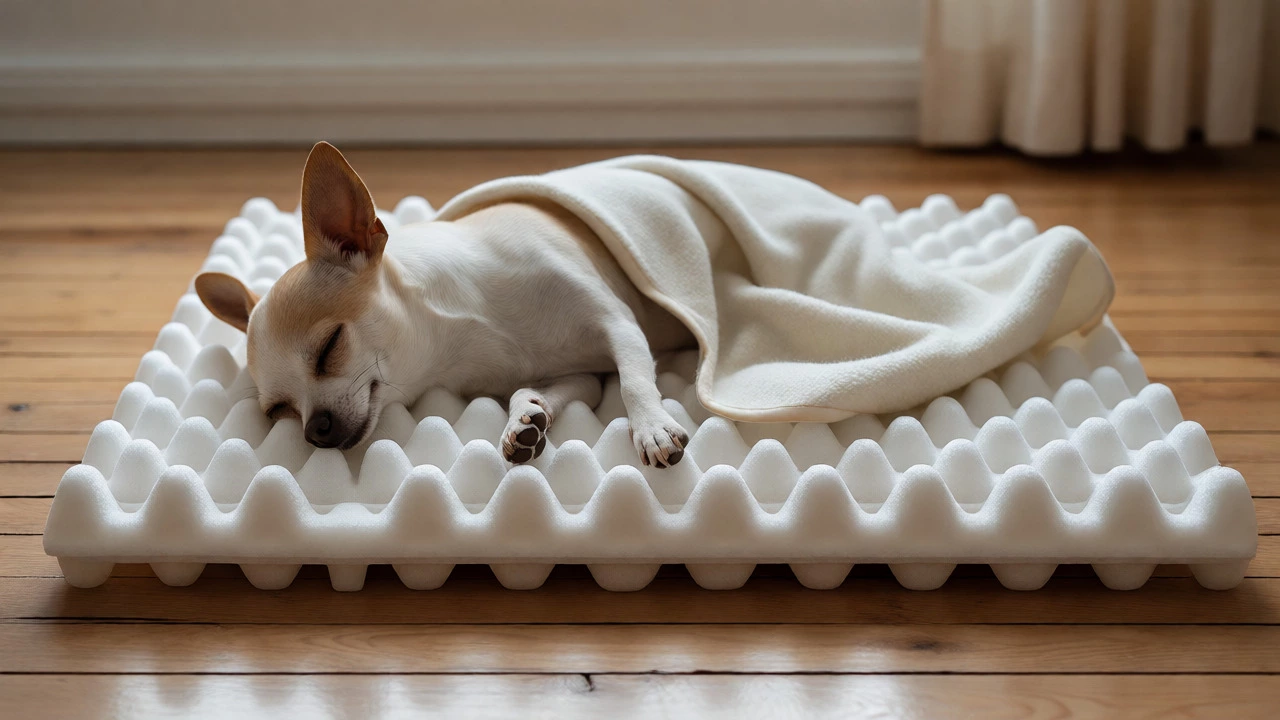
- Egg-Crate Foam Mats: These are thin, affordable, and provide excellent pressure relief. They can be placed directly on the floor and covered with a washable sheet.
- Yoga Mats: Surprisingly effective for small dogs. They provide grip, slight cushioning, and are easy to wipe clean.
- Raised Cooling Beds: Made of mesh fabric stretched over a frame. These allow air circulation underneath, keeping the dog cool while lifting them off the cold ground.
- DIY Solutions: An old duvet folded into a square, or a large pillowcase filled with shredded clothing, can work wonders for budget-conscious owners.
The goal is to find a middle ground between the hardness of the floor and the softness of a cloud-like bed. Many dogs prefer a firm-but-cushioned surface. Experiment with layers. Start with a yoga mat, add a thin blanket, and see how your dog reacts. Adjust based on their comfort level, not your aesthetic preferences.
Is it bad for puppies to sleep on the floor?
Generally, no. Puppies have robust joints and growing bodies that tolerate hard surfaces well. However, ensure the floor is not slippery, as this can affect leg development, and keep the area warm enough to prevent hypothermia, especially for hairless or toy breeds.
Why does my dog sit on his bed but not sleep on it?
This is common behavior. Dogs may view the bed as a safe vantage point or a social hub rather than a sleeping zone. They might also find the material too warm or the texture unfamiliar. Try cooling it down or adding a familiar scent to encourage full-body contact.
Do indoor dogs get cold sleeping on the floor?
It depends on the breed and ambient temperature. Double-coated breeds like Huskies rarely get cold indoors. Short-haired breeds like Chihuahuas or Greyhounds can lose heat rapidly on tile or stone floors. Monitor for shivering or seeking warm spots; if observed, provide insulation via a blanket or rug.
How often should I wash my dog's bed?
Ideally, once a month. If your dog has allergies, sheds heavily, or goes outdoors frequently, wash it every two weeks. Use a hypoallergenic detergent and ensure the bed dries completely to prevent mold growth inside the filling.
Are elevated beds better for dogs?
Elevated beds are great for airflow and keeping dogs cool in summer. They also keep dogs away from damp floors and pests. However, they offer little thermal insulation in winter and may not provide enough joint support for arthritic seniors unless paired with a cushion.