
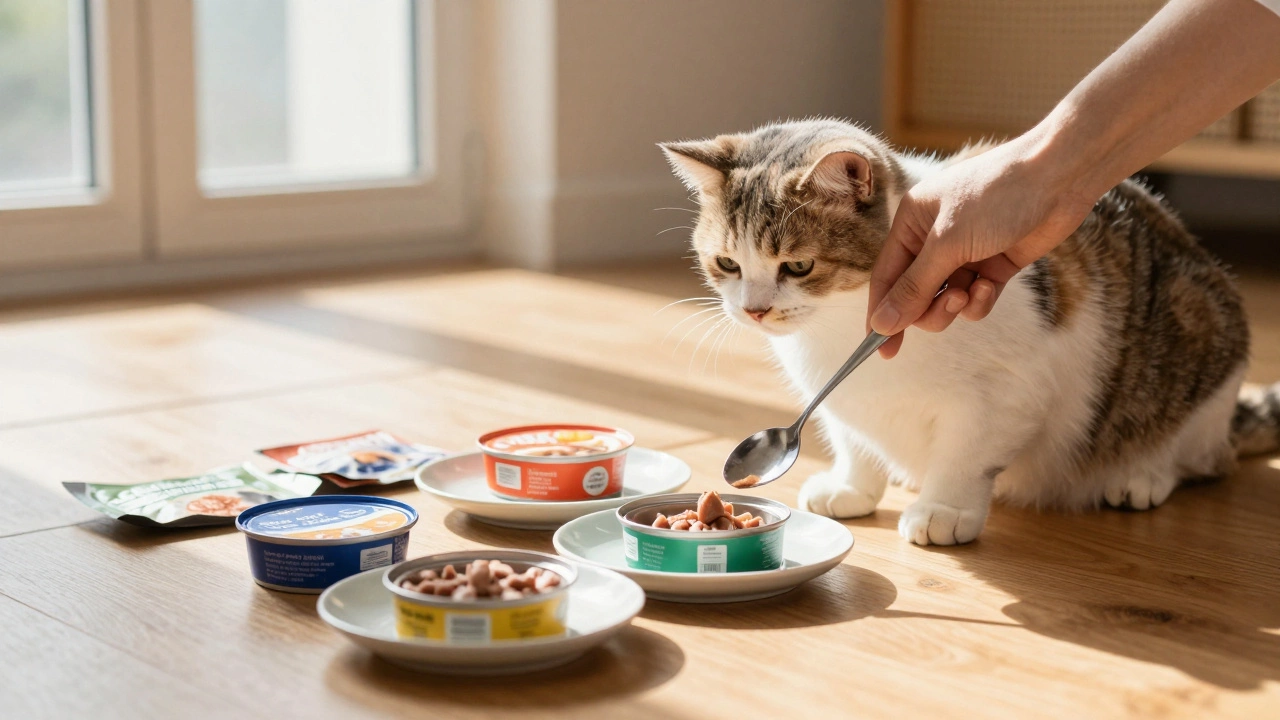
If you have a 10 pound cat asking for dinner, the standard answer usually lands between two and three small cans of Fancy Feast depending on the variety and your pet's lifestyle. You won't find a single universal number stamped on the packaging because calorie density changes based on whether you are opening a classic pâté cup, a gravy-filled tray, or a new light formula. Most owners get this wrong, leaving their feline friends too heavy or underfed. Today, we are going to cut through the confusion and look at the real math behind the can.
You might wonder why the instructions vary so much on labels. It comes down to energy expenditure. An active tom cat roaming a garden has wildly different needs than a sedentary indoor companion who naps sixteen hours a day. In Ireland, we see fewer outdoor risks than in some regions, meaning most Indoor Cats burn less energy. If you feed purely by instinct, you risk creating a health crisis like diabetes or arthritis later on. Let's break down the specifics so you can measure correctly today.
Understanding Your Cat's Caloric Needs
Before counting cans, you need to understand Kilocalories. This is the unit of energy your cat needs to survive and function. For an average healthy adult cat weighing 10 pounds (4.5 kilograms), the maintenance energy requirement sits roughly between 200 and 250 kilocalories per day. This baseline shifts immediately if your pet is neutered or has reached senior status. Neutering reduces metabolism by about 30% because hormone levels drop significantly after surgery. Without adjusting food intake, that lost energy turns straight into body fat.
Many owners ignore this shift and keep feeding the same amount. You might notice the waistline disappearing first, followed by difficulty jumping onto counters or stairs. Calculating daily energy requires knowing your cat's exact weight and their activity tier. Indoor pets need less fuel compared to those with regular access to a safe enclosure or garden space. If you cannot judge their weight accurately, a quick trip to the vet clinic scales are essential.
- Neutered Indoor Cat: Aim for 180-210 kcal per day.
- Active Intact Cat: Aim for 220-260 kcal per day.
- Senior or Less Active: Aim for 160-180 kcal per day.
These numbers guide you toward the correct portion size regardless of the brand. If you know your daily target, you can calculate how many servings fit into a Fancy Feast box. Always check the back of the package for nutritional analysis, as formulations update every few years.
Fancy Feast Can Sizes and Caloric Density
The tricky part about wet food is the variety of container sizes available. In Europe and North America, these products come in different grammes and ounce measurements. The traditional Container Type Weight Approximate Calories Standard Small Cup 85g / 3oz 70 - 90 kcal Larger Trays 156g / 5.5oz 120 - 140 kcal Pâté Formula 85g / 3oz 70 - 75 kcal Gravy Formula 85g / 3oz 90 - 100 kcal
For a 10-pound cat sticking to the average 225-calorie daily limit, you would serve approximately three 85g cups of standard Pâté per day. If you buy the larger trays, you might only need one and a half cans split across meals. Splitting food is better than dumping it all at once. It keeps blood sugar stable and maintains engagement throughout the day. Many manufacturers suggest splitting the daily ration into two distinct meals, but free-feeding wet food is risky because it spoils quickly.
You should also consider the water content. Wet food consists of roughly 80% moisture. This hydration helps kidney function, which is vital as cats age. Veterinary Nutrition experts often recommend wet diets over dry kibble for long-term health, primarily due to hydration and lower carbohydrate counts. However, convenience often drives people toward dry food, leading to dehydration issues down the line. If you are mixing foods, you must recalculate the total calories from both sources.
Adjusting for Age and Activity Levels
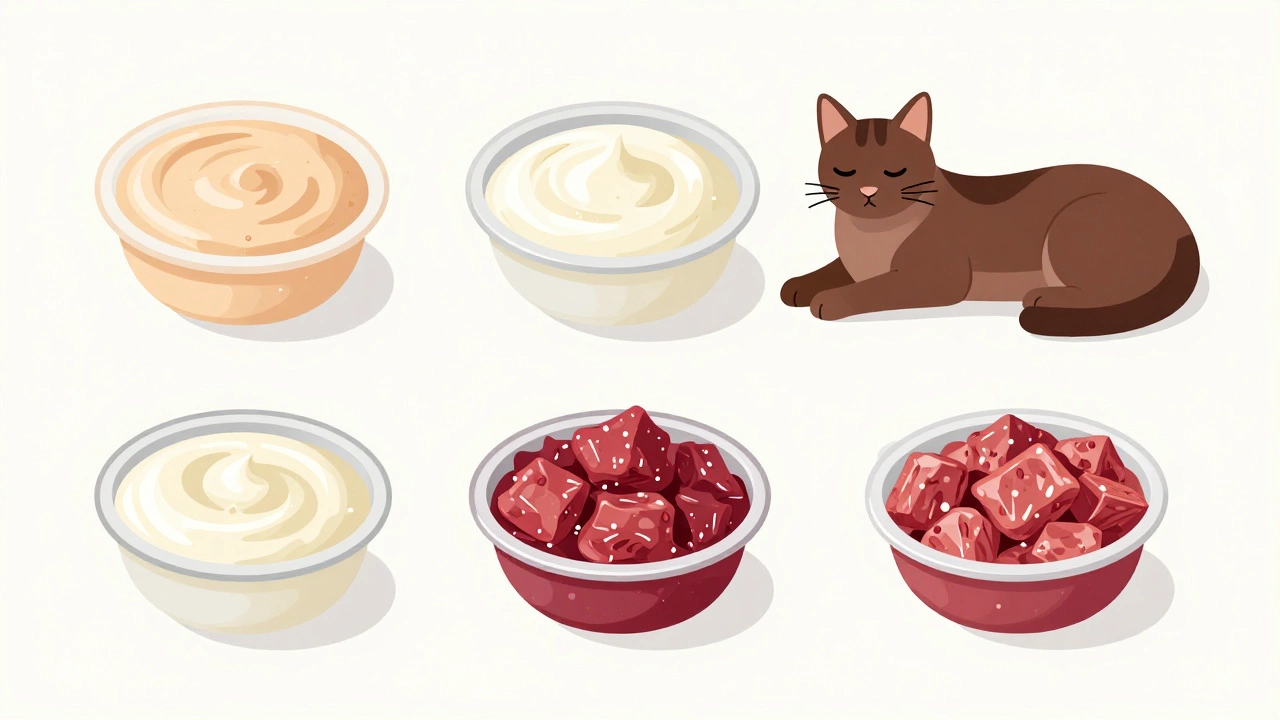
A ten-year-old cat moves differently than a four-month-old kitten. Senior pets have slower metabolisms and often suffer from joint stiffness, making movement painful. If you continue feeding them an active diet, they will gain weight rapidly even if they eat less overall. Reduce portions by 20% for seniors unless otherwise directed by your vet. Conversely, kittens require significantly higher energy intake to support growth spurts. Feeding a puppy formula to a kitten is impossible, but adults need to transition to adult formulas.
Activity levels fluctuate based on season and environment. Winter months in Dublin mean shorter days and potentially more sleeping time indoors. Cats spend more time inside when temperatures drop below freezing. During summer, you might allow balcony or garden time, increasing their natural hunting instincts and burning off excess energy. Be ready to adjust portions slightly during these seasonal transitions. If you notice loose skin or visible ribs, increase the food. If you feel their hips easily when running your hand over their sides, reduce the intake.
Obesity is a silent killer in domestic households. Being overweight puts pressure on the liver and heart systems. Obesity in Domestic Pets is preventable with consistent portion control. You cannot rely on hunger cues because cats never feel truly "full" until their digestive system stretches uncomfortably. They are opportunistic eaters. Relying on a measured scoop or counted cans is the only reliable method.
Daily Feeding Schedule and Routine
Cats thrive on routine, just like humans do. Establish a schedule where you serve breakfast and dinner at set times. Morning feeding mimics the early hunting period, while evening feeding prepares them for rest. Do not leave wet food out for more than thirty minutes after opening. Bacteria grows rapidly in protein-rich meat once exposed to air, especially in warmer household climates. Refrigerate leftovers immediately in sealed containers.
If you leave the house during work hours, automated feeders can be useful, but they handle dry kibble better than wet food. For wet-only diets, ask a neighbor to visit midday to provide fresh food. This prevents gaps that lead to begging behavior later. If you mix Dry Food into the rotation, weigh the dry portion carefully. Kibble is energy-dense compared to wet food. One cup of kibble often equals three or four cups of wet food in caloric value.
Always watch for the signal of satiety. Cats that eat too fast may vomit, indicating they are consuming too much volume at once. Spreading the total daily allowance over three or four small meals keeps their metabolism steady. Use puzzle toys or slow feeder bowls to extend mealtime. This adds mental stimulation alongside physical nutrition.
Monitoring Body Condition Score
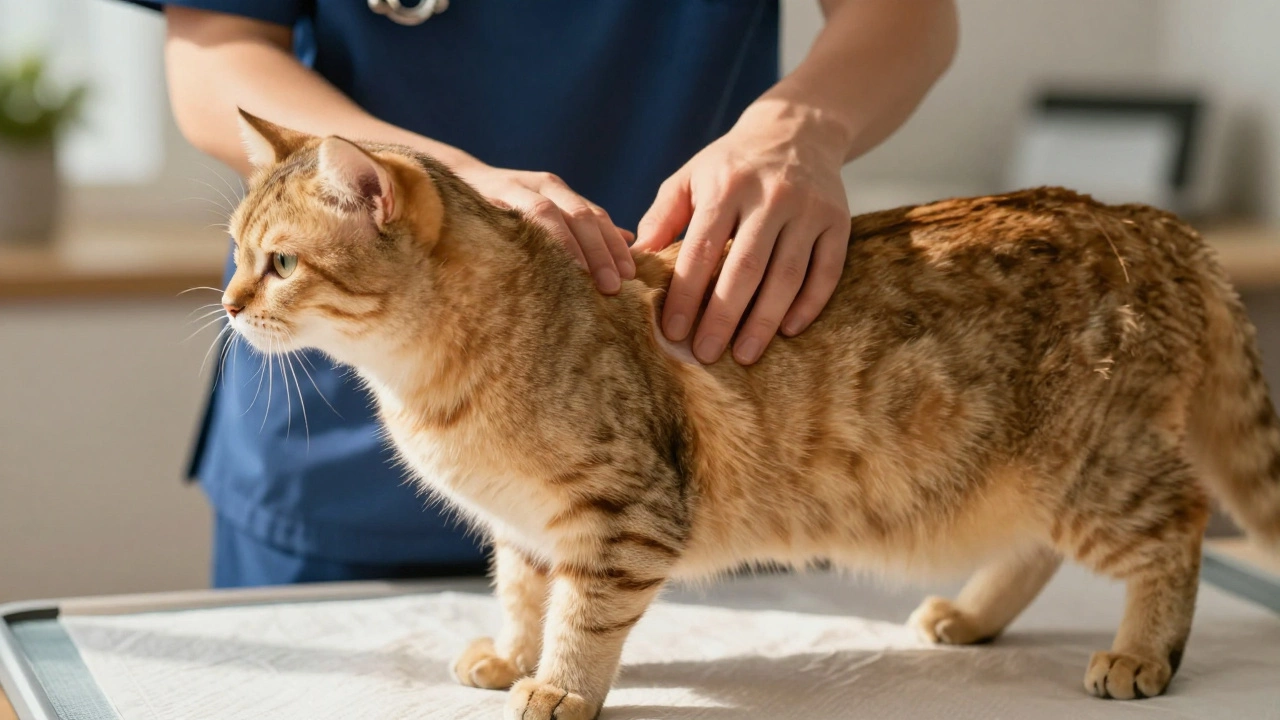
The ultimate test of your feeding plan is how the cat looks and feels. Use a body condition score (BCS) chart, typically ranging from 1 to 9. A healthy score falls between 5 and 6. At this level, you can see a defined waist when looking from above. Running your hands along the back should reveal ribs covered by a thin layer of muscle, not hidden under thick fat pads. If you cannot feel the ribs at all, stop and reassess the can count.
Regular weigh-ins help catch trends early. Weekly monitoring reveals if your adjustments are working. Even small fluctuations indicate changes in metabolism. If weight gain persists despite reducing cans, consult a professional. Sometimes, hormonal imbalances like hypothyroidism cause weight retention unrelated to food intake.
Remember that consistency matters more than perfection. Missing a meal occasionally won't hurt them, but consistently overfeeding will. Stick to the calculated portions. It takes discipline, but your pet's long-term quality of life depends on it. Treats should never exceed 10% of daily calories, so account for those little biscuits when calculating the Fancy Feast quota.
How many 3-ounce cans of Fancy Feast does a 10 lb cat eat?
A 10-pound cat typically needs around 225 calories daily. Since a standard 3oz (85g) can contains roughly 75-90 calories depending on the recipe, you should feed approximately 2.5 to 3 cans spread across morning and evening.
Is Fancy Feast considered high quality wet food?
It ranks as moderate quality. It uses real meat but often includes fillers like corn starch and carrageenan. While palatable, it is not as nutrient-dense as prescription diets or grain-free premium brands. It is suitable for casual feeders but may require monitoring for sensitive stomachs.
Can I feed my cat only wet food?
Yes, cats are obligate carnivores and do biologically well on meat-based diets. Ensure the wet food is labeled as "complete and balanced." Monitor calcium and phosphorus levels, and always have fresh water available even if they eat wet food.
How do I switch my cat to a new brand?
Transition slowly over 7 days. Start with 25% new food mixed with 75% old food. Increase the new ratio by 25% each day. Watch for vomiting or diarrhea, which means the change is happening too fast.
What if my cat refuses to eat the full portion?
Cats can be picky. Try warming the food slightly to enhance aroma. If refusal continues, rule out dental pain or illness. Never force-feed or drastically change flavors abruptly, as this worsens appetite issues.