
Pet Flight Cost Estimator (2026)
Estimated Breakdown
Select options and click "Estimate Total Cost" to see the breakdown.
Booking a flight for yourself is one thing. Booking a flight for your dog? That’s a whole different ballgame. If you’ve ever wondered how much it costs to fly a dog on a plane, the short answer is: it depends. A lot.
In 2026, airlines have tightened their rules even further due to safety concerns and stricter regulations around animal welfare. You’re not just paying for a ticket; you’re paying for compliance, specialized handling, and often, peace of mind. The price tag can range from a flat fee of $100 for a small carrier under your seat to over $1,500 for a large breed traveling as cargo across an ocean.
Quick Takeaways: What You Need to Know About Pet Airfare
- Cabin Fees: Typically $100-$150 per way for small dogs (under 20 lbs).
- Cargo Fees: Range from $200 to $1,500+ depending on distance, crate size, and season.
- Banned Breeds: Brachycephalic (short-nosed) breeds are often restricted or banned entirely.
- Hidden Costs: Health certificates ($75-$150), approved crates ($100-$300), and sedation alternatives.
- Timing Matters: Summer and winter peaks can double prices and increase health risks.
The Two Main Ways Your Dog Travels: Cabin vs. Cargo
To understand the cost, you first need to know where your dog will be sitting. Or rather, standing. There are only two ways a dog travels on a commercial flight in 2026: in the cabin with you or in the climate-controlled cargo hold.
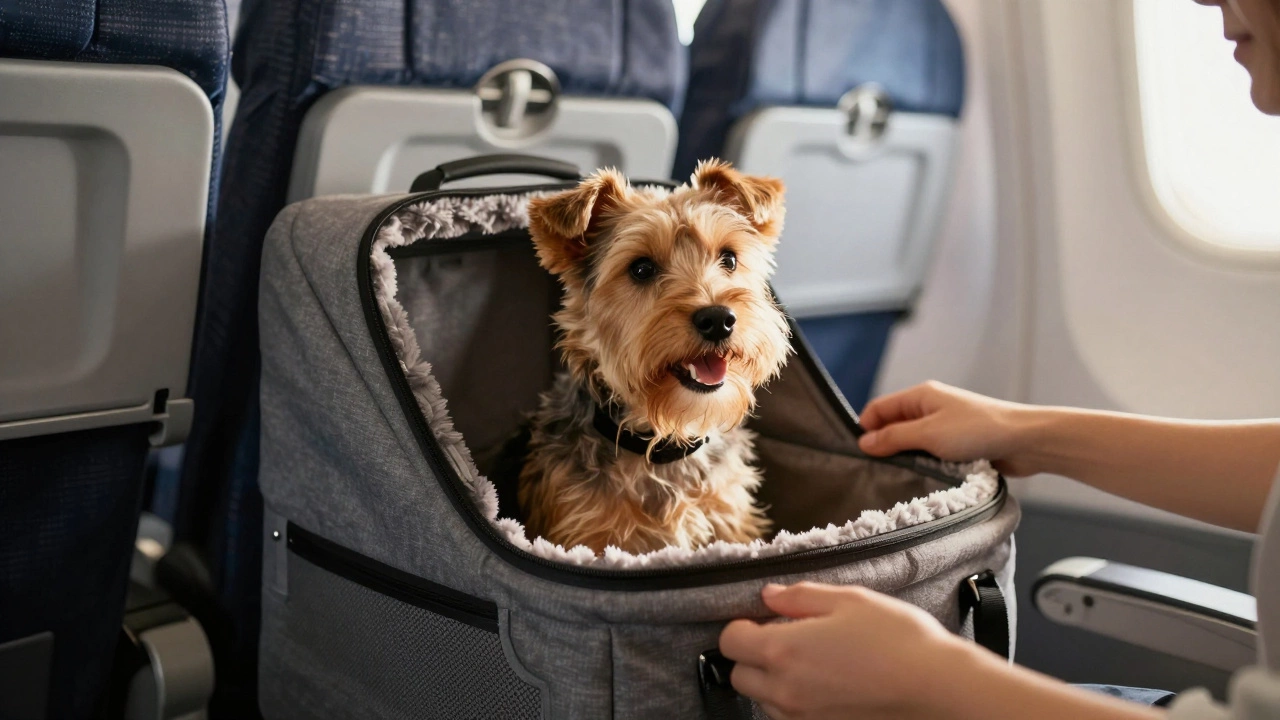
In-Cabin Travel is the most affordable and least stressful option, but it comes with strict limits. Most major airlines require your dog to fit in a soft-sided carrier that sits completely under the seat in front of you. This usually means your dog must weigh less than 20 pounds (including the carrier). If your pup fits this bill, you’re looking at a flat fee. For example, Delta charges $125 each way, while American Airlines charges $150. These fees are non-refundable and do not count toward your frequent flyer miles.
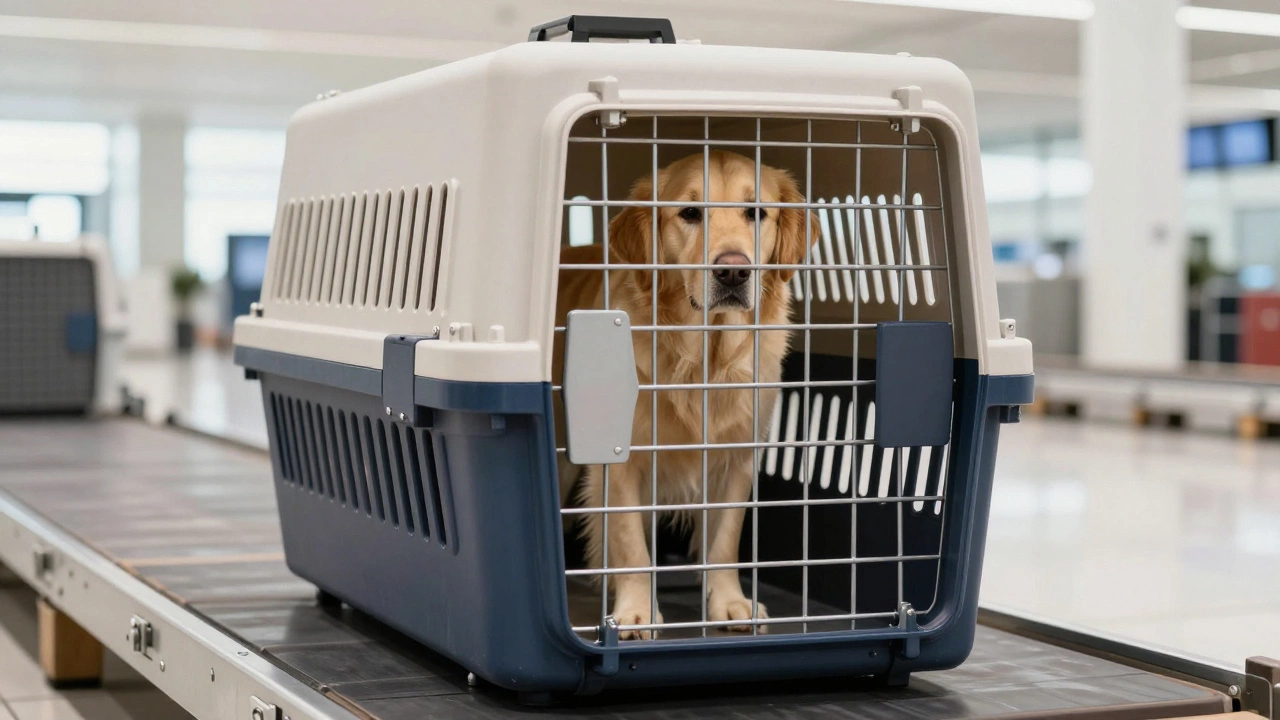
Cargo Travel is for larger dogs or those who don’t fit in a cabin carrier. Here, your dog travels in the aircraft’s pressurized, temperature-controlled belly compartment. The cost here is variable. It’s calculated based on the dimensions of the crate, the weight of the dog plus the crate, and the distance of the flight. A short domestic hop might cost $200-$400. An international flight from Dublin to New York could easily exceed $1,000. Some airlines use a third-party logistics provider like PetsAir or SkyPaws to handle these shipments, which adds another layer of service fees.
Breakdown of Direct Airline Fees
Let’s look at the numbers. In 2026, inflation has pushed pet travel fees up slightly compared to previous years. Here is what you can expect to pay at the check-in counter or online booking portal.
| Travel Type | Estimated Cost (USD) | Key Constraints |
|---|---|---|
| In-Cabin (Small Dog) | $100 - $150 per way | Max 20 lbs total; limited spots per flight |
| Cargo (Domestic) | $200 - $500 | Based on crate dimensions + weight |
| Cargo (International) | $600 - $1,500+ | Includes customs handling and longer transit |
| Unaccompanied Minor Service | $150 - $300 extra | If you aren't flying on the same plane |
Notice that "per way" matters. If you’re flying round-trip, you pay the fee twice. Many passengers forget this and budget only for the outbound journey. Also, some airlines charge more if you book last minute. I always recommend calling the airline directly at least 48 hours before booking to reserve a spot for your pet. Online systems often show "available" when there are actually no more slots left for animals in the cabin.
The Hidden Costs: Crates, Vet Visits, and Paperwork
The airline fee is just the tip of the iceberg. To get your dog through security and onto the plane, you’ll need to invest in other essentials. These costs are mandatory and cannot be skipped.
IATA-Compliant Crate is non-negotiable for cargo travel. You can’t just buy any plastic tub. The crate must meet International Air Transport Association standards. It needs metal doors, steel screws, and specific ventilation holes. A high-quality hard-sided crate costs between $150 and $300. Don’t try to save money here; a flimsy crate will be rejected at check-in, leaving you stranded.
Then there’s the vet visit. For domestic flights within the same country, you usually just need proof of vaccinations. But for international travel, or even some long-haul domestic routes, you need a Health Certificate. This document must be issued by an accredited veterinarian within 10 days of travel. Expect to pay $75 to $150 for this exam and paperwork. If you’re flying internationally, you might also need a rabies titer test, which can cost another $100-$200 and requires blood work weeks in advance.
Don’t forget microchipping. Most airlines and countries require your dog to have an ISO-compliant microchip. If yours was implanted years ago and isn’t ISO compliant, you’ll need a new one inserted by a vet, costing around $50-$100.
Why Breed Matters More Than Ever
This is the hardest pill to swallow for many owners. In 2026, almost all major US and European airlines have banned Brachycephalic breeds from traveling in the cargo hold. These are dogs with short noses, such as Bulldogs, Pugs, Boston Terriers, and Boxers. Their anatomy makes them prone to breathing difficulties, especially in the stress of travel and changes in cabin pressure.
If you own one of these breeds, your only option is in-cabin travel. And if your brachycephalic dog weighs 30 pounds, you’re out of luck on most commercial carriers. You would need to look into private charter services, which can cost upwards of $5,000 for a cross-country flight. Always check the specific breed restrictions of your airline before you even start packing.
Seasonal Pricing and Safety Risks
When you fly matters as much as how much you pay. Airlines impose "hot weather embargoes" and "cold weather embargoes." During summer months (June-August) and winter months (December-February), many airlines refuse to accept pets in cargo if temperatures at departure or arrival are extreme.
Why? Because planes sit on the tarmac for hours. Even though the cargo hold is climate-controlled, the load/unload process exposes the animal to outside temps. If you try to fly during these peak seasons, you risk being denied boarding or forced to rebook at a higher price. Spring (March-May) and Autumn (September-November) offer the best balance of lower prices and safer conditions.

Alternatives to Commercial Flights
If the costs and restrictions seem too steep, consider these alternatives:
- Pet-Friendly Trains: Services like Amtrak in the US allow small dogs in cabins for a flat fee of around $26-$50. It’s slower, but cheaper and less stressful.
- Private Jet Charter: For multiple pets or very large dogs, sharing a leg of a private jet charter can sometimes cost less than individual cargo fees when you split the bill with other travelers.
- Ground Transportation: Specialized pet movers drive your dog in climate-controlled vans. For distances under 1,000 miles, this is often cheaper and safer than flying.
How to Save Money on Pet Airfare
You can’t negotiate the airline’s base fee, but you can avoid surprise charges. First, measure your dog and crate accurately. Overestimating dimensions leads to paying for a larger cargo category than needed. Second, join the airline’s loyalty program. While pet fees rarely earn miles, some airlines offer discounts on future pet travel for elite members. Third, book early. Airlines limit the number of pets per flight (often 6 in the cabin). Once those spots are gone, you can’t buy your way in. Finally, compare airlines. Southwest, for instance, has historically had lower pet fees than legacy carriers, though their policies change frequently.
Can I bring my dog on the plane for free?
No. Service animals are allowed to travel for free under federal law, but they must be trained to perform specific tasks for a disability. Emotional support animals are no longer considered service animals by most major airlines and must pay standard pet fees or travel as cargo.
Is it cheaper to fly with a dog in the cabin or as cargo?
For small dogs under 20 lbs, cabin travel is significantly cheaper ($100-$150) than cargo ($200+). For large dogs, cargo is the only option, and costs vary widely based on distance and crate size.
Do I need a health certificate for a domestic flight?
Most US airlines do not require a health certificate for purely domestic flights within the same state. However, crossing state lines or flying internationally almost always requires a vet-issued health certificate within 10 days of travel.
What happens if my dog is too big for the cabin?
If your dog exceeds the weight or size limit for cabin travel (usually 20 lbs including carrier), they must travel as checked baggage or cargo. You cannot ask for an exception, even if you purchase an extra seat.
Are there any airlines that allow large dogs in the cabin?
Very few. Some smaller regional carriers or luxury airlines may allow larger dogs if you purchase a second seat, but this is rare and expensive. Most major carriers strictly enforce the under-seat rule for safety reasons.