
Dog Collar Recommendation Tool
1Enter Your Dog's Details
2Your Recommendation
Please enter your dog's details and click "Get Recommendation" to see the best collar option for your pet.
Quick Sizing Tip
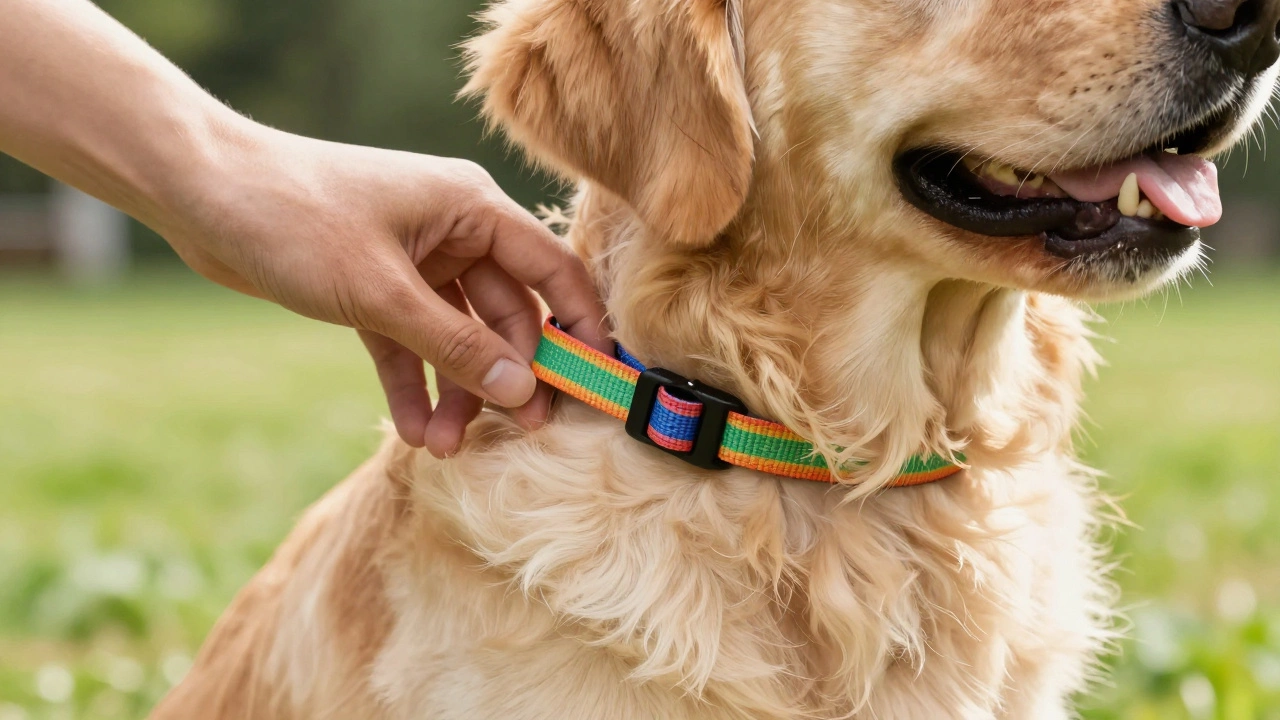
Measure the widest part of your dog's neck. Add 2 inches (5 cm) for comfort. You should always be able to slide two fingers under the collar.
Most people grab the first colorful strap they see at the pet store. It looks cute on the shelf, but once it’s around your dog’s neck, things can go wrong fast. A collar that’s too tight chokes them; one that’s too loose slips off. The material might irritate their skin, or worse, get snagged on a fence post while they’re running free.
Picking the right dog collar isn’t just about matching your outfit. It’s a safety decision. You need gear that fits your dog’s specific anatomy, lifestyle, and training needs. Whether you have a delicate Chihuahua or a powerful Labrador, the wrong choice can lead to injury or escape. Let’s cut through the noise and find the collar that actually works for you.
The Two-Finger Rule: Sizing That Actually Works
The biggest mistake owners make is guessing the size. "Medium" means nothing when every brand uses different measurements. You need two tools: a soft measuring tape and your fingers.
Wrap the tape around the base of your dog’s neck, where the head meets the body. Don’t measure the narrowest part near the ears; measure the widest part where the collar will sit. Once you have that number in inches or centimeters, add two inches (or five centimeters). This buffer ensures comfort without slippage.
Now, apply the two-finger rule. Slide two of your index fingers under the collar against your dog’s skin. If you can’t fit them, it’s too tight. If you can fit three or four, it’s too loose. For puppies, check this daily. Their necks grow fast, and a collar that was perfect last week could be a hazard today.
- Small breeds: Usually 8-14 inches circumference.
- Medium breeds: Typically 14-20 inches.
- Large breeds: Often 20-30+ inches.
If your dog has a thick ruff of fur, like a Golden Retriever, measure over the fur, not the skin. The collar needs to sit securely on top of the coat.
Flat Collars: The Standard Daily Driver
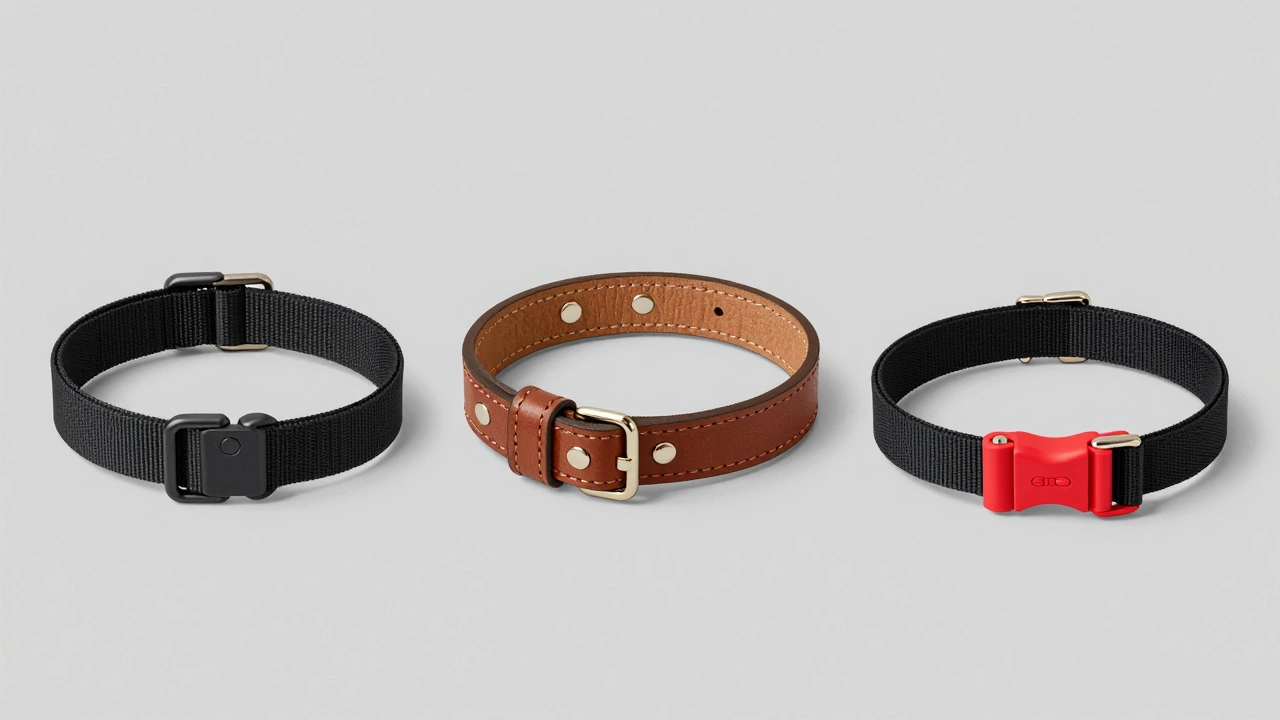
The flat collar is what most people picture when they hear "dog collar." It’s a simple band with a buckle or snap hook. These are best for everyday wear, ID tags, and casual walks.
They work well for dogs who don’t pull heavily. If your dog tugs constantly, a flat collar puts pressure on the trachea. Over time, this can cause coughing or even collapse in small breeds. Flat collars also come in various materials:
- Nylon: Lightweight, cheap, and comes in endless colors. It dries quickly but can fray if chewed.
- Leather: Durable and smells nice, but it gets heavy when wet and requires conditioning to prevent cracking.
- Vinyl/PVC: Waterproof and easy to clean, but less breathable.
For most house pets, a nylon flat collar is the practical choice. It’s easy to replace if it gets damaged, and it doesn’t hold onto odors as much as leather does.
Martingale Collars: Security Without Choking
If you own a sighthound like a Greyhound, Whippet, or Borzoi, forget flat collars. These dogs have narrow heads and thick necks. They slip out of standard collars like ghosts. Enter the martingale collar.
A martingale has a loop of webbing or leather that tightens slightly when the dog pulls, then loosens when they relax. It never cinches down to zero-it stops at a preset limit. This prevents escape without crushing the windpipe.
But you don’t need to be a Greyhound owner to benefit. Martingales are excellent for any dog with a head smaller than its shoulders, including Bulldogs and Pugs. They’re also great for training because they provide gentle feedback without pain. Just ensure you buy one from a reputable brand that sets the maximum tightening correctly. Cheap knockoffs can become choke chains.
Breakaway Collars: Safety First for Small Dogs
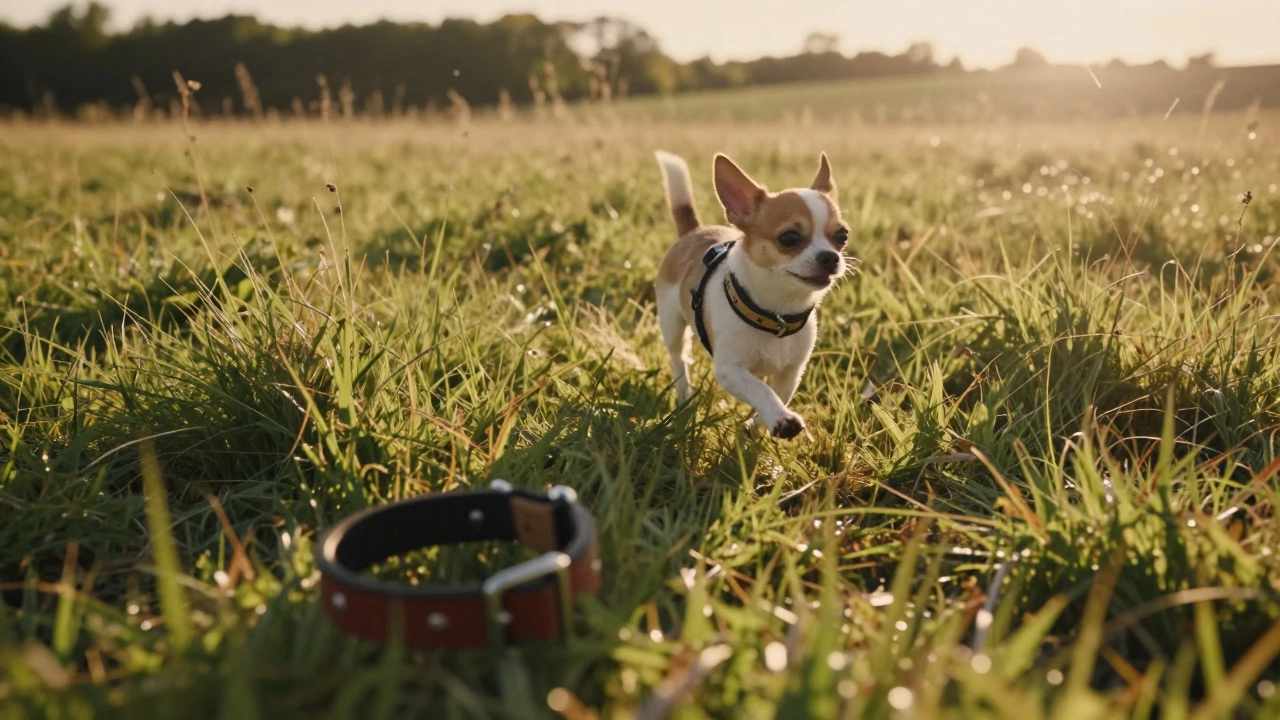
Small dogs face unique risks. Their necks are fragile, and they often explore tight spaces-under decks, behind furniture, or in dense brush. If a regular collar gets caught, the dog can hang itself.
This is why breakaway collars exist. These collars have a clasp that releases under moderate pressure. If the collar snags on a branch or a fence, it pops open. Your dog runs free, maybe startled, but alive.
I always recommend breakaway collars for cats, but they’re equally vital for toy breeds like Yorkies, Chihuahuas, and Maltese. Some models use magnetic clasps, which release easily but can also pop open during play. Look for mechanical breakaway mechanisms that require a specific amount of force to trigger. They offer a better balance between security and safety.
Harnesses vs. Collars: When to Switch
Sometimes, the answer isn’t a better collar-it’s no collar at all. If your dog pulls hard on the leash, a collar is the wrong tool. Pressure on the neck triggers the "pulling reflex," making them dig in harder.
A front-clip harness redirects the dog’s momentum toward you when they pull. It’s gentler on their spine and gives you more control. Use a harness for walks, especially with strong pullers or senior dogs with arthritis. Keep a lightweight collar on underneath for ID tags and license compliance. Most cities require visible identification, and a harness alone often doesn’t satisfy local laws.
Material Matters: Skin Sensitivity and Weather
Your dog’s skin reacts differently than yours. Nylon can cause allergic reactions in some dogs, leading to redness and itching. Leather is natural but traps moisture, promoting bacterial growth in humid climates like Dublin’s.
If your dog has sensitive skin, look for biothane or synthetic leather. These materials are waterproof, hypoallergenic, and dry instantly. They’re ideal for rainy days or muddy hikes. Avoid collars with metal studs or rough stitching inside. Those create friction points that rub raw spots into your dog’s neck.
Also consider the climate. In summer, light-colored collars reflect heat. Dark leather absorbs it. In winter, insulated collars keep the neck warm, but only if they don’t restrict blood flow.
Specialty Collars: Training Tools Used Correctly
You’ll see prong collars, shock collars, and vibration collars advertised online. These are controversial for good reason. They rely on pain or fear to modify behavior.
Prong collars mimic how mother dogs nip their pups’ necks to correct behavior. When used by an expert, they can be effective. But in untrained hands, they cause trauma and aggression. Shock collars deliver electric pulses. Veterinary associations widely condemn them due to stress and anxiety risks.
If you struggle with pulling, invest in positive reinforcement training instead. Reward calm walking with treats. Use a front-clip harness for physical control. Reserve specialty collars for professional trainers who understand canine psychology. Never buy these based on YouTube tutorials.
Maintaining Your Collar: Cleanliness and Inspection
A dirty collar breeds bacteria. Wash nylon collars weekly with mild soap and water. Let them air dry completely before putting them back on. Leather collars need occasional conditioning with saddle soap to prevent cracking.
Inspect the hardware monthly. Check for rust on buckles, fraying on edges, or weak magnets in breakaway clips. Replace any collar showing signs of wear. A broken buckle mid-walk is a recipe for disaster.
| Type | Best For | Risk Level | Maintenance |
|---|---|---|---|
| Flat Collar | Calm walkers, ID tags | Low (if fitted right) | Easy |
| Martingale | Sighthounds, escape artists | Very Low | Easy |
| Breakaway | Small dogs, outdoor explorers | Lowest | Check clasp |
| Harness | Pullers, seniors | None | Wash regularly |
| Prong/Shock | Professional training only | High | Expert supervision |
Quick Checklist Before You Buy
Before spending money, ask yourself these questions:
- Does my dog pull? If yes, skip flat collars for walks.
- Is my dog small or prone to getting stuck? Get a breakaway collar.
- Does my dog have a narrow head? Choose a martingale.
- Will I attach ID tags? Ensure the collar has a sturdy ring.
- Can I slide two fingers underneath? If not, size up.
The right collar feels invisible. Your dog shouldn’t notice it’s there, except when you gently tug to get their attention. Comfort, safety, and function should always outweigh aesthetics.
How tight should a dog collar be?
You should be able to slide two fingers comfortably under the collar against your dog's neck. If it's tighter, it restricts breathing and movement. If it's looser, it may slip off or catch on objects. Adjust after meals, as stomach expansion can affect neck circumference.
Are breakaway collars safe for large dogs?
Breakaway collars are primarily designed for small dogs and cats. Large dogs exert more force, which could accidentally trigger the release mechanism during normal play. For large breeds, a properly fitted martingale or harness offers better security without the risk of accidental detachment.
Can I leave a collar on my dog 24/7?
Only if it's a breakaway collar or a very lightweight, well-fitted flat collar. Remove collars during crate time, sleep, or unsupervised indoor periods to prevent snagging. Always inspect the collar daily for wear, dirt, or irritation.
What is the best collar for a puppy?
Puppies grow rapidly, so adjustable nylon collars are ideal. They allow you to tighten or loosen as needed. Breakaway collars are also excellent for young dogs exploring their environment. Avoid leather until the puppy stops chewing, as they often gnaw on new textures.
Do martingale collars hurt dogs?
No, when used correctly. Martingales tighten only enough to prevent slipping off, then stop. They do not constrict the airway like choke chains. The sensation is similar to a gentle squeeze, which is uncomfortable but not painful. Proper fitting is crucial to avoid excessive tension.
Why does my dog hate wearing a collar?
Dogs often dislike collars because they feel restrictive or unfamiliar. Introduce the collar gradually. Let your dog sniff it first, then place it loosely for short periods while rewarding with treats. Increase wear time slowly. If resistance persists, check for skin irritation or improper fit.
Is leather or nylon better for dog collars?
Nylon is lighter, cheaper, and dries faster, making it ideal for active dogs. Leather is more durable and stylish but heavier and requires maintenance. For wet climates or frequent swimming, nylon or biothane performs better. Leather suits calm, indoor dogs in dry environments.