

Puppy Bedtime Routine Planner
Configure Your Schedule
Your Custom Routine
Click "Generate Routine" to see your personalized schedule
Sleep Requirements by Age
| Age Range | Hours of Sleep Needed | Bladder Hold Time |
|---|---|---|
| 0-3 months | 18-20 hours/day | 2-3 hours |
| 3-6 months | 16-18 hours/day | 3-5 hours |
| 6-12 months | 14-16 hours/day | 5-8 hours |
It is 7:45 PM. You have just finished dinner, wiped down the kitchen counters, and finally sat on the couch with a glass of wine. Then you look at your new puppy, who is yawning so hard their eyes are closing, tail thumping lazily against the floor. They look exhausted. But it is not even 8 PM yet. Is this too early? Should you keep them awake until "real" bedtime? The short answer is no. In fact, keeping a tired pup awake can backfire spectacularly.
Finding the right puppy bedtime is less about the clock on the wall and more about the biological clock in your dog's body. Puppies do not operate on human schedules. They run on cycles of intense energy followed by sudden crashes. Understanding this rhythm is the key to a well-behaved adult dog and a sane owner.
The Biology of Puppy Sleep Needs
To understand why 8 PM might be perfect, we first need to look at how much sleep a puppy actually requires. Adult dogs typically need between 12 and 14 hours of sleep per day. Puppies, however, are growing machines. Their bodies are building muscle, bone, and neural connections at a rapid pace. This process demands significantly more rest.
- 0-3 months: Up to 18-20 hours of sleep per day.
- 3-6 months: Approximately 16-18 hours of sleep per day.
- 6-12 months: Around 14-16 hours of sleep per day.
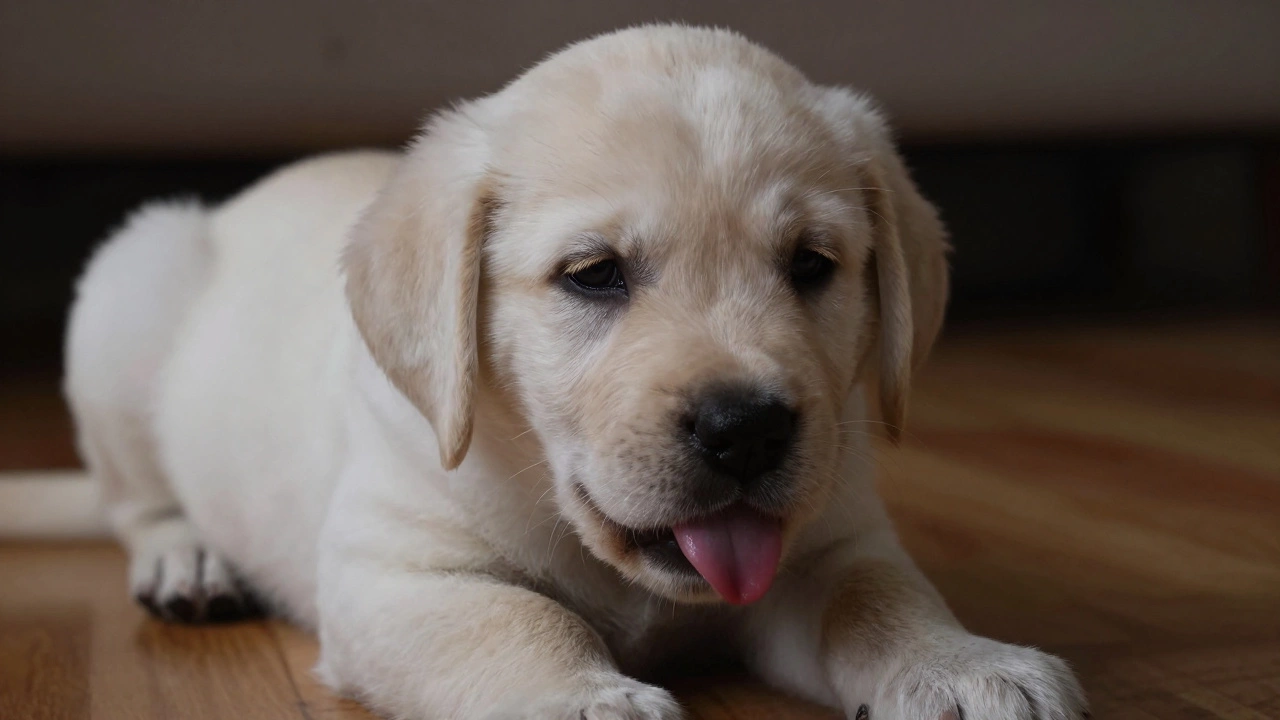
If your puppy is only eight weeks old, they are essentially babies. Expecting them to stay alert and well-mannered from 6 PM until 10 PM is like expecting a toddler to sit through a three-hour movie without melting down. When puppies are overtired, they do not get quiet. They get hyperactive, frustrated, and destructive. This state is often called "the zoomies" or "overtired arousal," and it is one of the biggest mistakes new owners make.
By putting your puppy to bed when they show signs of fatigue-usually around 8 PM for many households-you prevent this crash. You help them transition into deep, restorative sleep rather than forcing them to burn off nervous energy that leads to biting, chewing, and crying later in the night.
Why Consistency Beats Clock Time
The question "Is 8 PM too early?" implies that there is a universal correct time. There isn't. What matters far more than the specific hour is consistency. Dogs thrive on routine. If you put your puppy to bed at 8 PM on Monday, 9 PM on Tuesday, and midnight on Wednesday because you had guests, you create confusion. Confusion leads to anxiety. Anxiety leads to accidents in the crate and barking in the middle of the night.
Consider your own lifestyle. If you go to bed at 10 PM, having your puppy settle down at 8 PM gives you two hours of quiet time. This is ideal. It allows the puppy to sleep through the evening while you relax, read, or watch TV. When you eventually go to bed, the puppy is already in a deep sleep cycle, reducing the chance they will wake up startled and bark.
On the other hand, if you work late nights and do not get home until 9 PM, an 8 PM bedtime might mean your puppy has been alone in their crate for four hours before you even arrive. In this case, an earlier bedtime during the day (like a long nap at 6 PM) combined with a later final bedtime might work better. The goal is to align the puppy's sleep window with your presence and supervision as much as possible.
Signs Your Puppy Is Ready for Bed
Instead of watching the clock, watch your puppy. They will tell you exactly when they are done with the day. Ignoring these signals is a recipe for disaster. Here are the most common signs that it is time to wind down:
- Yawning: Not just stretching yawns, but repetitive, slow yawns even when not tired from exercise.
- Licking lips: A subtle sign of stress or self-soothing that often precedes fatigue.
- Chasing tail or spinning: Sudden bursts of erratic movement indicate overstimulation.
- Restlessness: Pacing back and forth, inability to settle on a toy or bed.
- Dull eyes: Their gaze becomes unfocused, and they stop engaging with commands.
- Whining: Soft whines when picked up or placed in the crate signal discomfort from being awake too long.
If you see these signs at 7:30 PM, do not wait until 8:30 PM. Start the bedtime routine immediately. Forcing a tired puppy to "play just five more minutes" usually results in nipping, jumping, and a difficult transition to sleep. Catching them in the window of "tired but not overtired" is the sweet spot.
Crafting the Perfect Bedtime Routine
A good bedtime routine acts as a cue to your puppy's brain that the day is over. Just as humans might brush their teeth or change into pajamas, puppies benefit from a predictable sequence of events. This reduces anxiety and makes settling down easier.
Here is a sample routine that works for many owners aiming for an 8 PM sleep time:
- 7:00 PM - Last Play Session: Engage in active play or training. Use puzzle toys or fetch to burn off mental and physical energy. Avoid roughhousing that gets them too excited right before bed.
- 7:30 PM - Final Potty Break: Take them outside on a leash. Keep it boring. No games, no treats, just business. Say a cue like "go potty" and praise calmly when they finish.
- 7:45 PM - Calm Wind-Down: Bring them inside. Offer a long-lasting chew like a frozen Kong or a bully stick. This occupies their mouth and promotes drooling, which has a calming effect.
- 7:55 PM - Crate Preparation: Dim the lights in the house. Place the chew toy in the crate. Add a comforting item, like a piece of clothing with your scent or a heartbeat toy.
- 8:00 PM - Lights Out: Close the crate door. Ignore any initial whining unless it sounds like distress (not just protest). Stay nearby for the first few nights to reassure them without reinforcing bad behavior.
The key here is calmness. If you are rushing and anxious, your puppy will pick up on that energy. Speak in low, soft tones. Move slowly. The environment should feel safe and secure, not like a punishment.
The Role of Exercise and Mental Stimulation
You cannot expect a puppy to sleep soundly at 8 PM if they have spent the last six hours napping on the sofa. Physical exercise and mental stimulation are critical components of a good night's sleep. However, timing matters.
Intense exercise should happen at least one to two hours before bedtime. A vigorous game of fetch right before crating will raise their heart rate and adrenaline levels, making it harder for them to settle. Instead, save high-energy activities for mid-afternoon. The evening session should be moderate-enough to tire them out but not overstimulate them.
Mental stimulation is equally important. A mentally tired puppy is a sleepy puppy. Training sessions, sniffing walks, and food puzzles drain energy faster than physical running. Try incorporating a short training session at 6 PM, focusing on basic commands like "sit," "stay," and "down." This engages their brain and reinforces your leadership role, making them more likely to listen during the bedtime routine.
| Time of Day | Activity Type | Goal | Examples |
|---|---|---|---|
| Morning | Physical & Mental | Burn morning energy, establish routine | Walk, training, free play |
| Afternoon | Nap & Light Play | Recharge, prevent boredom | Crate nap, puzzle toys |
| Evening (Pre-Bed) | Moderate Exercise | Tire out without overstimulating | Sniff walk, gentle fetch |
| Bedtime | Calming | Signal sleep time | Chew toy, dim lights, quiet crate |
Common Mistakes to Avoid
Even with the best intentions, new puppy owners often fall into traps that disrupt sleep. Avoid these common pitfalls:
Ignoring Nighttime Whining: If your puppy cries at 2 AM, do not immediately let them out. Wait a few minutes to see if they settle. If the whining continues, take them out quietly, without talking or eye contact, do their business, and return them to the crate. Rewarding crying with attention teaches them that crying equals freedom.
Inconsistent Potty Breaks: Puppies have small bladders. An 8-week-old puppy may only hold it for 2-3 hours. If you put them to bed at 8 PM, you must be prepared to wake up once or twice during the night. As they age, this frequency decreases. Never punish a puppy for having an accident; they did not know better. Clean it thoroughly with an enzymatic cleaner to remove the scent.
Using the Crate as Punishment: The crate should be a safe haven, not a jail cell. If your puppy associates the crate with negative experiences, they will resist bedtime. Feed them meals in the crate, give them treats in the crate, and let them sleep in the crate. Build positive associations over time.
Adjusting for Age and Breed
Not all puppies are created equal. High-energy breeds like Border Collies, Australian Shepherds, and Huskies may need more exercise and mental stimulation before bed than lower-energy breeds like Bulldogs or Basset Hounds. A Border Collie puppy might still have steam left at 8 PM if they haven't had enough rigorous activity earlier in the day. In contrast, a Bulldog puppy might be ready for bed by 7 PM after a short walk.
Age also plays a significant role. As puppies grow, their bladder capacity increases, and their need for total sleep hours decreases. By six months, many puppies can sleep through the night without waking up. By one year, they are closer to adult sleep patterns. Adjust your expectations and routines accordingly. What works for an 8-week-old will not work for a 6-month-old.
What If My Schedule Doesn't Fit?
Life is messy. Sometimes you have guests, sometimes you work late, and sometimes you just want to stay up late. If your schedule conflicts with an 8 PM bedtime, flexibility is key-but with boundaries. If you cannot commit to an 8 PM bedtime every night, try to keep the "wind-down" time consistent. Even if you let them out of the crate later, maintain the routine of calm activities, potty breaks, and a quiet environment.
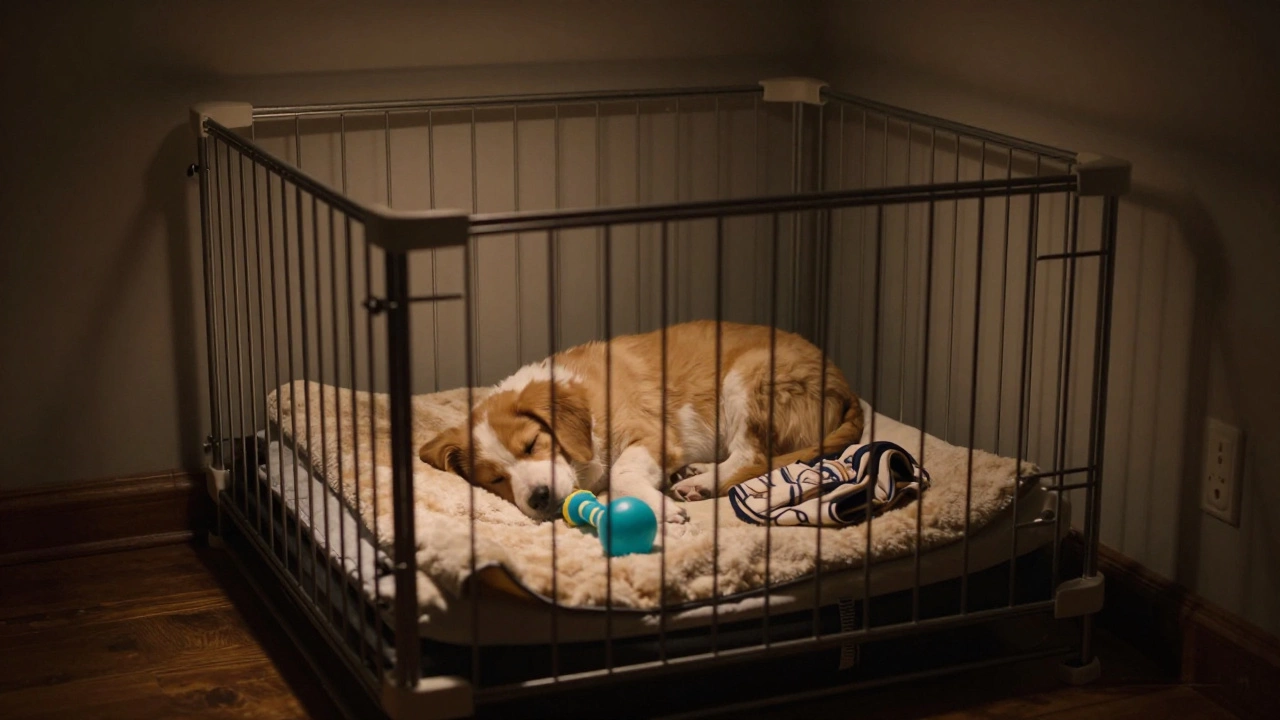
If you are away from home during the evening, consider using a baby gate to confine the puppy to a puppy-proofed area rather than a small crate. This gives them space to move around slightly while preventing destruction. Provide safe chews and toys to keep them occupied until you return. When you get home, engage in a calm greeting and then start the bedtime routine.
Remember, the goal is not perfection. It is progress. Some nights will be better than others. Some puppies will adjust quickly, while others will take weeks to settle. Patience and consistency are your best tools.
Final Thoughts on Puppy Bedtime
So, is 8 PM too early for a puppy to go to bed? Absolutely not. For many puppies, it is the perfect time. It aligns with their natural sleep cycles, prevents overtired behavior, and sets the stage for a peaceful night for both you and your new companion. Focus on reading your puppy's cues, maintaining a consistent routine, and providing adequate exercise and mental stimulation during the day. Over time, you will find a rhythm that works for your household, leading to a well-rested, happy, and healthy dog.
How long can a puppy hold their bladder at night?
A general rule of thumb is that puppies can hold their bladder for one hour per month of age, up to a maximum of 8 hours. So, an 8-week-old (2-month-old) puppy can typically hold it for about 2-3 hours. This means you may need to wake up once or twice during the night to take them out. As they mature, this interval increases.
Should I let my puppy cry in the crate?
If you have ruled out physical needs like hunger, thirst, or the need to eliminate, brief periods of crying are normal. Immediately letting them out rewards the crying behavior. Wait a few minutes to see if they settle. If the crying persists, take them out quietly and return them. Consistency is crucial to teaching them that the crate is a safe place to sleep.
What if my puppy wakes up and barks at 3 AM?
First, determine if they need to go potty. If yes, take them out silently and return them. If they do not need to go, ignore the barking. Do not talk to them or let them out. Giving attention, even negative attention, reinforces the behavior. Most puppies learn to sleep through the night by 4-6 months of age with consistent training.
Can I use music to help my puppy sleep?
Yes, many owners find that classical music, reggae, or specialized "dog relaxation" playlists can help calm a puppy. White noise machines or fans can also mask household noises that might startle them. Experiment to see what soothes your specific puppy, but keep the volume low.
Is it okay to feed my puppy right before bed?
It is generally better to feed your puppy a few hours before bedtime to allow for digestion and a final potty break. Feeding right before bed can lead to nighttime accidents or discomfort. However, giving a small, long-lasting chew toy in the crate at bedtime is a great way to keep them occupied and calm.