
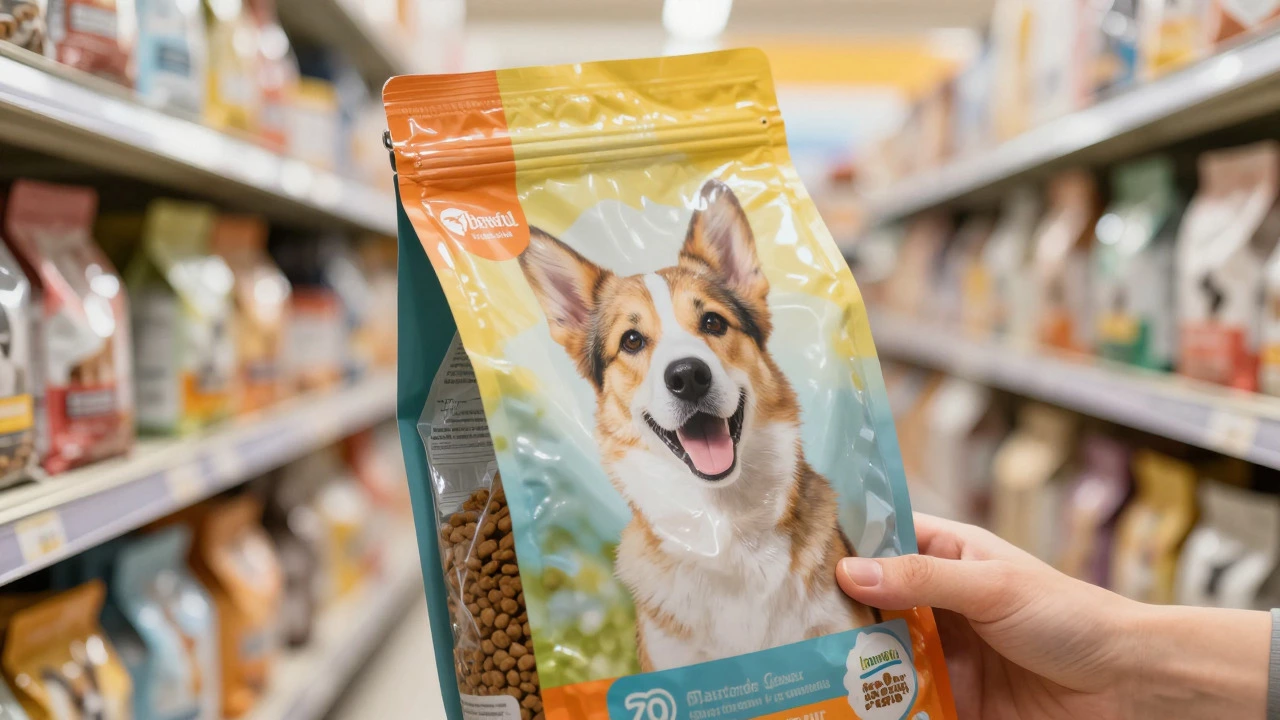
Beneful Feeding Calculator & Safety Check
You pick up a bag of Beneful, one of the most recognizable brands in the pet aisle, and you see the smiling dog on the package. It’s affordable, it’s everywhere, and your vet might have recommended it years ago. But then you remember the old rumors about eye damage or the vague warnings from online forums. You pause. Is this food actually safe for your dog, or are you risking their health to save a few dollars?
The short answer is yes, Beneful is generally considered safe for most dogs when fed as part of a balanced diet. It meets the nutritional standards set by the Association of American Feed Control Officials (AAFCO). However, "safe" doesn't always mean "optimal." Like many commercial kibbles, it relies heavily on grains and fillers that can trigger sensitivities in some breeds. Understanding what’s inside that bag-and what isn’t-is the only way to decide if it fits your specific dog’s needs.
The Safety Record: Separating Fact from Fear
Let’s address the elephant in the room first. For years, Beneful has been the subject of intense scrutiny. In 2013, a class-action lawsuit alleged that certain formulas caused retinal degeneration and blindness in dogs. This fear still lingers in search results today. The truth is more nuanced. The U.S. Food and Drug Administration (FDA) and the AAFCO investigated these claims thoroughly. They found no evidence linking Beneful to retinal issues. The lawsuits were eventually settled out of court, but notably, the manufacturer, Purina, did not admit to any wrongdoing or defect in the product.
Since then, there have been no widespread recalls related to toxic contamination or life-threatening deficiencies in Beneful products. Purina maintains rigorous quality control, testing every batch for contaminants like salmonella and heavy metals. While no brand is immune to occasional manufacturing errors, Beneful’s track record since 2013 has been stable. If you are worried about major safety scandals, the data suggests you are likely looking at outdated information.
Decoding the Ingredient List
Safety is one thing; nutrition is another. To understand if Beneful is right for your dog, you need to look past the marketing images of whole chickens and carrots. Let’s break down what is actually in the bowl.
| Ingredient Category | Common Components | Nutritional Role |
|---|---|---|
| Protein Sources | Chicken meal, corn gluten meal | Muscle maintenance, energy |
| Carbohydrates/Fillers | Corn, wheat, soybean meal | Binder for kibble, quick energy |
| Fats | Poultry fat, chicken fat | Skin/coat health, calorie density |
| Vitamins & Minerals | Zinc sulfate, iron sulfate, vitamins A, D, E | Immune support, bone health |
The primary protein source is usually chicken meal, which is a concentrated form of protein made by cooking chicken and removing moisture. This is a standard ingredient in mid-tier foods and provides decent amino acids. However, the second and third ingredients often include corn and wheat. These are not just cheap fillers; they serve a purpose. They provide carbohydrates for energy and help hold the kibble together during extrusion. The problem arises when your dog has a grain sensitivity. Corn and wheat are common allergens for dogs, potentially leading to itching, ear infections, or digestive upset.
If your dog tolerates grains well, these ingredients are harmless. If your dog has a sensitive stomach or a history of allergies, Beneful’s heavy reliance on cereals might be a poor choice. Always check the specific formula, as Purina offers limited-ingredient options that exclude common triggers like beef or dairy.
Nutritional Adequacy vs. Quality
When we talk about whether a food is "good," we often confuse adequacy with quality. Beneful is adequate. It meets the minimum requirements for protein, fat, and micronutrients established by AAFCO for adult maintenance. This means a healthy dog eating nothing but Beneful will not suffer from malnutrition or vitamin deficiencies. That is a high bar, and many boutique brands fail to clear it.
However, adequacy does not equal optimization. High-end holistic brands often use novel proteins like duck or salmon and avoid grains entirely. They may offer better digestibility or specific health benefits for senior dogs or those with joint issues. Beneful sits firmly in the mass-market category. It prioritizes shelf stability, cost-effectiveness, and broad palatability over premium sourcing. For a young, active, healthy dog with no known allergies, this trade-off is often acceptable. For a dog with chronic health issues, you might want to invest in a prescription diet or a higher-quality commercial option.

Who Should Avoid Beneful?
Not every dog is a candidate for a grain-inclusive, mid-tier kibble. Here are the scenarios where Beneful might cause more harm than good:
- Dogs with Grain Allergies: If your dog scratches excessively or has recurrent ear infections, the corn and wheat in standard Beneful formulas could be the culprit. Switch to a limited-ingredient diet instead.
- Puppies with Rapid Growth Needs: While Beneful has puppy formulas, large-breed puppies require precise calcium-to-phosphorus ratios to prevent skeletal deformities. Ensure you are using a formula specifically labeled for large-breed growth, not just general puppy food.
- Dogs with Pancreatitis History: Some Beneful recipes are higher in fat to enhance taste. If your dog has a history of pancreatitis, consult your vet before choosing a high-fat kibble.
- Senior Dogs with Kidney Issues: Older dogs often need lower phosphorus and higher fiber. Standard adult formulas may not provide the necessary renal support.
Cost vs. Value Analysis
One of the biggest selling points of Beneful is price. It is significantly cheaper than premium brands like Orijen or Acana. But is it worth the savings? Let’s look at the math. If your dog eats half the bag because they are less satisfied with the taste or digestibility, you aren’t saving money. Palatability matters. Many owners report that dogs enjoy Beneful due to its coating and aroma, which helps ensure they eat their full portion.
Consider the long-term health costs. If a low-quality diet leads to obesity, dental disease, or allergic reactions, the vet bills will far exceed the difference in food prices. Conversely, if your dog thrives on Beneful-maintaining a healthy weight, shiny coat, and regular bowel movements-then it represents excellent value. Monitor your dog’s body condition score monthly. If they are gaining weight unexpectedly, reduce portions rather than blaming the food immediately, as overfeeding is a common issue with highly palatable kibbles.

Alternatives to Consider
If you are unsure about Beneful, you don’t have to switch to the most expensive brand on the shelf. There are middle-ground options that offer better ingredient profiles without breaking the bank.
- Purina Pro Plan: Also owned by Purina, this line uses higher-quality proteins and fewer fillers. It’s a step up in nutrition while maintaining reliability.
- Royal Canin Breed-Specific Formulas: Tailored to the genetic traits of specific breeds, these foods address unique nutritional needs.
- Merrick Real Meat Recipes: Offers grain-free options with real meat as the first ingredient, suitable for dogs with mild sensitivities.
- Eukanuba: Another strong contender in the mid-to-high tier market, focusing on science-based nutrition.
Switching foods should always be done gradually. Mix increasing amounts of the new food with decreasing amounts of the old over 7-10 days to avoid digestive upset. Watch for soft stools or vomiting, which indicate the transition is too fast or the new food disagrees with your dog.
Final Thoughts on Making the Right Choice
So, is Beneful ok for dogs? Yes, it is safe, nutritious, and reliable for the average healthy dog. It is not a miracle food, nor is it dangerous. It is a functional, economical choice that has stood the test of time despite controversy. Your decision should hinge on your dog’s individual health profile. If they have no allergies and thrive on it, keep buying it. If they show signs of sensitivity, explore grain-free or limited-ingredient alternatives. Always prioritize your dog’s observed health outcomes over internet rumors or marketing hype.
Did Beneful cause blindness in dogs?
No scientific evidence links Beneful to blindness. Although a lawsuit was filed in 2013 alleging retinal degeneration, investigations by the FDA and AAFCO found no causal link. The lawsuit was settled without admission of guilt by Purina.
Is Beneful better than Purina One?
Both are reputable mid-tier brands. Purina One often features slightly higher protein content and more varied flavor profiles, while Beneful is known for its palatability and lower price point. The "better" choice depends on your dog's taste preferences and specific nutritional needs.
Can I feed Beneful to my puppy?
Yes, but only if you use the formula specifically labeled for puppies. Adult formulas do not contain the higher levels of protein, fat, and calcium required for proper growth and development in young dogs.
Does Beneful contain artificial colors or preservatives?
Most standard Beneful dry formulas do not contain artificial colors. They typically use mixed tocopherols (Vitamin E) as a natural preservative for fats. However, some wet food varieties may contain different preservatives, so always check the label.
How much Beneful should I feed my dog?
Feeding amounts vary by weight, age, and activity level. Generally, a 50-pound dog might eat 1.5 to 2 cups per day, split into two meals. Always follow the guidelines on the packaging and adjust based on your dog's body condition to prevent obesity.