
Puppy Care & Development Tracker
Enter your puppy's age above to see specific advice.
You just brought home a fluffy bundle of joy. Your heart is full, your camera roll is already overflowing, and you are absolutely in love. But then the reality hits: that cute ball of fur needs food, sleep, potty breaks, and a whole lot of patience. If you’re staring at your new puppy wondering where to even start, you aren’t alone. Most first-time owners feel overwhelmed by the sheer volume of advice out there. Some say crate train immediately; others say let them roam free. One vet recommends kibble, another pushes raw diets. It’s enough to make you want to hide under the covers.
Here is the good news: you don’t need to be perfect. You just need to be consistent. This guide cuts through the noise and gives you a clear, actionable roadmap for the first year. We’ll cover what to buy, how to feed, when to train, and how to keep your pup healthy without burning a hole in your wallet or your sanity. Let’s get your puppy set up for success.
The Puppy Care Checklist: What You Need Before Day One
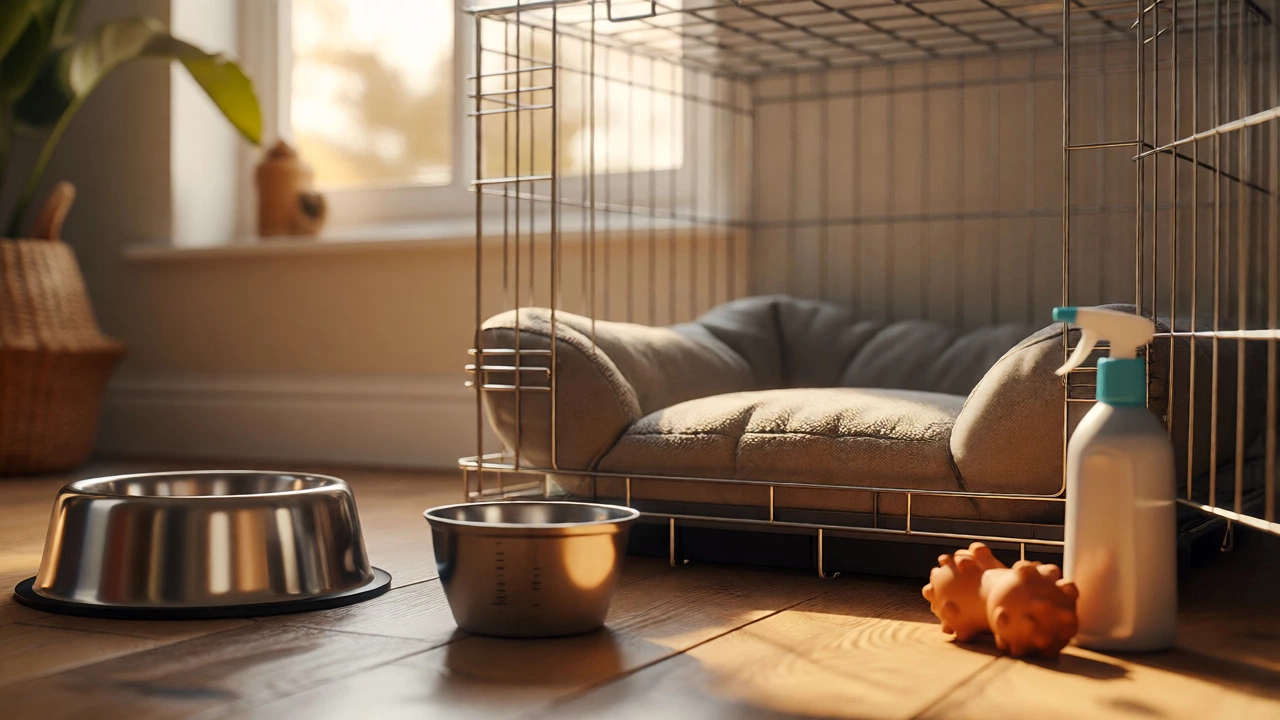
Don’t wait until the puppy is already chewing your sofa legs to buy supplies. Having everything ready reduces stress for both you and your dog. Think of this as setting up a nursery, but with more slobber.
| Item Category | Specific Items | Why It Matters |
|---|---|---|
| Feeding Gear | Stainless steel bowls (food & water), measuring cup | Plastic can cause acne on chins; stainless is easy to clean and durable against sharp teeth. |
| Comfort Zone | Crate (appropriately sized), cozy bed, chew toys | A crate provides security and aids housebreaking. Chews save your furniture during teething. |
| Hygiene Kit | Enzymatic cleaner, poop bags, grooming brush | Enzymatic cleaners break down urine proteins so puppies don’t re-mark the same spot. |
| Safety & Walks | Adjustable collar/harness, leash, ID tags | Puppies grow fast. An adjustable harness prevents neck strain and keeps them secure outdoors. |
One often overlooked item? A high-quality enzymatic cleaner. If your puppy has an accident inside, regular household cleaners might mask the smell from your nose, but your puppy’s nose will still detect the pheromones. That means they will likely pee there again. Enzymatic cleaners destroy the scent source entirely.
Nutrition Basics: Fueling Growth Without the Guesswork
What you feed your puppy matters more than almost anything else in their first year. Puppies aren’t just small dogs; they are growing machines with different nutritional needs. They require higher levels of protein and fat than adult dogs to support rapid bone and muscle development.
Start with the food the breeder or shelter was using. Sudden diet changes upset delicate puppy stomachs. Transition to your chosen brand over 7-10 days by mixing increasing amounts of the new food with decreasing amounts of the old one. Look for labels that say "complete and balanced" for growth or all life stages. In Ireland and the UK, look for compliance with FEDIAF standards, which ensure minimum nutrient requirements are met.
How much should you feed? Check the bag, but use it as a starting point. Monitor your puppy’s body condition score. You should be able to feel their ribs easily without pressing hard, but not see them sticking out. If you can’t feel the ribs, cut back slightly. If you see them clearly, add a bit more. Feed three times a day until six months, then switch to twice daily. Free-feeding (leaving food out all day) rarely works well for housebreaking because it makes predicting potty times difficult.
Housebreaking: Patience Pays Off
This is usually the biggest headache for beginners. Here is the golden rule: take them out often, reward heavily, and never punish accidents after the fact.
Young puppies have tiny bladders. A general rule of thumb is that a puppy can hold their bladder for one hour per month of age. So, a two-month-old puppy needs a break every two hours. Set alarms if you have to. Take them out immediately after waking up, eating, playing, or drinking. Use a specific phrase like "go potty" while they are doing their business. When they finish outside, praise them enthusiastically and give a treat immediately. This connects the action with the reward.
If you find an accident inside, do not rub their nose in it. They won’t understand why you are angry. Just clean it up thoroughly with that enzymatic cleaner we mentioned earlier. If you catch them in the act, interrupt gently with a noise (like a clap) and rush them outside. If they finish outside, reward them. Consistency is key. Accidents happen. It’s part of the process.
Socialization: The Critical Window
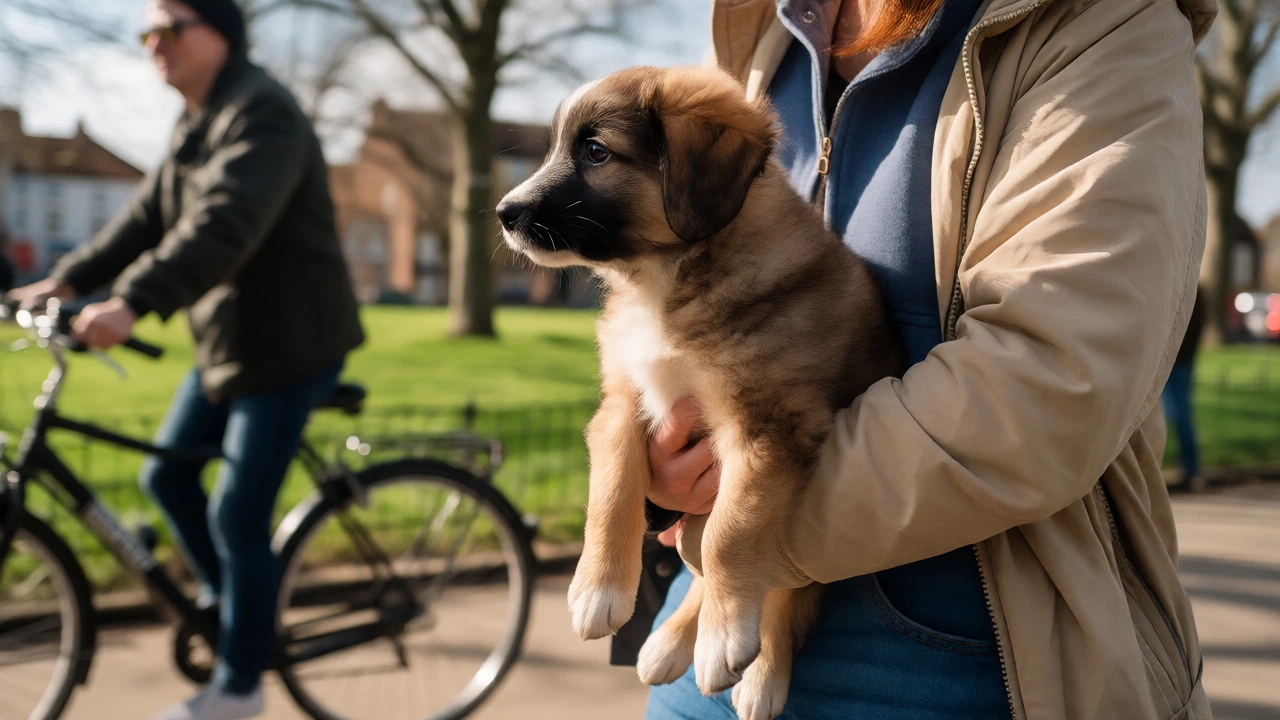
Between 3 and 14 weeks of age, puppies go through a critical socialization period. What they experience now shapes their adult behavior. Positive exposure to various people, sounds, surfaces, and other animals helps prevent fear-based aggression or anxiety later in life.
But here is a common mistake: waiting until all vaccinations are done before letting them explore. Modern veterinary guidance suggests that early socialization is vital, even before the final vaccine. Just avoid areas with heavy dog traffic (like busy parks) where unvaccinated dogs might leave pathogens. Carry your puppy around town. Let them hear traffic, see bicycles, meet calm adults and children, and walk on grass, gravel, and pavement. Keep experiences positive. If your puppy seems scared, don’t force interaction. Let them observe from a distance and reward calm behavior.
Consider enrolling in a puppy preschool class once they’ve had their first round of shots. These classes provide controlled environments for safe play and basic obedience. It’s also great for you to meet other puppy parents.
Training Essentials: Start Small, Win Big
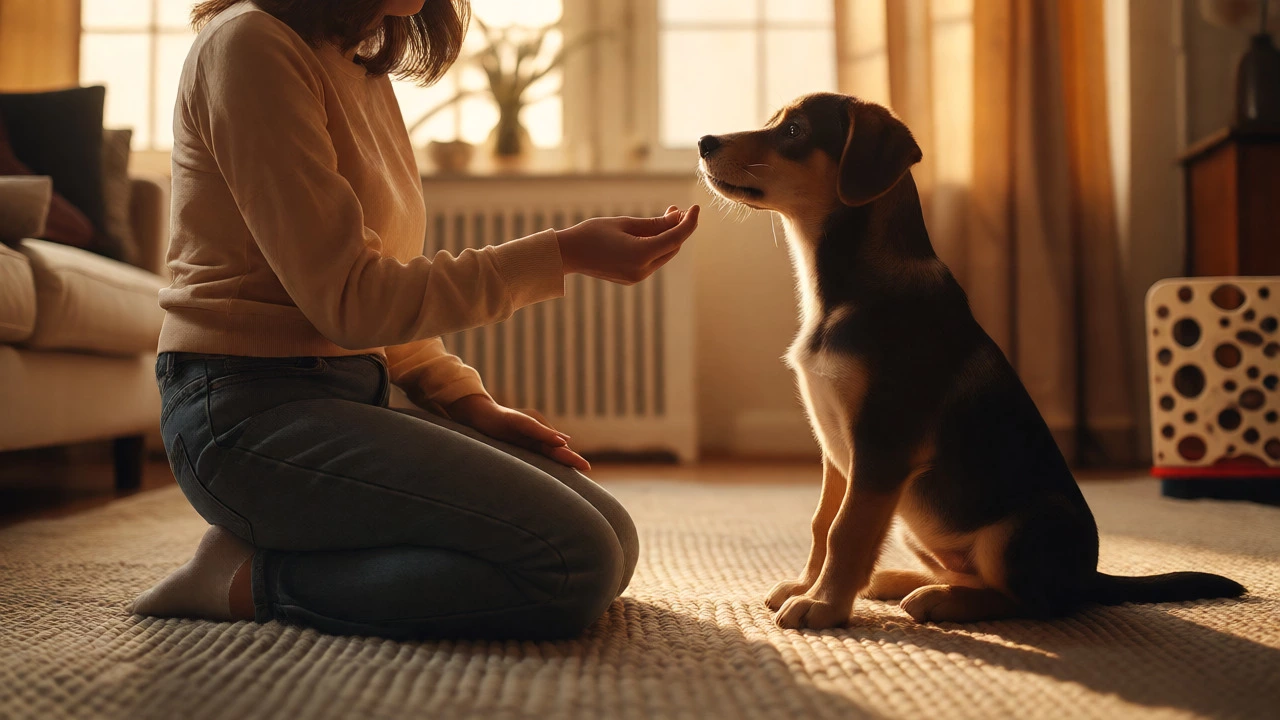
Forget complex tricks for now. Focus on survival skills: name recognition, coming when called, and settling down. Short sessions work best-five minutes, several times a day. End each session on a success note, no matter how small.
Use positive reinforcement. This means rewarding desired behaviors with treats, praise, or toys, rather than punishing unwanted ones. For example, if your puppy jumps on guests, ignore them until all four paws are on the floor, then reward. Yelling "no" often just excites them more.
Teach "leave it" early. This command can save your puppy from eating something dangerous off the sidewalk. Practice with low-value items first, then gradually increase difficulty. Always have high-value treats (like small pieces of chicken or cheese) ready for challenging tasks.
Veterinary Care and Health Maintenance
Your puppy’s health journey starts with finding a vet you trust. Schedule a check-up within the first few days of bringing them home. Discuss vaccination schedules, deworming, and flea/tick prevention. In Ireland, microchipping is mandatory by law, so ensure this is done promptly.
Keep a calendar for booster shots. Missing a dose can compromise immunity. Also, ask about spaying or neutering timing. Traditionally, vets recommended waiting until six months, but recent studies suggest larger breeds may benefit from waiting longer to allow joint development. Ask your vet what’s best for your specific breed.
Dental care starts now, too. Get your puppy used to having their mouth handled. Gently lift their lips and touch their gums. Eventually, introduce a finger brush or puppy toothpaste. Bad breath isn’t normal-it’s often a sign of gum disease or dietary issues.
Common Beginner Pitfalls to Avoid
Even well-meaning owners make mistakes. Here are three big ones:
- Over-exercising: Too much running or jumping can damage developing joints, especially in large breeds. Stick to short, frequent walks rather than long hikes.
- Inconsistent rules: If grandma lets the puppy on the couch but you don’t, the puppy gets confused. Everyone in the household must follow the same rules.
- Ignoring mental stimulation: A tired body doesn’t equal a tired mind. Use puzzle feeders, snuffle mats, and training games to burn energy mentally. This reduces destructive chewing.
Remember, raising a puppy is a marathon, not a sprint. There will be bad nights and messy mornings. But watching your puppy grow into a confident, happy dog makes every bit of effort worthwhile. Stay patient, stay consistent, and enjoy the journey.
How often should I feed my puppy?
Feed puppies three times a day until they are about six months old. After six months, you can transition to twice-daily feeding. Always follow the guidelines on your food packaging and adjust based on your puppy's body condition score.
When can I take my puppy for walks?
You can carry your puppy in public places before they are fully vaccinated to help with socialization. However, avoid walking on ground where other dogs might have been until they have completed their vaccination series (usually around 16 weeks). Check with your vet for specific local advice regarding disease risks.
How long does it take to potty train a puppy?
Most puppies are largely house-trained by 4 to 6 months, but accidents can continue until they are about a year old. Consistency, frequent outings, and positive reinforcement speed up the process significantly.
Should I crate train my puppy?
Yes, crate training is highly recommended. It provides a safe den-like space for the puppy, aids in housebreaking by leveraging their instinct not to soil their sleeping area, and ensures safety when you cannot supervise them directly.
What human foods are toxic to puppies?
Chocolate, grapes, raisins, onions, garlic, xylitol (an artificial sweetener found in gum and peanut butter), and alcohol are all toxic to dogs. Even small amounts can be dangerous. Always check ingredients before sharing human food.