
Dog Collar Safety & Comfort Checker
Assess Your Situation
Recommendation
Select your options above and click "Check Recommendation" to see if it's safe to leave the collar on.
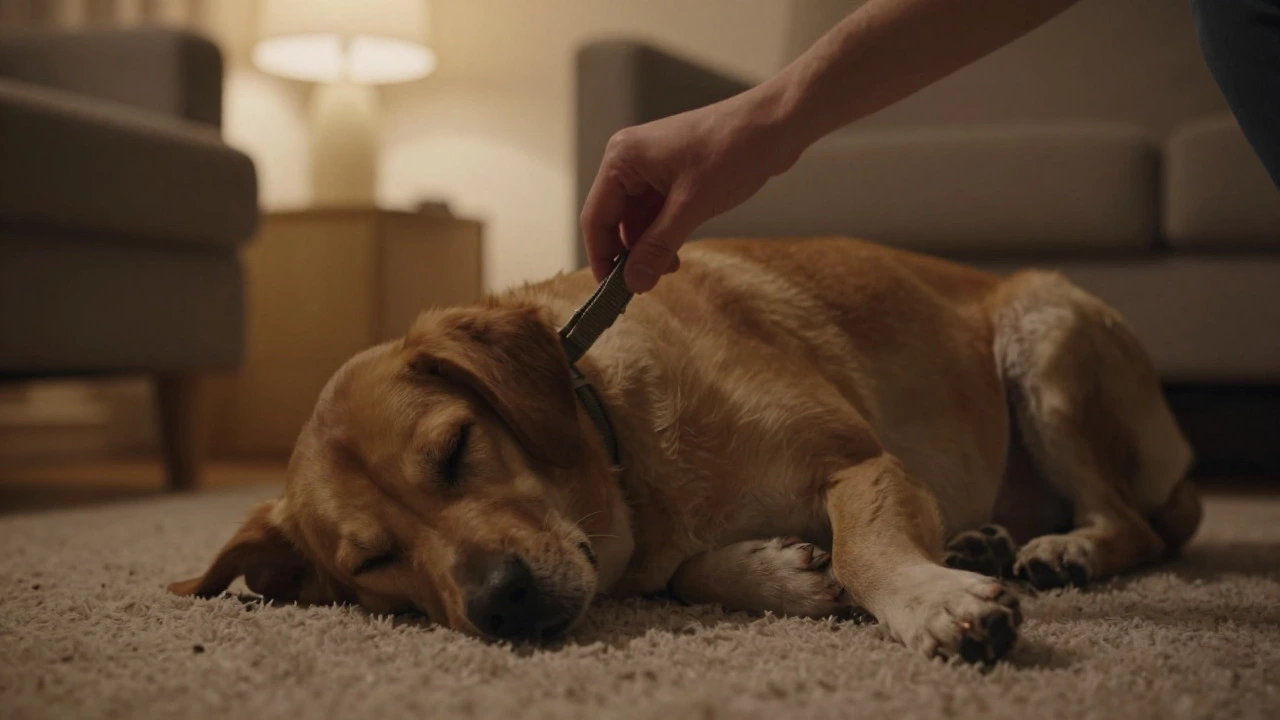
It’s 10 PM. The house is quiet. You’re getting ready for bed, and you glance down at your dog, who is settling into their crate or favorite rug. They look cozy, but that nylon strap around their neck looks a little tight against the fur. Do you leave it on? Or do you slip it off?
This is one of those debates where almost every dog owner has an opinion. Some swear by leaving the collar on 24/7 for identification purposes. Others strip everything off the moment they get home from a walk. The truth isn’t black and white-it depends entirely on what kind of collar you have, how your dog sleeps, and the specific risks in your home.
If you’ve ever woken up to find your dog tangled in their bedding, or worried about a snag hazard while they nap under the table, this guide will help you make the safest choice. We’ll break down the risks of leaving a dog collar on overnight, when it might actually be safer to keep it on, and how to ensure your pup gets a restful, safe night’s sleep.
The Case for Removing the Collar: Safety First
For many veterinarians and professional trainers, the default recommendation is simple: if the collar isn’t needed for identification or control, take it off. The primary reason is strangulation risk.
Dogs are not humans. They don’t just lie still; they wriggle, roll, and sometimes sleep in awkward positions. A collar can easily catch on:
- Crate bars or wire fencing
- Legs of furniture (chairs, tables)
- Other pets’ toys or beds
- Even their own legs if they curl up tightly
If a collar gets caught, the instinctive reaction is to pull away. This creates tension. If the buckle is sturdy, the collar stays put, and the pressure increases on the trachea (windpipe) or the cervical spine. In severe cases, this can lead to choking, nerve damage, or even death. It sounds dramatic, but it happens more often than people think.
There’s also the issue of skin health. Leaving a collar on 24 hours a day traps moisture, dirt, and hair against the skin. This can lead to hot spots, fungal infections, or matting, especially in breeds with long or thick coats like Golden Retrievers or Shih Tzus. Giving the skin a chance to breathe overnight can prevent these uncomfortable conditions.
When Keeping the Collar On Makes Sense
Safety is paramount, but convenience and emergency preparedness play a role too. There are specific scenarios where keeping the collar on is the smarter move.
1. The Escape Artist
If your dog has a history of bolting out the door when you open it, or if you live in a high-traffic area where windows might accidentally be left ajar, having ID tags on them at all times is crucial. If they escape in the middle of the night, those tags could mean the difference between being found quickly or ending up in a shelter.
2. Medical Identification
Does your dog require daily insulin injections? Do they have a seizure disorder? If so, a medical alert tag is vital. In an emergency situation-like a fire or a sudden collapse-you want first responders to know immediately what medications your dog needs. Removing the collar removes that critical information.
3. Multi-Pet Households >In homes with multiple dogs, removing collars can sometimes lead to confusion or accidental aggression if the dogs aren’t fully familiar with each other’s scents without visual cues. However, this is rare. Most multi-pet households are fine with collars off, provided the dogs are well-socialized.
Not All Collars Are Created Equal
The type of collar you use significantly impacts the decision. Let’s look at the most common types and their overnight risks.
| Collar Type | Description | Overnight Risk Level | Recommendation |
|---|---|---|---|
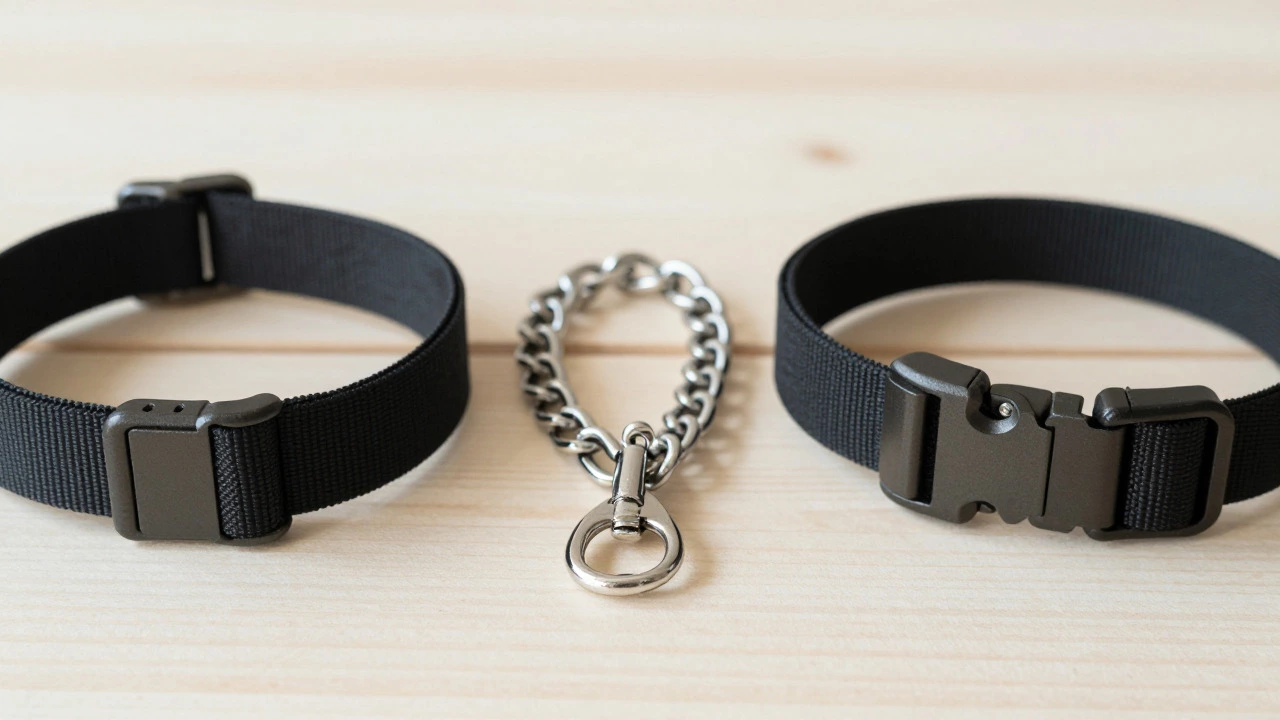
| Flat Nylon Collar | Standard fabric collar with a metal buckle. | Moderate | Remove if possible. Low snag risk, but still a strangulation hazard if caught. |
| Martingale Collar | Tightens slightly when pulled, used for sighthounds or escape artists. | High | Always remove. The tightening mechanism can cause serious injury if snagged. |
| Chain/Prong Collar | Metal links that pinch the skin. | Very High | Never leave on. Causes pain and potential puncture wounds. |
| Breakaway Collar | Designed to snap open under pressure. | Low | Safest option to leave on. Releases if caught. |
| GPS Tracker Collar | Bulky collar with electronic device. | Moderate to High | Remove unless necessary. Bulky devices can get caught easily and irritate skin. |
As you can see, a standard flat collar is relatively low-risk compared to a martingale or chain collar. But even a flat collar poses a threat if your dog is a restless sleeper.
The Breakaway Solution: Best of Both Worlds
If you’re torn between safety and convenience, the breakaway collar is your best friend. These collars feature a special buckle that releases when pulled with a certain amount of force (usually around 5-10 pounds).
Here’s how it works: If your dog walks through the garden, the collar stays on. But if they jump into their crate and the collar catches on the door latch, the buckle pops open. The collar falls off, but the dog is free.
This is the gold standard for indoor wear. Many owners switch to a breakaway collar for home use and a sturdier, traditional collar for walks. This way, you always have ID on your dog, but you eliminate the strangulation risk during sleep.
How to Check If Your Current Collar Fits Correctly
Whether you leave the collar on or take it off, fit matters. A collar that is too loose is a major snag hazard. A collar that is too tight restricts airflow and causes discomfort.
Use the "Two-Finger Rule":
- Put the collar on your dog.
- Slide two fingers comfortably between the collar and your dog’s neck.
- If you can’t fit two fingers, it’s too tight. If you can fit three or more, it’s too loose.
Also, check the placement. The collar should sit high on the neck, just below the ears, not low down near the shoulders. This prevents it from sliding down over the head if the dog pulls back, which is a common way collars get stuck.
Alternatives to Traditional Collars for ID
If you decide to remove the collar entirely, you still need identification. Here are some effective alternatives:
- Microchipping: This is the most reliable form of permanent ID. Unlike tags, microchips can’t fall off. Ensure your contact information is registered and up-to-date with the microchip database.
- Harnesses with ID Pockets: Some harnesses have small pockets or loops for tags. However, harnesses themselves can pose entanglement risks if left on overnight, so this isn’t always a perfect solution for sleep time.
- AirTag or Smart Tag Attached to Bedding: If you use an Apple AirTag or similar tracker, you can attach it to your dog’s bed or crate instead of their neck. This helps you locate them indoors without risking their neck.
Special Considerations for Puppies and Senior Dogs
Puppies are curious explorers. They chew, bite, and investigate everything. A collar is a prime target for teething puppies. Not only can they swallow parts of the collar, but they can also tighten it around their necks by pulling. For puppies under six months, it’s generally recommended to remove the collar whenever unsupervised.
Senior dogs, on the other hand, may have arthritis or reduced mobility. A collar that was comfortable last year might feel restrictive now. Additionally, older dogs may sleep more deeply and react slower to discomfort. If your senior dog seems irritated by the collar, or if you notice red marks after waking up, consider switching to a softer material or removing it entirely at night.
Creating a Safe Sleep Environment
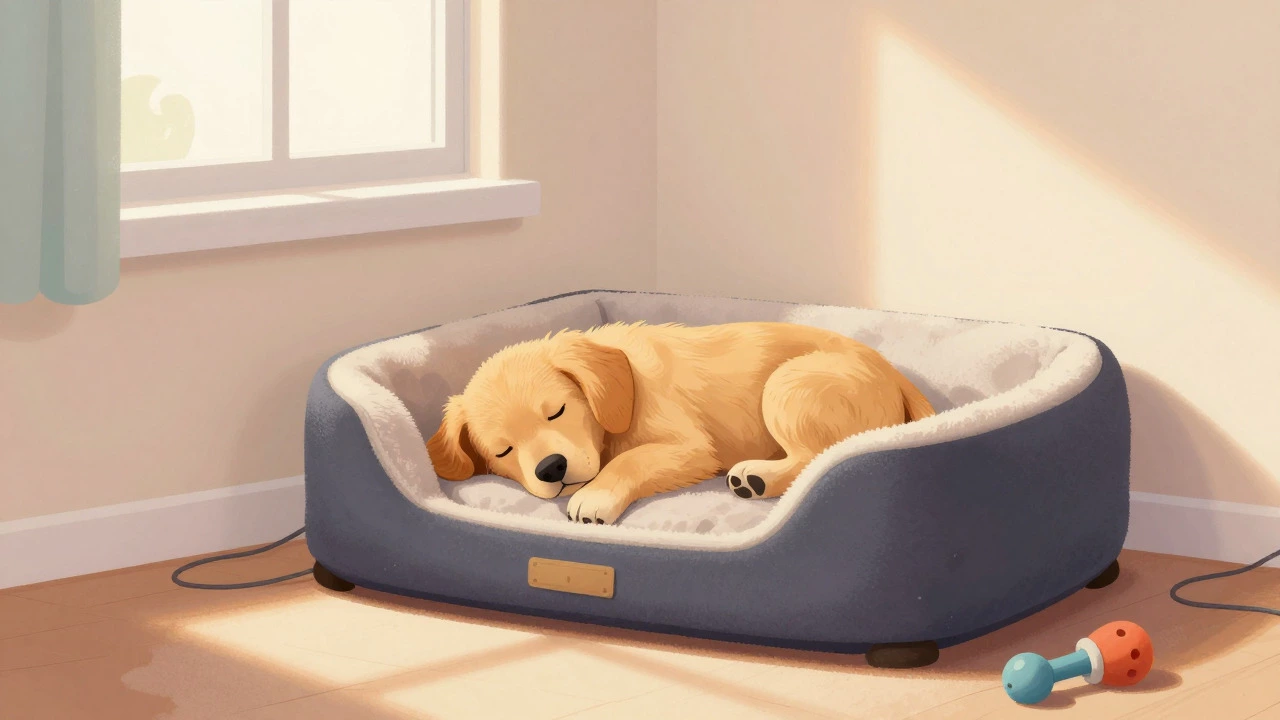
If you choose to leave the collar on, or even if you remove it, ensuring the sleep area is safe is crucial.
Inspect your dog’s sleeping area for potential hazards:
- Crate Safety: Ensure there are no loose wires, sharp edges, or gaps where a paw or nose could get stuck. If using a wire crate, make sure the door latches securely but doesn’t have protruding parts that could catch a collar.
- Furniture Clearance: If your dog sleeps on the floor, keep heavy rugs tucked in or removed if they tend to drag them. Avoid placing their bed directly under tables with thin legs where they could crawl underneath and get trapped.
- Toys: Remove small toys or ropes that could be swallowed or tangled in a collar if left on.
A clean, clutter-free sleep zone reduces the likelihood of accidents, regardless of whether the collar is on or off.
Signs Your Dog Is Uncomfortable With Their Collar
Your dog can’t tell you if their collar is chafing, but they will show you. Watch for these signs:
- Excessive scratching at the neck area
- Redness or hair loss under the collar
- Shaking their head vigorously after putting the collar on
- Reluctance to wear the collar during the day
- Visible marks or indentations on the skin
If you notice any of these, try switching to a wider, padded collar, or simply remove it at night. Sometimes, a simple change in material-from nylon to leather or soft mesh-can make a huge difference in comfort.
Final Thoughts: Trust Your Instincts
There is no single rule that applies to every dog. The best approach is to assess your individual situation. Consider your dog’s behavior, the type of collar you use, and your home environment.
If your dog is a calm sleeper in a secure room, removing the collar is likely the safest and most comfortable option. If your dog is an escape risk or has medical needs, a breakaway collar offers a great compromise. Always prioritize safety over convenience. A good night’s sleep is essential for your dog’s health, and eliminating unnecessary risks ensures they wake up refreshed and ready for another day.
Is it safe to leave a GPS tracker collar on my dog at night?
Generally, it is better to remove bulky GPS tracker collars at night. The added weight and size increase the risk of snagging on furniture or crate bars. Unless your dog is an extreme escape artist, the safety risk outweighs the benefit of tracking them indoors. If you must leave it on, ensure the collar fits snugly but comfortably, and check for irritation regularly.
Can a dog choke on their own collar while sleeping?
Yes, it is possible. While rare, dogs can become entangled in their collars if they catch on objects like crate bars, furniture legs, or even their own limbs. If the collar does not release, the dog may panic and pull, leading to choking or tracheal damage. This is why breakaway collars are recommended for indoor use.
What is a breakaway collar and how does it work?
A breakaway collar is designed with a special buckle that opens when subjected to moderate pressure. This allows the collar to stay on during normal activity but release if it gets caught on something. It provides the benefits of identification tags without the high risk of strangulation associated with traditional buckles.
Should I remove my puppy's collar at night?
Yes, it is highly recommended to remove a puppy's collar at night. Puppies are curious and may chew on the collar, potentially swallowing parts of it or tightening it around their neck. Additionally, puppies grow quickly, so a collar that fits today may be too tight tomorrow. Removing it reduces choking hazards and skin irritation.
How do I know if my dog's collar is too tight?
Use the two-finger test. You should be able to comfortably slide two fingers between the collar and your dog's neck. If you can't fit two fingers, it's too tight. If you can fit three or more, it's too loose and may slip off or snag easily. Also, check for red marks or hair loss around the neck area.