
Dog Bedding Decision Tool
Answer the following questions to see if sharing your bed is a good fit for your lifestyle and your dog's needs.
The Emotional Connection and Comfort
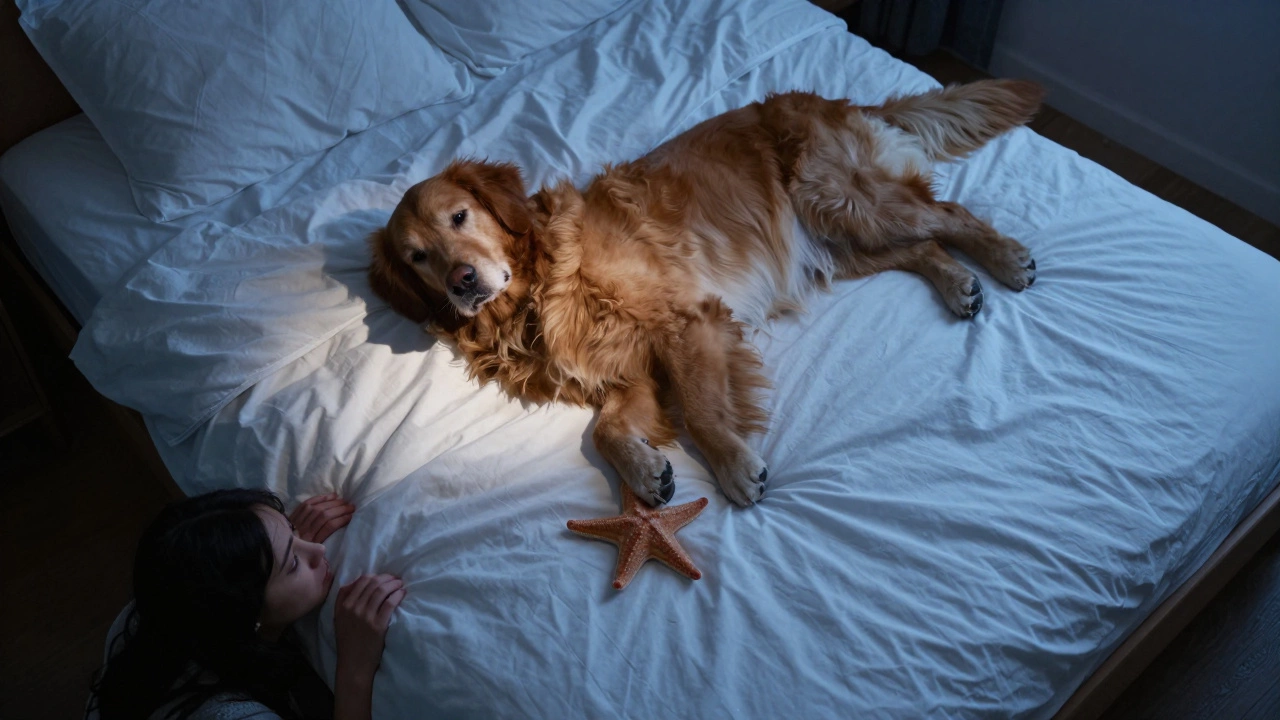
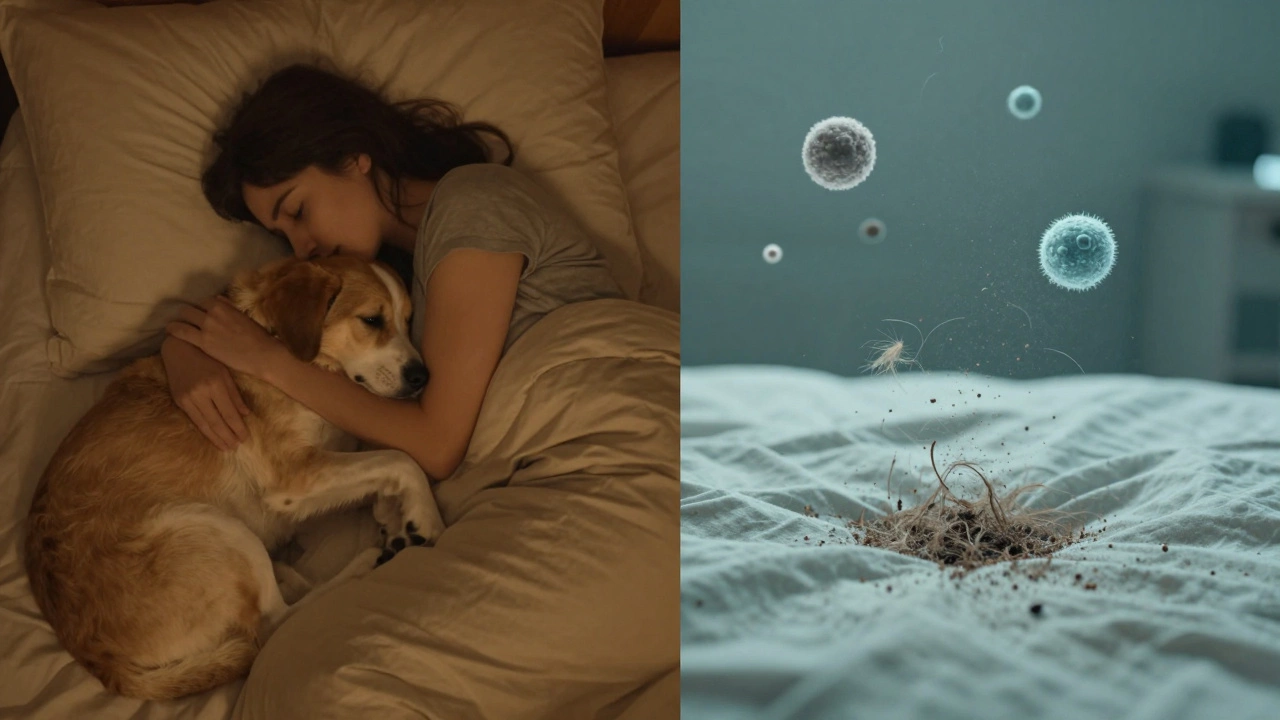
For many, letting a dog sleep in bed is about more than just a cozy nap; it's about security. Dogs are social pack animals that naturally seek proximity to their owners for warmth and protection. When your dog curls up against you, it triggers the release of oxytocin-the "love hormone"-in both you and the dog. This can lower stress levels and help you fall asleep faster if you're someone who struggles with anxiety. However, this bond can sometimes cross into separation anxiety. If a dog only feels safe when they are touching you, they might struggle when you leave the house. You've probably seen it: the dog that panics the moment you step into the hallway. By providing a separate space, you teach your pet that they are safe and secure even when they aren't physically attached to your hip. Let's be honest about the dirt. Dogs don't have the luxury of a shower before bed, and they spend their day exploring the great outdoors with their noses. Shedding is a constant battle. If you have a Golden Retriever or a Lab, your sheets will essentially become a collection of fur within a week. This isn't just about aesthetics; for anyone with allergies, the accumulation of dander and outdoor pollutants can lead to nighttime congestion and sneezing. Then there's the "outdoor' factor. Even the cleanest dog can bring in pollen, dust, and the occasional parasite. Fleas and Ticks are opportunistic; once they are on the bed, they have a prime location to migrate to their human hosts. If you choose to let your dog up, a strict paw-wiping routine and regular preventatives are non-negotiable. You're not just protecting your sheets; you're protecting your skin. Human sleep is a delicate process. We move through different stages, including REM sleep, which requires a certain level of undisturbed physical space. When a 60-pound dog shifts their weight or decides to dream-chase a squirrel, they disrupt your sleep cycle. You might not wake up fully, but you'll likely enter a lighter stage of sleep, leaving you feeling groggy the next morning despite "sleeping" for eight hours. For people with chronic back pain or joint issues, the extra heat and restricted movement can make things worse. Dogs are like little heaters, and while that's great in a Dublin winter, it can lead to overheating in the summer. If you find yourself tossing and turning just to find a cool spot on the mattress, your dog's presence might be the primary culprit.
Age and health play a huge role in this decision. For an elderly dog with Osteoarthritis, a soft mattress might actually be more comfortable than a thin floor mat. However, the climb up into a high bed can be dangerous for a senior dog. Jumping off a high mattress can put immense pressure on their joints or lead to injuries if they slip. On the flip side, puppies often need the boundaries of their own space to prevent accidents. If you let a puppy sleep in your bed, you're essentially telling them that the bedroom is a giant bathroom. It's much easier to house-train a dog when they have a designated Dog Bed that they associate with sleeping, rather than the shared human sleeping area. If you decide the bed is off-limits (or you want to transition them out), the type of bed you choose matters. A dog that is used to the luxury of a memory foam mattress won't be happy with a thin piece of carpet. To make the transition successful, you need to replicate the comfort they get from your bed.
You can't just kick your dog out one night and expect them to be fine with it. They've associated your bed with safety and warmth. To move them successfully, follow these steps: Ultimately, the decision comes down to your priorities. If you prioritize a deep, uninterrupted sleep and a sterile environment, the bed is a no-go. If you prioritize the emotional closeness and don't mind the extra laundry and occasional midnight elbow to the ribs, then let them up. Just remember that dog beds are a great investment regardless of your choice; having a designated spot for them to nap during the day ensures they don't spend 24 hours a day on your duvet, which helps keep your home cleaner and your dog more disciplined. Not necessarily, but it can contribute to resource guarding. Some dogs may become protective of the bed and growl if another person or pet tries to get in. If your dog shows signs of aggression or extreme jealousy, it's best to keep them in their own bed to avoid territorial disputes. The best approach is positive reinforcement. Reward them for staying off the bed and make their own bed incredibly appealing with treats and toys. If they are older and struggle with the jump, consider getting them a set of pet stairs to prevent joint injury while you transition them to their own space. For some people, yes. The presence of a pet can lower cortisol levels and make a person feel more secure, which can help with insomnia. However, for most, the physical disruptions-like snoring, movement, and heat-usually outweigh the psychological benefits, leading to fragmented sleep. Choose a bed with a removable, machine-washable cover. Using a waterproof liner between the foam and the cover is a lifesaver for preventing odors and moisture from soaking into the core of the bed. Vacuuming the bed once a week helps remove dander and hair before it migrates to your carpet. Generally, it's better to avoid it. Puppies need to learn bladder control, and sleeping in your bed can confuse their potty training. Starting them in a crate or a dedicated puppy bed from day one helps them develop independence and prevents the development of severe separation anxiety later in life.The Hygiene Reality Check
Sleep Quality and the "Starfish" Effect
When Your Dog's Health Makes a Difference
Comparing Bedding Options for Your Dog
Bed Type Best For Support Level Pros Cons Orthopedic Foam Senior dogs, large breeds High Joint support, mimics mattress Expensive, bulky Donut/Cuddler Small dogs, burrowers Medium Feels secure and cozy Can overheat in summer Elevated Cot Active dogs, warm climates Low Breathable, easy to clean No warmth, not "cuddly" Plush Mat Puppies, short-haired dogs Low Affordable, portable Lacks long-term support 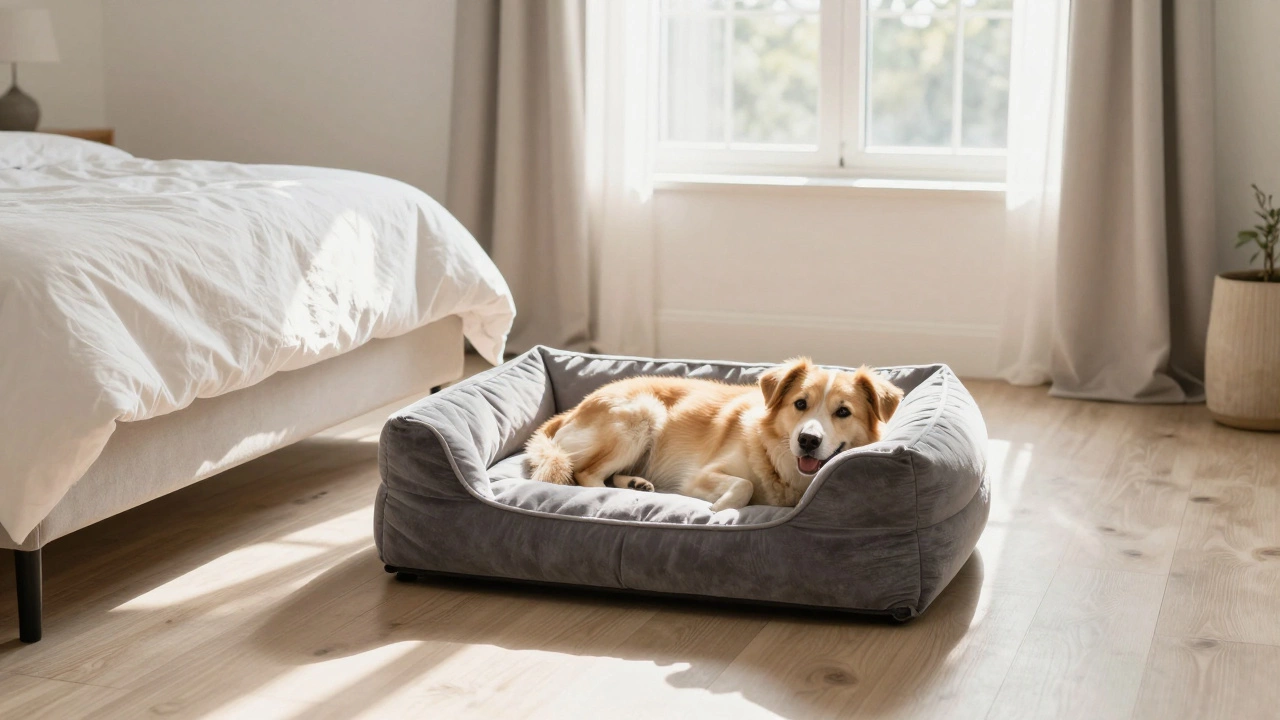
How to Transition Your Dog Out of Your Bed
The Verdict: What's Right for You?
Does letting a dog in bed cause behavioral problems?
How do I stop my dog from jumping on the bed without causing stress?
Can dogs actually improve my sleep quality?
What is the best way to keep a dog bed clean if they won't leave the human bed?
Should I let my puppy sleep in my bed?