Dog Bed Shape: What Works Best for Your Dog’s Comfort and Health
When you pick a dog bed shape, the physical form of a dog’s sleeping surface designed to support rest, posture, and joint health. Also known as dog sleeping pad, it isn’t just about looks—it’s about how your dog naturally curls, stretches, or sprawls out at night. A round bed might look cozy, but if your dog likes to stretch out, it could leave their back unsupported. A rectangular bed gives room to sprawl, while a donut shape offers head support for dogs who like to nest. The right shape helps reduce pressure on joints, keeps your dog warm, and even calms anxiety by giving them a secure space.
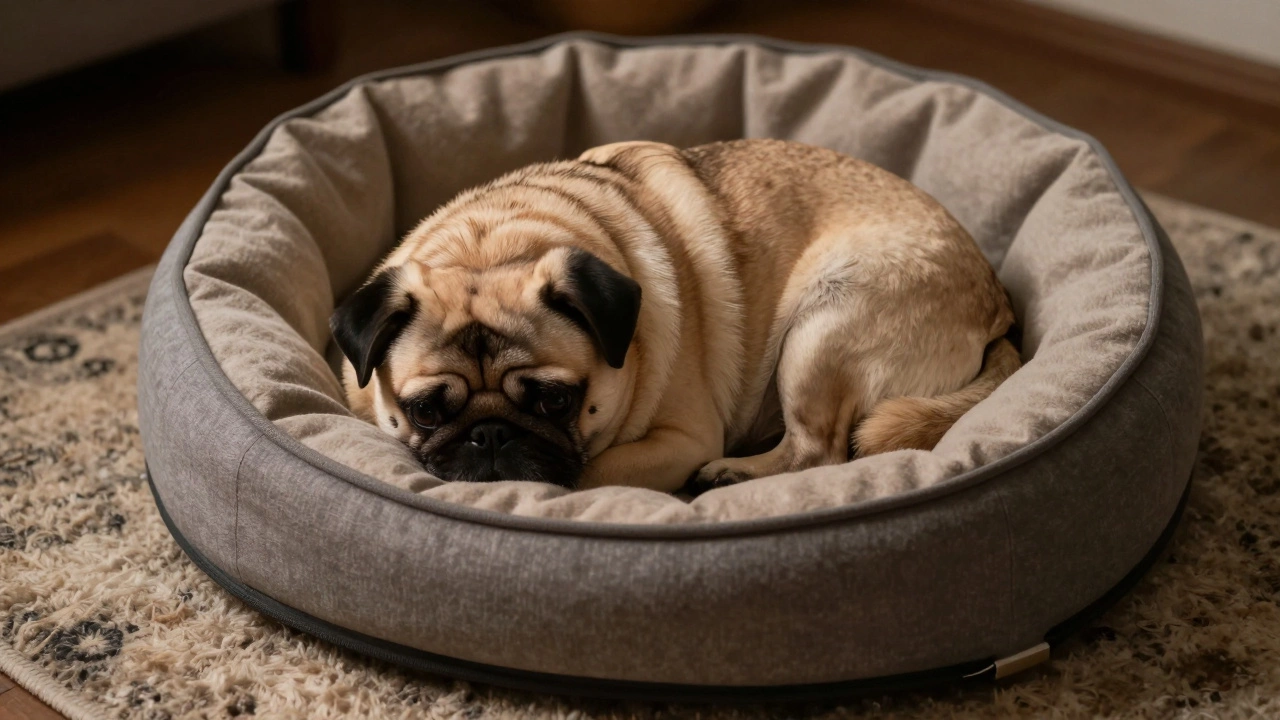
Many dog owners don’t realize that dog sleeping position, how a dog naturally rests, including curled up, on their side, or stretched out directly affects what bed shape they need. Dogs that curl into a ball often prefer round or donut beds—they feel safer with something surrounding them. But if your dog stretches out like a starfish, they need a long, flat surface. Even older dogs with arthritis benefit from orthopedic beds with a low-profile, rectangular shape that lets them get in and out easily without twisting their spine. You can’t guess this by looking at your dog during the day—you need to watch them sleep. Most dogs spend 12–14 hours a day resting, so their bed shape isn’t a luxury, it’s a health tool.
And it’s not just about the shape—it’s how that shape connects to dog bed size, the dimensions of a dog bed that must match the dog’s body length and width for proper support. A bed that’s too small forces your dog to curl unnaturally. One that’s too big doesn’t give them that cozy, enclosed feeling many dogs crave. The rule of thumb? Measure your dog from nose to tail while they’re lying down, then add 6–12 inches. That’s your minimum. Also, consider weight distribution. Large breeds need thicker foam to avoid bottoming out, while small dogs need raised edges to feel secure. If your dog has joint issues, look for memory foam in a rectangular shape—it’s the most common recommendation from vets who see dogs with hip dysplasia or arthritis.
What you’ll find in the posts below are real, practical answers to questions like: Should a dog bed be bigger than your dog? Do dogs need a bed in every room? Why do some vets push for orthopedic shapes over plush ones? And how does your dog’s sleeping style connect to their overall health? These aren’t theory pieces—they’re based on what dog owners actually see, what vets recommend, and what works in homes across the UK. No fluff. No marketing buzzwords. Just clear, honest advice on picking the right shape so your dog sleeps better, moves easier, and feels more at home.