Olive Oil for Dogs: Benefits, Risks, and What Vets Really Say
When you think of olive oil for dogs, a natural fat often used in human diets to support heart health and skin condition. Also known as extra virgin olive oil, it’s sometimes added to dog food by owners hoping to improve their pet’s coat or digestion. But just because it’s healthy for you doesn’t mean it’s the right choice for your dog. Many people hear that olive oil is ‘natural’ and assume that means safe—and even beneficial. But the truth is more complicated.
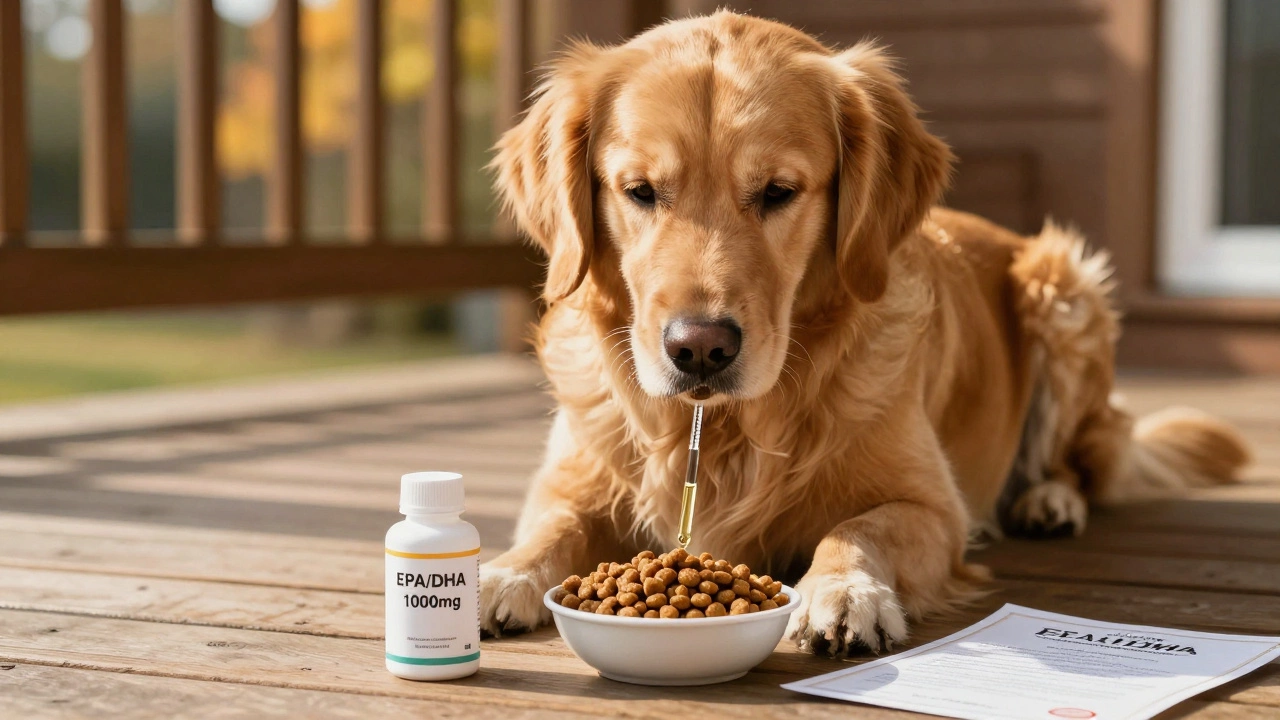
Some dog owners swear by a spoonful of olive oil mixed into their dog’s food to tame dry skin or shiny up a dull coat. And yes, a tiny amount won’t hurt most healthy dogs. But it’s not a magic fix. Dogs don’t process fats the same way humans do. Too much olive oil can cause diarrhea, pancreatitis, or weight gain—especially in breeds prone to digestive issues. And it doesn’t replace real, science-backed nutrients like omega-3s from fish oil, which actually reduce inflammation and support joint health. In fact, when you look at what vets recommend for skin and coat health, fish oil for dogs, a rich source of EPA and DHA omega-3 fatty acids proven to improve skin conditions and reduce allergic reactions in canines, shows up far more often than olive oil in clinical studies and vet guides.
Then there’s coconut oil for dogs, a popular alternative often promoted for its antimicrobial properties and potential to aid digestion. Some owners switch between coconut and olive oil, thinking they’re interchangeable. But they’re not. Coconut oil contains medium-chain triglycerides that dogs can metabolize quickly for energy, while olive oil is mostly long-chain fats that take longer to break down. One might help with energy and skin, the other might just add empty calories. And neither replaces a balanced diet. If your dog has a skin problem, a vet is more likely to recommend a specific fatty acid supplement, a hypoallergenic food, or a topical treatment—not a kitchen pantry item.
What’s missing from most online advice? Real data. There’s no major study showing olive oil improves dog health outcomes. Meanwhile, research on fish oil, probiotics, and even specific vitamins has clear results. That’s why you’ll see vet-recommended brands like Purina or Canine Prime (or the alternatives that actually work) in our posts—not olive oil bottles. The truth? Most dogs get enough fat from their food. Adding olive oil is often unnecessary, and sometimes risky.
So if you’re thinking of drizzling olive oil on your dog’s bowl, ask yourself: What problem are you trying to solve? Dry skin? A dull coat? Digestive upset? There are better, safer, and more targeted ways to handle each. In the posts below, you’ll find real comparisons between oils, what vets actually recommend, and which supplements have science behind them—not just social media hype. You’ll also learn what ingredients to avoid, how to read dog food labels, and what to do when your dog’s skin or digestion isn’t right. No guesswork. No fluff. Just what works.