
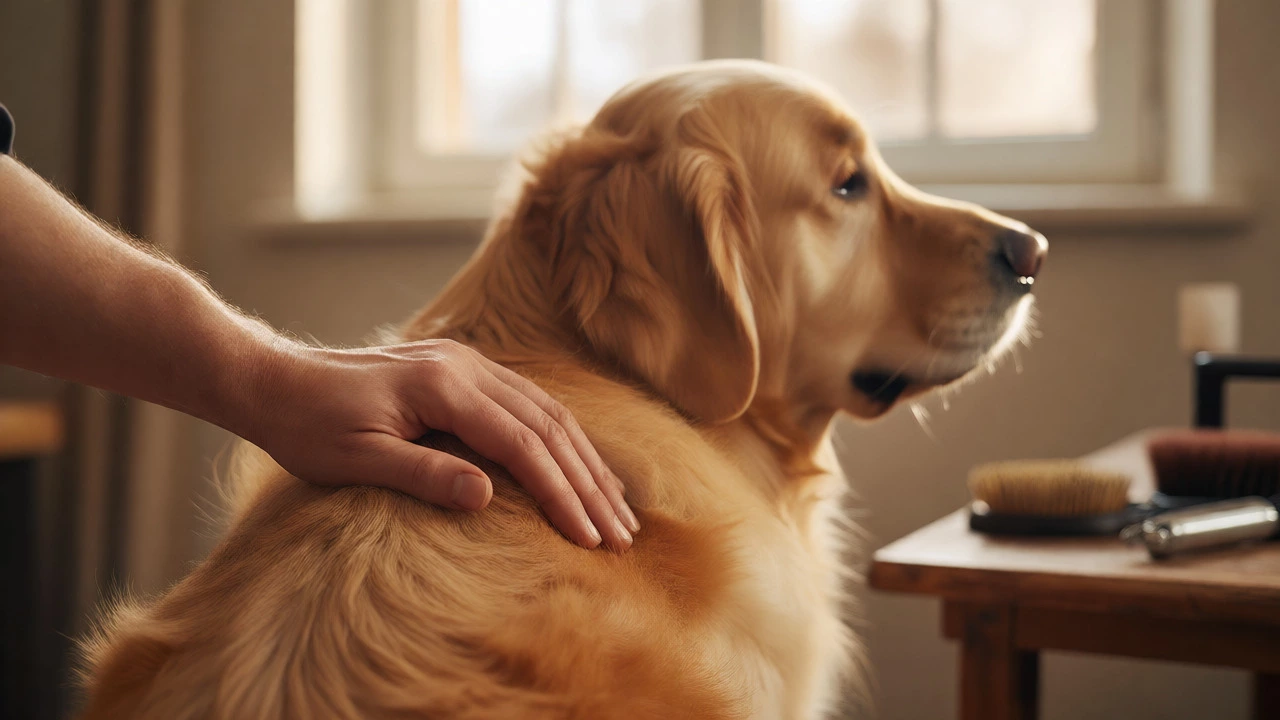
Dog Grooming Session Tracker
Follow this step-by-step guide to keep your dog looking sharp and feeling great. Click each card as you complete the step.
Pre-Grooming Inspection
Check for ticks, fleas, lumps, or ear issues before starting.
Nail Trimming
Trim dry nails carefully. Use styptic powder if needed.
Brushing & Detangling
Remove mats and loose fur BEFORE getting the coat wet.
The Bath
Use lukewarm water and rinse thoroughly to avoid residue.
Drying Without Damage
Dry completely to prevent hot spots. Brush while drying.
Ear & Eye Care
Clean ears with solution (no Q-tips deep inside) and wipe eyes.
Finishing Touches
Trim paw pads and sanitary area for comfort and hygiene.
Ever look at your muddy, smelly pup and think, "Where do I even start?" You’re not alone. Most new owners feel overwhelmed by the sheer number of brushes, shampoos, and clippers sitting on the shelf. But here’s the secret: dog grooming isn't about turning your living room into a salon; it's about maintaining health and comfort through a consistent, manageable routine. Skipping these steps doesn’t just mean a bad haircut-it leads to painful mats, ear infections, and overgrown nails that can alter how your dog walks. If you want to keep your four-legged friend looking sharp and feeling great without hiring a professional every month, you need a clear roadmap.
The Pre-Grooming Inspection
Before you pick up a brush or turn on the water, you need to know what you’re working with. Think of this as the diagnostic phase. Run your hands over your dog’s entire body. Are there ticks? Fleas? Lumps that weren’t there last week? This step is crucial because grooming a dog in pain or distress sets a negative tone for the whole session. If you find a deep mat near the skin, don’t try to cut it out with household scissors-you risk nicking the skin. Instead, note it for careful detangling later or a vet visit if it looks infected.
Check their ears too. A healthy ear should smell neutral. If it smells like yeast or corn chips, or if it’s red and waxy, hold off on wetting the head until you’ve addressed the issue. This initial scan saves you from accidentally aggravating a problem and helps you choose the right tools for the job.
Nail Trimming: The Foundation of Comfort
Many owners skip nails because they’re scared of the quick (the blood vessel inside the nail). But overgrown nails are a major cause of joint pain and posture issues. Start here while your dog is dry and calm. For light-colored nails, you can see the pink quick easily. For dark nails, trim small amounts at a time until you see a chalky white center dot appear-that’s your signal to stop.
- Use the right tool: Guillotine-style clippers work best for small dogs, while scissor-style clippers handle thick claws on large breeds better.
- Have styptic powder ready: If you miss and hit the quick, dip the claw in styptic powder to stop bleeding instantly.
- File the edges: Clippers leave sharp edges. Use a file or grinder to smooth them out so your dog doesn’t scratch your floors-or your legs-when they jump up.
Brushing and Detangling Before the Bath
This is where most beginners make their biggest mistake: bathing a matted dog. Water tightens mats, making them impossible to brush out later. Always brush thoroughly before getting the coat wet. Start with a slicker brush to remove loose fur and surface tangles, then move to a comb to check for hidden knots close to the skin.
If you have a double-coated breed like a Golden Retriever or Husky, use an undercoat rake during shedding season. This tool reaches deep into the dense layer beneath the topcoat to pull out dead hair that regular brushes miss. Removing this excess fur now means less clogging in your drain later and a much fluffier, cleaner coat after the wash.
The Bath: Temperature and Technique Matter
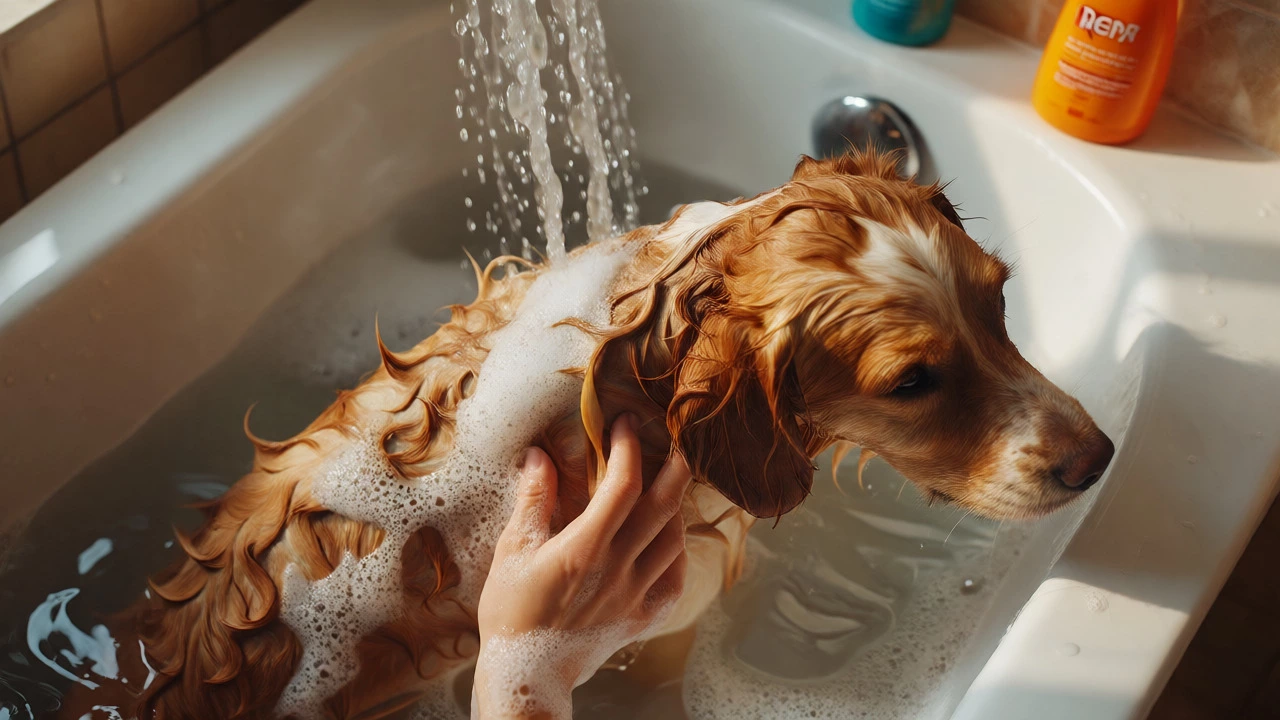
Now comes the fun part. Fill the tub with lukewarm water-not hot. Dogs have sensitive skin, and water that feels fine to you might be scalding for them. Wet the coat completely, avoiding the face initially. Apply shampoo generously but focus on areas that collect dirt: paws, belly, and rear end.
| Shampoo Type | Best For | Key Benefit |
|---|---|---|
| General Purpose | Healthy coats with no specific issues | Cleans effectively without stripping natural oils |
| Oatmeal | Dry, itchy skin | Soothes irritation and adds moisture |
| Hypoallergenic | Allergy-prone dogs | Free from fragrances and harsh chemicals |
| Medicated | Fungal or bacterial infections | Treats specific skin conditions (requires vet advice) |
Rinse twice as long as you think you need to. Leftover shampoo residue causes itching and dullness. When rinsing the head, use a damp cloth instead of spraying water directly into the eyes and ears. It’s gentler and prevents panic.
Drying Without Damage
Never let your dog air-dry if they have a thick coat. Damp fur trapped against the skin creates a warm, moist environment perfect for bacteria and yeast growth, leading to hot spots. Use a high-velocity dryer if you have one, keeping it moving constantly to avoid burning the skin. If you’re using a standard human hairdryer, keep it on a cool or low-heat setting and maintain a safe distance.
While drying, continue brushing. As the hair straightens out, you’ll see any remaining tangles pop up. This is your final chance to catch mats before the coat dries completely. Pay special attention to behind the ears and under the armpits, two common matting zones.
Ear Cleaning and Eye Care
With the coat clean and dry, tackle the delicate areas. Squeeze a few drops of canine-specific ear cleaner into the ear canal. Massage the base of the ear for thirty seconds-you’ll hear a squishing sound. Let your dog shake their head; this naturally flings debris out. Then, wipe the visible outer ear with a cotton ball. Never insert Q-tips deep into the canal, as this pushes wax further down.
For eyes, use a damp cloth to gently wipe away tear stains or discharge. If you have a brachycephalic breed (flat-faced) like a Pug or Bulldog, daily eye cleaning is non-negotiable to prevent infection in those prominent eyes.
Finishing Touches: Paws and Sanitary Trim
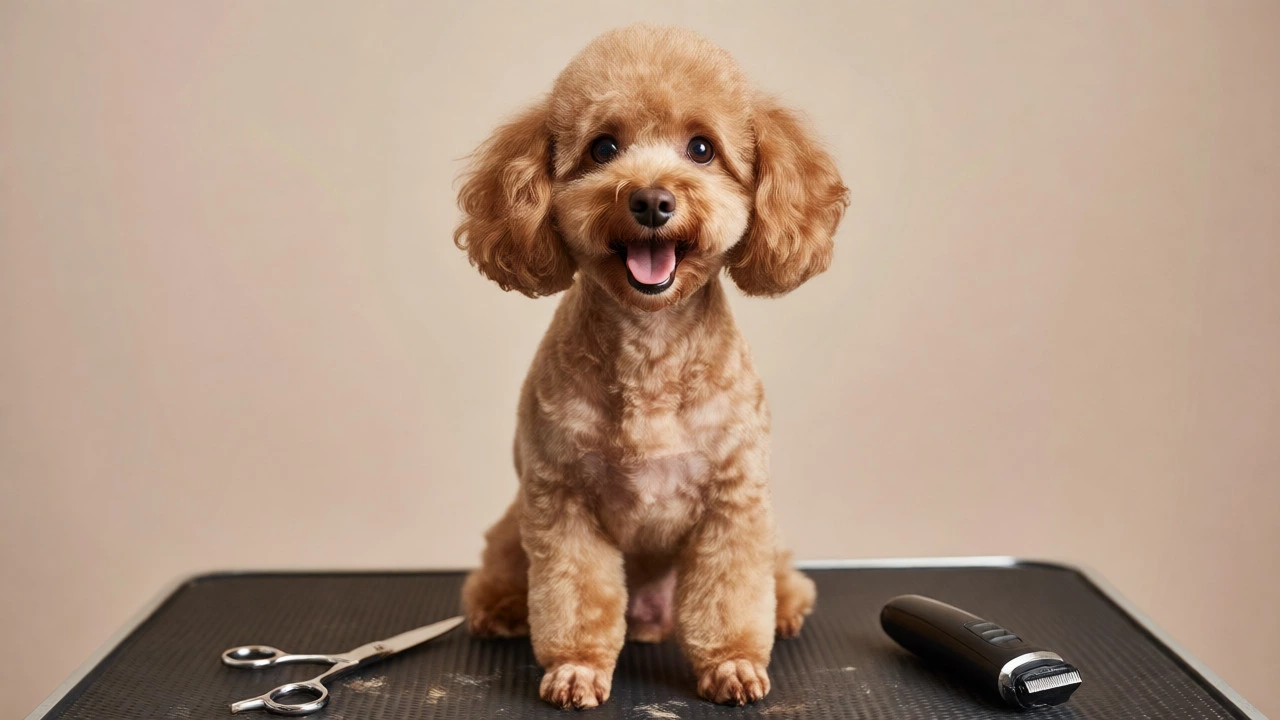
The last step is often the most appreciated by your dog-and your furniture. Trim the hair between the paw pads. Long fur here acts like snowshoes in winter, collecting ice balls, and traps mud and burrs in summer. Use blunt-nosed safety scissors or a small trimmer to carefully snip hair sticking out from the pads.
Finally, give the sanitary area a quick tidy-up. Trimming hair around the genitals and anus prevents feces from sticking to the fur, which reduces odor and keeps your home cleaner. This small detail makes a huge difference in overall hygiene.
Why Consistency Beats Perfection
You don’t need to do all seven steps perfectly every single time. A quick weekly brush and monthly bath are enough for short-haired breeds, while long-haired dogs might need bi-weekly sessions. The goal is to make grooming a positive bonding experience. Reward your dog with treats and praise throughout the process. If they associate the grooming table with snacks and affection rather than restraint and noise, they’ll actually start to enjoy it.
Remember, grooming is preventative healthcare. By catching lumps, parasites, and skin changes early, you’re saving money on vet bills and ensuring your companion stays comfortable. Keep your tools clean, stay patient, and trust the process.
How often should I groom my dog?
It depends on the breed. Short-haired dogs usually need a bath every 1-3 months and weekly brushing. Double-coated breeds require more frequent brushing (weekly or bi-weekly) to prevent matting. Hairless breeds may need weekly baths to manage skin oils.
Can I use human shampoo on my dog?
No. Human skin has a different pH level (around 5.5) compared to dog skin (6.0-7.5). Human shampoo can strip natural oils from a dog's coat, leading to dryness, itching, and increased susceptibility to bacteria and parasites.
What if my dog hates being groomed?
Start slow. Introduce tools gradually without using them. Pair each step with high-value treats. If anxiety is severe, consider desensitization training or consult a professional groomer who specializes in fearful dogs. Never punish fear responses.
Do I really need to clean my dog's ears?
Yes, especially for floppy-eared breeds like Cocker Spaniels or Labradors. These breeds trap moisture and wax, creating a breeding ground for yeast and bacteria. Monthly cleaning is generally recommended unless a vet advises otherwise.
How do I know if I've cut the nail too short?
If you see blood, you've hit the quick. Apply styptic powder immediately to stop the bleeding. Don't panic; it heals quickly. To avoid this next time, trim smaller amounts or use a grinder instead of clippers.