
Professional Grooming Risk & Cost Estimator
Use this tool to calculate potential yearly expenses and evaluate the risk profile for your specific situation.
Estimated Annual Impact
€600
Moderate
Standard
You’ve booked the appointment. You’re excited for your pup to come home smelling like lavender and looking like a show winner. But have you ever paused to consider what actually happens behind those closed doors? While professional dog grooming is often seen as a luxury or a necessity for certain breeds, it comes with a set of significant drawbacks that many owners overlook until it’s too late.
It’s not just about the bill at the end of the day. The process involves stress, physical risk, and potential health complications that can linger long after the fur dries. If you are on the fence about whether to brush your dog yourself or hand them over to a stranger with clippers, this breakdown of the real disadvantages will help you make a smarter choice for your four-legged friend.
The Stress Factor: Why Your Dog Might Hate It
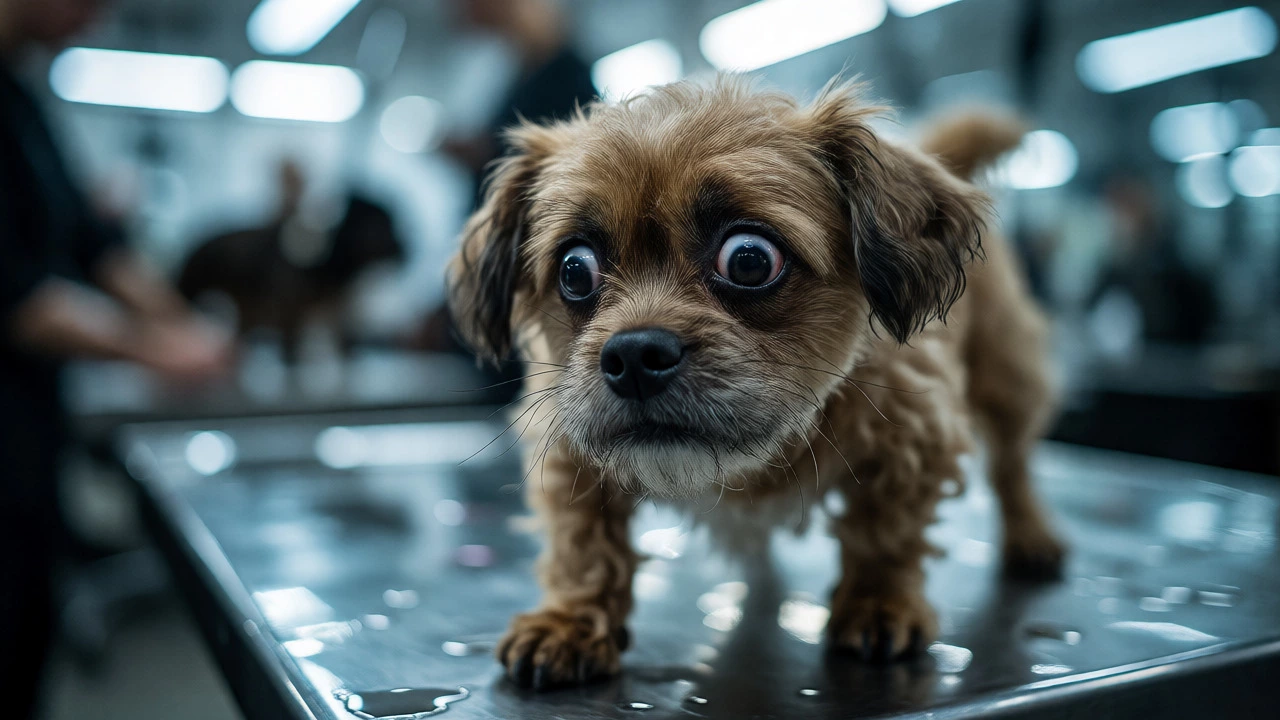
Let’s be honest: most dogs do not enjoy being handled by strangers in a strange place. For an animal that relies heavily on scent and routine, a grooming salon is essentially a sensory nightmare. Think about it from their perspective. They are separated from their owner, placed on a slippery metal table, and surrounded by loud noises-the whine of dryers, the buzz of clippers, and the barking of other anxious animals.
This environment triggers a fight-or-flight response in many dogs. Even if your dog doesn’t bite or scream, they might exhibit subtle signs of extreme anxiety: panting, trembling, dilated pupils, or trying to escape. This stress isn’t just uncomfortable; it can lead to behavioral issues later. A dog that associates grooming with terror may become difficult to handle at home, resisting brushing or nail trims because they remember the trauma of the salon.
| Behavioral Sign | Potential Cause | Owner Action |
|---|---|---|
| Excessive Panting | High stress or heat | Check ventilation; ask for breaks |
| Trembling/Shaking | Fear response | Comfort immediately upon pickup |
| Whale Eye (showing whites) | Anxiety or discomfort | Review groomer technique |
| Freezing Up | Overwhelmed shutdown | Consider shorter sessions |
Health Risks: It’s Not Just About Haircuts
One of the biggest, yet least discussed, downsides of professional grooming is the exposure to pathogens. When you drop your dog off, they enter a shared space where dozens of other animals pass through daily. This creates a perfect storm for contagious conditions, particularly kennel cough, also known as canine infectious tracheobronchitis.
Kennel cough is highly contagious and spreads easily through airborne droplets or direct contact with contaminated surfaces. A healthy dog can walk in and walk out with a hacking cough that lasts for weeks. While vaccinations help, they don’t offer 100% protection against all strains. Beyond respiratory issues, there’s the risk of skin infections. If tools aren’t sterilized properly between clients, bacteria or fungi can transfer from one dog to another, leading to hot spots or dermatitis.
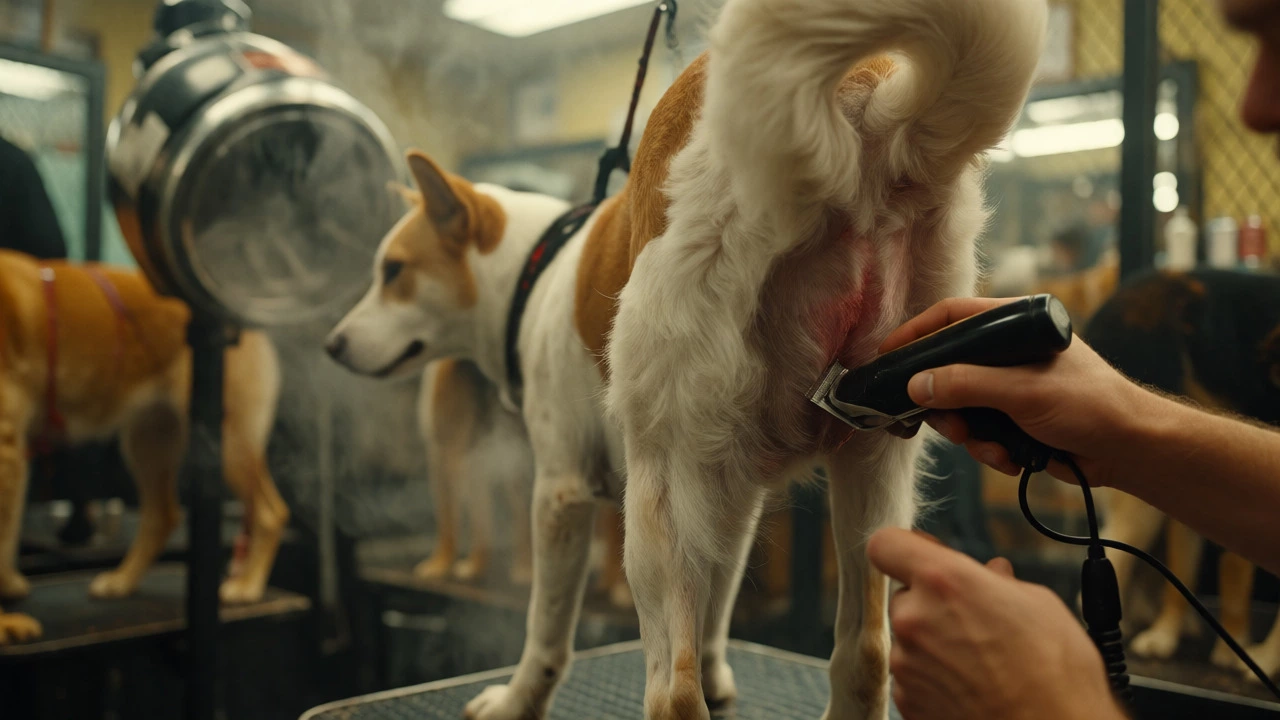
Then there’s the physical danger. Clippers can cause "clipper burn," a raw, red irritation caused by friction or heat. In worse cases, inexperienced groomers might nick the skin, especially around sensitive areas like the ears, paws, or underbelly. These small wounds can become infected if not treated promptly. And let’s not forget the eyes-shampoo getting into a dog’s eyes during rinsing can cause painful chemical conjunctivitis if the products aren’t pH-balanced for pets.
The Financial Hit: Costs Add Up Fast
If you own a breed with high-maintenance coat requirements, like a Poodle, Bichon Frise, or Shih Tzu, professional grooming isn’t optional-it’s mandatory to prevent matting. But this necessity hits your wallet hard. In Dublin, for example, a standard full groom for a medium-sized dog can range from €60 to €90, depending on the salon and the condition of the coat.
Do the math: if your dog needs a trim every six to eight weeks, that’s roughly €700 to €1,000 per year. For larger breeds or those with severe matting requiring de-matting fees, the cost skyrockets. Matting removal is labor-intensive and dangerous, often costing double or triple the standard rate. Over a dog’s lifetime, these grooming bills can rival the cost of their food or veterinary care. Is it worth it? For some, yes. For others, learning to maintain the coat at home saves hundreds of euros annually.
Quality Control: The Lottery of Skill Levels
Here is a controversial truth: anyone can call themselves a groomer. Unlike veterinarians who require years of medical school and licensing, the grooming industry has minimal regulatory barriers. You might hire someone who attended a weekend workshop versus someone with five years of apprenticeship experience. The difference in skill is massive.
A poorly trained groomer might shave your dog too close, damaging the coat texture permanently-a phenomenon known as "post-clipping alopecia." Or they might cut nails too short, hitting the quick and causing bleeding and pain. I once heard a story about a terrier whose face was shaved so aggressively that the whiskers were trimmed down to stubs, leaving the dog disoriented and unable to navigate its environment effectively for days.
Finding a good groomer requires vetting. Ask about their training certifications, check online reviews specifically mentioning safety and temperament handling, and observe how they interact with your dog before handing over the leash. Trust your gut-if the place smells overwhelming or the staff seems rushed, walk away.
Loss of Bonding Opportunities
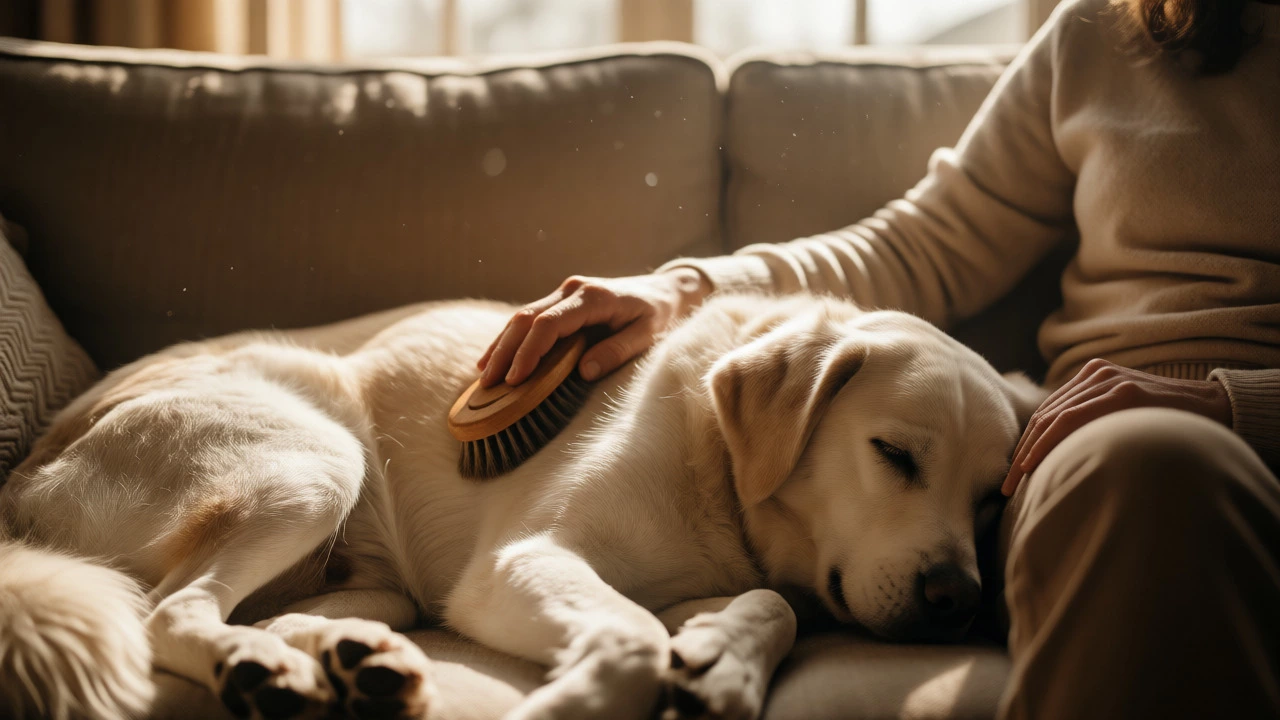
Grooming is more than hygiene; it’s a bonding ritual. When you brush your dog, you’re checking for lumps, ticks, or sore spots while reinforcing your connection. Outsourcing this task removes that intimate interaction. Instead of spending twenty minutes calmly brushing your dog on the sofa, you spend thirty minutes driving to the salon, waiting, and paying.
Moreover, relying entirely on professionals means you lose touch with your dog’s physical changes. You might miss a developing lump or a slight change in coat quality because you haven’t run your hands over their body in months. Regular home grooming keeps you attuned to your pet’s health in a way that a ten-minute salon visit never can.
When Professional Help is Still Worth It
Despite these disadvantages, professional grooming remains essential for many. Some dogs simply cannot tolerate home handling due to age, injury, or temperament. Others have complex cuts that require artistic skill, like the teddy bear cut on a Maltese. Additionally, if you work long hours or live in a small apartment without space for washing and drying a muddy retriever, outsourcing makes practical sense.
The key is mitigation. Choose a groomer who offers one-on-one appointments rather than batch processing. Ensure they use high-quality, natural shampoos. Schedule visits when the shop is quiet to reduce stress. And always inspect your dog thoroughly when you pick them up, checking for nicks, redness, or unusual behavior.
Key Takeaways
- Stress: Grooming salons are noisy and unfamiliar, causing anxiety in many dogs.
- Health Risks: Exposure to kennel cough, skin infections, and clipper burns is common.
- Cost: Regular professional grooming can cost €700+ annually for high-maintenance breeds.
- Skill Variance: Lack of strict regulation means quality varies wildly between groomers.
- Bonding Loss: Outsourcing reduces physical touch time and health monitoring opportunities.
Is kennel cough common after dog grooming?
Yes, kennel cough is relatively common in group settings like grooming salons and boarding facilities. Because dogs are kept in close proximity to other animals, airborne pathogens spread easily. Vaccination helps but does not guarantee immunity against all strains of the bacteria and viruses involved.
Why does my dog act weird after grooming?
Post-grooming behavior changes, such as lethargy, hiding, or aggression, are usually signs of stress or exhaustion. The combination of physical restraint, loud noises, and unfamiliar handling can be overwhelming. Most dogs return to normal within 24-48 hours as they decompress.
Can professional groomers hurt my dog?
While rare, injuries can occur. Common issues include clipper burn (skin irritation), accidental nicks from scissors or clippers, and bruising from tight restraints. Choosing a certified, experienced groomer significantly reduces these risks.
How often should I take my dog to a professional groomer?
This depends on the breed. High-maintenance breeds like Poodles need grooming every 4-6 weeks. Low-maintenance breeds like Labrador Retrievers may only need professional baths and nail trims every 3-4 months. Always prioritize regular brushing at home to extend the time between salon visits.
Is it cheaper to groom my dog at home?
Initially, home grooming equipment costs money (clippers, dryer, shampoo). However, over time, it is significantly cheaper than paying €60-€90 per visit. The trade-off is the time investment and the learning curve required to master safe clipping techniques.