
Dog Food Label Analyzer
Look for named meats (e.g., Chicken, Salmon) or meals. Avoid vague terms like "Meat" or "By-products" without species names.
Whole grains and vegetables are preferred over highly processed fillers. Grain-free is not automatically better.
Omega-3s support skin, coat, and joints. Fish oil is superior to flaxseed due to bioavailability.
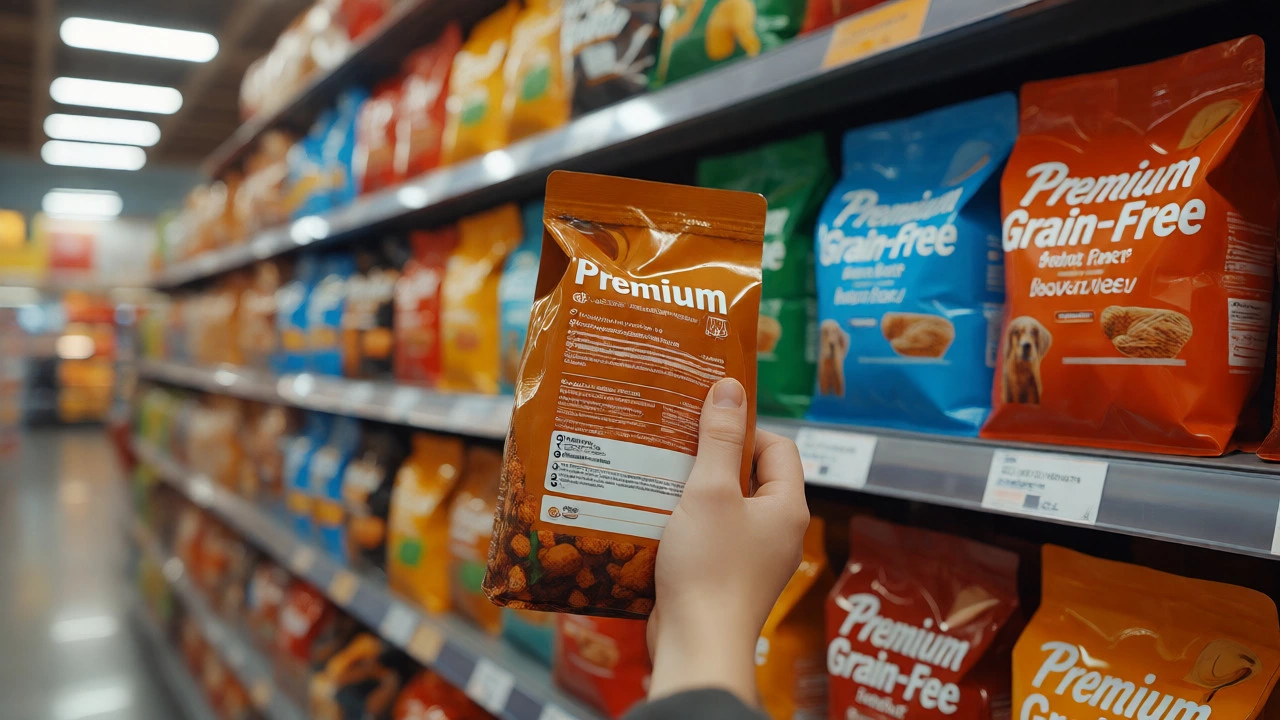
You walk down the pet store aisle, staring at a wall of colorful bags. The marketing is loud-"Premium," "Grain-Free," "Ancestral Diet." But when you flip the bag over to read the ingredient list, it looks like a chemistry exam. You want to know what actually matters for your dog's health, not just what sounds good on a label.
Here is the hard truth: there is no single magic ingredient that fixes everything. However, if you strip away the marketing fluff and look at what veterinary nutritionists agree on, three specific categories stand out as non-negotiables for high-quality dog food. These aren't just filler; they are the foundation of energy, immunity, and coat health.
Why Ingredient Order Matters More Than Marketing
Before we get to the top three, you need to understand how labels work. In most countries, including Ireland and the US, ingredients must be listed by weight before processing. This means water-heavy ingredients can sneak into the top spots even if they provide little nutritional value after cooking.
For example, if "Chicken" is listed first, but it hasn't been specified as "deboned chicken" or "chicken meal," you might be paying for water weight. Once the water cooks out during manufacturing, that first ingredient might drop to fourth or fifth place. Always look for named meat sources early in the list, preferably in concentrated forms like meals or deboned cuts.
The First Essential: Named Animal Protein
Dogs are facultative carnivores. While they can eat plants, their biology is optimized for animal-based nutrients. The number one ingredient should always be a named animal protein source.
This doesn't mean "meat" or "animal derivatives." Those terms are vague. "Meat" could be anything from muscle tissue to connective tissue from any species. "Animal derivatives" is often a catch-all for lower-value parts. Instead, look for clarity: "Deboned Chicken," "Salmon," "Lamb Meal," or "Beef Liver."
Why it matters: Animal proteins provide essential amino acids that dogs cannot synthesize themselves. Taurine, for instance, is critical for heart health. While dogs can make some taurine, plant-based diets have been linked to dilated cardiomyopathy (DCM) in certain breeds because plant proteins don't offer the same bioavailability.
What to look for:
- Specificity: The breed of animal should be named.
- Position: It should ideally be the first or second ingredient.
- Form: "Meal" indicates the water has been removed, making it a more concentrated protein source than raw meat, which loses up to 70% of its weight during cooking.
The Second Essential: Digestible Carbohydrates or Fibers
There is a huge debate about grains versus grain-free options. For years, grain-free was sold as the "healthier" choice, mimicking a wolf's diet. But wolves don't live on kibble; they eat whole prey, including stomach contents full of digested plants.
Unless your dog has a specific diagnosed allergy (which affects less than 10% of dogs), carbohydrates are a valuable energy source. The key here is digestibility. Not all carbs are created equal. Corn gluten meal is highly processed and low in nutrient density compared to sweet potatoes or brown rice.
Digestible carbohydrates provide glucose for energy and fiber for gut health. Fiber is crucial for regular bowel movements and feeding the beneficial bacteria in your dog's microbiome.
Better choices include:
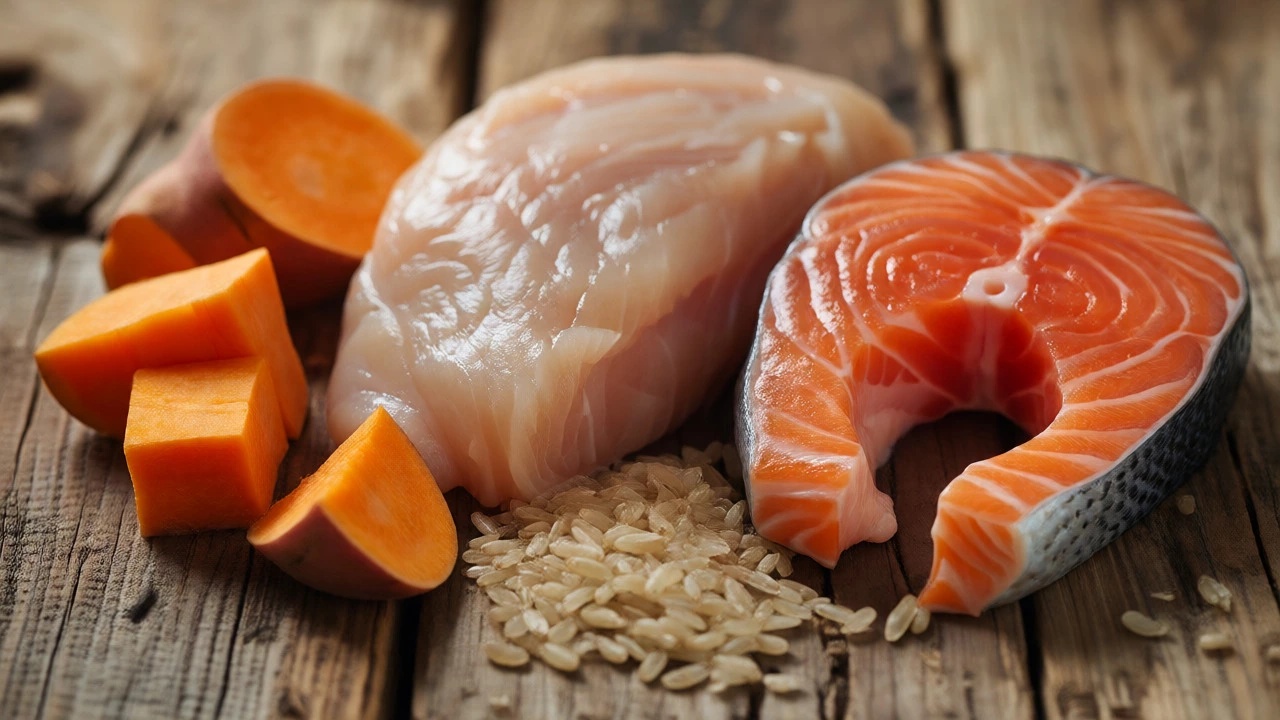
- Sweet potatoes and pumpkin (high fiber, beta-carotene)
- Brown rice or oats (gentle on sensitive stomachs)
- Chickpeas or lentils (good plant-based protein boost, though watch for gas)
Avoid artificial fillers like generic "corn syrup solids" or excessive amounts of soy, which can be allergens for some dogs and are often used to bulk up cheap formulas.
The Third Essential: Omega-3 Fatty Acids
If protein builds the body and carbs fuel it, fats protect it. Specifically, you want to see a clear source of Omega-3 fatty acids. Most commercial dog foods contain plenty of Omega-6s (from chicken fat or vegetable oils), but modern diets are notoriously deficient in Omega-3s.
Omega-3s, particularly EPA and DHA, are powerful anti-inflammatories. They support skin health, reduce itching, improve joint mobility in older dogs, and even aid cognitive function in puppies.
Fish oil, salmon oil, or flaxseed oil are common sources. However, fish oil is generally superior because the Omega-3s are already in the form dogs can use directly. Flaxseed contains ALA, which dogs convert to EPA/DHA very inefficiently (often less than 10%).
Check the ratio: Look for an Omega-6 to Omega-3 ratio between 5:1 and 10:1. If the ratio is higher, like 20:1, the pro-inflammatory effects of the Omega-6s may outweigh the benefits of the Omega-3s.
Comparing Common Ingredient Profiles
To help you spot the difference between a premium formula and a budget brand, here is a comparison of typical ingredient lists based on the three essentials.
| Ingredient Category | Budget Brand Example | Premium Brand Example | Why Premium Wins |
|---|---|---|---|
| Protein Source | "Poultry By-Product Meal" | "Deboned Chicken & Chicken Meal" | Premium specifies the animal type, ensuring known quality and amino acid profile. |
| Carbohydrate/Fiber | "Corn Gluten Meal, Soybean Hulls" | "Sweet Potatoes, Brown Rice" | Premium uses whole-food sources with better digestibility and micronutrients. |
| Fat Source | "Animal Fat (mixed tocopherols)" | "Salmon Oil, Flaxseed" | Premium provides specific Omega-3s rather than generic mixed fats. |

Red Flags That Undermine Good Ingredients
Even if a bag lists chicken and salmon, other additives can mess up the nutritional balance. Watch out for these pitfalls:
- Artificial Colors: Red 40, Yellow 5, Blue 2. Dogs don't care what color their kibble is. These are added for human visual appeal and offer zero nutritional benefit.
- Chemical Preservatives: BHA, BHT, and Ethoxyquin. While regulated, many owners prefer natural preservatives like mixed tocopherols (Vitamin E) or rosemary extract.
- "Proprietary Blends": If a brand hides the exact ratios of ingredients behind a name like "SuperFood Blend," you can't verify if you're getting enough of the good stuff. Transparency is key.
How to Transition Your Dog’s Diet
Once you've picked a food with the right top three ingredients, don't switch overnight. Dogs have sensitive digestive systems. A sudden change can cause diarrhea or vomiting.
Follow this 7-day schedule:
- Days 1-2: 75% old food, 25% new food.
- Days 3-4: 50% old food, 50% new food.
- Days 5-6: 25% old food, 75% new food.
- Day 7: 100% new food.
Frequently Asked Questions
Is grain-free dog food better?
Not necessarily. Grain-free is only better if your dog has a specific grain allergy, which is rare. Many grain-free foods use legumes like peas and lentils, which have been linked to heart issues in some breeds. For most dogs, grains like brown rice or oats are excellent, digestible carb sources.
What does "meal" mean in dog food ingredients?
"Meal" refers to rendered meat where the water and fat have been removed. It is a concentrated source of protein. For example, "Chicken Meal" is much denser in protein than "Chicken" because raw chicken is about 70% water, which evaporates during cooking. Meals are often a sign of higher protein content per cup.
Are by-products bad in dog food?
Not always. "By-products" can include organ meats like liver, kidney, and heart, which are actually very nutritious and rich in vitamins. The problem arises when the term is vague, such as "Animal By-Products" without specifying the species. Specific named by-products (e.g., "Chicken Liver") are often a positive addition.
How do I know if my dog needs more Omega-3s?
Signs include dry, flaky skin, dull coat, excessive shedding, or stiff joints in older dogs. If your current food lists fish oil or salmon oil near the top of the ingredient list, you likely don't need a supplement. If it's buried at the bottom, consider adding a high-quality fish oil supplement after consulting your vet.
Can I feed my dog human-grade ingredients?
Yes, but ensure the diet is balanced. Feeding only chicken breast and rice lacks essential calcium and other minerals. If you cook for your dog, use a recipe formulated by a veterinary nutritionist or add a complete vitamin/mineral premix designed for home-cooked dog food.