
Dog Diet Builder & Safety Checker
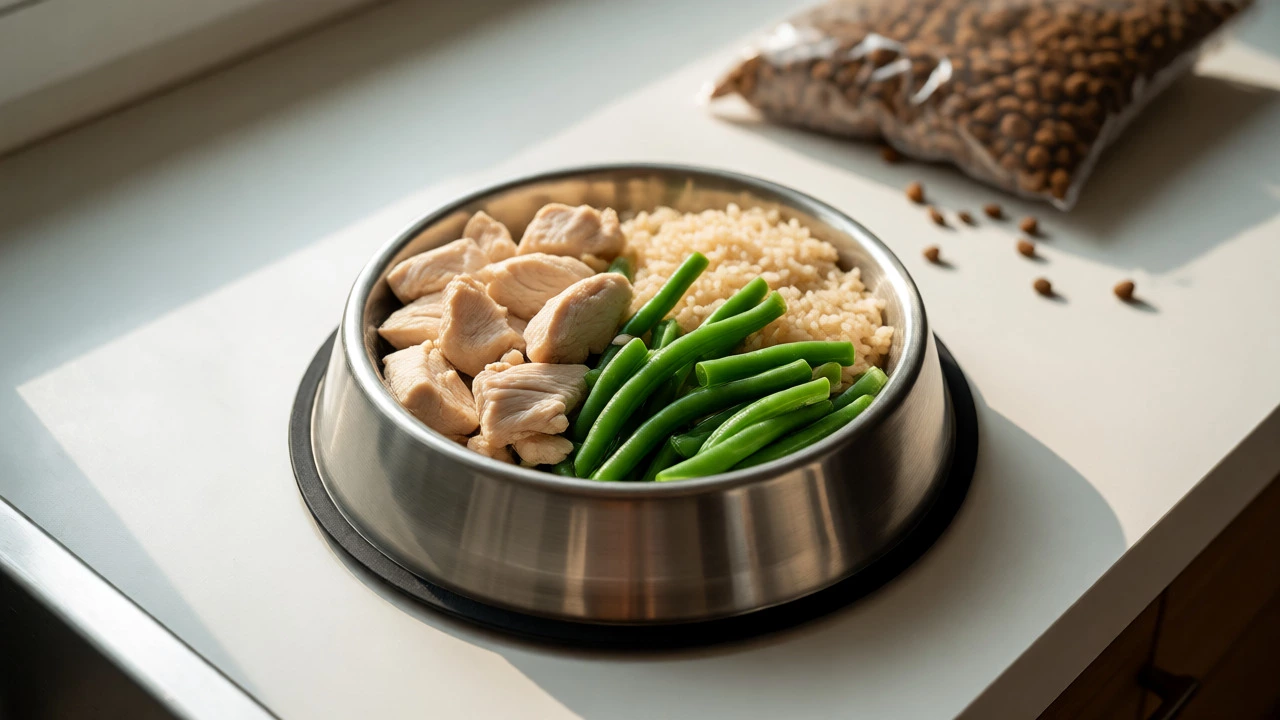
Select ingredients below to see if your proposed meal meets the recommended balance of 50% Protein, 25% Vegetables, and 25% Carbs/Grains. Click items to add them to the bowl.
Your Dog's Bowl
No ingredients selected yet.
You’re staring at that empty bag of kibble, wondering if you can just toss your pup some leftover chicken and call it a day. Or maybe you’ve heard horror stories about dry food ingredients and want to switch to something more natural. The big question isn’t whether dogs can eat human food-they absolutely can-it’s what they can eat every single day without ending up at the vet with pancreatitis or a nutritional deficiency.
Here’s the truth: most "human" foods are either too fatty, too salty, or missing critical nutrients like taurine and calcium. But there is a sweet spot. Certain whole foods are safe, nutritious, and sustainable for daily feeding if you balance them correctly. We’re talking about real meat, specific veggies, and grains that won’t wreck their gut biome. Let’s break down exactly what belongs in your dog’s bowl when you skip the processed stuff.
The Golden Rule: Balance Beats Variety
Before we list the menu, you need to understand why random snacking isn’t a diet. Dogs are omnivores, not strict carnivores like cats. This means they can thrive on a mix of proteins, fats, carbs, and fiber. However, unlike humans, dogs have specific biological requirements. If you feed them only boiled chicken breast every day, they’ll get protein but miss out on essential fatty acids and vitamins found in organ meats and bones.
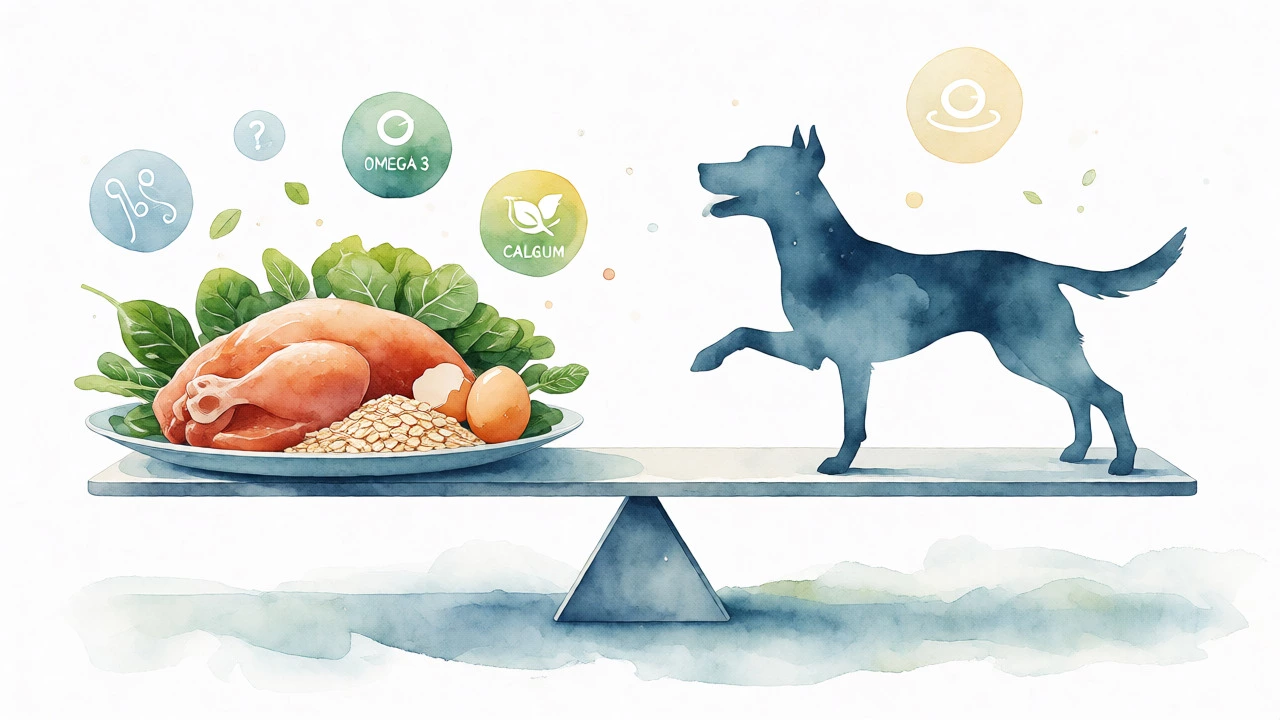
A balanced homemade or fresh-food alternative typically follows a rough ratio: 50% protein, 25% vegetables, and 25% carbohydrates or grains. This isn’t a hard law, but it’s a solid starting point. You also need to add supplements because cooking destroys some nutrients, and muscle meat alone doesn’t provide enough calcium. Think of it as building a meal plate, not just grabbing a snack.
Safe Proteins for Daily Consumption
Protein is the foundation. But not all proteins are created equal for daily use. You want lean, easily digestible sources that don’t trigger allergies or inflammation.
Turkey is another excellent option, often used for dogs with sensitive stomachs. It’s slightly lower in fat than chicken and generally well-tolerated. Beef is fine too, but choose lean cuts like round or sirloin. Fatty beef cuts should be occasional treats, not daily staples, because excess saturated fat links to heart issues and weight gain in many breeds.
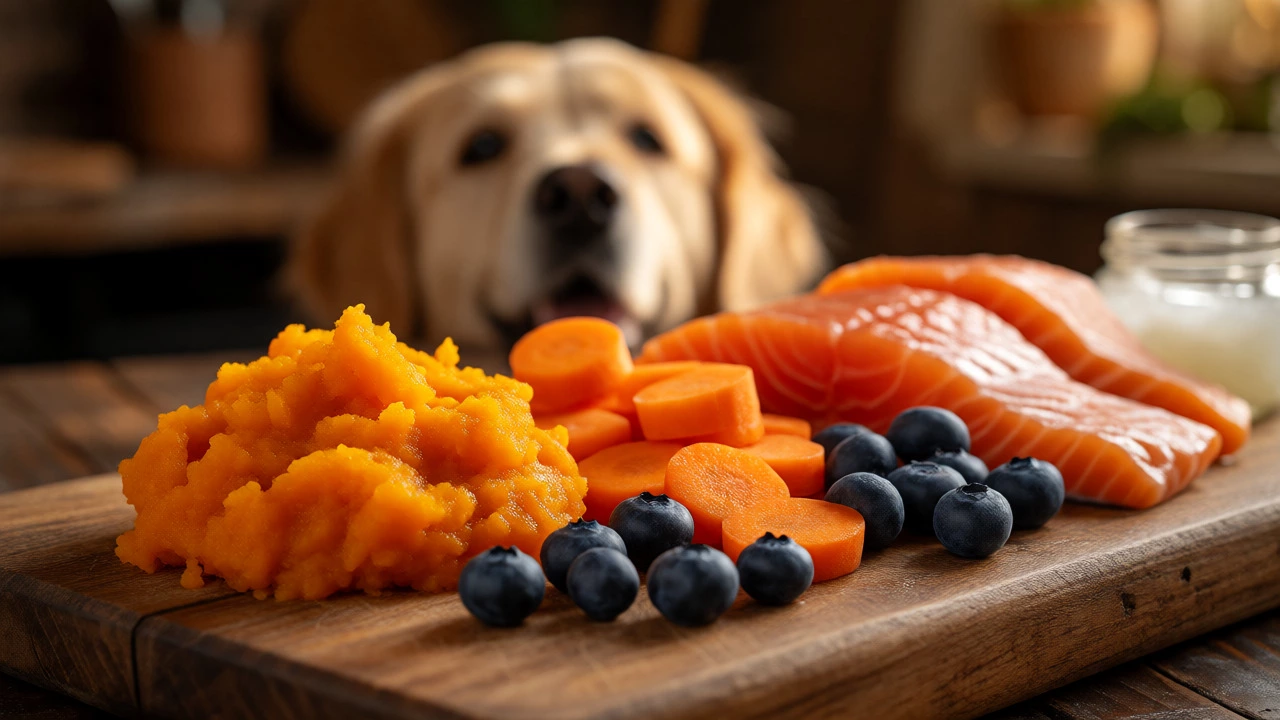
Fish deserves special mention. Salmon and whitefish (like cod or haddock) are packed with Omega-3 fatty acids, which reduce inflammation and improve coat health. Unlike red meat, fish is easier to digest. A daily serving of cooked, boneless salmon can replace a portion of poultry. Just avoid raw fish due to parasite risks and never give them seasoned fillets from your own dinner plate.
Vegetables That Are Actually Good For Them
Veggies aren’t just filler; they provide fiber, antioxidants, and volume to keep your dog feeling full without piling on calories. But you must cook most of them. Raw vegetables are hard for dogs to break down and can lead to gas and loose stools.
- Pumpkin: Pure pumpkin puree (not pie filling with spices) is a superfood for dogs. It regulates digestion, helping with both diarrhea and constipation. It’s rich in beta-carotene and fiber.
- Green Beans: These are low-calorie, crunchy, and full of iron and vitamins. They make an excellent bulk-up ingredient if your dog needs to lose weight. Plain, steamed green beans are perfect.
- Carrots: Cooked carrots are safer than raw ones for chewing hazards, especially for small dogs. They provide Vitamin A and act as a natural palate cleanser.
- Spinach and Kale: In moderation, these leafy greens offer antioxidants. However, spinach contains oxalates, so dogs prone to kidney stones or bladder crystals should limit intake. Steaming reduces oxalate levels significantly.
Avoid onions, garlic, chives, and leeks entirely. These belong to the Allium family and are toxic to dogs, damaging their red blood cells even in small amounts over time. No amount of cooking makes them safe for daily consumption.
Carbohydrates and Grains: Fuel or Fluff?
Dogs don’t strictly need carbohydrates, but they do well with complex carbs for energy. Rice and oats are the safest bets here. White rice is gentle on the stomach and great for recovery after a bout of vomiting. Brown rice offers more fiber and nutrients but takes longer to digest.
Oats are fantastic for older dogs or those with joint pain. They contain soluble fiber that helps regulate blood sugar and supports heart health. Make sure to serve them cooked and plain. Quinoa is another grain-like seed that is gluten-free and high in protein, making it a great alternative for dogs with wheat sensitivities.
Be cautious with corn and wheat. While not inherently bad, they are common allergens. If you notice itching or ear infections, try swapping these for sweet potatoes. Sweet potatoes are nutrient-dense, offering Vitamin B6, C, and manganese. They’re naturally sweet, so dogs love them, but they’re higher in sugar than other veggies, so portion control matters.
Healthy Fats and Supplements
If you’re ditching commercial food, you’re likely losing added vitamins. Commercial kibble is fortified; your kitchen counter isn’t. You must add healthy fats and specific supplements to prevent long-term deficiencies.
Coconut oil is a popular addition. It has antimicrobial properties and improves skin health. Start with a quarter teaspoon for small dogs and one teaspoon for large breeds. Fish oil capsules are even better for consistent Omega-3 dosing. Always check the label for heavy metal testing.
Calcium is the biggest gap in homemade diets. Meat is high in phosphorus but low in calcium. Without balancing this ratio, your dog’s bones can weaken over time. Ground eggshells are a cheap, effective source. Bake clean eggshells, grind them into a fine powder, and sprinkle half a teaspoon per pound of food. Alternatively, consult a vet about a calcium supplement.
Foods to Avoid Daily
Just because a dog can eat something doesn’t mean they should eat it daily. Here’s a quick breakdown of common foods that are risky as staples:
| Food Item | Daily Safety | Why? |
|---|---|---|
| Bananas | Occasional Treat | High sugar content can lead to weight gain and dental issues if fed daily. |
| Cheese | Rarely | Many dogs are lactose intolerant. High fat can trigger pancreatitis. |
| Eggs | Safe (Cooked) | Excellent protein source, but too many can cause biotin deficiency if raw whites are consumed regularly. |
| Grapes/Raisins | Never | Can cause acute kidney failure, even in tiny amounts. |
| Yogurt | Safe (Plain) | Good probiotics, but ensure it’s unsweetened and xylitol-free. |
Notice how grapes are a hard "never." You might think a few raisins in a homemade cookie are harmless, but individual sensitivity varies wildly. One grape could shut down a kidney in a susceptible dog. Stick to berries like blueberries and strawberries for daily antioxidant boosts-they’re safer and less sugary than tropical fruits.
Making the Switch Gradually
If you’re moving from kibble to fresh food, don’t flip the switch overnight. Your dog’s gut bacteria are adapted to processed starches. A sudden influx of fresh meat and veggies will cause chaos-diarrhea, gas, and refusal to eat.
- Days 1-3: Mix 25% new food with 75% old food.
- Days 4-6: Go 50/50.
- Days 7-9: 75% new food, 25% old.
- Day 10: Full transition.
Watch their stool closely during this process. Loose stools mean you’re going too fast. Slow down and extend each phase by a few days. Also, monitor their energy levels. If your dog seems lethargic, they might not be getting enough calories. Fresh food is less calorie-dense than kibble, so you usually need to feed a larger volume by weight.
Key Takeaways
- Balance is non-negotiable: Combine lean protein, cooked veggies, and complex carbs.
- Supplement wisely: Add calcium and Omega-3s since home-cooked meals lack fortification.
- Avoid toxins: No onions, garlic, grapes, or chocolate.
- Transition slowly: Give your dog two weeks to adjust their digestive system.
- Consult your vet: Especially for puppies, seniors, or dogs with existing health conditions.
Can I feed my dog only boiled chicken and rice?
Only for short periods, such as when treating an upset stomach. Long-term, this diet lacks essential nutrients like calcium, vitamin E, and omega-3 fatty acids, leading to deficiencies and potential bone or immune system issues.
Is peanut butter safe for daily eating?
Yes, but in moderation. Choose natural peanut butter with no added salt, sugar, or xylitol (which is toxic). Because it is high in fat, limit it to a teaspoon or two depending on your dog's size to avoid obesity.
Do dogs need fruit in their diet?
Fruit is not necessary but beneficial. Blueberries, apples (without seeds), and bananas provide antioxidants and vitamins. However, due to sugar content, fruit should make up less than 10% of their total daily intake.
How much homemade food should I feed my dog?
A general rule of thumb is 2-3% of your dog's body weight per day. Active dogs may need closer to 3%, while sedentary or overweight dogs should stay near 2%. Adjust based on their body condition score.
Are eggs good for dogs every day?
Cooked eggs are excellent daily protein sources. They are complete proteins and easy to digest. Ensure they are fully cooked to avoid salmonella risk and biotin interference from raw egg whites.