
Reversible Dog Bed Advisor
Tell us about your dog
Recommendation
Fill out the form to see which side of a reversible bed your dog needs most.
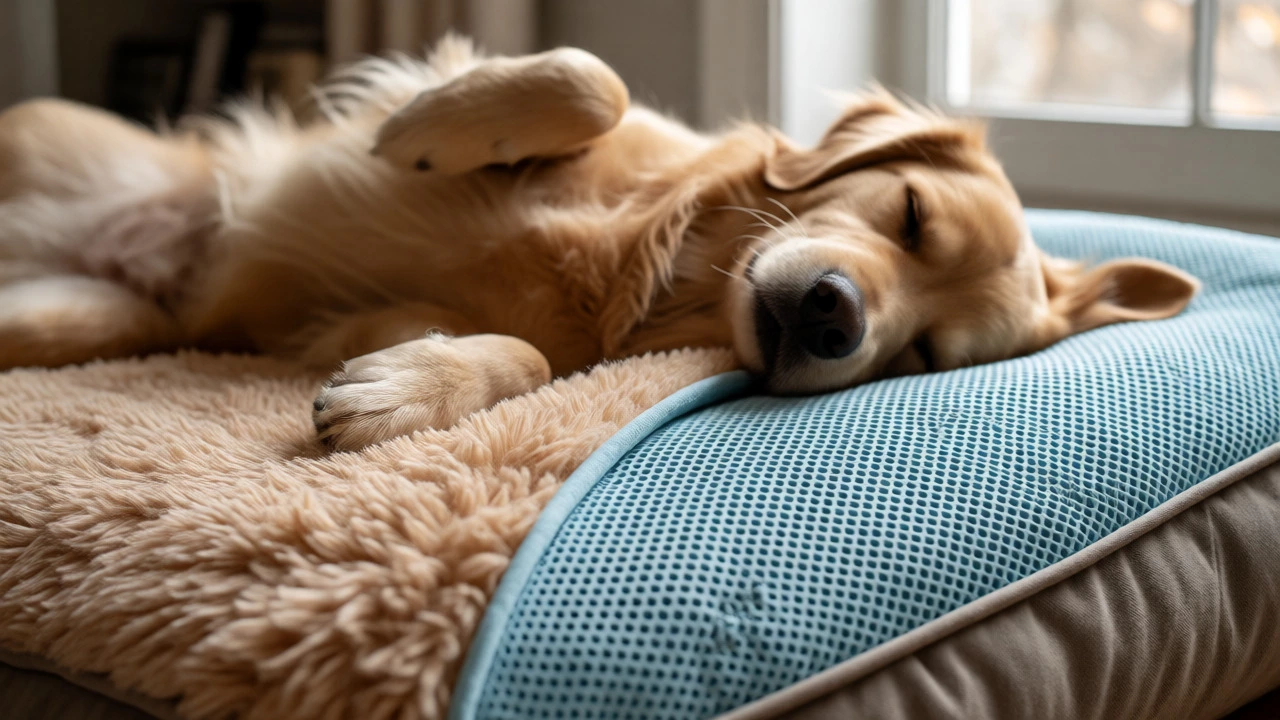
You’ve probably seen those videos online: a dog lying on its back, paws in the air, looking completely relaxed. Or maybe you’ve noticed your own pup flipping their bed over repeatedly, searching for something specific. This behavior often points to a need for temperature regulation or comfort adjustment that standard single-layer beds just can’t provide. Enter the flip dog concept, which usually refers to a reversible or dual-sided dog bed designed to offer two distinct sleeping surfaces in one unit.
The term "flip dog" isn't a breed. It’s a shorthand used by pet owners and retailers to describe beds that flip over to reveal a different material or firmness level. Why does this matter? Because dogs, like humans, have varying comfort needs depending on the season, their age, and their health status. A bed that works in July might be miserable in January. If you’re confused about why your dog keeps tossing their blanket or refusing to sleep on their current mat, understanding the mechanics of these reversible beds could solve the mystery.
Decoding the Term: What Exactly Is a Flip Dog Bed?
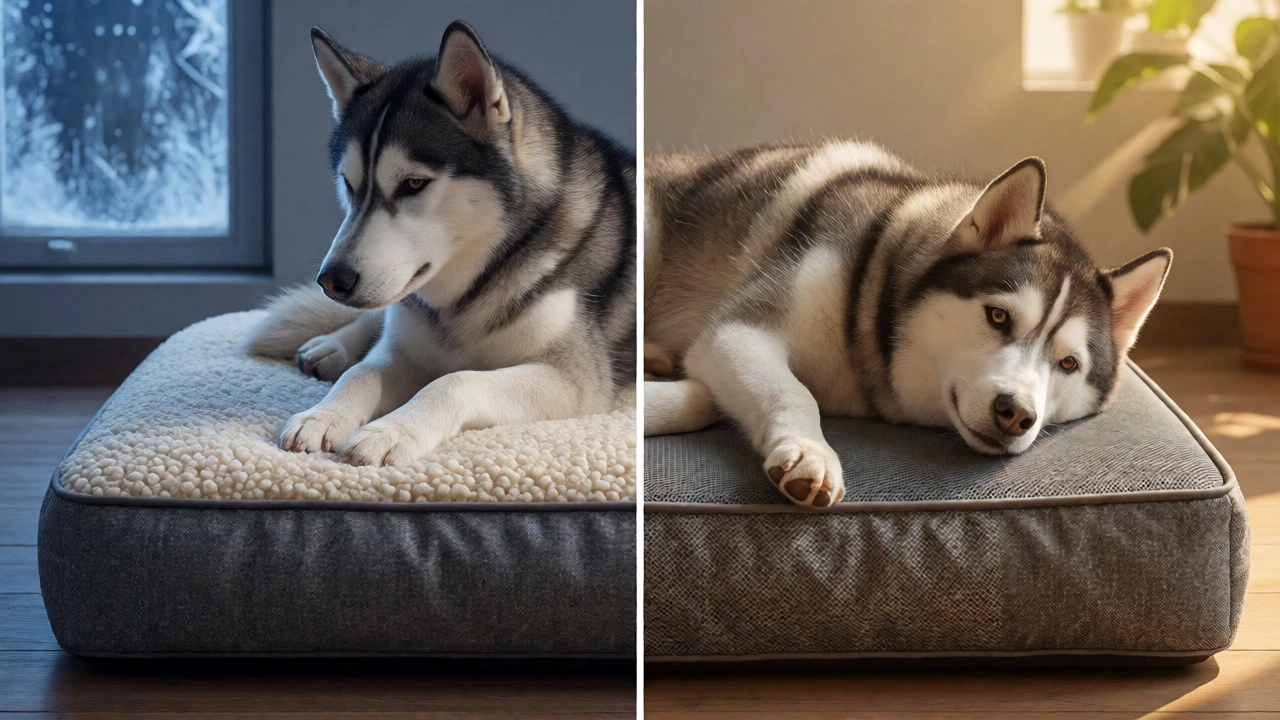
When people search for a "flip dog," they are almost always looking for a reversible dog bed. Unlike traditional foam mattresses that stay static, these beds feature two functional sides. One side might be plush and warm for winter, while the other is breathable mesh or cooling gel-infused fabric for summer. The ability to "flip" the bed allows you to adapt your pet's sleeping environment without buying two separate beds.
This design solves a common logistical problem. Most dog beds are bulky and hard to store. Having one bed that serves two purposes saves space and money. But it’s not just about convenience. The core function is thermoregulation. Dogs regulate body temperature differently than we do. They don’t sweat efficiently through their skin; instead, they pant and rely on contact with cool surfaces to lower their core temperature. A dual-sided bed gives them agency over their comfort.
The Science Behind Dual-Sided Comfort
Why would a manufacturer go to the trouble of making both sides usable? It comes down to material properties. Let’s look at the most common configurations:
- Warm Side: Typically made from faux fur, sherpa, or high-density memory foam. These materials trap heat and provide insulation. Ideal for short-haired breeds, senior dogs with arthritis, or cold climates.
- Cooling Side: Often constructed from breathable mesh, bamboo fibers, or fabrics embedded with phase-change materials (PCM). These materials wick moisture away and allow airflow, preventing overheating.
Consider a Labrador Retriever. They have a double coat that insulates them well in winter but can cause overheating in summer. In July, a Lab might prefer the mesh side of a cooling dog bed, allowing air to circulate against their belly. By December, they might demand the fluffy side to conserve body heat. A standard bed forces a compromise; a flip bed eliminates it.
Who Needs a Reversible Bed?
Not every dog needs a high-tech reversible mattress. However, certain groups benefit significantly more than others. Here is a breakdown of who should consider upgrading:
| Dog Profile | Primary Need | Recommended Flip Feature |
|---|---|---|
| Senior Dogs | Joint support & warmth | Orthopedic memory foam side + heated element compatibility |
| Short-Haired Breeds (e.g., Greyhounds) | Insulation in cold weather | Plush sherpa side for heat retention |
| Double-Coated Breeds (e.g., Huskies) | Temperature regulation | Breathable mesh side for summer ventilation |
| Active Puppies | Durability & easy cleaning | Water-resistant cover on one side for messes |
If you live in Dublin, as I do, you know our winters are damp and chilly, but our summers can get surprisingly warm indoors due to poor insulation. A reversible bed handles this seasonal swing perfectly. You don’t need to buy a new bed every six months. Just flip it.
Key Features to Look For
Not all reversible beds are created equal. Some are cheap gimmicks where the second side is barely usable. To ensure you’re getting a genuine dual-sided dog bed, check for these specific attributes:
- Structural Integrity: Does the bed maintain its shape when flipped? Cheap foam collapses under weight. Look for high-resilience foam or supportive bolster walls that work on both sides.
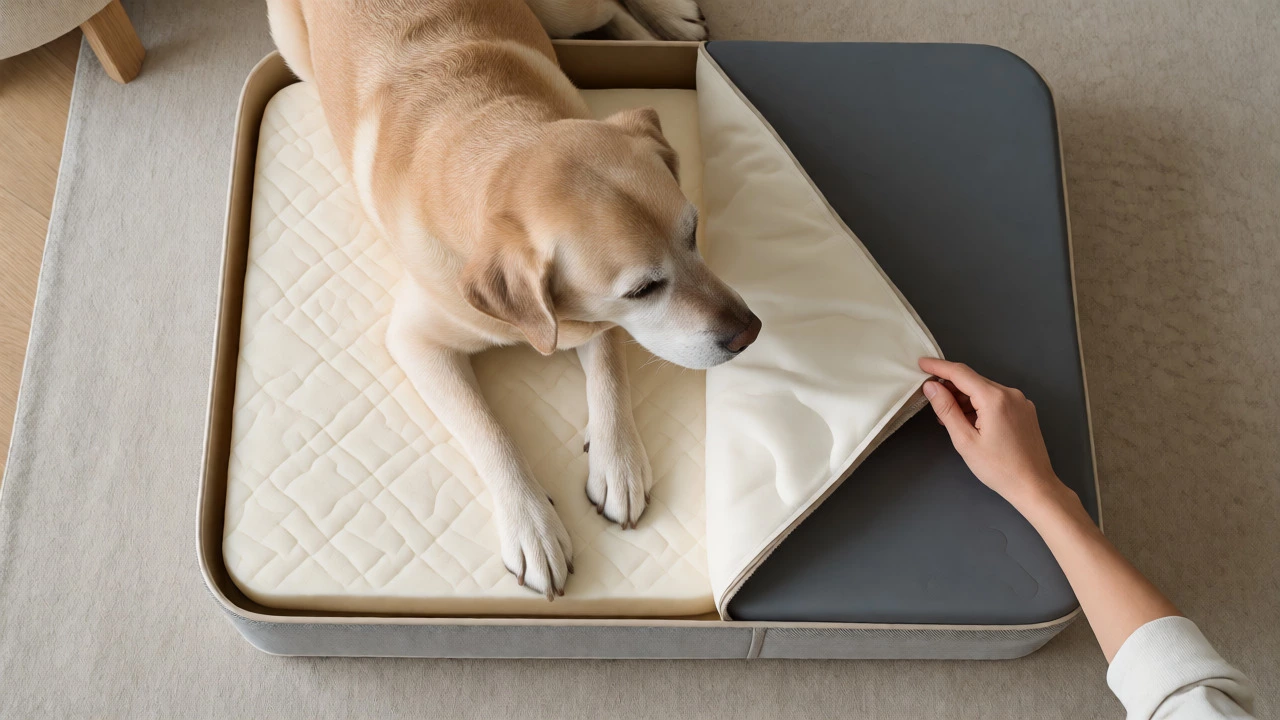
- Cover Removability: Can you remove the covers easily? Ideally, each side has a removable, machine-washable cover. Hygiene is critical, especially if your dog tracks mud in from Irish rain.
- Non-Slip Base: Flipping a bed shouldn’t send it sliding across hardwood floors. Ensure the base has rubberized grips on both orientations.
- Material Quality: Check the GSM (grams per square meter) of the fabric. Higher GSM indicates thicker, more durable material. Avoid thin polyester that pills after two washes.
Maintenance and Longevity
Owning a flip dog bed requires a slight shift in maintenance habits. Since you are using two surfaces, you are exposing more material to wear and tear. Rotate the bed weekly, even if you aren’t changing seasons. This ensures even compression of the foam and prevents permanent indentations.
Cleaning protocols differ by side. The plush side may require gentle cycles to prevent matting, while the mesh side can often handle hotter water to kill bacteria. Always check the care label. Many modern reversible beds use antimicrobial treatments in the fabric weave, reducing the frequency of deep cleans needed.
Common Misconceptions
A frequent question I hear is whether these beds are actually necessary or just marketing fluff. The answer depends on your local climate and your dog’s physiology. In tropical regions with stable temperatures, a single-sided cooling bed might suffice. In temperate zones with four distinct seasons, like Ireland or the UK, the versatility pays off.
Another myth is that "cooling" means active refrigeration. Unless the bed specifies "gel-infused" or "PCM technology," a simple mesh bed doesn’t actively cool-it simply avoids trapping heat. Manage expectations accordingly. It’s passive cooling, not an AC unit for pets.
Final Thoughts on Making the Switch
If your dog currently sleeps on a single-surface bed and shows signs of discomfort-restlessness, excessive panting, or reluctance to lie down-a reversible option is worth investigating. It’s a low-risk upgrade that addresses multiple potential issues at once. Start by observing your dog’s current preferences. Do they burrow into blankets? Do they sprawl out on tiles? Their behavior tells you which side they’ll likely prefer first.
Remember, the goal isn’t just luxury; it’s welfare. Proper rest impacts joint health, immune function, and mood. Investing in a bed that adapts to your dog’s changing needs is one of the simplest ways to improve their quality of life.
Is a flip dog bed suitable for puppies?
Yes, provided the bed is sturdy enough to withstand chewing and scratching. Puppies often prefer the softer, warmer side initially, but introducing them to the cooler side early helps them learn to self-regulate their temperature as they grow.
How often should I flip my dog's bed?
There is no strict rule, but rotating the bed every 4-6 weeks helps maintain foam integrity. Seasonally, you should definitely flip it when the weather changes significantly-typically around spring and autumn transitions.
Can I wash both sides of a reversible dog bed?
Most high-quality reversible beds have removable covers for both sides. Always check the manufacturer's instructions. Some beds have integrated covers that cannot be removed, requiring spot cleaning only. Never submerge foam inserts unless specified.
Do cooling dog beds actually work?
Passive cooling beds (mesh, bamboo) work by improving airflow and reducing heat retention. Active cooling beds (gel-infused) absorb excess body heat. Neither will lower a dog's core temperature below ambient room temp, but both help prevent overheating compared to standard plush beds.
Are flip dog beds expensive?
They typically cost 15-20% more than a standard bed of similar size. However, since they replace the need for two separate seasonal beds, the long-term value is often higher. Prices range from €40 for basic models to €150+ for premium orthopedic versions.