

Puppy Vaccination Tracker & Estimator
Estimated Immunity:
0% Protected
| Item | Est. Cost |
|---|---|
| No items selected | |
| Total Estimate | $0 |
Next Steps Guide
You just brought home a bundle of fur and chaos. It’s cute, it’s messy, and you’re already worried about everything from chewed shoes to sudden vet bills. But there is one thing that matters more than the perfect bed or the cutest toy: keeping your new dog alive and healthy. That starts with knowing exactly what shots do puppies need. It’s not just a checklist; it’s a shield against diseases that can wipe out an entire litter in days.
Many new owners think they can wait until the puppy is six months old to start worrying about health. Big mistake. The immune system of a young dog is fragile. They are born with some protection from their mother’s milk, but that fades fast. If you miss the window for vaccinations, you leave your puppy vulnerable during the most critical weeks of their life. This guide breaks down exactly which vaccines are non-negotiable, when to get them, and what those confusing "core" and "non-core" labels actually mean for your wallet and your dog’s safety.
The Core vs. Non-Core Vaccine Distinction
Veterinarians divide vaccines into two buckets: core and non-core. Understanding this difference saves you money and stress. You don’t need every single shot on the menu, but you absolutely need the core ones.
Core vaccines are those recommended for all dogs regardless of location or lifestyle because the diseases they prevent are severe, widespread, or zoonotic (transmissible to humans). Skipping these is like driving without a seatbelt. They protect against:
- Rabies: Fatal to both dogs and humans. Legally required in almost every jurisdiction.
- Canine Distemper: A highly contagious virus affecting the nervous system. Often fatal.
- Canine Parvovirus: Causes severe vomiting and bloody diarrhea. Extremely hardy virus that lives in soil for years.
- Adenovirus-2: Protects against infectious canine hepatitis and respiratory disease.
Non-core vaccines are recommended based on specific risk factors such as geography, boarding requirements, or exposure to other animals. These include Leptospirosis, Bordetella (kennel cough), Lyme disease, and Canine Influenza. Your vet will decide if your pup needs these based on where you live and how social your dog will be.
The Standard Puppy Vaccination Schedule
Puppies aren’t ready for full immunity right away. Their maternal antibodies interfere with the vaccine’s ability to work. That’s why vets use a series of boosters rather than a single shot. Think of it as training wheels for the immune system.
| Age | Vaccine Type | Notes |
|---|---|---|
| 6-8 Weeks | DHPP (First Dose) | Distemper, Hepatitis, Parainfluenza, Parvovirus. May also include Lepto depending on region. |
| 10-12 Weeks | DHPP (Second Dose) + Bordetella | Bordetella is often given intranasally. Required for most daycares and groomers. |
| 14-16 Weeks | DHPP (Final Booster) + Rabies | Critical dose. Maternal antibodies are usually gone by now. Rabies is legally mandated here. |
| 12-16 Months | Booster Shots | All previous vaccines are boosted to ensure long-term immunity. |
Notice the gap between 12 and 16 weeks? That’s the danger zone. Many owners stop at 12 weeks thinking they’re done. They aren’t. The final booster at 16 weeks is essential because some puppies still have lingering maternal antibodies that neutralize earlier doses. Missing this leaves them unprotected against parvo, the number one killer of young dogs.
Understanding DHPP: The Combo Shot
You’ll hear vets talk about DHPP or DA2PP. It’s the same basic concept: a combination vaccine that protects against multiple diseases in one injection. Instead of five separate pokes, your puppy gets one. This reduces stress and cost.
The "D" stands for Distemper. The "H" covers Hepatitis (Adenovirus). The first "P" is Parainfluenza, a mild respiratory issue. The second "P" is Parvovirus, the big bad wolf of puppy diseases. Some versions include Leptospirosis (L), making it DHLPP. Ask your vet which version they use. In rural areas or places with wildlife populations, Lepto coverage is crucial because rats and raccoons spread it through urine.
When Is My Puppy Actually Protected?
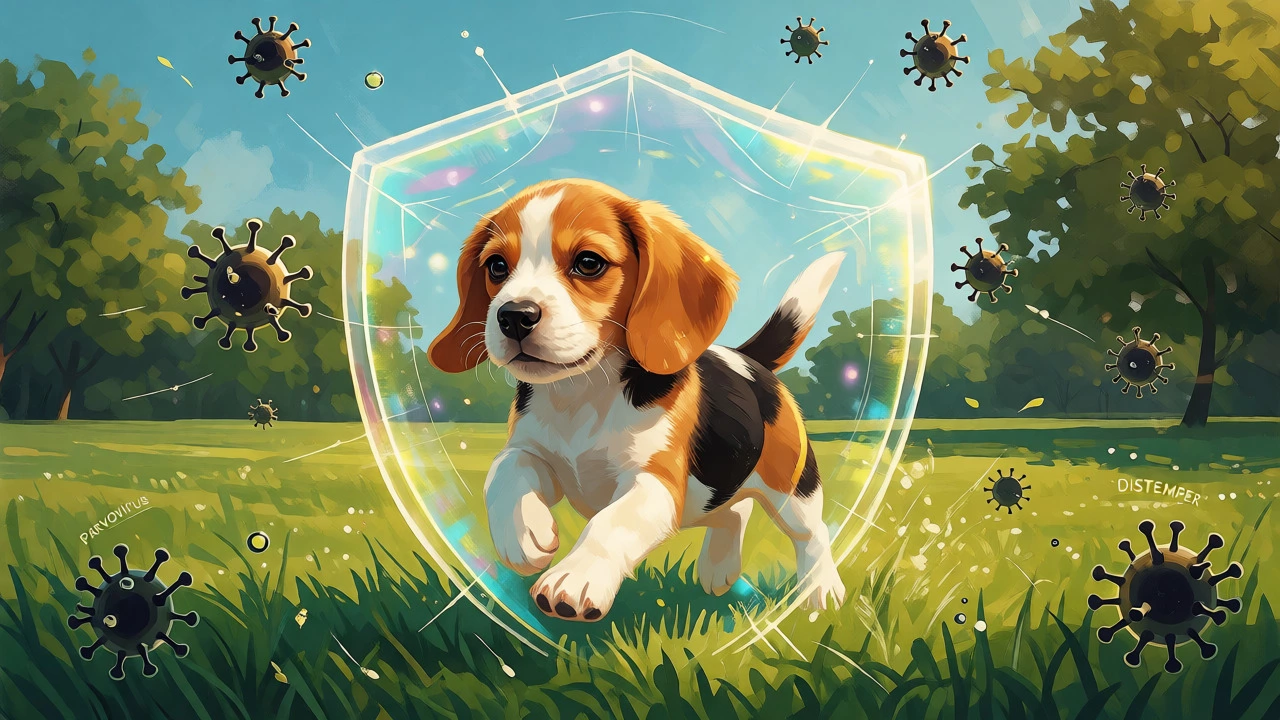
This is the question every owner asks. The answer isn’t simple. Immunity builds gradually. After the first shot at 8 weeks, your puppy has maybe 30-50% protection. By the second shot at 12 weeks, it jumps to 70-80%. Only after the final booster at 16 weeks does your puppy reach near-full immunity.
Until then, you must practice "safe socialization." You want your puppy to meet people and see the world, but you can’t let them sniff every fire hydrant or play with unknown dogs. Avoid dog parks entirely. Stick to private yards where you know the other dogs are vaccinated. Carry small puppies instead of letting them walk on high-traffic sidewalks. It feels restrictive, but it prevents a trip to the emergency vet that costs thousands.
Side Effects: What to Expect After Shots
Vaccines trigger an immune response, so your puppy might feel a bit off afterward. Don’t panic if they’re tired. Mild lethargy for 24 hours is normal. Some pups get a sore spot where the needle went in. Others might lose their appetite for a meal or two.
Watch for signs of an allergic reaction, though it’s rare. Hives, facial swelling, vomiting, or collapse require immediate veterinary attention. This usually happens within minutes to an hour after the injection. Vets keep an eye on your dog for 15 minutes post-shot for this exact reason. If you notice anything unusual after you go home, call your clinic. Better safe than sorry.

Adult Dog Boosters and Titers
Once your puppy hits one year old, the schedule changes. You no longer need yearly boosters for everything. Modern guidelines suggest core vaccines like Rabies and DHPP only need boosting every three years for many adult dogs. However, Rabies laws vary by state and country, so check local regulations. Some places still mandate annual rabies shots.
For non-core vaccines like Bordetella, annual boosters are still common, especially if your dog goes to daycare or boarding facilities. If you’re unsure whether your dog needs another shot, ask about titers. A titer test measures the level of antibodies in the blood. If levels are high enough, your dog is protected, and you can skip the booster. It’s a great option for older dogs or those prone to vaccine reactions.
Cost Breakdown: Budgeting for Puppy Health
Vaccinations add up. Here’s a rough estimate for a standard puppy series in the US market as of 2026. Prices vary by region and clinic type.
- Initial Exam: $50-$100
- DHPP Series (3 doses): $75-$150 total
- Rabies Vaccine: $20-$40
- Bordetella (Intranasal): $25-$50
- Leptospirosis (if added): $25-$40 per dose
Total initial investment: $200-$400. Compare that to treating parvovirus, which can cost $2,000-$5,000 in hospitalization fees. Prevention is cheap; cure is expensive.
Can I vaccinate my puppy too early?
Yes. Most vets start at 6-8 weeks. Starting earlier than 6 weeks is rarely effective because maternal antibodies block the vaccine. Waiting too long increases the risk of infection. Stick to the 6-8 week start time unless your vet advises otherwise due to high local disease prevalence.
Do indoor dogs really need vaccines?
Absolutely. Even indoor dogs need core vaccines. Rabies is legally required because bats can enter homes, and infected wildlife can bite pets. Parvovirus can be tracked in on shoes. Plus, if your dog ever needs boarding or grooming, they’ll need proof of vaccination. Being unvaccinated limits your options.
What happens if I miss a booster shot?
If you miss a scheduled booster by a few weeks, your vet will likely administer it immediately. No need to restart the series. If you miss it by months or years, the vet may treat it as a lapse in immunity. For adults, a single catch-up shot is usually sufficient. For puppies, missing the 16-week booster is risky; consult your vet immediately to assess protection levels.
Are natural alternatives to vaccines effective?
Homeopathy and herbal remedies lack scientific evidence for preventing deadly viruses like parvovirus or distemper. While good nutrition supports immunity, it cannot replace the specific antibody response triggered by vaccines. Relying solely on natural methods exposes your puppy to unnecessary and potentially fatal risks.
How much does a puppy vaccination package cost?
Expect to pay between $200 and $400 for the complete initial series including exams, DHPP boosters, and rabies. Additional non-core vaccines like Bordetella or Lepto will add $50-$100. Many clinics offer wellness plans that bundle these costs with spay/neuter and flea prevention, often saving money over paying à la carte.