
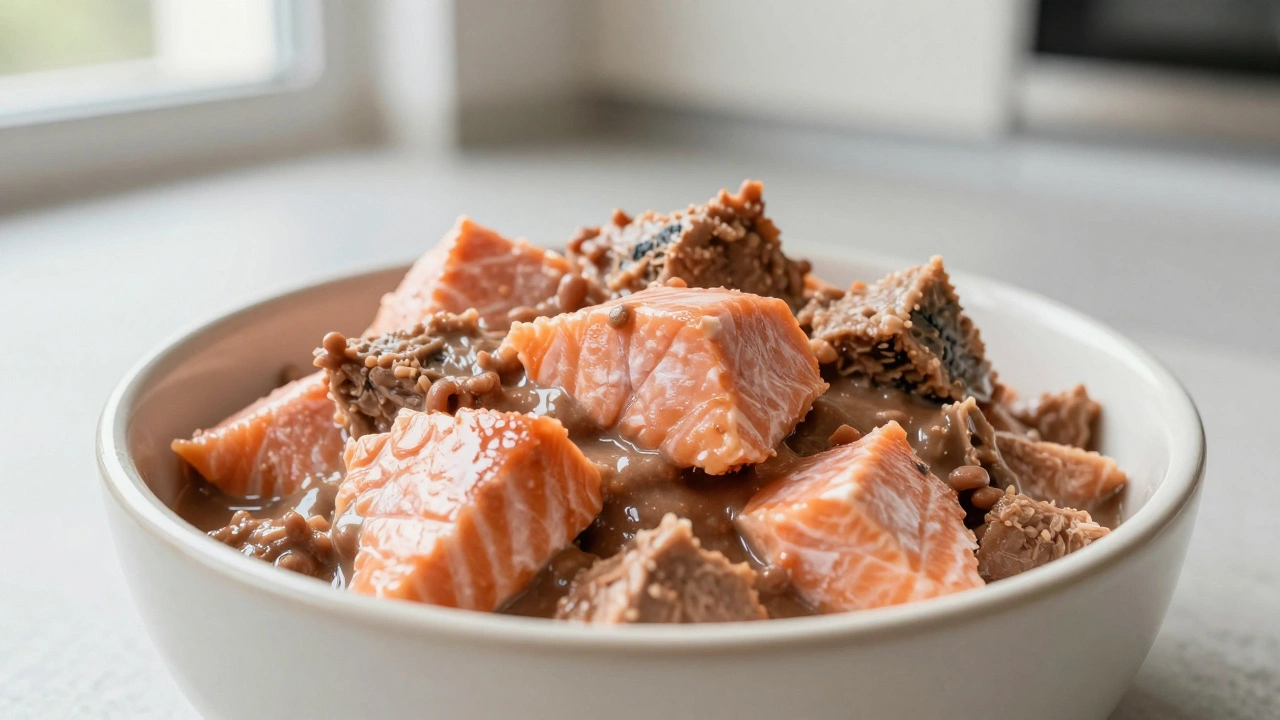
Daily Diet Input
Hydration Analysis
Enter your cat's diet details to see if they are getting enough moisture to protect their kidneys.
The Big Debate: Wet vs Dry for Lifespan
You've probably seen the heated arguments in vet waiting rooms or on forums: one person swears by high-protein kibble, while another insists that only canned food keeps a cat healthy. But does the food in the bowl actually change the number on the calendar when your cat reaches old age? The short answer is that while no single food guarantees a longer life, wet cat food provides a massive biological advantage that can prevent the most common killers of elderly cats.
Cats are biologically designed to be desert animals. Their ancestors didn't drink much water; they got most of their hydration from the prey they hunted. Because of this, cats have a low thirst drive. Many house cats live in a state of mild, chronic dehydration because they rely on dry kibble and a water bowl they might not visit often enough. This is where the longevity argument begins. When a cat is chronically dehydrated, their internal organs-specifically the kidneys-have to work much harder to filter toxins from the blood.
Key Takeaways for Your Cat's Diet
- Wet food significantly boosts hydration, which protects the kidneys.
- Dry food is convenient but can contribute to urinary crystals and kidney stress.
- The best longevity strategy usually involves a mix of both or a wet-heavy diet.
- Weight management is just as important as food type to prevent diabetes.
The Kidney Connection: Why Moisture Matters
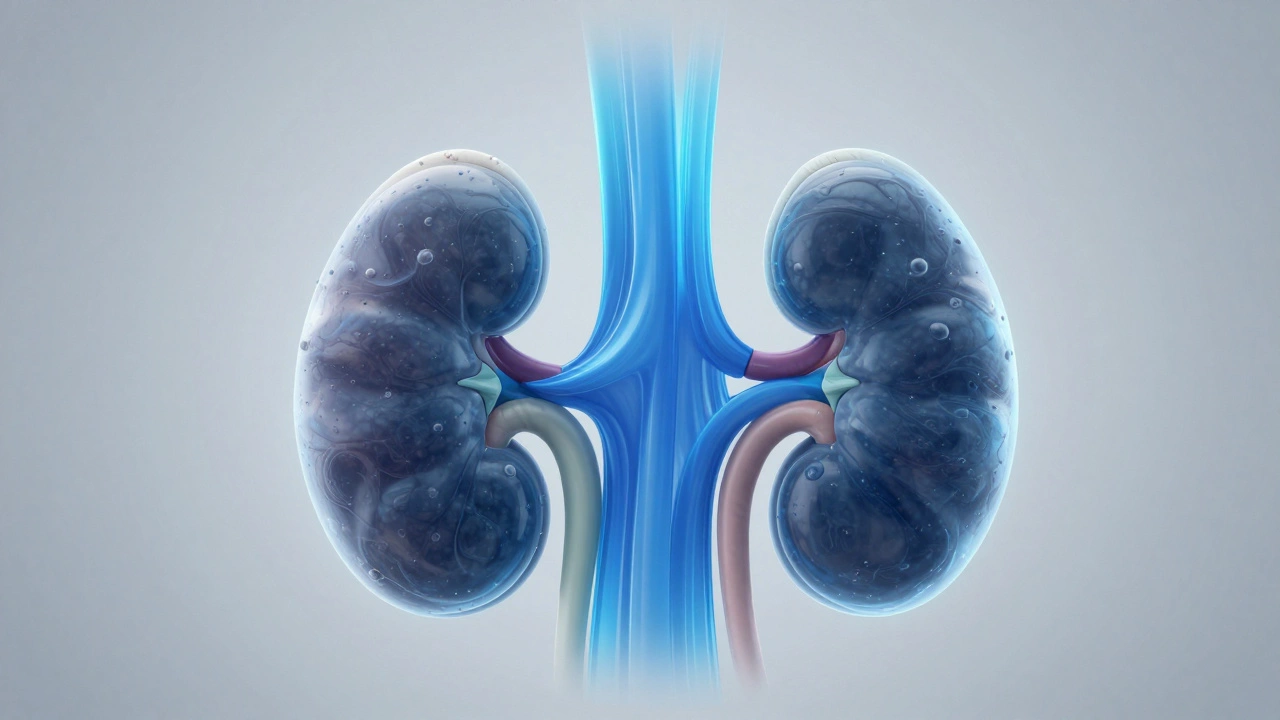
If you look at the primary causes of death in senior cats, Chronic Kidney Disease (CKD) is right at the top. CKD happens when the kidneys lose their ability to concentrate urine and filter waste. When a cat eats a diet of purely dry kibble, their body has to use its own precious water reserves to process the dry nutrients. This puts a constant, low-level strain on the renal system.
Think of it like trying to flush a pipe with a tiny trickle of water versus a steady stream. The steady stream (wet food) keeps things moving and prevents waste from building up. By increasing water intake through food, you are essentially "lubricating" the kidneys. Many vets observe that cats on wet-heavy diets maintain healthier creatinine and BUN (Blood Urea Nitrogen) levels well into their teens.
Beyond the kidneys, the bladder is another area where wet food saves lives. Feline Lower Urinary Tract Disease (FLUTD) is a common and sometimes fatal condition, especially in male cats. It often involves the formation of crystals or "plugs" in the urethra. High moisture intake dilutes the urine, making it much harder for these crystals to form and settle, which prevents emergency vet visits and long-term bladder scarring.
| Attribute | Wet Food | Dry Food (Kibble) |
|---|---|---|
| Moisture Content | ~75-85% | ~10% |
| Kidney Support | High (Hydrating) | Low (Concentrated) |
| Dental Impact | Low (Sticky) | Moderate (Abrasive) |
| Caloric Density | Lower (More volume) | Higher (Concentrated) |
The Calorie Trap and Weight Management
Here is the catch: wet food isn't a magic pill. If you feed too much of it, or choose brands loaded with sugar and fillers, you risk another longevity-killer: Feline Diabetes. Obesity is a massive risk factor for diabetes in cats, and some cheap wet foods are surprisingly high in carbohydrates to keep the pâté texture consistent.
To actually extend your cat's life, you need a diet that is high in protein and low in carbohydrates. Cats are obligate carnivores, meaning they must eat meat to survive. When you see "corn meal" or "wheat gluten" as the first few ingredients in a can of food, that's a red flag. A diet that mimics a natural prey-based model-lots of moisture, high animal protein, and very few carbs-is the gold standard for longevity.
For example, if you have a lazy indoor cat, feeding them a massive bowl of high-calorie kibble throughout the day is a recipe for weight gain. Switching to a measured portion of high-quality wet food allows them to feel full (because of the water volume) while consuming fewer total calories. This prevents the metabolic stress that leads to heart disease and joint issues in older age.
What About Dental Health?
The most common argument against wet food is that it causes plaque buildup because it doesn't "scrub" the teeth like kibble does. Let's be honest: kibble isn't a toothbrush. While the crunch of a piece of kibble might remove a tiny bit of surface debris, it doesn't reach the gumline where the real damage happens.
If you're worried about dental health while feeding wet food, the solution isn't to switch back to dry food-it's to incorporate active dental care. Using a feline-safe toothbrush or providing dental treats is far more effective at preventing periodontal disease than relying on kibble. Remember, a tooth infection can lead to bacteria entering the bloodstream and damaging the heart, so dental care is part of the longevity puzzle, but it's a separate issue from the hydration benefits of wet food.
Practical Strategies for a Longer Life
You don't have to go 100% wet if your cat refuses it or if your budget is tight. The goal is to maximize moisture while keeping the calories in check. Here are a few ways to implement a longevity-focused feeding plan:
- The Hybrid Approach: Feed wet food for breakfast and dinner, and provide a very small, measured amount of high-quality dry food as a snack. This gives them the hydration they need and the convenience of kibble.
- Water Enhancements: If your cat loves dry food, try adding warm water or a tablespoon of unsalted broth to their kibble to create a "stew." This forces extra hydration.
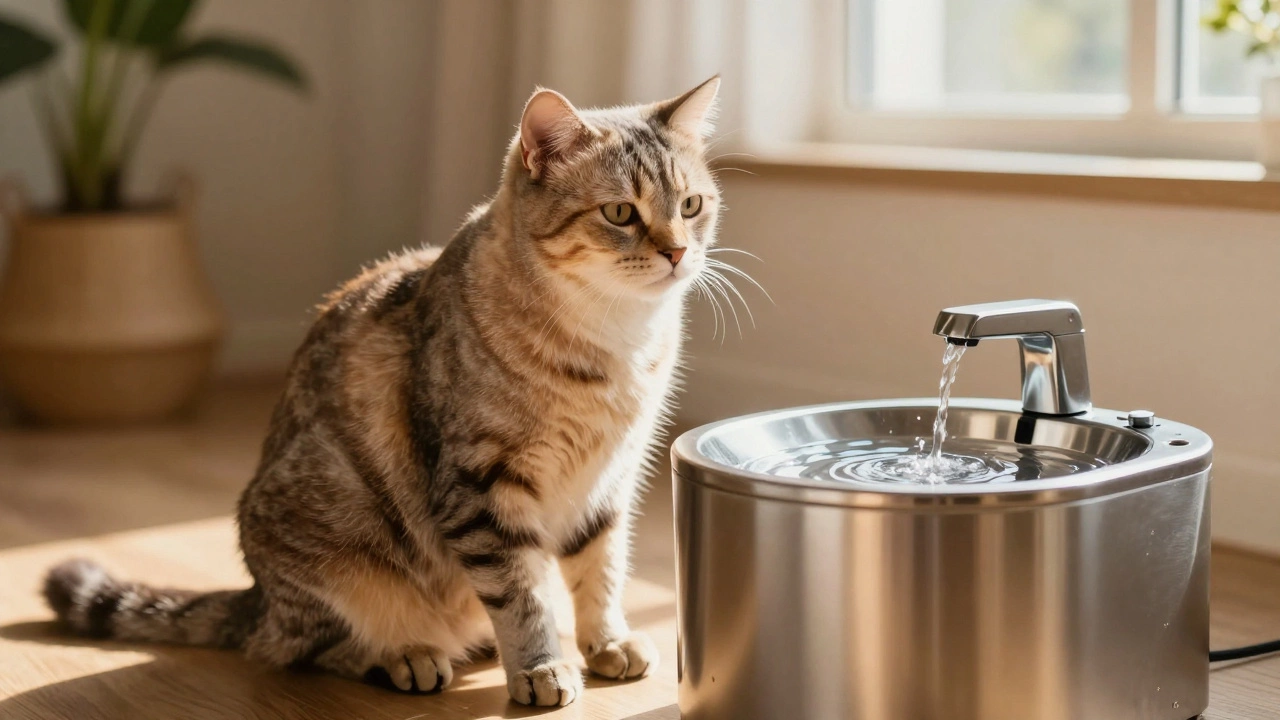
- Invest in a Fountain: Cats prefer running water over still water. A Cat Water Fountain can encourage them to drink more, bridging the gap if they aren't getting enough moisture from their food.
- Check the Label: Look for foods where the first three ingredients are named meats (e.g., "Chicken," "Turkey," "Salmon") rather than "Meat By-products" or "Corn Gluten Meal."
A great rule of thumb is to monitor your cat's urine output. If they are producing small, very concentrated, dark yellow clumps in the litter box, they aren't hydrated enough. Healthy, hydrated cats typically produce larger, lighter-colored clumps. If you see the former, it's time to increase the wet food ratio.
The Role of Genetics and Environment
While food is a huge piece of the puzzle, it's not the only one. You could feed your cat the perfect diet, but if they are genetically predisposed to certain conditions, food can only do so much. However, diet is the one variable you can control. By eliminating the risk of dehydration-linked kidney failure, you are effectively removing one of the most common barriers to a 20-year lifespan.
Combine a wet-heavy diet with regular vet check-ups-specifically blood work once a year after age seven-to catch kidney issues early. When combined with a high-moisture diet, early detection of CKD allows for medical interventions that can add years to a cat's life.
Is wet food more expensive than dry food in the long run?
On a per-calorie basis, wet food is usually more expensive. However, when you consider the potential cost of treating chronic kidney disease or emergency urinary blockages-which can cost thousands of dollars in vet bills-investing in wet food now is often a financial win. Many owners find that a hybrid approach (mixing wet and dry) keeps the budget manageable while still providing the health benefits.
Can I just give my cat more water instead of wet food?
Unfortunately, most cats aren't great at drinking enough water on their own. Their biological thirst mechanism is muted. While a water fountain helps, eating the water (via wet food) is the most reliable way to ensure they are getting the hydration necessary to flush their kidneys and bladder.
Does the brand of wet food matter?
Yes, significantly. Some low-cost wet foods use thickeners and sugars that can contribute to obesity and diabetes. Look for brands that prioritize protein and have minimal fillers. Avoid foods with high amounts of "carrageenan" or excessive corn syrup, as these don't provide the nutritional value a cat needs for a long life.
How do I transition my cat from dry to wet food?
Do it slowly. Some cats have sensitive stomachs or are picky about texture. Start by mixing a small teaspoon of wet food into their kibble. Gradually increase the wet portion over 7 to 14 days. If they refuse the pâté, try shreds or chunks, as many cats have a strong preference for the "mouthfeel" of their food.
Can wet food cause obesity?
Only if you overfeed. Because wet food is less calorie-dense than kibble, you actually have to feed a larger volume to match the calories of dry food. As long as you follow the feeding guidelines on the can or use a kitchen scale to measure portions, wet food is often better for weight control because the water helps the cat feel full faster.