
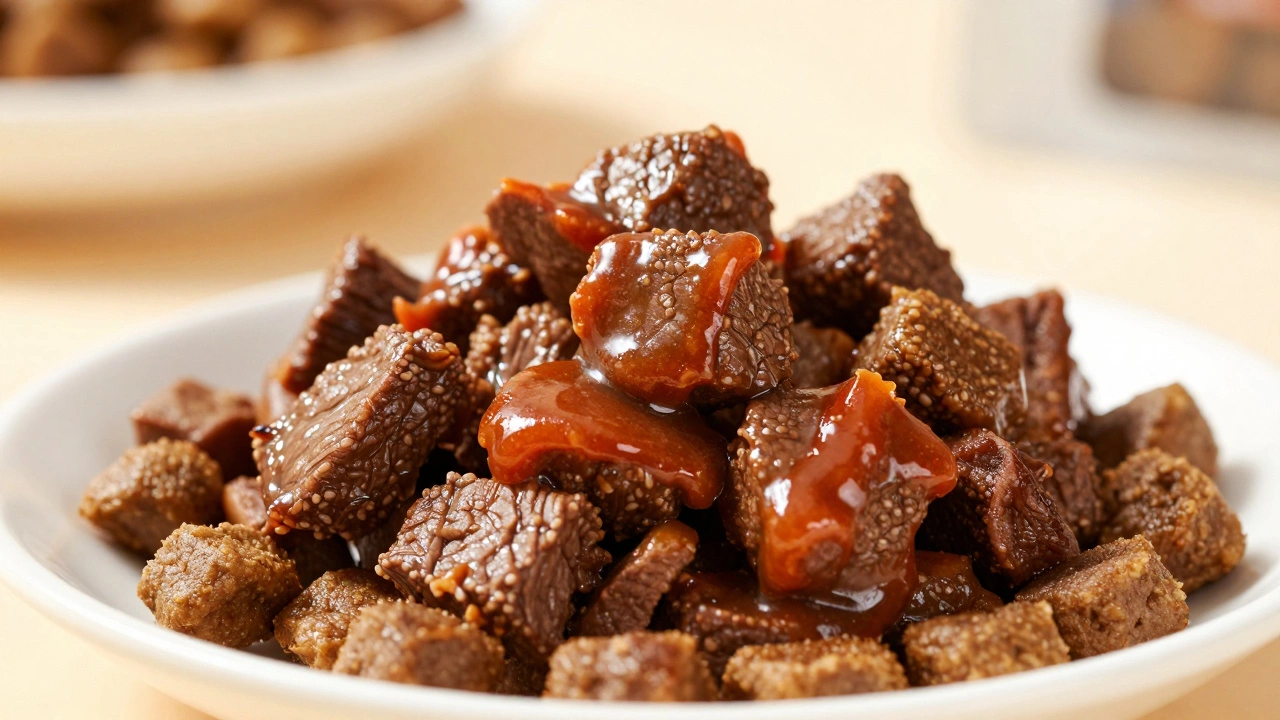
Choosing the right wet dog food can feel like walking into a supermarket aisle packed with hundreds of cans and pouches. You see terms like 'premium,' 'natural,' and 'grain-free' plastered everywhere, but do they actually mean your dog gets better nutrition? When we think about what canned dog food is good for our pets, we aren't just looking at flavor; we're looking at moisture levels, ingredient transparency, and long-term health outcomes. If you are standing in front of those shelves wondering which option won't upset your dog's tummy or empty your wallet, you need to look past the marketing buzzwords and focus on the actual composition.
Wet dog food is a preserved meat-based diet typically stored in cans or trays that provides high hydration and palatability. Unlike kibble, which has been baked and dehydrated, these meals retain natural juices that help older dogs stay hydrated and entice picky eaters. In 2026, the market has shifted towards more sustainable protein sources and fewer unnecessary fillers, making it easier to find genuinely healthy options if you know what to read on the label. Let's break down exactly what makes a can of food "good" versus just "expensive."
Why Your Dog Needs More Than Just Kibble
The primary reason to switch to or include high-moisture dog food in your pet's routine isn't just because it tastes better-though it usually does. It comes down to water intake. Most dogs simply don't drink enough plain water throughout the day, leading to chronic low-level dehydration. When you feed them a meal that contains roughly 70% to 80% water, you are solving that problem before it even starts.
- Kidney Support: Older dogs often struggle with kidney function. A dry diet forces their bodies to work harder to process water-scarce calories, whereas canned dog food reduces the strain on their kidneys naturally.
- Weight Management: Surprisingly, wet food is often lower in caloric density per cup compared to kibble because of the water weight. You can give them a bigger volume of food for fewer calories, keeping them fuller longer without overfeeding.
- Picky Eating Solutions: Many dogs lose interest in dry food after a while. The strong aroma and soft texture of wet dog food trigger their natural scent-driven instincts, helping underweight dogs gain necessary mass.
This hydration benefit is crucial in Irish winters where dogs might not be running around as much but still need energy. However, this advantage brings us straight to the most critical part of your decision: reading the ingredients list. Not all meats are created equal, and some cheap brands will hide the lack of quality behind fancy names like "beef recipe" when the beef is barely in there.
Decoding the Ingredient List Like a Pro
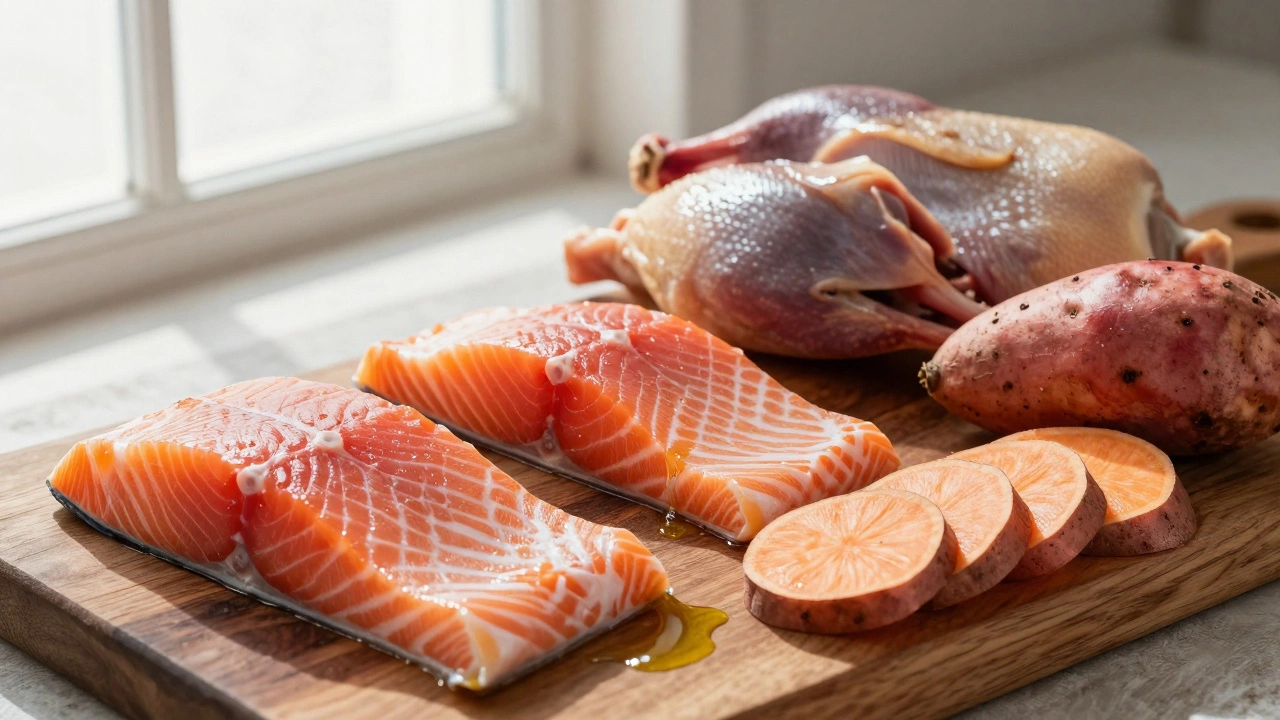
To understand if a product is truly nutritious, you must identify the protein source immediately. Look at the first three ingredients on any package. If the first one is water, you have to check what the second and third are. Ideally, you want a named animal protein listed first, such as "salmon," "chicken breast," or "lamb." Avoid generic terms like "meat and animal derivatives" or "by-products" unless you understand exactly what that entails for your specific dog.
| Ingredient Type | Good Example | Avoid Example |
|---|---|---|
| Meat | Duck, Turkey, Beef | By-product meal, Meats derivatives |
| Caregiver Fillers | Sweet Potato, Peas | Wheat Gluten, Corn Starch |
| Fat Source | Poultry Fat, Fish Oil | Animal Fat (unspecified) |
If you see "beef" but later down the list you see "beef fat," that's acceptable, but if the first ingredient is a cereal grain and the meat is way down at number six, you are paying for a carbohydrate-heavy meal disguised as meat. A Veterinary Nutritionist would advise checking the guaranteed analysis on the back. While percentages vary, aim for a protein level between 8% and 12% in wet food (not dry matter basis) to ensure it supports muscle maintenance. Also, be wary of artificial preservatives. Natural preservation using tocopherols (Vitamin E) or rosemary extract is standard now in premium lines and indicates a higher quality manufacturing process.
Navigating the Grain-Free Debate
For the last few years, you might have heard conflicting stories about whether grains are bad. There was a significant scare regarding Dilated Cardiomyopathy (DCM) linked to certain grain-free diets high in legumes like peas and lentils. As we move through 2026, the consensus has settled slightly more. Grains like oat or rice are not inherently bad for dogs and offer fiber and energy. However, if your dog has a confirmed allergy to wheat or corn, or suffers from specific gastrointestinal sensitivity, a limited ingredient diet is necessary.
The trick is finding balance. If you choose a grain-free option, make sure the filler isn't just potato starch alone. Look for recipes that include healthy fats like omega-3 fatty acids from fish oil. These support skin and coat health far better than cheap grains ever could. If your dog has no known allergies, including moderate amounts of real vegetables and whole grains can provide essential vitamins without causing inflammation. Don't fear the word "grain" blindly, but always inspect the specific type of grain being used.
Evaluating Brand Quality Without Buying Blindly
While I cannot recommend a single brand that fits every dog due to varying sensitivities, there are tiers of quality established by manufacturers who follow rigorous standards. In Europe, we rely heavily on FEDIAF guidelines, which regulate nutritional requirements similarly to the AAFCO (Association of American Feed Control Officials) standards in the US. When shopping in Dublin or online, look for brands that explicitly state they meet these standards on the packaging.
Budget supermarket brands often cut costs by using lower-quality proteins and excessive thickeners to create that thick gravy texture you want. A high-quality brand will list the meat percentage clearly-for example, stating "contains 70% lamb" rather than a vague "rich in meat flavors." If you buy premium brands, expect to pay more, but calculate the price by the week of feeding, not the tin. A small tin that lasts a week might be cheaper overall than a large bag of kibble requiring expensive treats to convince your dog to eat.
The Trade-offs You Should Know Before Switching
Switching entirely to wet food requires acknowledging the downsides to make an informed choice. The biggest concern dentists worry about is dog dental health. Kibble provides some mechanical abrasion that helps scrape tartar off teeth, while wet food acts almost like gum paste in the mouth. If you decide to feed exclusively wet, you must commit to regular tooth brushing or dental chews designed to clean teeth effectively. Neglecting this can lead to gum disease faster than you expect.
Storage is another factor. Once you open a can, that meal spoils within hours. You cannot leave it out all day. This means if your dog eats slowly, you might have to throw away half the portion, wasting money. Pouches sometimes have resealable features, which help extend usability by a day or so. Furthermore, wet food generally has a shorter shelf life than unopened bags of dry food. Always check the expiration dates on canned goods, especially if you are buying in bulk during sales.

Tips for Transitioning Safely
Your dog's stomach lining adapts quickly, but sudden changes in food consistency can cause diarrhea. If your dog is currently eating mostly dry food, do not throw everything out tomorrow. Start by adding a small spoonful of the new canned dog food to their existing bowl. Gradually increase that portion over seven to ten days until the transition is complete.
- Monitor stool quality daily; loose stools indicate a speed-up or sensitivity issue.
- Mix the two types thoroughly so the dog doesn't just lick off the tasty new bits and ignore the old ones.
- Keep the water bowl topped up, even though the food contains moisture, as digestion still requires adequate systemic fluid.
Also, consider the caloric load. Since wet food is less calorie-dense, you may need to serve larger volumes to match their energy needs. Weigh your dog weekly during this process to ensure they maintain a healthy body condition score.
| Feature | Wet Food | Dry Food |
|---|---|---|
| Moisture Level | High (70-80%) | Low (10%) |
| Calorie Density | Lower | Higher |
| Cost per Serving | Generally Higher | Generally Lower |
| Taste Palatability | Very High | Moderate |
Conclusion
Ultimately, choosing what wet food is good for dogs comes down to prioritizing hydration and ingredient integrity. There is no magic bullet for every breed, but focusing on named meats, avoiding excessive fillers, and balancing the dietary needs with oral health care will get your dog the best results. Whether you mix it in or make it the main course, ensuring you are buying quality creates a healthier lifestyle for your companion.