

Dog Supplement Value Estimator
Answer these questions to see which supplements might actually help your dog, and which ones you can safely skip.
Your Personalized Recommendation
| Supplement Type | Verdict | Evidence Strength | Why? |
|---|
Note: Always consult your veterinarian before starting new supplements, especially if your dog is on medication.
You’re standing in the pet aisle, staring at a wall of colorful bottles promising shiny coats, happy hips, and boundless energy. Your dog is healthy, mostly. But maybe they limp slightly after a long walk, or their skin gets itchy when the pollen count spikes in Dublin. You wonder: dog supplements are nutritional products designed to fill gaps in a dog’s diet or target specific health conditions beyond basic maintenance. But do you actually need them, or are you just buying expensive urine?
The truth isn’t black and white. Unlike humans, who often use supplements as a safety net for poor diets, dogs have different metabolic needs. If your dog eats a high-quality, complete-and-balanced commercial food, adding random vitamins might be useless-or worse, harmful. But for specific issues like arthritis, digestive upset, or coat quality, certain supplements have solid scientific backing. Let’s cut through the marketing noise and figure out which ones actually move the needle.
The Big Question: Do They Actually Work?
First, let’s address the elephant in the room: regulation. In Ireland and the EU, pet supplements fall under different rules than human medicine. They aren’t subject to the same rigorous pre-market approval process that drugs are. This means a label saying "clinically proven" doesn’t always mean what you think it means. However, this doesn’t make them all snake oil. Many ingredients have decades of veterinary research behind them.
The key is matching the supplement to the problem. Giving a multivitamin to a dog with no deficiencies is like putting premium fuel in a car that already has a full tank-it does nothing. But if your senior Labrador has stiff joints, a targeted joint supplement can genuinely improve their quality of life. The value proposition depends entirely on whether you are addressing a diagnosed issue or trying to prevent one.
When Supplements Are Non-Negotiable
There are scenarios where skipping supplements is actually risky. Here are the most common cases where vets typically recommend intervention:
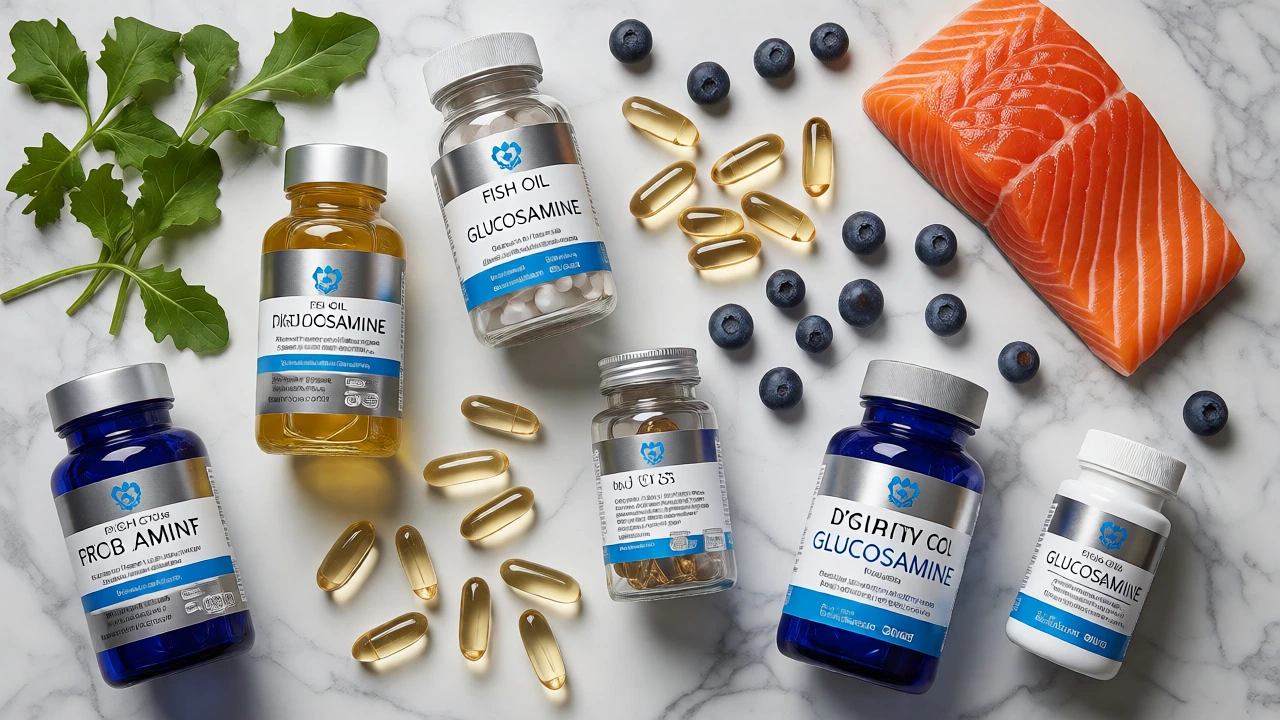
- Senior Dogs and Joint Health: As dogs age, cartilage wears down. Glucosamine is a natural compound found in cartilage that helps maintain joint health and reduce inflammation. While studies show mixed results for mild stiffness, many owners report significant mobility improvements in arthritic dogs within 4-6 weeks of consistent use.
- Digestive Issues: If your dog has chronic loose stools or gas, Probiotics are live microorganisms that provide health benefits by improving gut flora balance. Specific strains like Lactobacillus acidophilus can help stabilize digestion, especially during stress events like boarding or travel.
- Skin and Coat Problems: Dry, flaky skin or excessive shedding often points to a lack of essential fatty acids. Omega-3 Fatty Acids are anti-inflammatory nutrients found in fish oil that support skin barrier function and heart health. These are hard to get enough of from dry kibble alone, making supplementation highly effective here.
The "Maybe" Category: Proceed with Caution
Not every trendy supplement deserves a spot in your cabinet. Some are heavily marketed but lack robust evidence for healthy dogs.
| Supplement Type | Best For | Evidence Strength | Risk Factor |
|---|---|---|---|
| Joint Support (Glucosamine/Chondroitin) | Arthritis, senior dogs, large breeds | Moderate-High | Low; may cause mild GI upset |
| Fish Oil (Omega-3) | Itchy skin, heart health, kidney disease | High | Low; blood thinning at very high doses |
| Probiotics | Diarrhea, antibiotic recovery, IBS | Moderate | Very Low |
| Multivitamins | Picky eaters, homemade diets | Low (for balanced commercial diets) | Medium; risk of Vitamin A/D toxicity |
| Calming Chews (L-Theanine/CBD) | Separation anxiety, noise phobia | Variable | Low; check local CBD regulations |
Notice the Multivitamins row. If you feed a reputable brand like Royal Canin, Purina Pro Plan, or James Wellbeloved, the food is already fortified. Adding a multivitamin can lead to hypervitaminosis, particularly with fat-soluble vitamins like A and D, which accumulate in the body. Unless your vet diagnoses a deficiency, save your money.

How to Spot Quality vs. Junk
Walk into any pet shop in Dublin and you’ll see hundreds of options. How do you know which bottle contains actual active ingredients versus sawdust and flavoring? Look for these three markers:
- NASc Certification: The National Animal Supplement Council (NASc) audits manufacturers for quality control. While US-based, many major brands carry this seal, indicating third-party verification of ingredient purity and potency.
- Specific Dosage per kg: Avoid vague labels like "one chew daily." Good supplements list dosage based on weight. A 5kg Chihuahua and a 50kg Mastiff need vastly different amounts of active ingredients.
- Source Transparency: Does the label say "Fish Oil" or "Wild-Caught Alaskan Salmon Oil, molecularly distilled"? The latter suggests fewer heavy metals and contaminants. For joint supplements, look for pharmaceutical-grade Glucosamine Sulfate rather than generic Glucosamine Hydrochloride, as the former has better absorption rates in clinical trials.
The Cost-Benefit Analysis
Let’s talk numbers. A month’s supply of high-quality joint supplements for a medium-sized dog costs between €25 and €40. Is that worth it? Compare it to the alternative. Treating advanced osteoarthritis involves prescription anti-inflammatories (like Carprofen or Meloxicam), which cost more and carry risks of liver or kidney strain over time. Using supplements as part of a multimodal management plan can sometimes delay the need for higher-dose medications, potentially saving you vet bills in the long run.
However, don’t expect miracles. Supplements work slowly. Fish oil takes 8-12 weeks to alter cell membranes and reduce inflammation visibly. Joint supplements require 4-6 weeks to build up in synovial fluid. If you stop after two weeks because "nothing happened," you’ve wasted money. Consistency is the only way these products deliver value.
Common Pitfalls to Avoid
I’ve seen owners accidentally harm their pets by ignoring interactions. Here are the big mistakes:
- Double Dosing: If you give a joint chew AND a multivitamin that also contains glucosamine, you might exceed safe limits. Always check the total cumulative dose.
- Human Supplements: Never give human vitamins without checking ingredients. Xylitol (a sweetener in some gummies) is toxic to dogs. Iron supplements can be dangerous if dosed incorrectly.
- Ignoring Underlying Conditions: Limping isn’t always arthritis. It could be a torn ligament (CCL rupture). No amount of glucosamine will fix a structural injury. Get a diagnosis first.
Final Verdict: Buy, Skip, or Ask?
So, are dog supplements worth it? Yes, but only when used strategically. Think of them as tools in a toolbox, not magic wands. Use them to manage chronic conditions, enhance skin/coat health, or support digestion during stress. Skip them if your dog is young, healthy, and eating a premium balanced diet. And always ask your vet before starting new regimens, especially if your dog is on medication.
Your wallet-and your dog’s health-will thank you for being selective. Focus on quality over quantity, and stick to ingredients with proven efficacy.
Can I give my dog human vitamin C?
Generally, yes, but it’s rarely necessary. Dogs produce their own Vitamin C internally, unlike humans. Supplementation is usually only recommended for stressed working dogs or those with specific immune issues. Too much can cause diarrhea or bladder stones due to increased oxalate excretion.
How long until I see results from joint supplements?
Patience is key. Most veterinary studies suggest waiting at least 4 to 6 weeks for noticeable improvement in mobility. Some dogs may take up to 3 months. If there’s zero change after 3 months of consistent use, the supplement likely isn’t effective for your specific case, and you should consult your vet for alternative treatments.
Are CBD supplements legal and safe for dogs in Ireland?
CBD products derived from hemp (with less than 0.2% THC) are generally available in Ireland. However, the regulatory landscape is evolving. Safety data is still emerging. While many owners report calming effects, ensure the product is specifically formulated for pets to avoid additives like xylitol. Consult your vet, as some clinics advise caution due to limited large-scale studies in canines.
Do raw-fed dogs need supplements?
Often, yes. Raw diets are frequently deficient in calcium, phosphorus, and trace minerals unless carefully formulated with pre-mixes. Without proper balancing, raw feeding can lead to skeletal issues in growing puppies. Always use a reputable premix or consult a canine nutritionist if you feed raw.
What happens if I overdose my dog on supplements?
Mild overdoses of water-soluble vitamins (B, C) usually result in bright yellow urine and possibly an upset stomach. Overdoses of fat-soluble vitamins (A, D, E, K) are more serious and can lead to toxicity affecting bones, muscles, and organs. Symptoms include vomiting, lethargy, and loss of appetite. Contact your vet immediately if you suspect an overdose.