Dog Beds – Choose the Right Bed for Your Pup
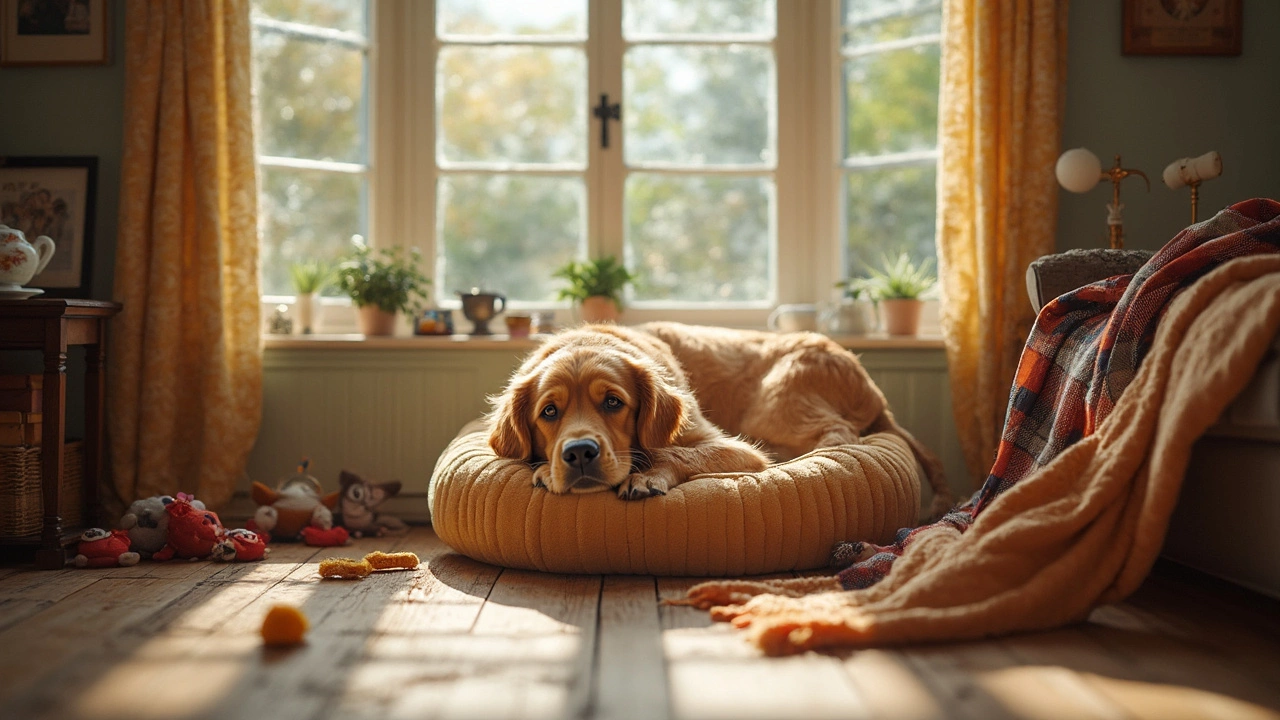
Ever notice how a happy dog stretches out, wiggles its tail, and looks totally relaxed? That calm vibe usually starts with a good night’s sleep. The right dog bed does more than look cute – it supports joints, keeps your pet warm, and gives a safe spot to unwind after a busy day of sniffing and playing.
Most owners think any cushion will do, but dogs are picky about texture, size, and shape. A bed that’s too hard can hurt older joints, while one that’s too soft might not give enough support for larger breeds. The right choice can reduce itching, lessen anxiety, and even improve overall health.
How to Know When Your Dog Needs a New Bed
First sign: visible wear. If the fabric is ripped, the stuffing flattened, or the base soggy, your dog isn’t getting proper support. Next, watch for restlessness. Dogs that toss, turn, or wake up frequently may be uncomfortable. Look at the edges – if they’re frayed, the bed could lose shape and become a hazard. Finally, check for odors or stains that won’t wash out; these can irritate skin and trigger allergies.
When you spot any of these clues, it’s time to upgrade. A fresh bed restores comfort and shows your pet you care about their wellbeing. Choose a bed with removable covers so you can wash it regularly – that keeps germs at bay and extends the life of the mattress.
Choosing the Right Shape and Size
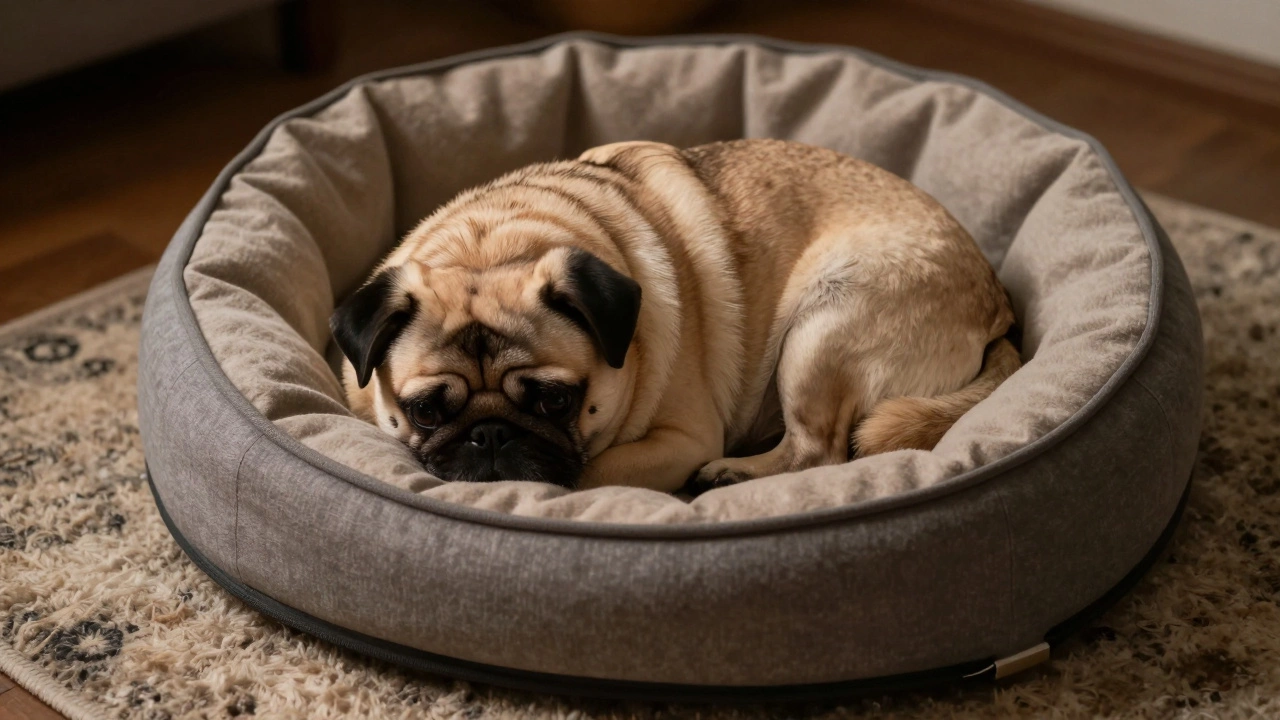
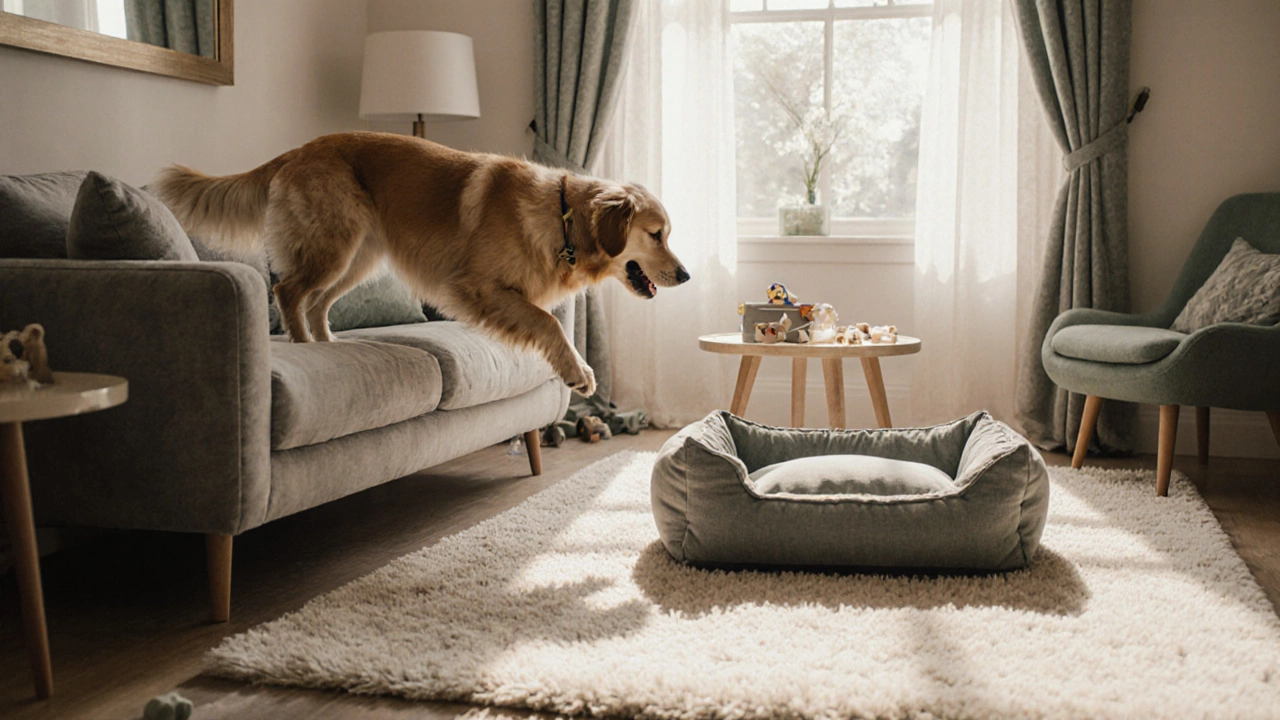
Round beds are great for curl‑up sleepers. Breeds like bulldogs or dachshunds love a cozy nest that lets them hug the edges. Rectangle beds work better for dogs that stretch out, such as labs or golden retrievers. Measure your dog from nose to tail and add a few inches; the bed should let them lay flat without hanging over the edge.
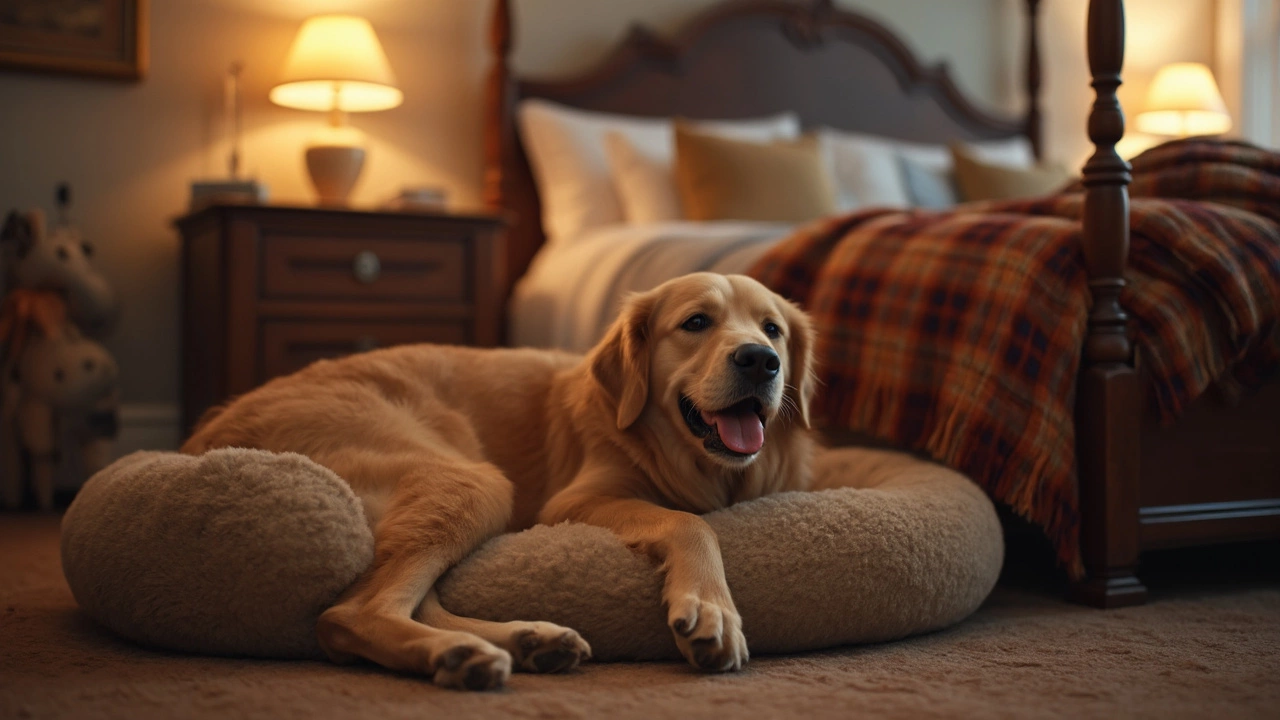
Height matters too. Larger dogs benefit from elevated platforms that keep joints off the cold floor, while small breeds might prefer a low‑profile pillow that feels snug. If your pup likes to snuggle with you, consider a larger bed that fits near your own sleeping area, giving them the option to stay close.
Material choice impacts comfort and durability. Memory foam supports joints and reduces pressure points, perfect for seniors. Plush fabrics feel soft but may need more frequent cleaning. Waterproof liners protect against accidents and make cleaning easier, especially for puppies still learning house rules.
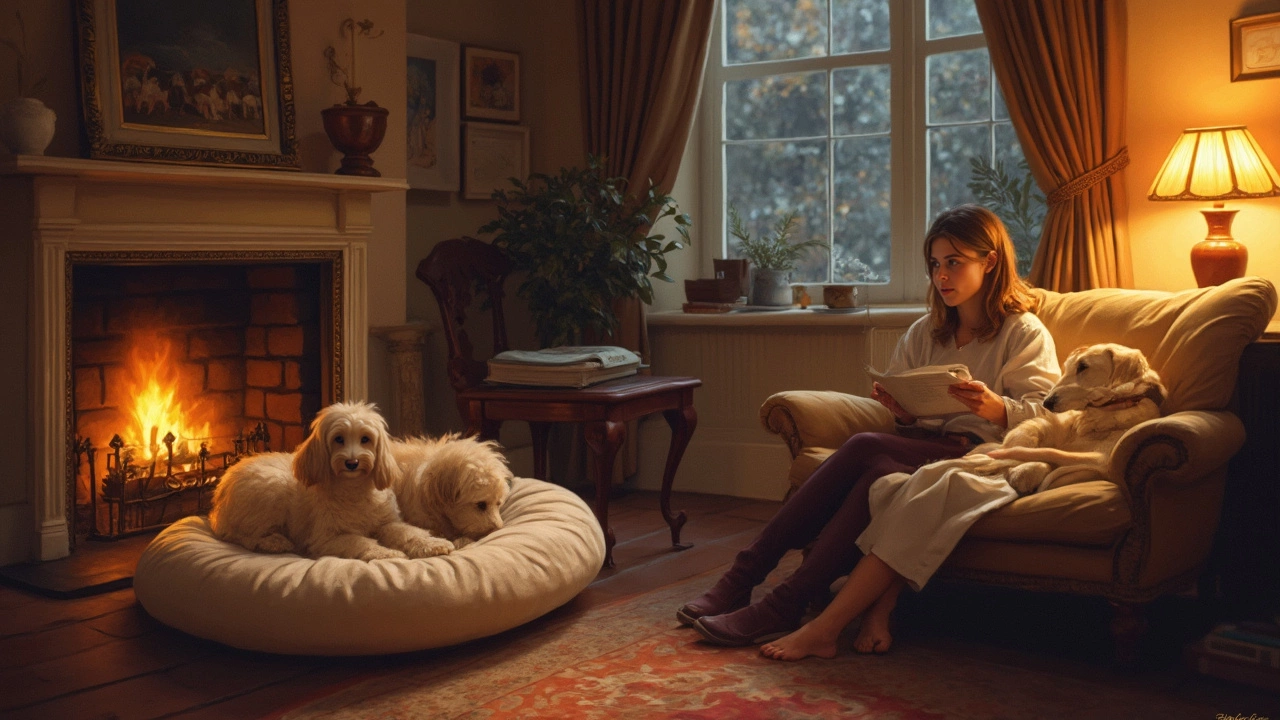
Location can change how much your dog uses the bed. A quiet corner away from drafts encourages deep sleep, while a spot near the family hub works for social dogs that want to be part of the action. Try a few spots and see where your dog settles most often.
Finally, keep an eye on your dog’s routine. If they start preferring your couch or your clothes, it might signal the current bed isn’t meeting their needs. Adjust the bedding, add a blanket they like, or switch to a new style. Small tweaks often solve the problem without a full replacement.
Choosing the right dog bed doesn’t have to be a mystery. Look for signs of wear, match shape to your pup’s sleeping style, pick supportive materials, and place it where they feel safe. With these steps, you’ll give your dog the cozy retreat they deserve and enjoy a calmer, happier home.