
Dog Fish Oil Dosage Calculator
Recommended Daily Intake
Total EPA/DHA Needed
-- mg
Starting Dose (First Week)
-- mg
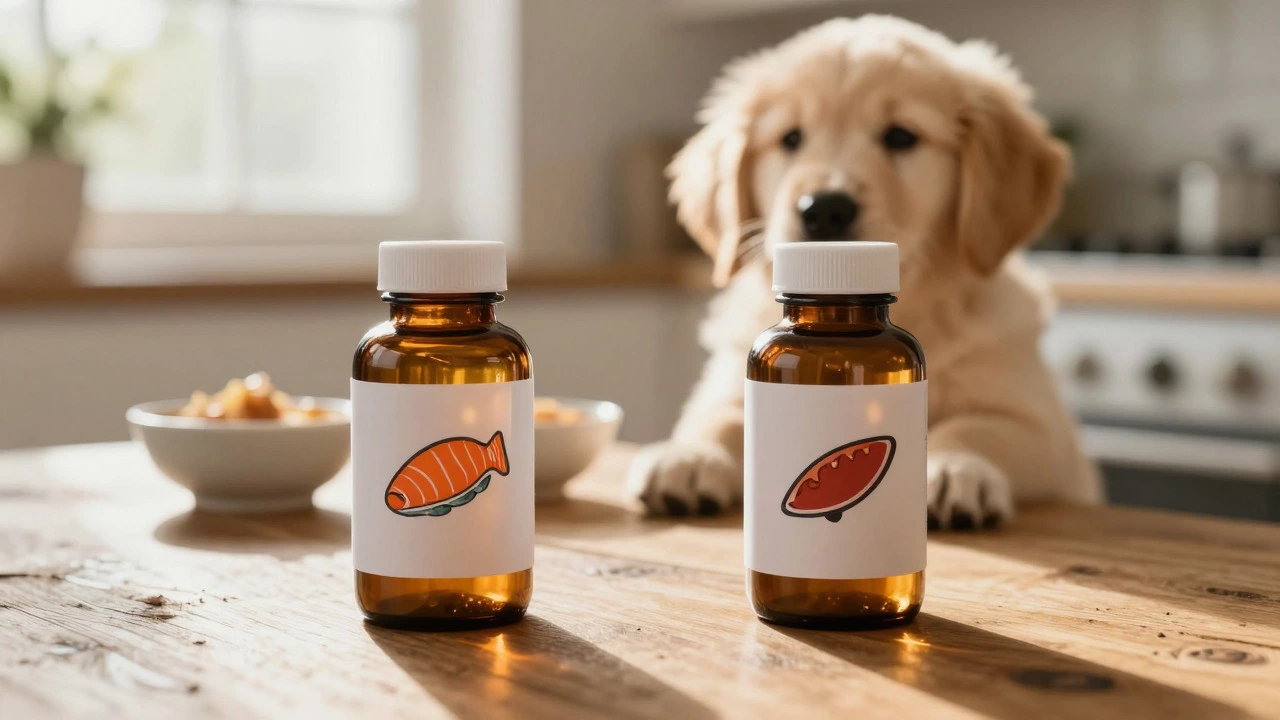
You’ve probably seen bottles of fish oil on every vet’s shelf and in almost every pet store aisle. But when you look closer, you realize there isn’t just one type. There is salmon oil, which is marketed as a gentle skin booster, and cod liver oil, which often comes with warnings about Vitamin A toxicity. So, which one actually deserves a spot in your dog’s food bowl? The answer depends entirely on what you are trying to fix-whether it is dry skin, stiff joints, or general wellness.
The Core Difference: Source Matters
To understand why these two oils behave differently in your dog’s body, we have to look at where they come from. This distinction changes the nutrient profile completely.
Salmon oil is extracted directly from the fatty tissue of wild-caught salmon. It is pure fat. Its primary job is to deliver high concentrations of Omega-3 fatty acids, specifically EPA (eicosapentaenoic acid) and DHA (docosahexaenoic acid). These are the compounds that fight inflammation and support brain health.
Cod liver oil, on the other hand, is pressed from the livers of codfish. Because the liver is an organ designed to store vitamins, this oil is naturally rich in pre-formed Vitamins A and D, in addition to its Omega-3 content. While those vitamins sound good on paper, they introduce a significant risk factor that salmon oil does not have.
| Feature | Salmon Oil | Cod Liver Oil |
|---|---|---|
| Source | Fatty tissue of salmon | Liver of codfish |
| Primary Nutrients | Omega-3s (EPA/DHA) | Omega-3s + Vitamin A + Vitamin D |
| Vitamin A Content | Negligible / None | High (Risk of toxicity if overdosed) |
| Purity & Contaminants | Generally lower heavy metal risk | Higher risk of mercury/PCBs due to liver storage |
| Best Use Case | Daily maintenance, skin, joints | Specific vitamin deficiencies (rare) |
Why Salmon Oil Wins for Daily Health
For the vast majority of dog owners, salmon oil is the superior choice for daily supplementation. Here is why it has become the gold standard in veterinary circles.
Safety Profile
The biggest advantage of salmon oil is safety. Because it lacks high levels of Vitamin A, you cannot accidentally overdose your dog by giving them a slightly larger spoonful. Vitamin A toxicity is a real condition called hypervitaminosis A. It can lead to bone deformities, liver damage, and pain. With salmon oil, the margin for error is much wider. You can give it daily without calculating precise milligram limits of fat-soluble vitamins.
Absorption Rates
Studies suggest that the Omega-3s in salmon oil are more bioavailable than those in many other fish sources. This means your dog’s body absorbs and uses the nutrients more efficiently. For a dog with arthritis, this efficiency translates to faster relief from stiffness. For a dog with dull fur, it means shinier coats sooner.
Purity Concerns
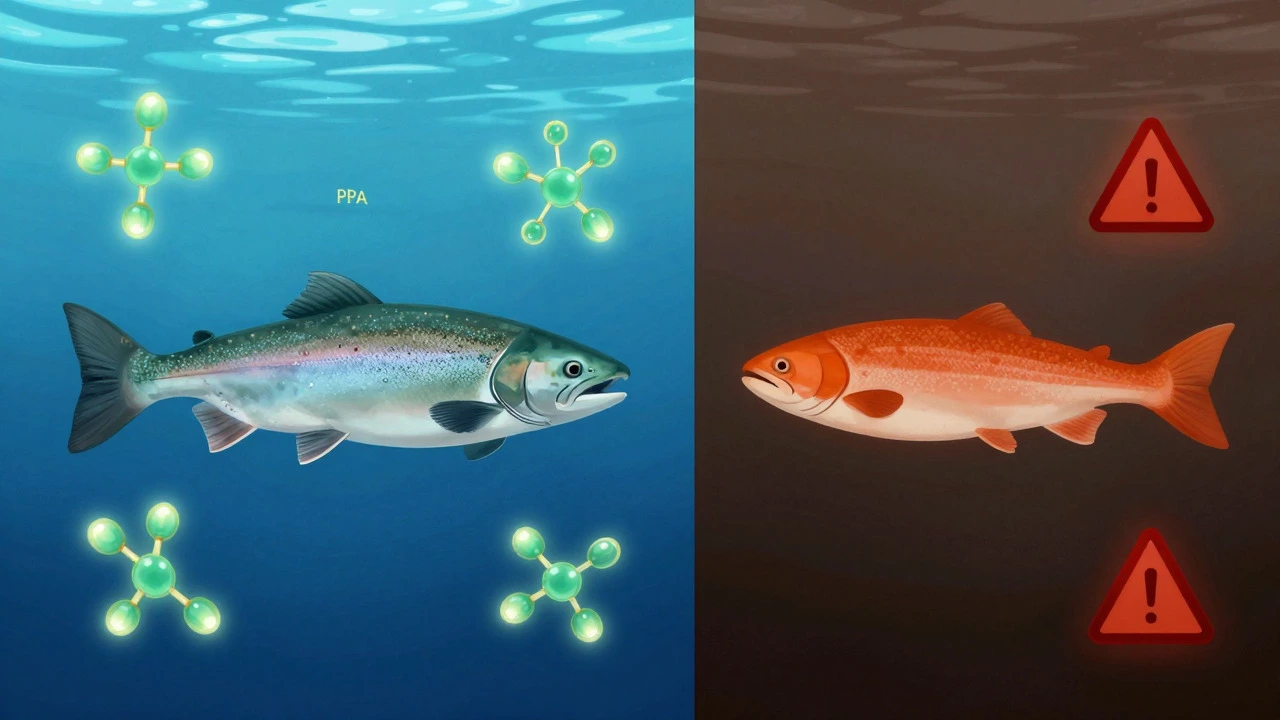
Fish live in oceans that are increasingly polluted. Heavy metals like mercury and environmental toxins like PCBs accumulate in the tissues of older, larger fish. However, because cod liver oil comes from the liver-the body’s filtration system-it tends to concentrate these toxins more than muscle or fat tissue. High-quality salmon oil brands undergo rigorous molecular distillation to remove these contaminants, making it a cleaner source of fats.
When Might Cod Liver Oil Make Sense?
Is cod liver oil useless? Not necessarily. It has a specific niche, but it requires careful management. You might consider it if your veterinarian has identified a specific deficiency in Vitamin A or D, though this is rare in dogs eating balanced commercial diets.
If you do choose cod liver oil, you must treat it like medicine, not a casual supplement. You need to calculate the dosage based on your dog’s weight strictly. Exceeding the recommended dose regularly can lead to chronic issues. Additionally, ensure the brand provides a Certificate of Analysis (COA) proving low levels of heavy metals. Without that proof, you are gambling with your dog’s long-term health.
Key Benefits for Your Dog
Regardless of which oil you pick, the goal is usually to harness the power of Omega-3 fatty acids. Let’s break down what these nutrients actually do inside your dog’s body.
- Joint Mobility: Inflammation is the enemy of aging joints. EPA helps reduce inflammatory markers in the synovial fluid. Many owners report their senior dogs walking better and jumping into cars more easily after 4-6 weeks of consistent supplementation.
- Skin and Coat: Dry, flaky skin and excessive shedding are often signs of poor cellular health. Omega-3s strengthen the cell membranes in the skin, locking in moisture. This reduces itching caused by allergies and gives the coat a natural shine.
- Brain Function: DHA is crucial for cognitive health. Puppies benefit from it during development, while senior dogs may experience slower cognitive decline. Think of it as fuel for their neurons.
- Heart Health: Omega-3s help regulate heart rhythm and blood pressure. For breeds prone to cardiac issues, this is a preventative measure worth considering.
How to Choose a High-Quality Product
Not all bottles are created equal. The supplement industry is loosely regulated, meaning "pure" on the label doesn't always mean pure in practice. Here is how to spot a quality product.
- Look for Wild-Caught: Farmed fish often have different fatty acid profiles and higher contaminant loads. Look for labels that specify "wild-caught" or "Alaskan" salmon.
- Check the EPA/DHA Ratio: The label should list the exact milligrams of EPA and DHA per serving, not just the total amount of fish oil. A high-quality salmon oil should have at least 500mg of combined EPA/DHA per teaspoon.
- Molecular Distillation: This process removes toxins. If the bottle mentions this purification method, it is a good sign.
- No Fillers: Avoid products with artificial flavors, colors, or preservatives like BHT/BHA. Pure fish oil should smell fishy, but not rancid.
Dosing Guidelines and Administration
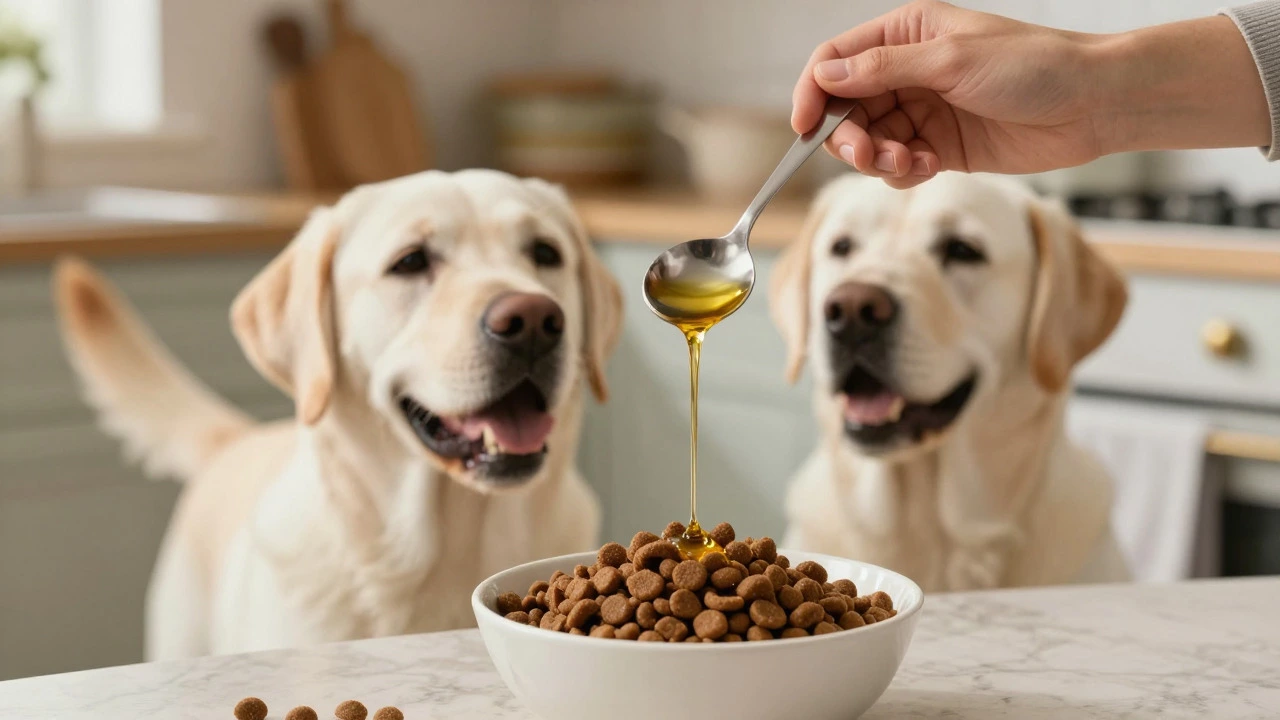
Getting the dose right is critical. Too little does nothing; too much can cause digestive upset or interfere with blood clotting. As a general rule of thumb, aim for approximately 100mg of combined EPA/DHA per 10 pounds of body weight. Always start with half the recommended dose to see how your dog’s stomach reacts.
How to Give It:
Most dogs love the taste, so mixing it into wet food is easy. For dry kibble eaters, drizzle it over the top before it heats up, as heat can degrade the beneficial fats. If your dog is a picky eater, try freezing the oil into small ice cubes with a bit of broth-a novel treat that delivers the health benefits.
Storage Tips:
Omega-3 oils oxidize quickly when exposed to air and light. Keep the bottle in the refrigerator, especially after opening. If the oil smells sharp or ammonia-like, it has gone rancid. Rancid oil promotes inflammation rather than reducing it, so toss it immediately.
Common Mistakes to Avoid
Even well-meaning owners make errors when starting supplements. Avoid these pitfalls to get the best results.
- Inconsistency: Skipping days defeats the purpose. Omega-3s build up in the system over time. Aim for daily administration.
- Ignoring Allergies: While rare, some dogs are allergic to fish. Introduce the oil slowly. Watch for hives, facial swelling, or vomiting. If these occur, stop use and consult your vet.
- Replacing Medication: Fish oil is a supplement, not a cure-all. Do not stop prescribed anti-inflammatories or heart medications without talking to your veterinarian first.
Final Verdict
For most dogs, salmon oil is the safer, more effective, and easier-to-manage option. It provides the potent anti-inflammatory benefits of Omega-3s without the risk of Vitamin A toxicity associated with cod liver oil. Unless your vet specifically recommends cod liver oil for a diagnosed vitamin deficiency, stick with high-quality, wild-caught salmon oil for your dog’s daily health routine.
Can I give my dog human-grade fish oil?
Yes, but check the ingredients. Human fish oil capsules often contain fillers or additives that aren't ideal for dogs. Also, ensure the dosage is appropriate for your dog's size. Liquid fish oil is often easier to dose accurately for pets than pills.
How long does it take for salmon oil to work?
You may notice improvements in coat shine within 2-4 weeks. However, benefits for joint pain and inflammation typically take 6-8 weeks of consistent daily use to become noticeable. Patience is key.
Is cod liver oil toxic to dogs?
In high doses or over long periods, yes. The high concentration of Vitamin A can lead to toxicity, causing bone spurs and liver damage. It is not inherently poisonous in small, controlled amounts, but the margin for error is very small compared to salmon oil.
Can puppies take salmon oil?
Absolutely. Puppies benefit greatly from DHA for brain and eye development. Just ensure you use a dose appropriate for their smaller body weight. Consult your vet for specific recommendations for growing puppies.
What if my dog hates the taste of fish oil?
Try hiding it in strong-smelling wet food, peanut butter (xylitol-free), or yogurt. Some dogs prefer the texture of liquid oil mixed into a paste. If they still refuse it, look for flavored soft chews, though these may have lower potency.