
Canine Departure Anticipation Simulator
Click on the cues below that apply to your current routine. The more high-intensity cues you use, the higher your dog's anticipation level.
Select cues on the left to analyze your dog's reaction.
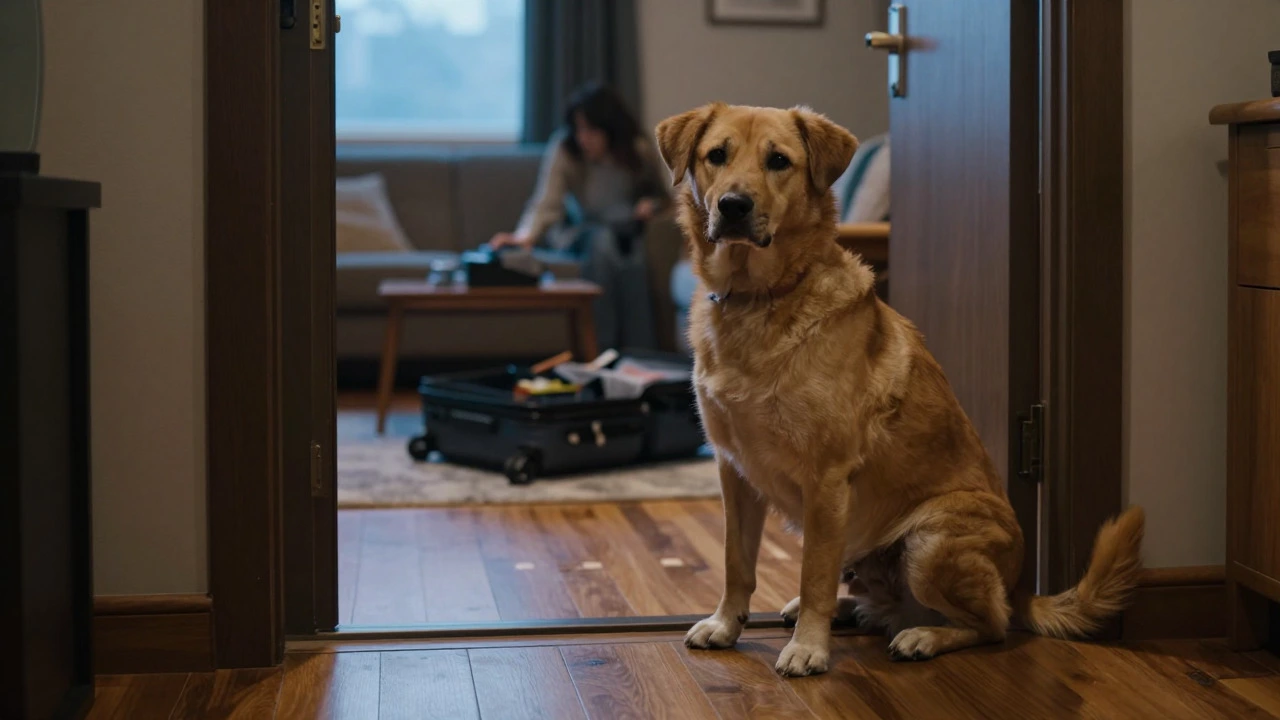
It’s 6:00 AM on a Tuesday. You’re packing your suitcase, trying to stay quiet so you don’t wake the house, but your dog is already sitting by the front door, tail thumping against the floorboards. It feels like they’ve been waiting for this moment all night. Do dogs actually know we’re leaving, or are we just projecting our own guilt onto them? Dog anticipation is a complex behavioral response where canines predict their owner's departure based on routine cues, scent changes, and emotional signals. It’s not magic; it’s biology meeting habit.
The Routine Detective in Your Living Room
Dogs live in the present tense, which makes their ability to predict the future seem impossible. But they aren’t predicting the future-they’re recognizing patterns. Canine cognition relies heavily on associative learning. If you pack your bag every time before a trip, your dog learns that the sound of zippers equals “owner leaves.” This isn’t about understanding the concept of a vacation; it’s about connecting specific stimuli to outcomes.
Think of it like a Pavlovian bell. You ring the bell, the dog salivates. You pack the car, the dog gets anxious. Over months of repetition, these actions become triggers. A study published in the journal Animal Cognition found that dogs could distinguish between different types of departures based on visual and auditory cues. They didn’t just react to you leaving; they reacted to the *type* of leaving. A quick errand triggered mild alertness, while a full suitcase triggered high-alert stress.
Scent, Sound, and Subtle Shifts
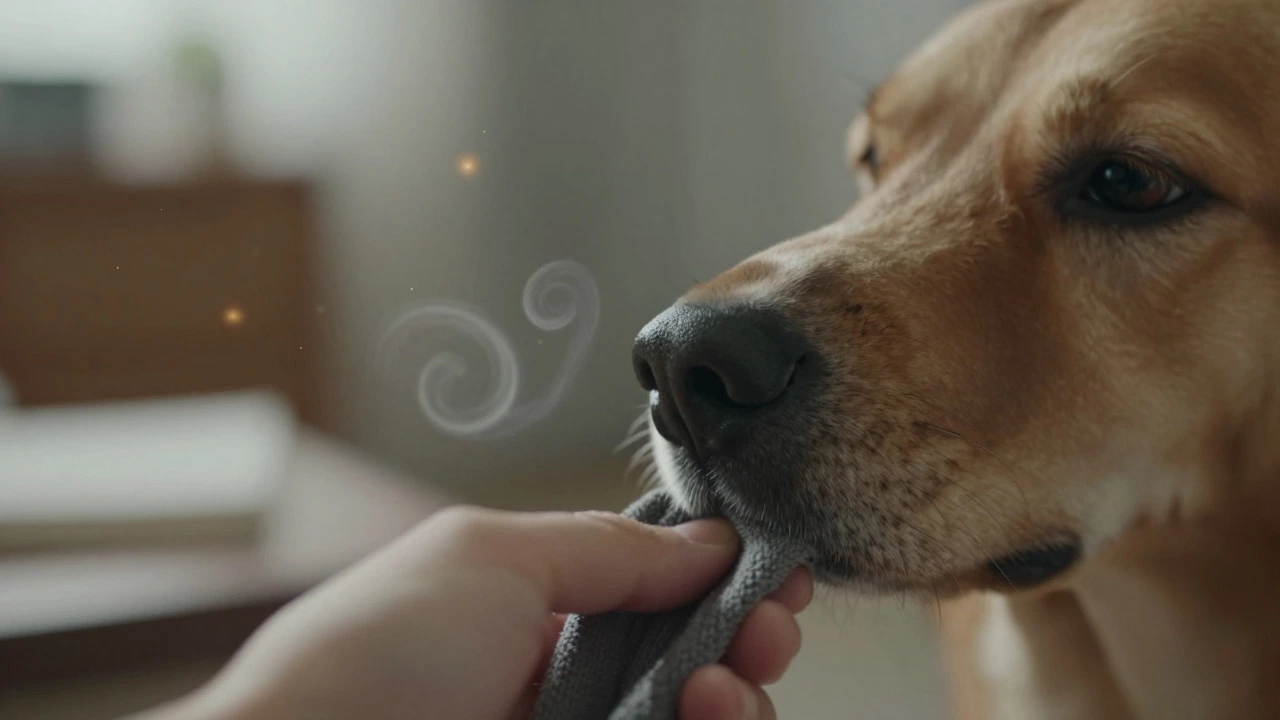
Beyond visible routines, dogs pick up on things we barely notice. Their sense of smell is 10,000 to 100,000 times more sensitive than ours. When you prepare to leave, your body chemistry shifts. Stress hormones like cortisol spike, and your pheromones change. Your dog smells this shift before you even grab your keys.
- Olfactory cues: The scent of new clothes, cleaning products used before guests arrive, or the specific air coming from an open window when you’re prepping for a trip.
- Auditory cues: The specific frequency of your footsteps when you’re moving with purpose versus when you’re lounging on the couch.
- Tactile cues: Changes in how you hold yourself. Are you standing straighter? Moving faster? Dogs read body language with an accuracy that often surprises owners.
In Dublin, where many homes have older stone structures, echoes and footstep sounds carry differently. If you usually walk around barefoot but start wearing shoes when you’re getting ready to go out, that change in sound profile is a massive signal to your pup.
Is It Anxiety or Just Excitement?
This is the million-dollar question for any pet parent. Does your dog know you’re leaving for good (or at least for a few days), or are they just excited because the routine has broken? Separation anxiety is a clinical condition characterized by excessive distress when separated from the primary attachment figure, distinct from normal boredom or excitement.
Excitement looks like jumping, wagging, and playful barking. Anxiety looks like pacing, whining, hiding, or destructive chewing. If your dog is frantic, drooling excessively, or refusing to eat, they likely know something is wrong. They’ve learned that this specific sequence of events leads to a long absence.
However, if your dog is calm but attentive, they might just be aware that the day is different. Many dogs settle down once the initial shock of the departure passes, especially if they have a safe space and familiar scents left behind.
Preparing Your Dog for Your Holiday Absence
If you’re planning a trip, knowing that your dog anticipates your departure helps you manage their experience. You don’t need to hide your bags, but you can desensitize them to the process.
- Break the routine: Pack your bag during the day when you stay home. Let them see it, sniff it, and then ignore it. This weakens the association between “packing” and “leaving.”
- Practice short absences: Leave for 5 minutes, then 10, then 30. Gradually increase the time. This builds confidence that you always return.
- Create a safe zone: Designate a room or crate area with your worn t-shirt. The scent provides comfort when you’re gone.
- Use calming aids: For dogs with high anxiety, consider pheromone diffusers or white noise machines to mask the silence of an empty house.
When you do leave, keep your goodbye low-key. No big hugs, no sad music. A neutral exit reduces the emotional charge of the moment, making the transition smoother for your dog.
Comparing Departure Signals: What Triggers What?
Not all cues carry the same weight. Understanding which signals trigger strong reactions can help you manage your dog’s stress levels better.
| Cue Type | Specific Example | Typical Dog Response | Intensity Level |
|---|---|---|---|
| Visual | Picking up keys/wallet | Alert posture, head tilt | Low |
| Auditory | Car engine starting | Pacing, vocalization | Medium |
| Olfactory | Change in owner's scent (stress) | Nose twitching, sniffing hands | High |
| Routine | Putting on coat/shoes | Following owner to door | Medium-High |
Notice how olfactory cues often rank highest in intensity. This reinforces why your dog seems to “know” before you’ve even moved. They’ve smelled your stress before you’ve acted on it.
Managing the Return Home
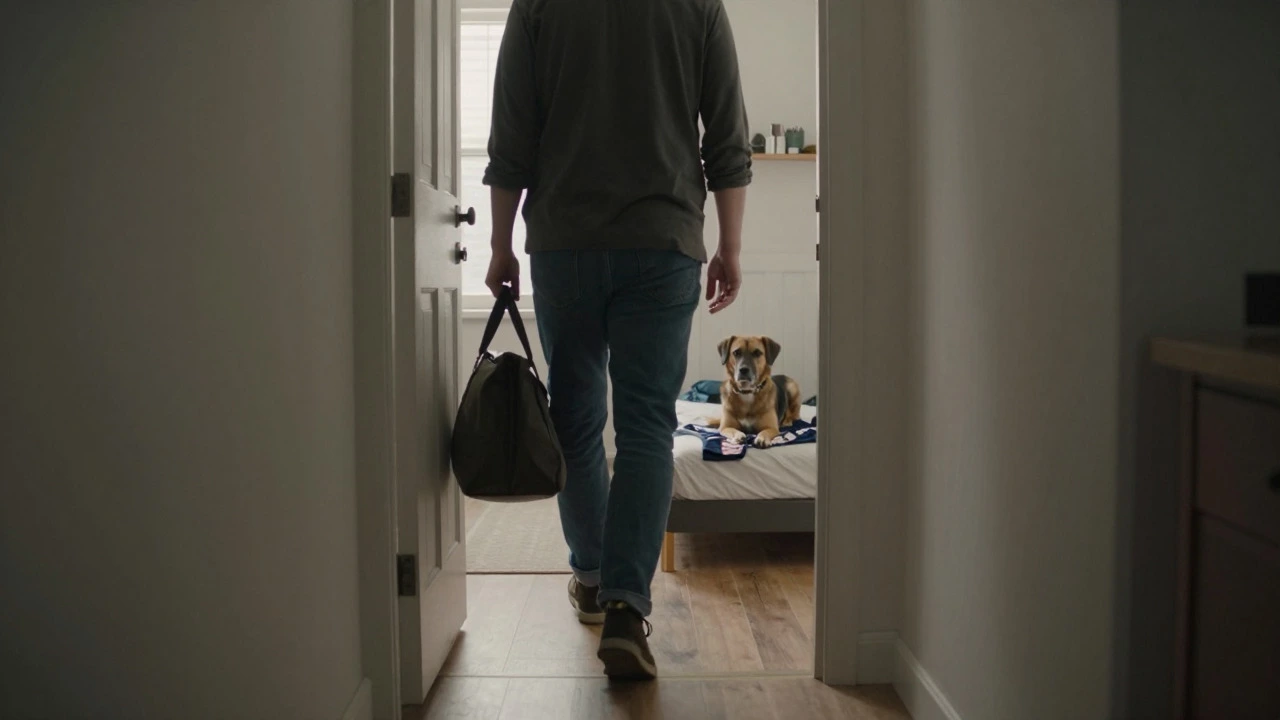
Just as dogs anticipate leaving, they anticipate returning. If you’re coming back from a holiday, expect a burst of energy. This is often called “reunion joy,” but it can also be a release of built-up tension. Keep your arrival calm too. Ignore the frantic jumping for the first few minutes until they settle. Reward calm behavior with treats and gentle praise. This reinforces that your return is a positive, stable event, not a chaotic one.
Frequently Asked Questions
Do dogs know how long I will be away?
Dogs don’t understand time in human terms (like “three days”), but they understand duration relative to their routine. If you’re usually gone for 8 hours, a 3-day absence feels like an eternity. They measure time by meals, walks, and interactions. The longer the gap, the more stressed they may become if not properly prepared.
Should I hide my luggage to prevent my dog from getting anxious?
Hiding luggage is rarely effective long-term. Dogs are curious and persistent. Instead, desensitize them to the luggage by leaving it out during non-departure times. Let them investigate it without consequence. This breaks the link between the object and the act of leaving.
Why does my dog stare at the door when I’m packing?
Staring is a form of focused attention. Your dog is monitoring your movements to predict the next step. They are waiting for the final cue-the opening of the front door. It’s a sign of high engagement and anticipation, not necessarily fear. If combined with trembling or whining, it may indicate anxiety.
Can dogs tell if I’m going on a work trip versus a vacation?
Yes, through subtle differences in preparation. Work trips might involve packing a laptop or business attire, while vacations involve beach gear or larger suitcases. Additionally, your tone of voice and body language differ. You might be more hurried for work or more relaxed for a break. Dogs pick up on these nuanced shifts in behavior and context.
What is the best way to say goodbye to my dog before a long trip?
Keep it brief and neutral. Avoid prolonged eye contact or emotional farewells, which can heighten their stress. Give them a treat or a favorite toy right before you leave, then exit calmly. The goal is to make the departure feel like a normal part of the day, not a dramatic event.