
Puppy Potty Training Schedule Calculator
Enter your puppy's details to see the recommended schedule.
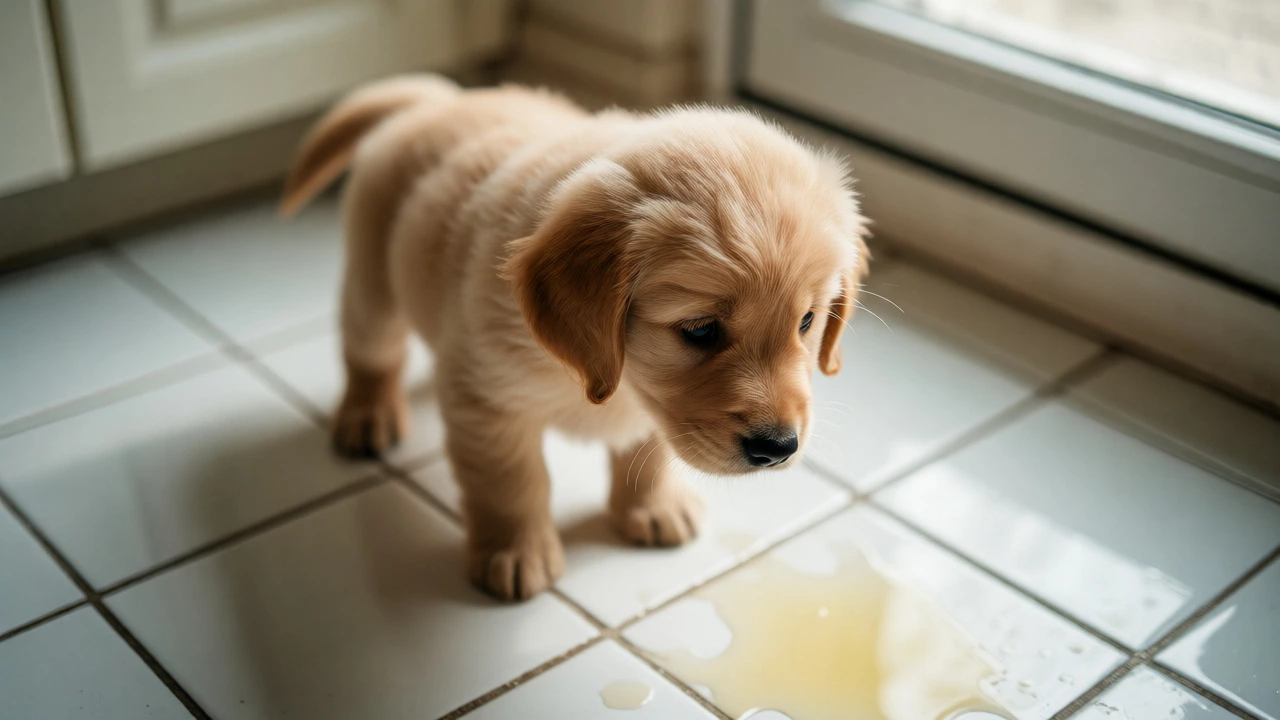
You just walked into your kitchen and saw a fresh puddle on the tile. Your first instinct might be to scold your puppy, maybe even rub their nose in it. But here is the hard truth: punishing a puppy for peeing in the house often makes the problem worse, not better. It doesn’t teach them where they should go; it only teaches them to fear you.
If you are wondering how to handle accidents without ruining your bond with your new dog, you are in the right place. We need to shift our mindset from "punishment" to "management." This article will explain why traditional punishment fails, what actually works based on canine psychology, and how to stop those accidents for good.
The Myth of Puppy Guilt
Most owners believe their puppy knows they did something wrong because they look guilty after an accident. You see the cowering posture, the tucked tail, and the avoidance of eye contact. You think, "He knows he shouldn't have peed there." But science says otherwise.
Dogs do not feel guilt in the human moral sense. That "guilty" look is actually appeasement behavior. They are reacting to your tone of voice, your body language, or the smell of urine that triggers your anger. If you yell at a puppy five minutes after the accident, they connect your anger to your presence, not to the act of peeing. They learn to hide from you when they need to pee, which leads to sneaky accidents behind sofas or in closets.
Puppy Potty Training is a process of teaching a young dog to eliminate waste outside the home using positive reinforcement and consistent scheduling. Unlike adult dogs, puppies lack full bladder control and rely entirely on routine and supervision to succeed.
Why Punishment Backfires
When you punish a puppy for indoor accidents, you create anxiety. An anxious puppy has a harder time learning. Stress increases cortisol levels, which can actually stimulate the bladder, leading to more frequent urination. It becomes a vicious cycle: you get angry, the puppy gets stressed, the puppy pees again, and you get angrier.
Furthermore, physical punishment or harsh verbal reprimands can damage trust. A puppy who fears you may hesitate to come to you for other needs, such as play or comfort. The goal of early training is to build a relationship where the puppy wants to please you, not one where they are terrified of making a mistake.
What Actually Works: Management and Prevention
Instead of asking "How do I punish my puppy?", ask "How do I prevent this from happening again?" Success in house breaking a puppy comes down to three pillars: supervision, confinement, and routine.
- Supervision: Never leave your puppy unsupervised in the house until they are fully trained. Use a leash tethered to your waist (the "umbilical cord method") so you can see every sniff and squat. If you can’t watch them, put them in a crate or a small pen.
- Confinement: Dogs naturally avoid soiling their sleeping area. A properly sized crate helps leverage this instinct. Ensure the crate is just big enough for the puppy to stand, turn around, and lie down. If it’s too big, they may pee in one corner and sleep in the other.
- Routine: Take your puppy out frequently. Puppies generally need to go out every hour per month of age, plus immediately after waking up, eating, drinking, or playing.
The Power of Positive Reinforcement
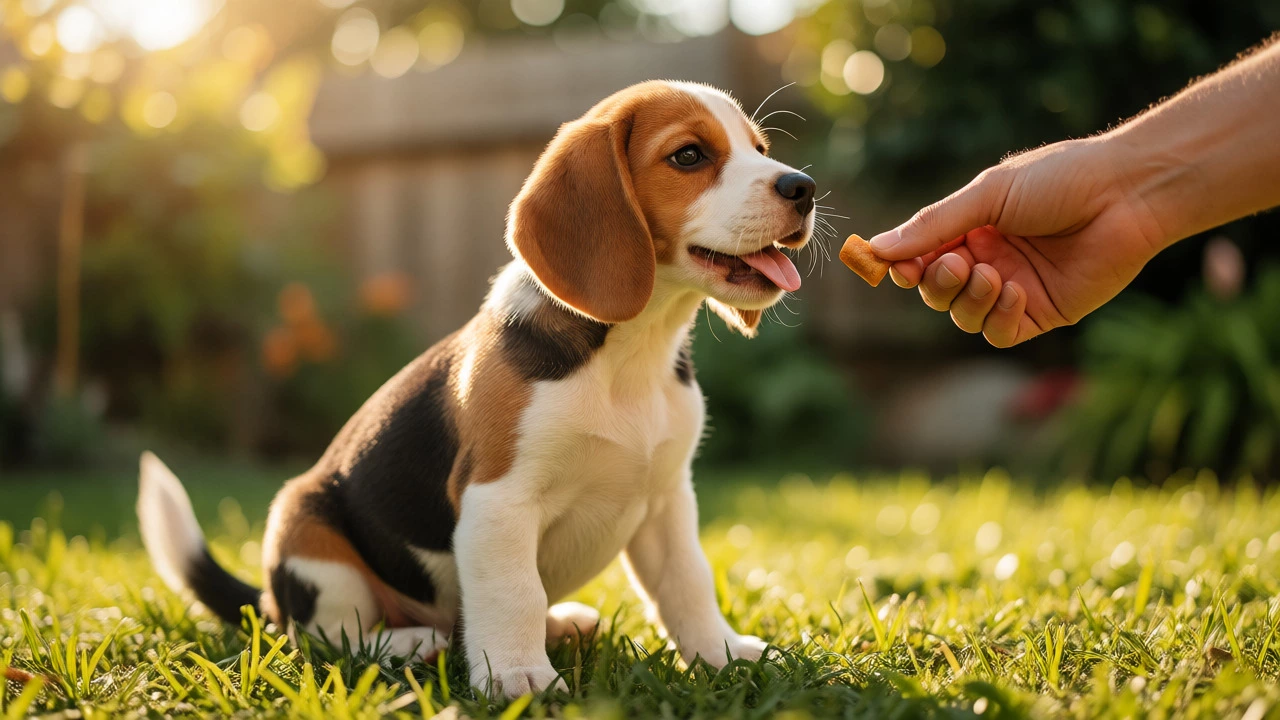
If punishment is about what happens when they fail, positive reinforcement is about rewarding success. When your puppy pees outside, reward them immediately. Not ten seconds later-immediately. Use high-value treats like small pieces of chicken or cheese, paired with enthusiastic praise.
This teaches the puppy that going outside equals good things. Over time, they will start holding it longer and waiting to go outside because they know the payoff is worth it. This method builds confidence and strengthens the bond between you and your dog.
| Feature | Punishment-Based Approach | Positive Reinforcement Approach |
|---|---|---|
| Puppy's Emotional State | Anxious, fearful, confused | Confident, eager, happy |
| Learning Speed | Slow (due to stress) | Fast (clear association) |
| Bond Impact | Erodes trust | Strengthens connection |
| Long-Term Result | Hiding accidents, submission issues | Voluntary outdoor elimination |
Cleaning Up Accidents Correctly
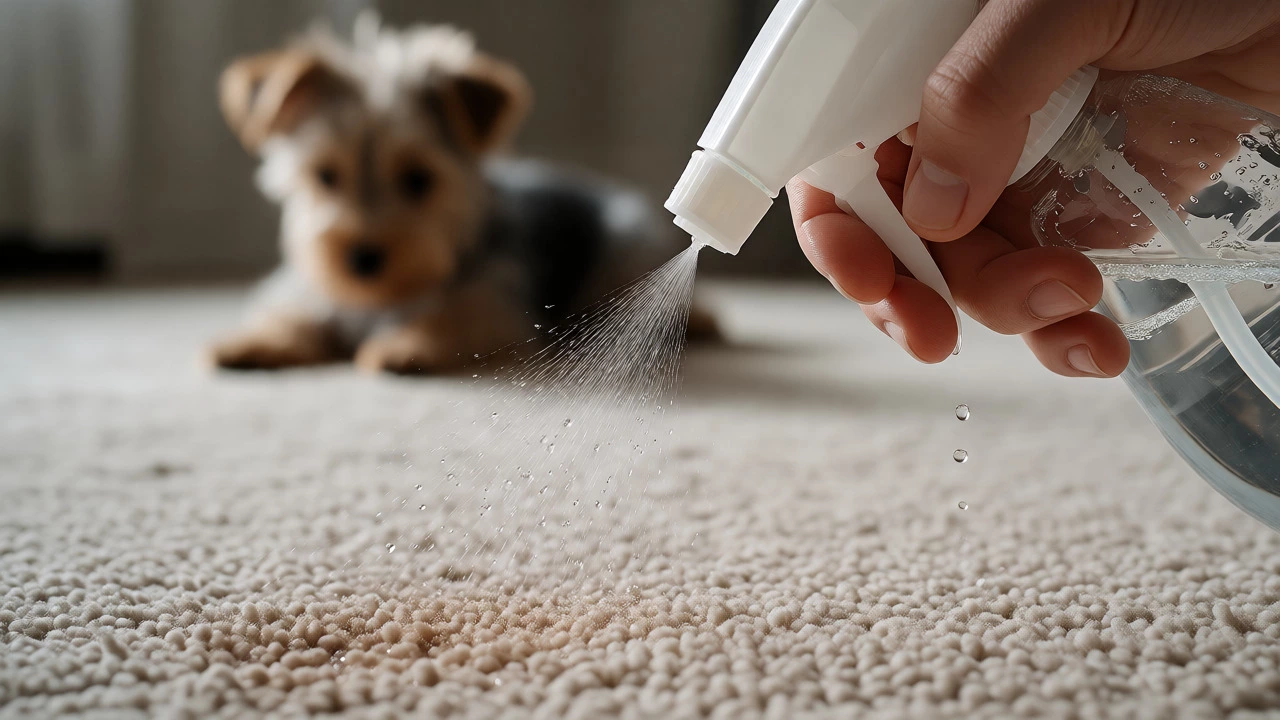
Even with perfect management, accidents happen. How you clean them matters. Enzymatic cleaners are essential. Standard household cleaners might remove the visible stain, but they don’t break down the uric acid crystals in dog urine. To a human nose, the spot might smell clean. To a puppy’s sensitive nose, it still smells like "toilet," inviting them to mark it again.
Invest in a quality enzymatic cleaner specifically designed for pet stains. Saturate the area thoroughly, allowing the enzymes to digest the organic matter. For carpets, you may need to use a wet vac or professional extraction if the urine has soaked deep into the padding.
When to See a Vet
Sometimes, accidents aren’t behavioral-they’re medical. If your puppy was previously house-trained and suddenly starts having accidents, consult your veterinarian. Urinary tract infections (UTIs), bladder stones, or diabetes can cause sudden incontinence. In male puppies, anatomical issues like ectopic ureters can also lead to dribbling. Always rule out health problems before assuming it’s a training issue.
Troubleshooting Common Scenarios
My puppy pees while I’m walking them outside. This is common. Some puppies empty their bladder immediately upon stepping outside due to excitement or habit. Try taking them to a boring, quiet spot first. Let them sniff, wait for the actual elimination, then take them for a walk or play session afterward. Make the walk the reward, not the trigger.
My puppy only pees at night. Young puppies have small bladders. You may need to set an alarm for a late-night trip outside. Gradually extend the time between trips as they mature. By four months, many puppies can hold it through the night, but some take longer.
My puppy pees when guests arrive. This is likely submissive urination, common in young dogs. Avoid looming over them or greeting them excitedly. Crouch down, ignore them initially, and let them approach you calmly. Reward calm behavior.
Frequently Asked Questions
Should I rub my puppy's nose in their pee?
No. Rubbing a puppy's nose in urine is outdated and ineffective. It causes confusion and fear rather than understanding. The puppy does not associate the unpleasant sensation with the act of peeing inside; they simply learn that you are unpredictable and scary when urine is present.
How long does it take to house train a puppy?
On average, it takes 4 to 6 months for a puppy to be reliably house-trained. However, some breeds or individual dogs may take up to a year. Consistency is key. Smaller breeds often take longer due to smaller bladders and faster metabolisms.
Can I use puppy pads indoors?
Yes, but be cautious. Using pads can confuse a puppy who thinks any soft surface (like rugs) is acceptable. If you use pads, keep them in a specific area and transition to outdoors gradually by moving the pad closer to the door, then outside.
What if my puppy pees out of excitement?
Excitement urination is involuntary and common in young puppies. Keep greetings low-key and calm. Take the puppy outside immediately upon arrival home. As they mature and gain bladder control, this usually resolves on its own.
Is yelling effective for potty training?
Yelling is rarely effective and often counterproductive. It raises the puppy's stress levels, which can inhibit learning. A sharp "oops!" to interrupt mid-stream can work if caught in the act, followed immediately by rushing them outside, but avoid angry shouting.