
Dog Grooming Schedule Calculator
Your Customized Schedule
Brushing Frequency
Bathing Frequency
Weekly Checklist
- Nails: Check for clicking sounds. Trim if needed.
- Ears: Inspect weekly. Clean only if dirty/smelly.
- Teeth: Brush 3-4 times this week.
- Skin Check: Look for lumps, parasites, or redness while brushing.
Professional Grooming
Recommended Interval:
Why?
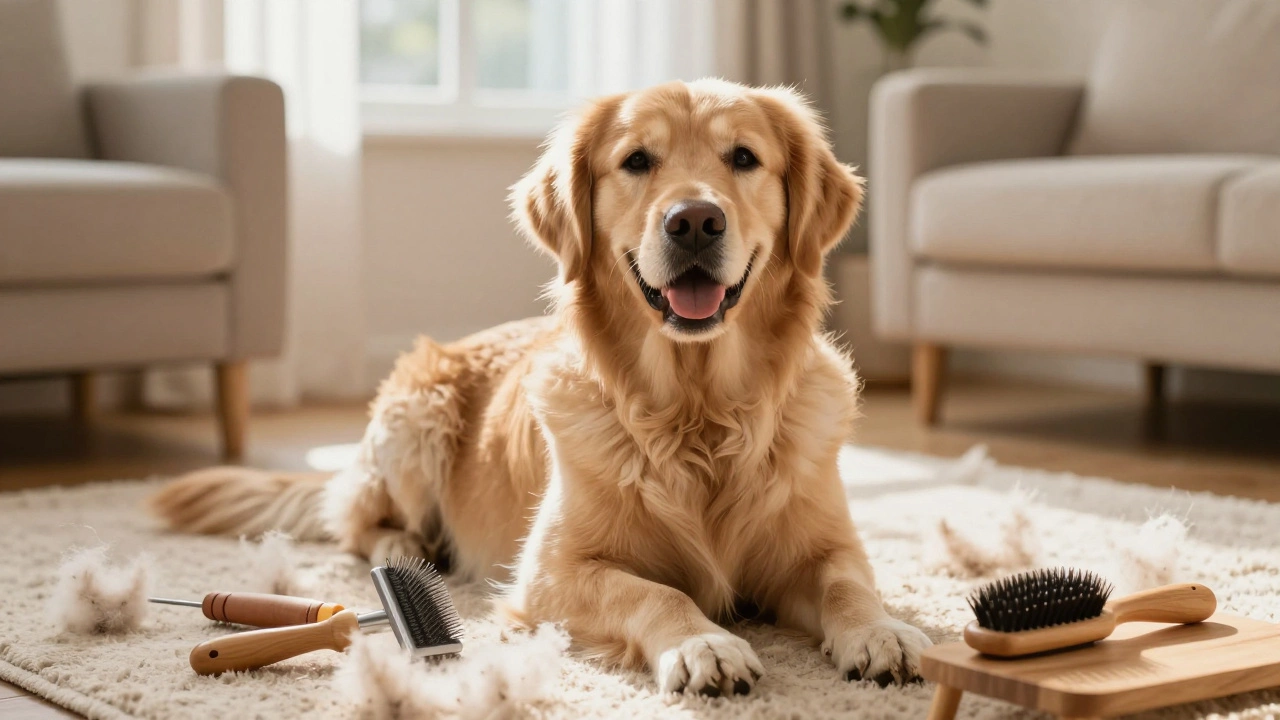
Does your dog smell like wet dog after every bath? Or maybe you’re staring at a pile of fur on the floor and wondering if you’ve missed a spot. The short answer to how much grooming is normal for a dog is: it depends entirely on what kind of coat they have. There is no single rule that fits every canine.
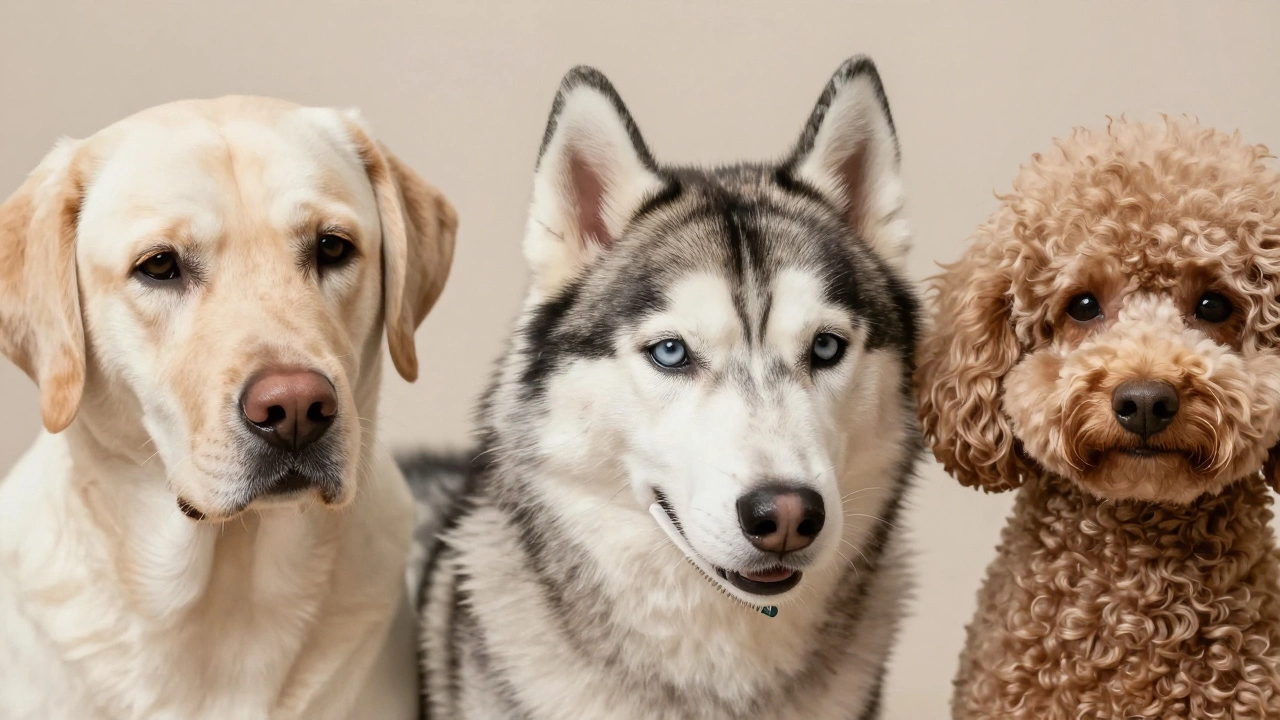
If you treat a Poodle like a Golden Retriever, you’ll end up with mats, skin issues, and a very unhappy pet. If you over-groom a Husky, you might actually damage their natural insulation. Getting this right isn’t just about aesthetics; it’s about health. Proper grooming prevents infections, keeps joints flexible, and lets you spot lumps or parasites early. Let’s break down exactly what your dog needs based on their biology, not just their breed name.
The Four Coat Types and Their Needs
To understand grooming frequency, you first need to identify your dog’s coat structure. Most dogs fall into one of four categories. Knowing which one yours belongs to dictates your entire routine.
1. Short, Single-Coat Dogs: Think Labrador Retrievers, Boxers, or Dalmatians. These dogs have a topcoat but no undercoat. They shed moderately year-round but don’t tangle. Their grooming needs are low-maintenance. A weekly brush with a rubber curry brush removes loose hair and distributes skin oils. Bathing once a month or when they get dirty is sufficient. Over-bathing strips their skin of natural oils, leading to dryness and itching.
2. Long, Straight Hair: This includes breeds like Afghan Hounds, Shih Tzus, and some Terriers. Without regular attention, this hair mats quickly against the skin. Mats pull on the skin, causing pain and creating pockets for bacteria and moisture. These dogs need daily brushing. Yes, daily. If you can’t commit to daily brushing, keep the hair clipped short (a "puppy cut") to reduce maintenance. Professional grooming every 4-6 weeks is standard.
3. Double Coats: Huskies, German Shepherds, and Golden Retrievers have a dense undercoat for warmth and a longer outer coat for protection. These dogs "blow" their coat twice a year, shedding massive amounts of underfur. During these seasons, you must brush them daily to remove the dead undercoat before it forms mats. Outside of shedding season, brushing 2-3 times a week keeps the coat healthy. Never shave a double-coated dog unless directed by a vet for medical reasons; shaving disrupts their temperature regulation and can cause permanent coat damage.
4. Curly or Wiry Coats: Poodles, Bichons Frises, and many Terriers fit here. Their hair grows continuously, similar to human hair. It does not shed naturally. If left unbrushed, it curls around itself and forms tight mats close to the skin. These dogs require clipping every 4-8 weeks depending on the desired length. Daily brushing is essential to prevent matting, especially behind the ears and under the legs.
The Essential At-Home Routine
Professional groomers are experts, but they aren’t there every day. Your at-home routine bridges the gap between visits. Here is what "normal" looks like for a healthy adult dog.
- Brushing: Use the right tool. Slicker brushes work for long hair; rubber brushes for short hair; undercoat rakes for double coats. Brush slowly and gently. If you hit resistance, stop and work through the knot carefully. Pulling causes pain and makes dogs hate grooming.
- Nail Trimming: Nails should never click on the floor. Trim every 2-4 weeks. If you hear clicking, they are too long. Long nails alter your dog’s posture, leading to joint pain in the hips and spine. Use guillotine clippers for small dogs and scissor-style for large breeds. Avoid the quick (the pink vein inside the nail).
- Ear Cleaning: Check ears weekly. Flap-eared breeds like Spaniels are prone to infections due to poor airflow. Use a vet-approved ear cleaner and cotton balls. Never insert Q-tips deep into the ear canal. Clean only what you can see.
- Dental Care: Brush teeth 3-4 times a week. Plaque builds up quickly. Use dog-specific toothpaste (never human toothpaste, as fluoride and xylitol are toxic). Dental disease affects heart and kidney health.
- Anal Glands: Most dogs express these naturally during bowel movements. If your dog scoots on the floor, they may need expression. Ask your groomer or vet to do this initially. Over-expression can irritate the glands, so only do it when necessary.
Bathing: How Often Is Too Often?
Many owners believe more baths equal cleaner dogs. This is a myth. Bathing too often strips the acid mantle of the skin, leading to dryness, dandruff, and increased susceptibility to allergies.
For most dogs, bathing every 4-6 weeks is ideal. If your dog has sensitive skin, extend this to 8 weeks. Use a moisturizing shampoo formulated for dogs. Human shampoos have a different pH balance and can cause irritation. Always rinse thoroughly; leftover soap residue is a common cause of post-bath itching.
After bathing, dry your dog completely. Moisture trapped in the undercoat leads to hot spots and fungal infections. Use a high-velocity dryer if available, or towels followed by thorough air drying. For curly-coated breeds, blow-drying while brushing out is part of the styling process to prevent re-matting.
When to Call a Professional Groomer
You can maintain your dog’s coat at home, but certain tasks require professional tools and expertise. Here is when you should book an appointment:
- Heavy Matting: If mats are close to the skin, they cannot be brushed out safely. They must be shaved off. Attempting to comb them out causes severe pain and skin tearing.
- Precision Cuts: Breeds like Poodles, Schnauzers, and Shih Tzus have breed-standard cuts that require skilled scissoring.
- Aggressive or Anxious Dogs: If your dog bites or struggles excessively, a professional groomer experienced with difficult cases ensures safety for both you and the dog.
- Deep Flea Baths or Medicated Treatments: Vets or specialized groomers can apply treatments that penetrate the coat effectively.
Expect to pay between €40 and €80 for a full groom in Dublin, depending on size and coat condition. Regular maintenance keeps costs lower because the groomer spends less time detangling and more time styling.
Signs Your Grooming Routine Is Off
Your dog will tell you if something is wrong. Watch for these red flags:
- Excessive Shedding: If you’re vacuuming daily, your brushing routine isn’t removing enough loose hair.
- Skin Irritation: Redness, flaking, or constant scratching indicates dry skin from over-bathing or allergic reactions to products.
- Limping: Long nails or matted fur pulling on the skin can cause gait changes.
- Foul Odor: A yeasty smell suggests trapped moisture or infection in the ears, paws, or skin folds.
- Resistance to Touch: If your dog flinches when you touch their paws or ears, they may be in pain from overgrown nails or infected glands.
Seasonal Adjustments
Grooming needs change with the weather. In spring and autumn, double-coated dogs shed heavily. Increase brushing frequency to daily sessions to manage the blow-out. In winter, avoid frequent baths as indoor heating dries out skin. Apply a light conditioner or omega-3 supplements to support skin health. In summer, keep hair around the paw pads trimmed to prevent slipping and overheating, but avoid shaving the body of double-coated breeds.
Mental Health and Grooming
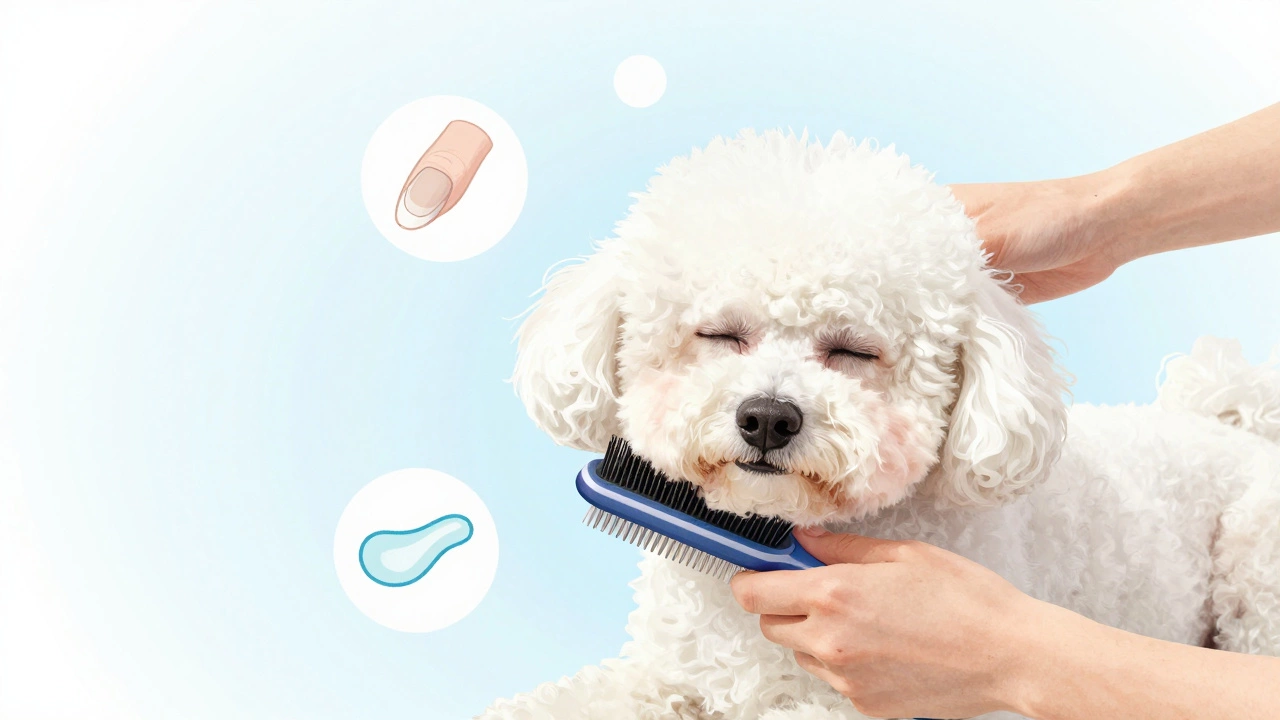
Grooming isn’t just physical; it’s mental. Many dogs find brushing soothing. Others associate it with stress. Start positive associations early. Reward your dog with treats and praise during brushing and nail trimming. Keep sessions short initially, gradually increasing duration. If your dog shows signs of anxiety, pause and try again later. Forcing a stressed dog can lead to trauma and make future grooming difficult.
| Coat Type | Brushing Frequency | Bathing Frequency | Professional Grooming |
|---|---|---|---|
| Short, Single-Coat | Weekly | Every 4-6 weeks | As needed (nails/ears) |
| Long, Straight Hair | Daily | Every 4-6 weeks | Every 4-6 weeks |
| Double Coat | 2-3x/week (Daily during shedding) | Every 6-8 weeks | Every 8-12 weeks |
| Curly/Wiry | Daily | Every 4-6 weeks | Every 4-8 weeks |
Common Mistakes to Avoid
Even well-meaning owners make errors. Avoid these pitfalls:
- Shaving Double Coats: As mentioned, this damages temperature regulation. The new coat may grow back differently or not at all.
- Using Human Products: Human shampoos, conditioners, and toothpastes are harmful to dogs.
- Ignoring Skin Folds: Bulldogs and Pugs need daily cleaning of facial folds to prevent bacterial growth.
- Rushing Nail Trims: Cutting the quick causes bleeding and fear. Trim small amounts frequently rather than large chunks infrequently.
- Skipping Ear Checks: Ear infections are painful and can lead to hearing loss if untreated.
Final Thoughts on Normal Grooming
Normal grooming is consistent, gentle, and tailored to your dog’s specific needs. It’s not about achieving show-ring perfection but ensuring comfort and health. Observe your dog’s coat and behavior. Adjust your routine based on seasonal changes, age, and activity level. When in doubt, consult a professional groomer or veterinarian. They can assess your dog’s skin and coat condition and provide personalized advice. Remember, grooming is bonding time. Make it positive, and your dog will appreciate the care.
How often should I bathe my dog?
Most dogs need a bath every 4-6 weeks. Dogs with sensitive skin may need fewer baths, while active dogs that roll in dirt may need more frequent washing. Always use dog-specific shampoo to protect their skin's pH balance.
Can I shave my Husky in summer?
No, you should not shave a double-coated dog like a Husky. Their coat protects them from both cold and heat. Shaving can disrupt their ability to regulate temperature and may cause permanent coat damage. Instead, brush them daily to remove excess undercoat.
How do I know if my dog's nails are too long?
If you hear your dog's nails clicking on hard floors, they are too long. Long nails can push back into the paw pad, causing pain and altering your dog's posture. Trim them every 2-4 weeks to maintain proper length.
Why does my dog smell bad after a bath?
A foul odor after bathing often indicates incomplete rinsing of shampoo, trapped moisture in the undercoat, or an underlying skin infection. Ensure you rinse thoroughly and dry your dog completely. If the smell persists, consult a vet for potential skin issues.
How often should I clean my dog's ears?
Check your dog's ears weekly. Clean them only if they appear dirty or have an odor. Over-cleaning can irritate the ear canal. Use a vet-approved ear cleaner and cotton balls, avoiding Q-tips to prevent injury.
What is the best brush for a long-haired dog?
A slicker brush is ideal for long-haired dogs as it reaches the undercoat and removes tangles. Combine it with a metal comb to check for remaining knots. Brush daily to prevent matting, paying special attention to areas behind the ears and under the legs.
Is it safe to use human shampoo on dogs?
No, human shampoo is not safe for dogs. It has a different pH level than dog skin, which can strip natural oils and cause dryness, irritation, and allergic reactions. Always use shampoos specifically formulated for dogs.
How do I stop my dog from hating grooming?
Start grooming training early with positive reinforcement. Use treats and praise during short brushing sessions. Gradually increase the duration. If your dog shows anxiety, pause and try again later. Consistency and patience help build a positive association with grooming.