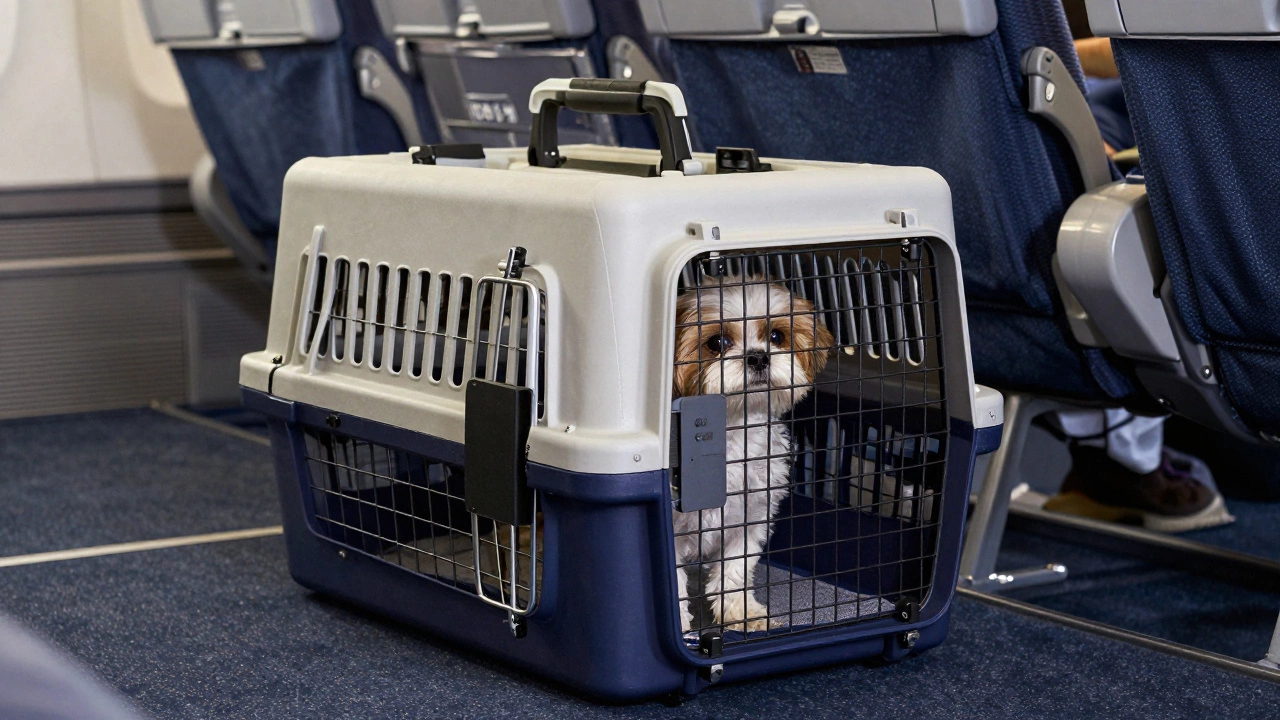
Carry-On Dog Carrier: What to Look For and How to Choose the Right One
When you’re flying with your dog, a carry-on dog carrier, a secure, airline-approved bag or crate designed to fit under the seat in front of you. Also known as a pet travel carrier, it’s not just a bag—it’s your dog’s safe space during takeoff, turbulence, and landing. Not all carriers are made equal. Some look cute but collapse under pressure. Others are too stiff, too bulky, or get rejected at the gate because they don’t meet TSA rules. The best ones balance airflow, durability, and compliance—so your dog stays calm and you don’t get stuck at security.
What makes a carrier work? First, TSA pet carrier, a carrier that meets the Transportation Security Administration’s size and material standards for in-cabin pet travel is non-negotiable. Your carrier must fit under the seat in front of you—no exceptions. Most airlines allow carriers up to 18 x 11 x 11 inches. Measure your dog too: they need to be able to stand, turn around, and lie down comfortably. If they’re squished, they’ll stress out—and so will you. Then there’s dog travel carrier, a portable enclosure built for safety during transport, whether by plane, car, or train. Look for hard-sided panels on the bottom for structure, mesh on all sides for ventilation, and a secure zipper or latch that won’t pop open. Soft-sided carriers are lighter and easier to store, but if your dog is a chewer or anxious, a hard-shell option gives more peace of mind.
Don’t forget the little things. Pockets for treats, leash clips inside, and a removable washable pad make a huge difference. And always test it at home before your flight. Let your dog explore it, nap in it, even eat meals inside. Familiarity cuts travel anxiety. If your dog panics in the carrier, no amount of fancy marketing will help. The goal isn’t just to pass security—it’s to get through the whole trip without your pup shaking or barking nonstop.
You’ll find posts here that break down what works and what doesn’t. From real-life stories of flying with small breeds to comparisons of top-rated carriers, you’ll see which ones actually made it through TSA without a hassle—and which ones got turned away. You’ll also learn why some vets warn against certain materials, how to prep your dog for airport noise, and what to pack inside the carrier so your pet stays calm. This isn’t about buying the cheapest option. It’s about picking the one that keeps your dog safe, comfortable, and legally allowed on the plane.