What to Avoid in Dog Food: 7 Dangerous Ingredients to Skip
Learn the 7 dangerous ingredients to avoid in dog food, from artificial preservatives to xylitol, and how to choose a safer, healthier option for your pet.

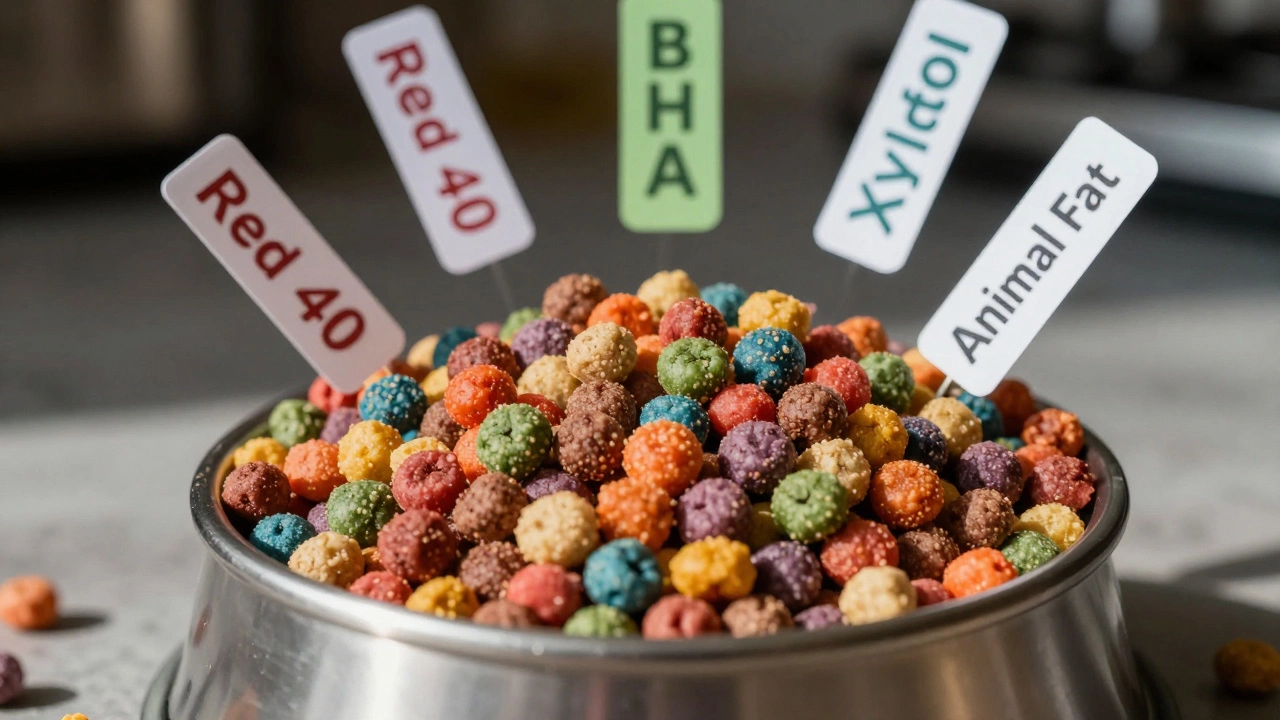
When you buy dog food, you’re trusting the brand to keep your pet safe—but harmful dog food, food that contains ingredients linked to illness, allergies, or long-term organ damage in dogs is more common than you think. It’s not just about cheap fillers. Some of the worst offenders are hidden in plain sight: artificial preservatives like BHA and BHT, meat by-products with unknown origins, and even sweeteners like xylitol, which can kill a dog in minutes. Even some brands marketed as "premium" or "veterinarian-recommended" still use these risky ingredients because they’re cheap and shelf-stable.
What makes this even trickier is that dog food ingredients, the specific components listed on the label that directly affect your dog’s digestion, skin, and immune system aren’t always clearly explained. For example, "chicken meal" sounds like real meat, but it could be ground-up bones, feathers, and waste if the source isn’t specified. And while toxic foods for dogs, common human foods that are deadly even in small amounts, like chocolate, grapes, and onions are widely known, many owners don’t realize that some commercial dog foods contain the same toxins in concentrated or processed forms. A study by the American Veterinary Medical Association found that over 30% of dogs with chronic skin issues or digestive problems improved significantly after switching away from foods containing corn gluten, soy, and artificial colors—not because they were allergic to chicken or beef, but because those additives were triggering inflammation.
You don’t need to become a nutritionist to protect your dog. Start by reading the first five ingredients on the bag. If you see anything you can’t pronounce, or if the first ingredient is a grain like wheat or corn instead of a named meat like "chicken" or "beef," that’s a red flag. Also, avoid anything labeled "meal" without a source—like "animal meal"—because it could be anything. The best dog foods list whole proteins first, use natural preservatives like vitamin E, and avoid artificial colors or flavors entirely. And if you’re confused, look for brands that are transparent about their sourcing and have veterinary nutritionists on staff—not just marketing teams.
What you’ll find below isn’t a list of banned products. It’s a collection of real, practical guides that show you exactly what to look for—and what to walk away from. From why Purina keeps showing up in vet offices to why Canine Prime gets little support from professionals, these posts cut through the noise. You’ll learn how to spot dangerous ingredients, understand what "grain-free" really means, and find out which common "healthy" additives might be doing more harm than good. This isn’t about fear. It’s about knowing what’s in your dog’s bowl—and making sure it’s worth feeding.
Learn the 7 dangerous ingredients to avoid in dog food, from artificial preservatives to xylitol, and how to choose a safer, healthier option for your pet.