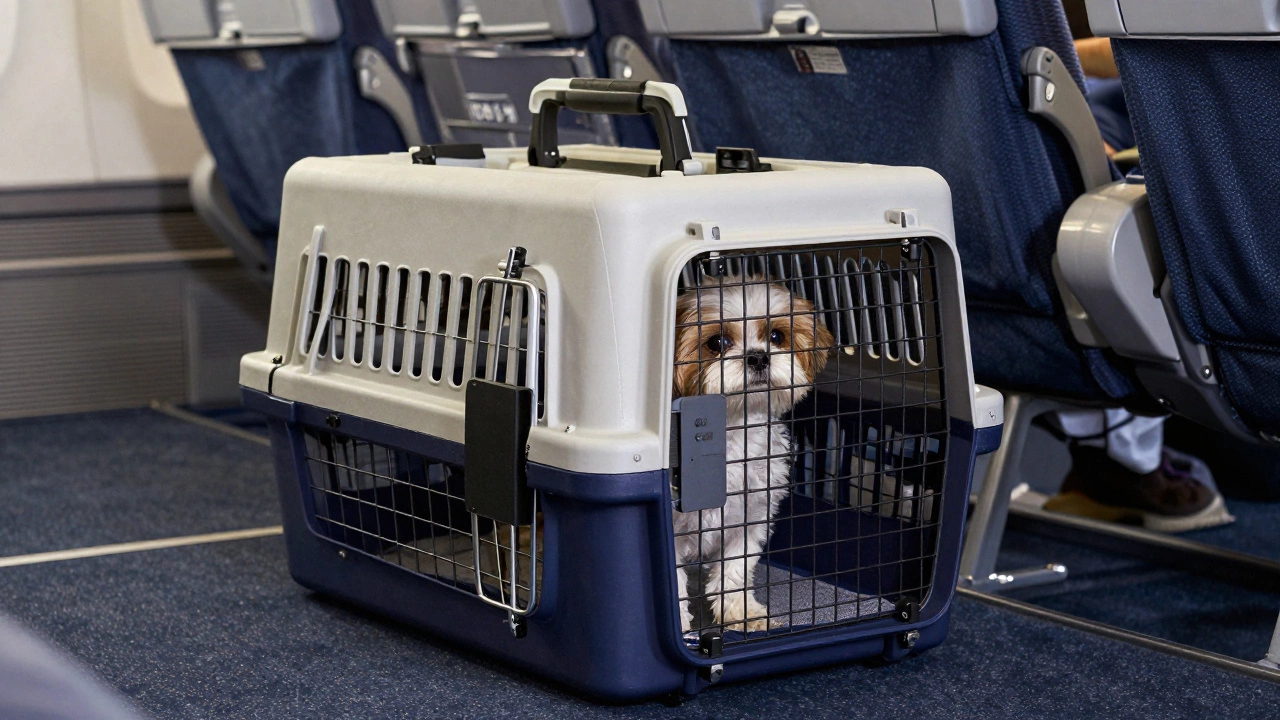
How Does TSA Work with Pets? A Simple Guide to Flying with Your Animal
Learn how TSA screens pets at airport security, what carriers are allowed, what you can bring, and how to avoid common mistakes when flying with your dog or cat.

When you travel with your dog, you’re not just dealing with airline policies—you’re navigating TSA pet rules, the federal guidelines that govern how pets are screened and handled at U.S. airport security checkpoints. Also known as Transportation Security Administration pet regulations, these rules determine whether your dog can walk through the metal detector, if you need to remove their collar, and what documentation you must have on hand. Unlike service dog rights under the ADA, which apply to public spaces like stores, TSA rules focus on airport security, not access. They’re strict, sometimes confusing, and rarely explained clearly to travelers.
Many people assume that if their dog is a service animal, they can skip all the hassle. But service dog travel, the process of flying with a trained assistance dog through TSA checkpoints. Also known as airline service animal policy, it still requires you to follow specific steps. TSA doesn’t ask for paperwork, but they do need to visually confirm the dog is working. That means no fake vests, no distractions, and no refusal to let your dog walk through the scanner. If your dog is small enough, you might be asked to carry them through. If they’re larger, they’ll walk on a leash—but never in a carrier unless required by the airline.
Then there’s the issue of pet travel regulations, the broader set of rules that include airline-specific requirements, health certificates, and state entry laws. Also known as pet flying guidelines, they go beyond TSA. For example, TSA won’t check your dog’s rabies shot record—but your airline will. And if you’re flying into Hawaii or Puerto Rico, you’re dealing with even stricter quarantine rules. Even if you’re just driving to the airport, knowing the difference between TSA rules and airline rules can save you hours of delays.
You’ll also see posts here about service dog rights in places like Walmart or restaurants—but those don’t apply at the airport. TSA doesn’t care if your dog is certified or not. They care if your dog is calm, under control, and not a safety risk. That’s why many vets warn against shock collars or e-collars for travel: stress makes dogs reactive, and reactive dogs get pulled aside for extra screening—or worse, denied boarding.
What you’ll find in the posts below are real, practical answers to the questions no one tells you before you book your flight: Can you bring your dog’s bed through security? Do you need a health certificate for a cross-country flight? What if your dog barks during screening? How do you handle a service dog during a long layover? These aren’t theoretical questions—they’re the kind that make or break your trip.
Learn how TSA screens pets at airport security, what carriers are allowed, what you can bring, and how to avoid common mistakes when flying with your dog or cat.
Learn the exact size and weight limits for TSA-approved dog carriers in 2025. Find out which airlines allow which carriers, how to test yours at home, and what to pack inside to avoid last-minute problems at the airport.