
Dog Food Ingredient Safety Checker
Scan Ingredients
Select ingredients found on your dog's food bag or enter them below.
Analysis Report
PendingSelect ingredients to see the veterinary assessment.
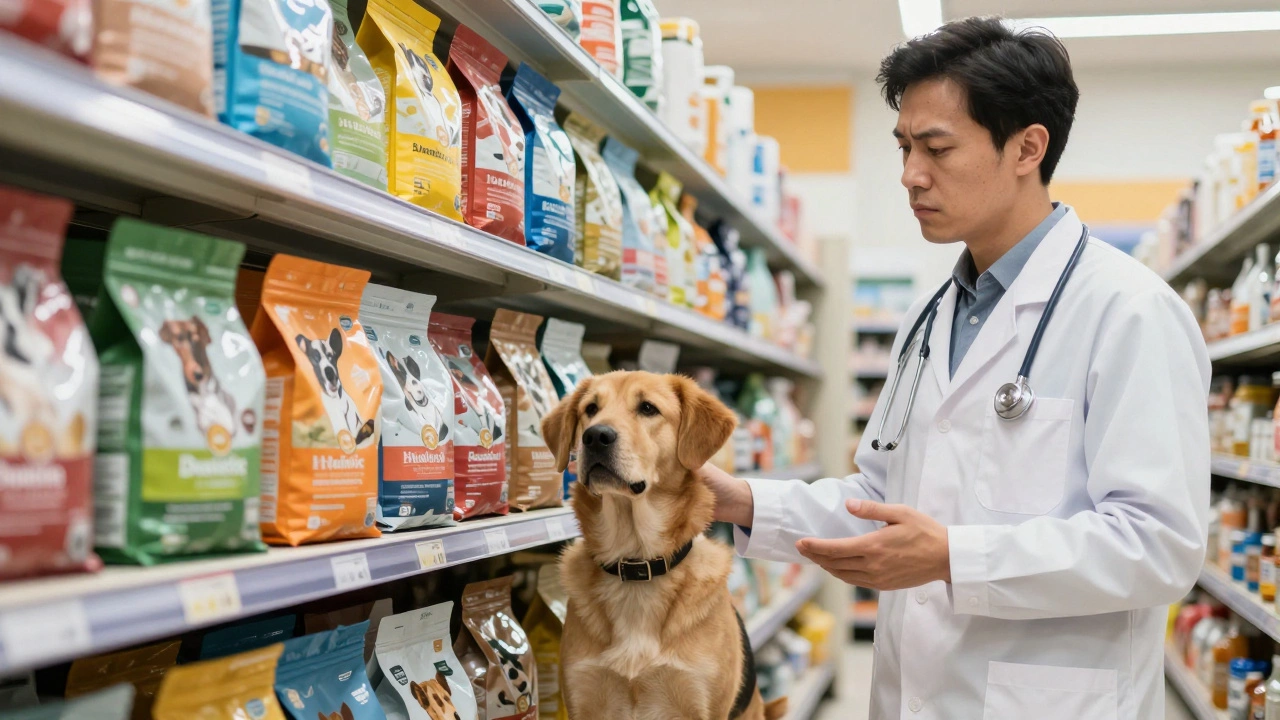
It is easy to feel overwhelmed when standing in the pet aisle. The shelves are packed with colorful bags promising "holistic," "ancestral," and "premium" nutrition. Marketing teams spend millions convincing us that expensive means better. But as a dog owner, you might wonder if your vet agrees with those claims. In fact, many veterinarians actively advise against certain types of dog food that dominate the market. Understanding what vets do not recommend can save your dog’s health and your wallet.
The gap between marketing hype and veterinary science is wider than ever. While brands push trendy diets, vets look at clinical data, long-term studies, and nutritional balance. This article breaks down the specific ingredients and diet types that veterinarians often flag as problematic, helping you make safer choices for your canine companion.
The Grain-Free Controversy: A Heart Health Warning
If there is one trend that has caused significant concern among veterinarians in recent years, it is the rise of grain-free dog food. Grain-free dog food excludes cereals like wheat, corn, and rice, replacing them with legumes or potatoes. For dogs without diagnosed grain allergies, which are surprisingly rare, removing grains offers no proven benefit. Instead, it introduces serious risks.
In 2018, the FDA launched an investigation into a potential link between grain-free diets and Dilated Cardiomyopathy (DCM) in dogs. DCM is a disease where the heart muscle becomes weak and enlarged, leading to heart failure. By 2024, the consensus among cardiologists and nutritionists was clear: diets high in peas, lentils, chickpeas, and potatoes as primary ingredients were strongly associated with this condition. These foods are high in fiber and starch but low in taurine, an amino acid crucial for heart function. Even if the food contains added taurine, the high fiber content may interfere with its absorption.
- Avoid: Foods listing peas, lentils, fava beans, or chickpeas in the first three ingredients.
- Choose instead: Balanced diets containing named grains like brown rice, oats, or barley, unless your vet specifically prescribed a grain-free diet for a medical allergy.
Vets emphasize that true grain allergies in dogs are uncommon. Most dogs react to proteins like beef or chicken, not the carbohydrates. Switching to grain-free without a diagnosis is often an unnecessary gamble with your dog’s cardiac health.
Red Meat by-Products and Unnamed Fillers
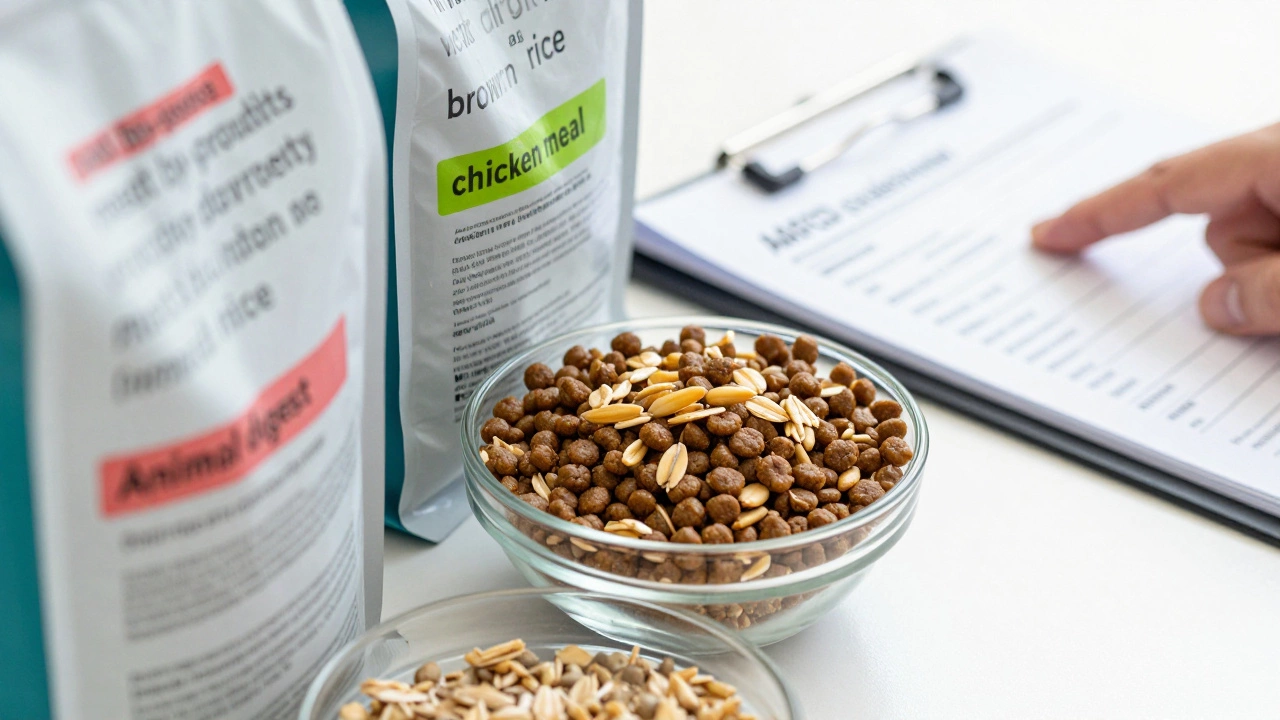
Another major red flag on ingredient lists is vague terminology. You might see terms like "meat by-products," "animal digest," or simply "corn." While these words sound alarming to consumers, the issue is not just the name-it is the lack of specificity and potential nutritional imbalance.
Meat by-products are parts of the animal carcass other than skeletal muscle, including organs, blood, bone, fat, stomachs, and entrails. While some organs are nutritious, "by-product" is a catch-all term that can include less desirable parts. More importantly, cheap fillers like corn gluten meal or soybean meal are often used to bulk up the food without providing complete protein profiles. Dogs require specific amino acids from high-quality animal sources to thrive.
Vets recommend looking for named meat sources. If the label says "chicken," it should specify whether it is whole chicken, chicken meal, or chicken fat. "Chicken meal" is actually good-it is concentrated protein with moisture removed. However, unnamed "meat meals" or excessive use of plant-based proteins to mimic meat content can lead to deficiencies. Always check for an AAFCO statement on the bag, ensuring the food meets minimum nutritional levels for your dog’s life stage.
Artificial Additives: Colors, Flavors, and Preservatives
Dogs do not care if their kibble is bright orange or speckled green. They eat based on smell and texture. Yet, many commercial dog foods contain artificial colors like Red 40, Yellow 5, and Blue 2. These additives serve only to make the food visually appealing to humans, not to provide any nutritional value to the dog.
Beyond aesthetics, there are concerns about long-term effects. Some studies suggest links between artificial dyes and hyperactivity in sensitive animals, though evidence is mixed. More concerning are artificial preservatives like BHA (butylated hydroxyanisole) and BHT (butylated hydroxytoluene). While used in small amounts to prevent fats from going rancid, these chemicals have been flagged by some cancer research organizations as potentially carcinogenic over prolonged exposure.
Natural alternatives exist. Mixed tocopherols (Vitamin E) and rosemary extract are effective, safe preservatives. Vets generally advise avoiding foods with artificial flavors and colors, opting instead for brands that use natural preservation methods. It is a simple swap that reduces chemical load without sacrificing shelf stability.
Raw Diets: The Hidden Risks
The raw feeding movement, often called BARF (Biologically Appropriate Raw Food), gained massive popularity in the 2010s. Proponents claim it mimics a wolf’s diet and leads to shinier coats and cleaner teeth. However, veterinary associations worldwide, including the American Veterinary Medical Association (AVMA), strongly discourage raw diets due to significant health risks.
The primary danger is bacterial contamination. Raw meat can carry Salmonella, E. coli, Listeria, and Campylobacter. These bacteria pose risks not only to the dog but also to humans handling the food or cleaning up after the pet. Outbreaks linked to raw pet food have been documented repeatedly. Additionally, raw diets are notoriously difficult to balance. Home-prepared raw meals often lack essential calcium, phosphorus, and vitamins, leading to skeletal deformities and metabolic disorders over time.
Even commercially prepared frozen raw meals are not immune to contamination issues. Unless you are working closely with a board-certified veterinary nutritionist to formulate a balanced recipe, the risks outweigh the perceived benefits. Cooked, commercially prepared diets offer the same nutritional completeness without the pathogen threat.
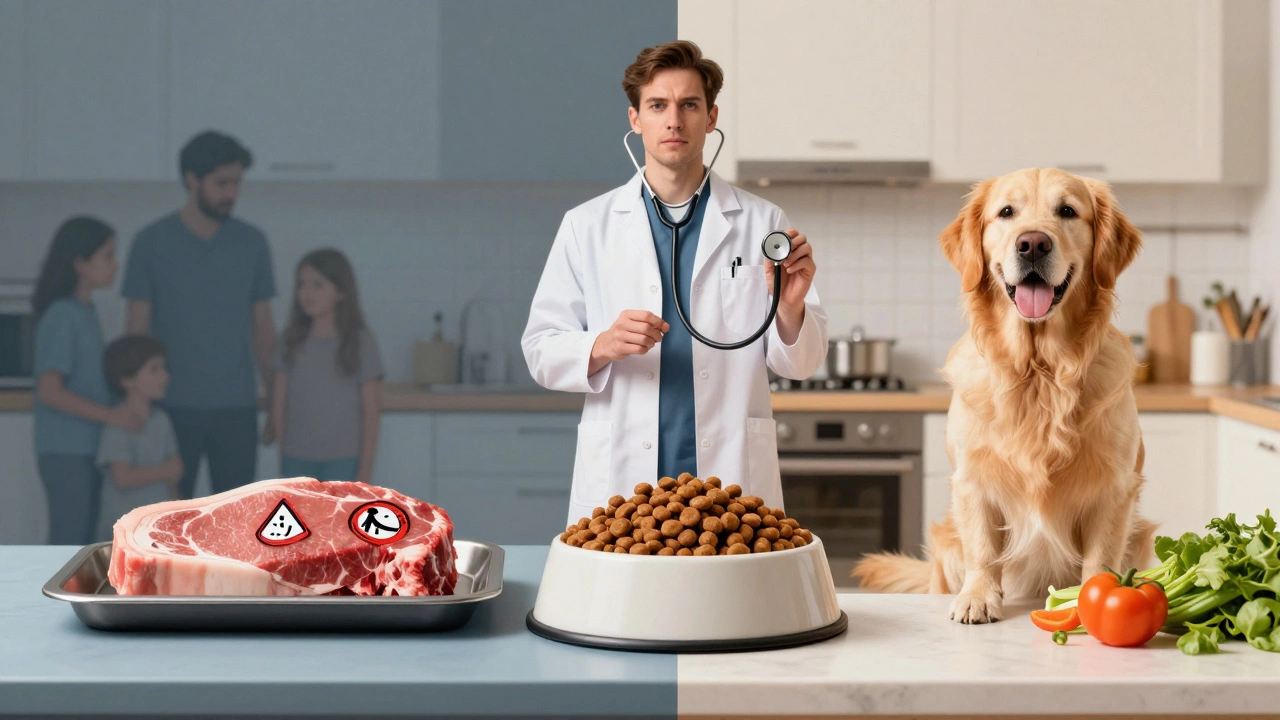
Table Scraps and Human Food Treats
While not a bagged product, "human food" is a category vets frequently warn against. Many owners believe sharing bits of dinner strengthens the bond. Unfortunately, common human foods can be toxic or unhealthy for dogs.
| Food Item | Risk Level | Why It Is Dangerous |
|---|---|---|
| Chocolate & Caffeine | High | Contains theobromine and caffeine, which dogs cannot metabolize efficiently, leading to heart arrhythmias and seizures. |
| Grapes & Raisins | High | Can cause sudden kidney failure, even in small amounts. The exact toxin is unknown. |
| Xylitol (Sugar-Free Gum) | Critical | Triggers rapid insulin release, causing hypoglycemia and potential liver failure. |
| Fatty Meats & Skins | Medium | High fat content can trigger pancreatitis, a painful and dangerous inflammation of the pancreas. |
| Onions & Garlic | Medium | Damage red blood cells, leading to anemia. Powdered forms are more concentrated and dangerous. |
Beyond toxicity, regular table scraps can lead to obesity and picky eating habits. Dogs fed consistent, balanced meals are less likely to beg or refuse their own food. Stick to dog-specific treats for training and rewards.
How to Choose Safe Dog Food
Navigating the pet food aisle requires a shift in mindset. Stop reading the front of the bag and start reading the side panel. Here is a practical checklist for selecting food that vets approve of:
- Check the AAFCO Statement: Look for text stating the food provides "complete and balanced nutrition" for your dog’s specific life stage (growth, maintenance, or all life stages).
- Identify the Protein Source: The first ingredient should be a named animal protein (e.g., chicken, salmon, lamb). Avoid generic terms like "meat" or "animal fat."
- Skip the Grains (Only If Necessary): Unless your dog has a diagnosed allergy, choose foods with whole grains. They provide energy and fiber safely.
- Look for Natural Preservatives: Ensure the food uses mixed tocopherols or rosemary extract rather than BHA/BHT.
- Consult Your Vet: Every dog is unique. Senior dogs, puppies, and breeds prone to hip dysplasia have different needs. Your vet can recommend brands they trust based on clinical experience.
Remember, the most expensive food is not always the best. Budget-friendly brands that follow strict nutritional guidelines and use quality ingredients are often superior to premium brands relying on marketing gimmicks. Focus on transparency, ingredient quality, and scientific backing.
Is grain-free dog food really bad for my dog?
For most dogs, yes. Grain-free diets high in legumes like peas and lentils have been linked to Dilated Cardiomyopathy (DCM), a serious heart condition. Unless your vet diagnoses a true grain allergy, which is rare, stick to foods with named grains like rice or oats.
Are raw diets safe for dogs?
Veterinarians generally advise against raw diets due to the risk of bacterial contamination like Salmonella and E. coli. These bacteria can harm both your dog and your family. Additionally, home-made raw diets are often nutritionally unbalanced, leading to long-term health issues.
What does "meat by-products" mean in dog food?
Meat by-products refer to non-muscle tissues like organs, bones, and blood. While some organs are healthy, the term is vague and can include lower-quality parts. Vets prefer named meat sources like "chicken meal" or "salmon" for clearer nutritional value.
Can I feed my dog human food as treats?
Some human foods are safe in moderation, like plain cooked carrots or apples. However, many common foods like chocolate, grapes, onions, and xylitol-sweetened products are toxic. Regular table scraps can also cause obesity and digestive upset. Stick to dog-specific treats for safety.
How do I know if a dog food is nutritionally complete?
Look for the AAFCO (Association of American Feed Control Officials) statement on the packaging. It will explicitly state that the food provides "complete and balanced nutrition" for your dog’s life stage, such as growth or maintenance. This ensures the food meets minimum nutrient requirements.