
Crate Readiness & Bed Size Calculator
Answer a few questions about your dog's behavior and physical stats to see if they are ready to move out of the crate.
Recommended Bed Size
Based on your dog's length, the ideal bed size should be approximately:
-- inches
This includes the recommended 6-inch buffer for comfort.
There is a moment in every dog owner's life when the plastic box in the corner starts looking less like a safe haven and more like a prison. You look at your grown dog, who now weighs thirty pounds or more, curled up inside that small wire enclosure, and you wonder: "Is this still okay?" The short answer is that there isn't one specific age where crate sleeping becomes forbidden. Instead, it depends on your dog's maturity, their anxiety levels, and whether they have outgrown the physical space.
For many owners, the transition happens somewhere between two and five years of age, but some dogs happily use crates well into their senior years. The key is understanding that crate training is not just for puppies; it is a lifelong tool for safety and comfort if used correctly. Let's break down how to tell if your dog is ready to move out and what to do next.
The Difference Between Puppy Crates and Adult Dog Beds
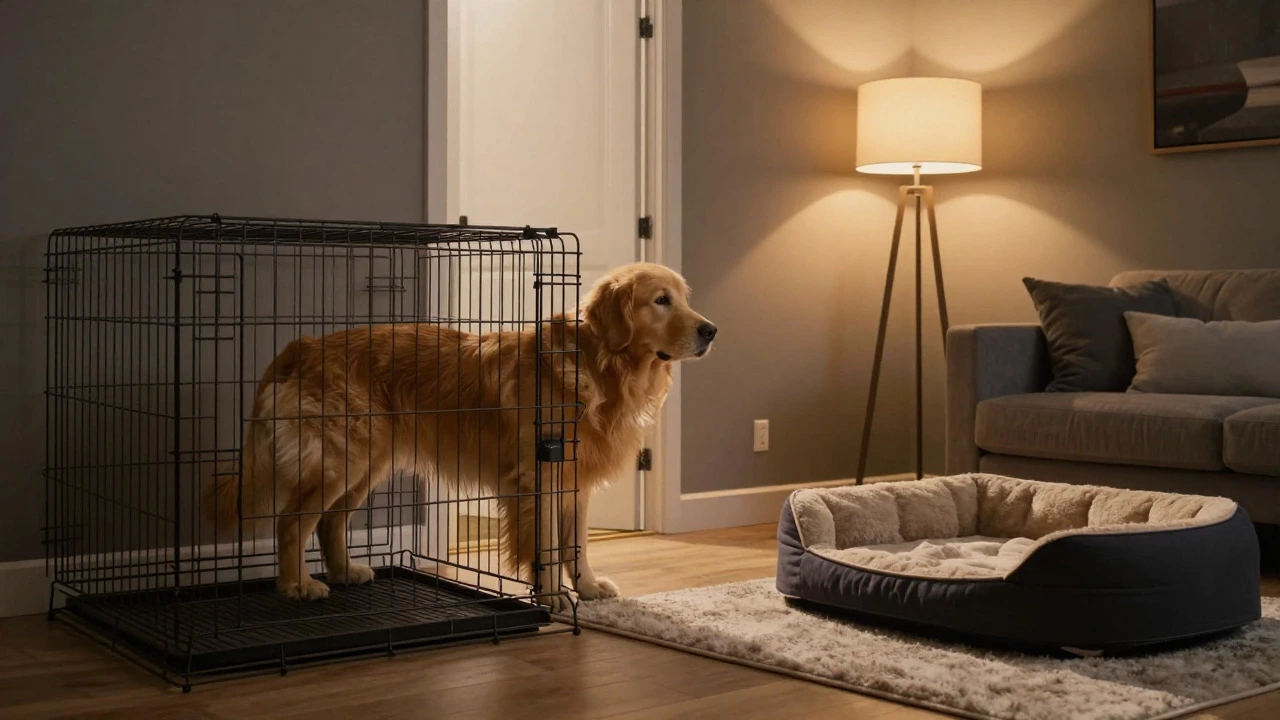
To understand when to stop using a crate, you first need to understand why we use them in the first place. For a Puppy is a young dog under one year old that requires structured confinement for housebreaking and safety, a crate is essential. It mimics a den, providing a secure space that prevents destructive chewing and accidents while you are away. However, as dogs mature, their needs shift from containment to comfort.
An adult dog has different physiological requirements than a growing pup. They need more room to stretch out fully, turn around comfortably, and regulate their body temperature. A crate that was perfect for a six-month-old Labrador might feel claustrophobic for a three-year-old one. The decision to phase out the crate often coincides with upgrading their sleeping arrangement from a confined box to a spacious, supportive bed.
| Feature | Wire/Pen Crate | Open Dog Bed |
|---|---|---|
| Space | Restricted (Den-like) | Unrestricted (Freedom) |
| Best For | Puppies, Travel, Anxiety | Mature Dogs, Relaxation |
| Safety | High (Prevents destruction) | Low (Requires trust) |
| Comfort Level | Medium (Hard floor unless lined) | High (Memory foam, plush) |
Signs Your Dog Is Ready to Leave the Crate
You don't need a calendar to tell you when it's time to make a change. Your dog will give you behavioral clues that they have outgrown the concept of crate sleeping. Pay attention to these signals:
- Physical Restlessness: If your dog constantly paces, whines, or tries to push against the bars even when they are tired, the crate may be too confining for their current energy levels or size.
- Full Housebreaking: If your dog hasn't had an accident in the house in over six months, the primary reason for nighttime confinement is gone. They can likely hold their bladder through the night without needing a tight space to enforce discipline.
- Destructive Behavior: Chewing on the bars or scratching at the door can indicate frustration rather than anxiety. If your dog is physically damaging the crate, they are telling you they want more freedom.
- Seeking Proximity: Does your dog try to sleep on your bed or right next to you instead of retreating to their crate? This social bonding behavior suggests they prefer open access to their family over isolation.
If you notice two or more of these signs consistently, it might be time to start the weaning process. Remember, readiness is individual. A high-energy Border Collie might outgrow the mental benefit of a crate faster than a laid-back Bulldog who finds the walls comforting.
The Weaning Process: Transitioning Safely
Rushing your dog from a closed crate to an open bedroom overnight can lead to chaos. Imagine being told you can sleep anywhere in the house after years of sleeping in a specific closet. It’s exciting, but also confusing. Use a gradual approach to ensure success.
- Leave the Door Open: Start by leaving the crate door unlatched during the day. Allow your dog to come and go as they please. Place treats and toys inside to keep the association positive.
- Move the Location: Slowly move the crate from its usual spot to a new location, perhaps near where you want them to eventually sleep. This helps them adjust to sleeping in a new area without the pressure of confinement.
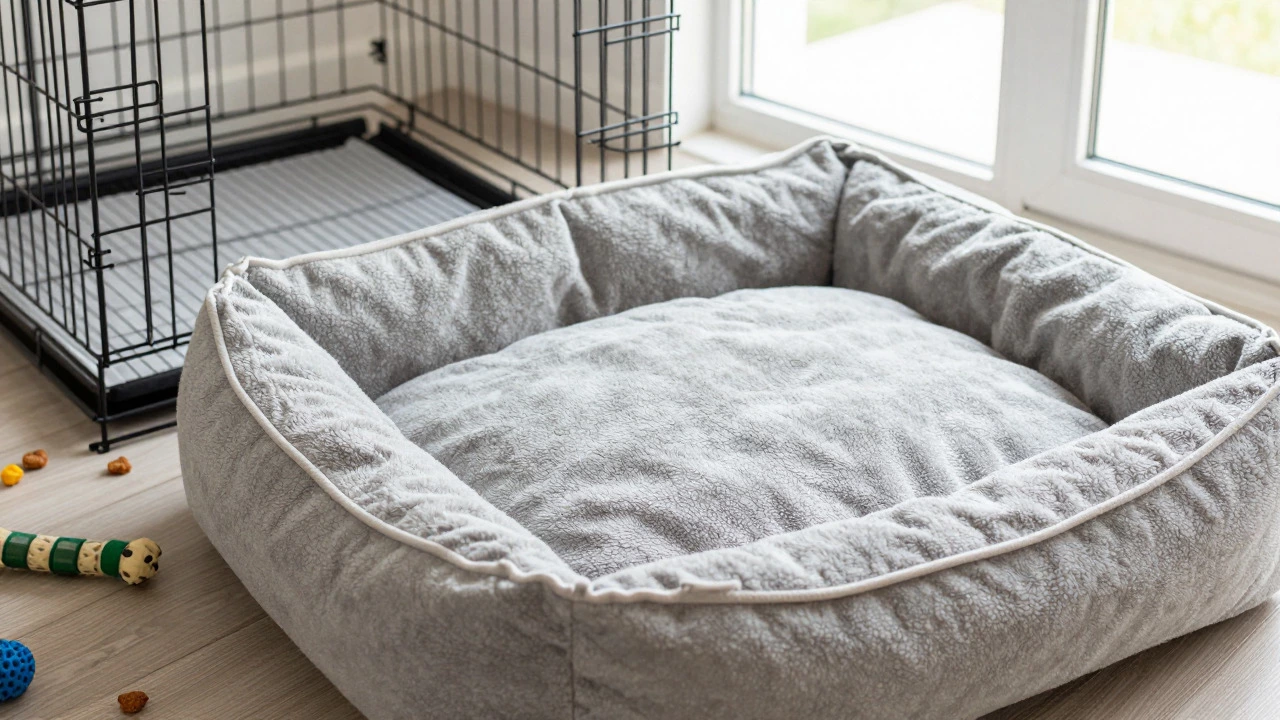
- Introduce a New Bed: Place a high-quality dog bed outside the crate. Encourage them to nap there during the day with praise and rewards. This builds a new "sleep anchor" that isn't tied to the metal bars.
- Nighttime Trial Runs: Once they are comfortable napping in the open bed during the day, try leaving the crate door open at night. See if they choose to stay in or explore. If they destroy something, revert to step one for another week.
This process can take anywhere from two weeks to two months. Patience is crucial. If your dog has separation anxiety, the crate might actually be a coping mechanism, and removing it too soon could worsen their stress.
Choosing the Right Replacement: Dog Beds Matter
When you remove the crate, you aren't just giving your dog freedom; you are changing their support system. The hard plastic bottom of a crate does little for joint health. As dogs age, especially breeds prone to hip dysplasia like German Shepherds or Golden Retrievers, they need orthopedic support.
A good replacement bed should offer:
- Orthopedic Foam: Memory foam or egg-crate foam distributes weight evenly, reducing pressure points on hips and elbows.
- Removable Covers: Hygiene is easier to maintain with washable covers, especially if your dog drools or has accidents occasionally.
- Appropriate Size: Measure your dog from nose to tail while they are stretched out. Add six inches to that length for the ideal bed size. They should be able to curl up or sprawl out comfortably.
Investing in a durable, supportive bed ensures that the transition away from the crate improves their quality of life, rather than just offering empty space.
When to Keep the Crate Forever
Not every dog needs to leave the crate. In fact, for some, keeping the crate is the best choice for their mental health and your home's integrity. Consider keeping the crate if:
- Travel Needs: If you frequently travel by car or plane, the crate remains a vital safety device. Airlines require approved crates, and car crashes are safer with secured animals.
- Separation Anxiety: Some dogs find the enclosed space calming. If your dog sleeps peacefully in the crate but panics when left alone in an open room, the crate is acting as a therapeutic tool.
- Health Issues: Senior dogs with incontinence issues or recovering from surgery may benefit from the limited space of a crate to manage hygiene and restrict movement.
- Destructive Habits: If your dog chews baseboards, eats toxic plants, or knocks over lamps when unsupervised, the crate is a necessary safety measure regardless of age.
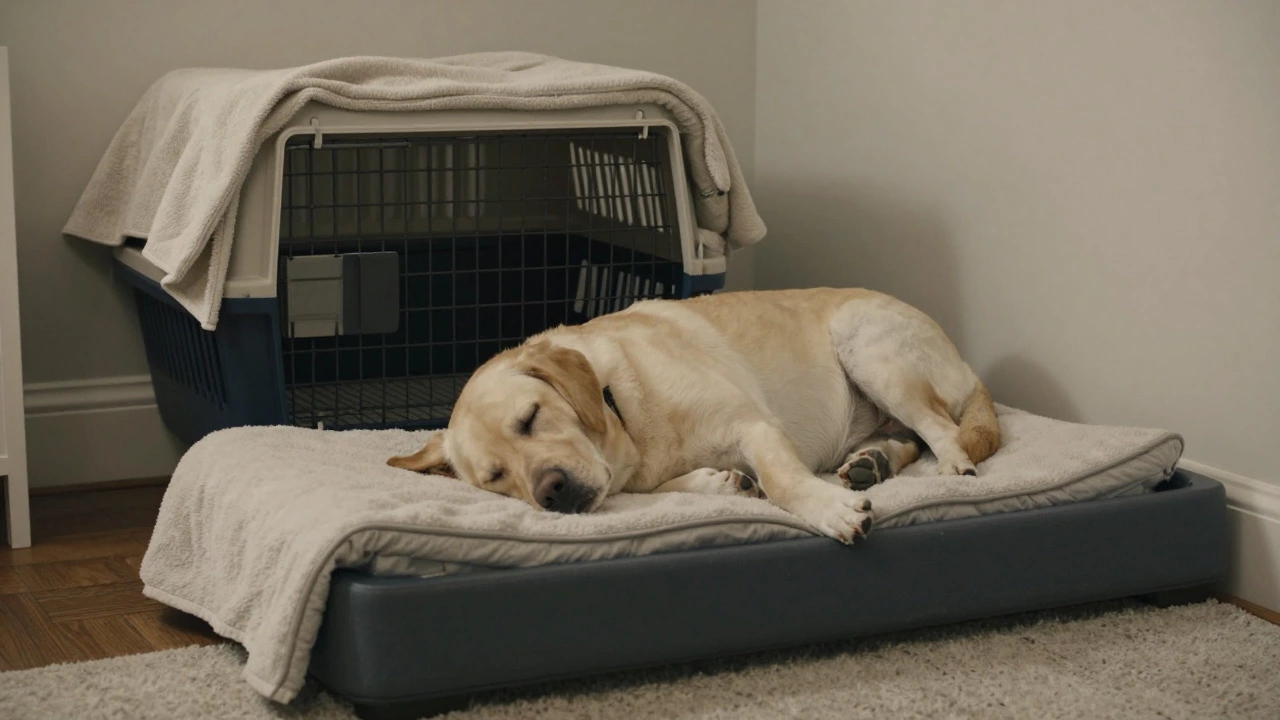
In these cases, the crate isn't a punishment; it's a sanctuary. Just ensure the crate is large enough for an adult dog to stand, turn, and lie down comfortably. Many owners upgrade from a small puppy crate to a larger "dog pen" style crate as their pet grows.
Troubleshooting Common Transition Problems
Even with careful planning, things can go sideways. Here is how to handle common hiccups during the transition.
Problem: The dog destroys furniture.
Solution: This indicates you moved too fast. Return to the crate for nighttime sleep but continue daytime freedom training. Use baby gates to create a "safe zone" that is larger than a crate but smaller than the whole house.
Problem: The dog follows you everywhere.
Solution: This is often a sign of insecurity. Practice independence training during the day. Reward calm behavior when you are in another room. Gradually increase the distance and duration.
Problem: Accidents happen again.
Solution: Reset the housebreaking routine. Take them out immediately upon waking and before bed. If accidents persist, consult a vet to rule out urinary tract infections or kidney issues, which are common in older dogs.
At what age should a dog stop sleeping in a crate?
There is no strict age limit. Most dogs transition out of crate sleeping between 1 and 3 years old, once they are fully housebroken and mentally mature. However, some dogs prefer crates throughout their lives for security. The decision should be based on behavior and comfort, not just age.
Is it cruel to leave an adult dog in a crate overnight?
No, it is not cruel if the dog is comfortable and the crate is appropriately sized. For many dogs, a crate provides a sense of security and reduces anxiety. Cruelty arises only if the crate is too small, used as punishment, or if the dog shows signs of severe distress.
How do I know if my dog is too big for their crate?
Your dog should be able to stand up without hitting their head, turn around in a full circle, and lie down stretched out comfortably. If they are hunched or cramped, it is time to upgrade to a larger crate or switch to an open bed.
Can I use a crate for an anxious adult dog?
Yes, crates can be very helpful for dogs with separation anxiety or noise phobias. The enclosed space mimics a den, which can have a calming effect. Ensure the crate is associated with positive experiences like treats and quiet time.
What should I replace the crate with?
Replace the crate with a comfortable, supportive dog bed placed in a quiet area of your home. Orthopedic beds are recommended for older dogs or large breeds to support joints. You can also use exercise pens or baby gates to create a larger safe zone.