
Crate Door Decision Helper
Answer a few questions about your current situation to get personalized advice on whether to close the crate door.
- Is he tired/exercised? Unknown
- Has he peed recently? Unknown
- Is he calm right now? Unknown
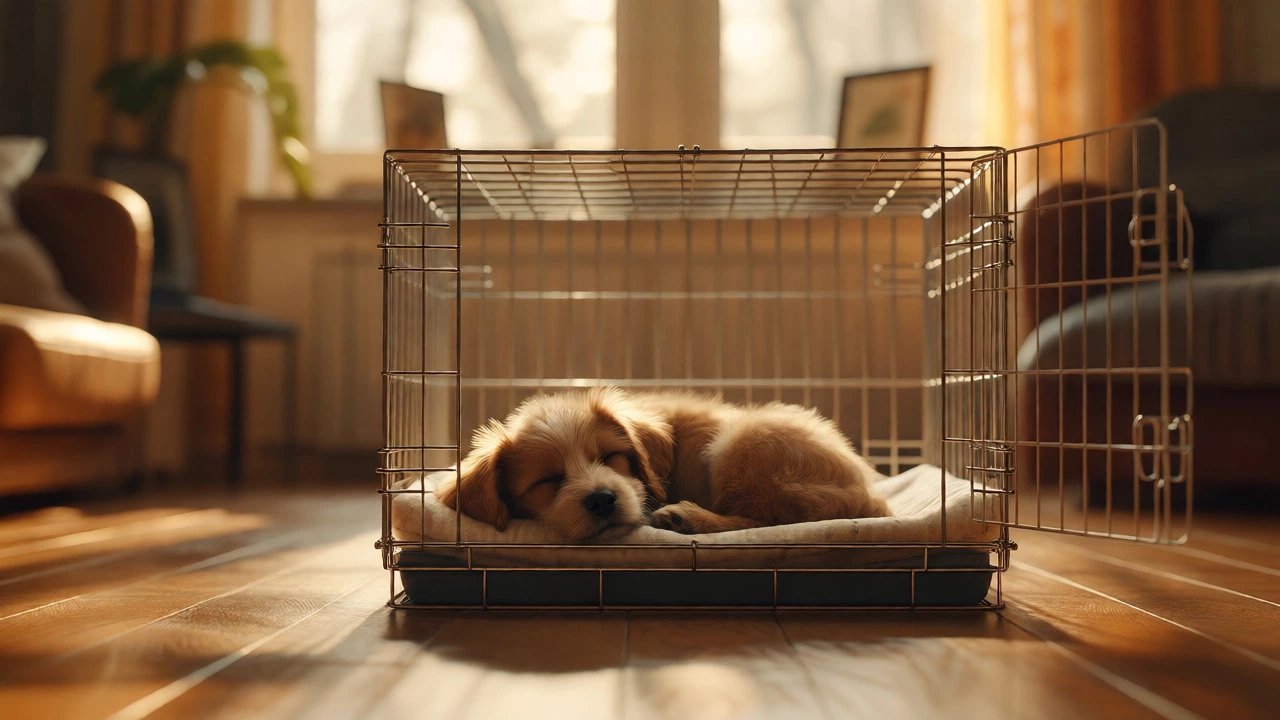
You’re watching your new puppy doze off in his crate, looking like a tiny, peaceful loaf of bread. You reach for the latch to close the door, but then you freeze. Is it cruel? Will he feel trapped? Or is leaving it open an invitation for midnight accidents and chewed-up shoes? This hesitation is one of the most common stumbling blocks in early crate training. The answer isn’t a simple yes or no; it depends entirely on where you are in the training process and what kind of sleeper you have.
| Door Status | Best For | Risks |
|---|---|---|
| Closed | Nighttime, unsupervised periods, anxious puppies needing boundaries. | Panic if not acclimated; potential for separation anxiety if overused too early. |
| Open | Daytime naps while you are home, initial introduction phase, confident puppies. | Puppy may wander off to nap elsewhere; less effective for potty training consistency. |
The Golden Rule: Context Is Everything
Think of the crate as a den, not a jail cell. In the wild, dogs seek out enclosed spaces to sleep because they feel safe from predators. However, domestic puppies don’t instinctively know that a wire box equals safety. They need to learn it. If you shut the door before your puppy associates the crate with positive feelings, you might trigger panic instead of peace.
Here’s the breakdown by time of day. At night, when everyone else is asleep, closing the door is usually the right move. It prevents your puppy from wandering into the living room to pee on the rug at 3 AM. It also helps them settle faster because the limited space discourages pacing. But during the day? That’s different. If you’re working from home and your puppy falls asleep in the crate while the door is open, let him be. Forcing the door shut just because he’s sleeping can create a negative association with being "locked up." He needs to know he has the freedom to leave if he chooses, which builds trust.
Phase 1: The Open Door Policy
If your puppy is under 12 weeks old or has only had the crate for a few days, keep the door open. Period. At this stage, the goal is familiarity, not containment. You want him to walk in, sniff around, eat treats, and maybe take a nap without any barriers. If he falls asleep with the door wide open, do not touch it. Let him wake up naturally and walk out. This teaches him that the crate is a comfortable resting spot, not a trap.
I remember my first puppy, Barnaby. He was terrified of closed doors. We spent two full weeks with the crate door propped open. He used it as his primary nap spot, but he could always escape. Once he started voluntarily going inside to chew a bone, we moved to Phase 2. Rushing this step often sets owners back by weeks.
Phase 2: The Brief Closure
Once your puppy happily enters the crate for treats or meals, you can start experimenting with closing the door during short awake periods. Try shutting it for 5-10 minutes while you stay in the room. If he stays calm, reward him heavily. Now, apply this to naps. If he falls asleep during these short sessions, leave the door closed until he wakes up. Do not let him out while he’s still fussing or crying, or you’ll teach him that whining opens the door. Wait for a moment of silence, then release him calmly.
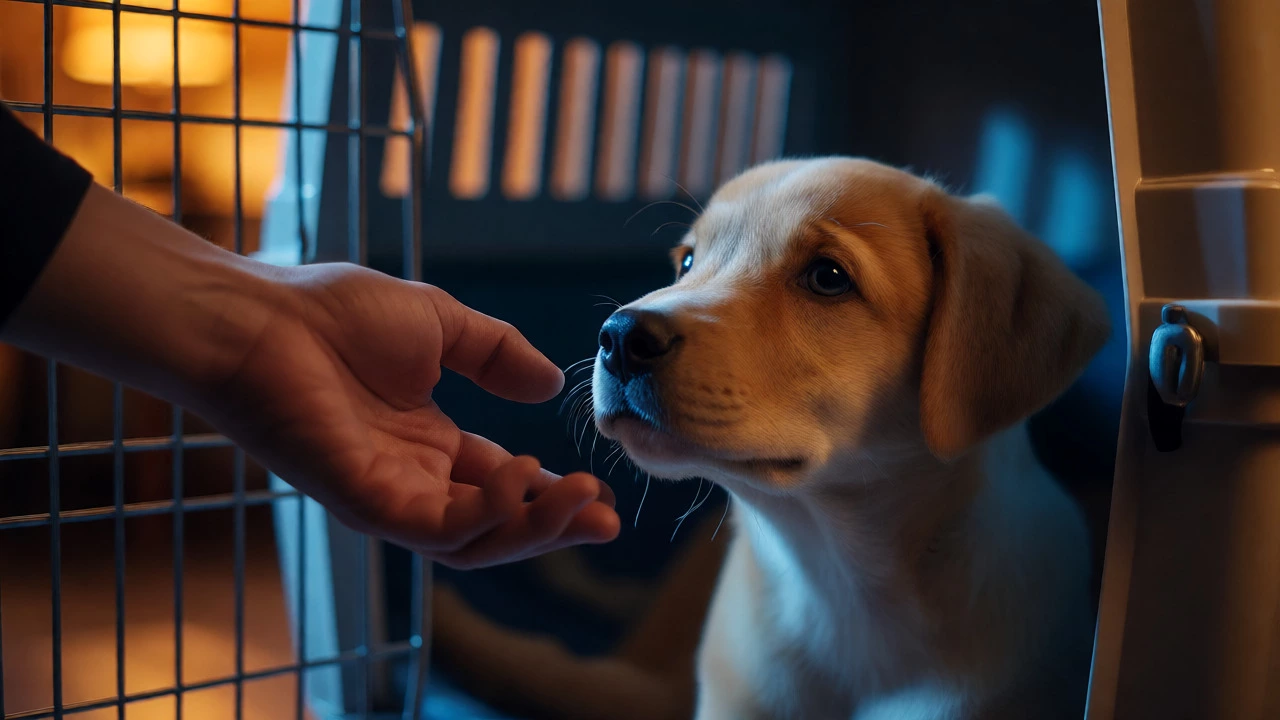
This transition is tricky. Some puppies will sleep through the closure. Others will wake up, realize they’re locked in, and panic. If he panics, open the door immediately. Don’t punish him. Just reset. Try again later. The key is building tolerance gradually. You’re teaching him that being closed in doesn’t mean abandonment.
When to Always Close the Door
There are specific scenarios where leaving the door open is a bad idea, regardless of how well-trained your puppy is.
- Nighttime Sleep: Puppies have small bladders. A closed crate encourages them to hold their urine longer because they don’t want to soil their sleeping area. An open door lets them wander off to find a corner to pee in, undoing hours of potty training.
- Unsupervised Time: If you’re stepping out for five minutes to check the mail, close the door. Otherwise, your sleeping puppy might wake up, get bored, and decide your couch cushion is a toy.
- High-Energy Breeds: Border Collies, Shepherds, and Retrievers often struggle to self-regulate. If left open, they may use the crate as a starting point for zoomies rather than a place to rest. Closing the door signals "quiet time" more effectively.
Signs Your Puppy Isn’t Ready for Closed Doors
How do you know if you’re pushing too hard? Watch the body language. A relaxed puppy will sigh, curl up, and breathe deeply. A stressed puppy will pace, pant excessively, or scratch at the door. If he’s drooling heavily or trying to squeeze through the bars, stop. You’re moving too fast.
Another red flag is if he refuses to enter the crate even when the door is open. This means the crate itself is scary. Go back to basics: feed meals inside, toss high-value treats (like chicken bits) inside, and let him explore. Never force him in physically unless absolutely necessary for safety, as this creates resentment.
Troubleshooting Common Nap-Time Issues
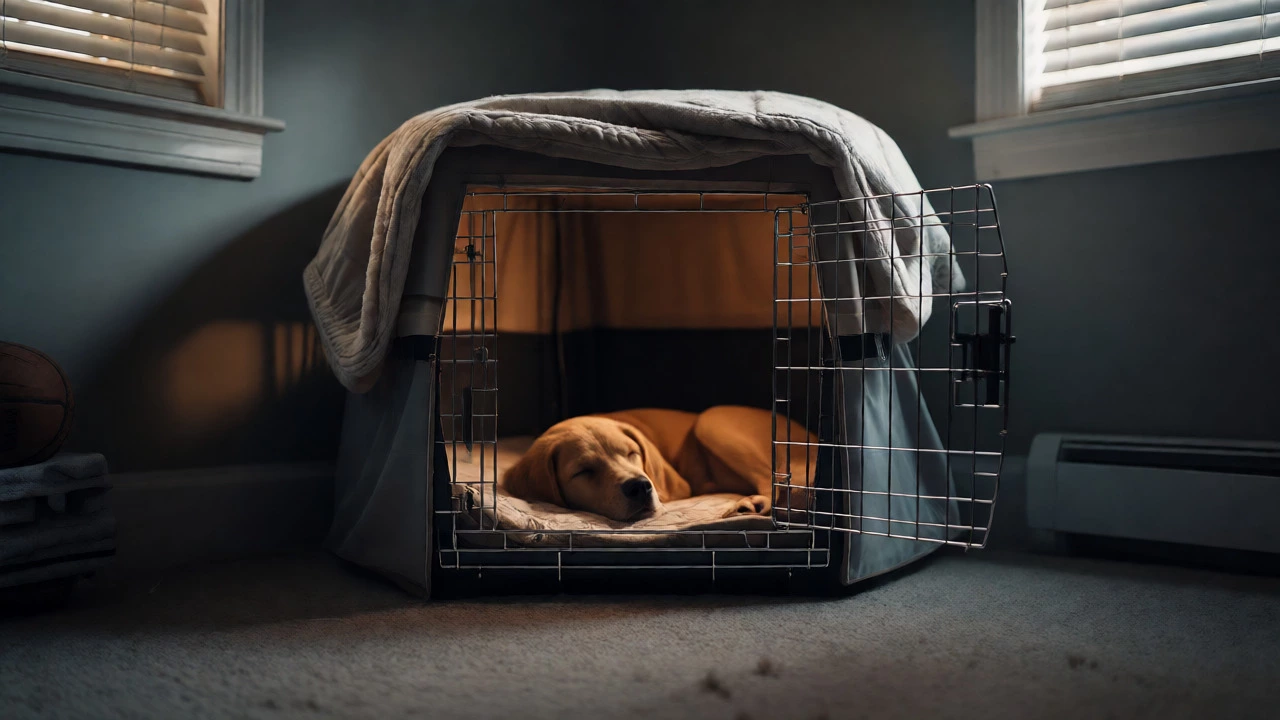
What if he sleeps fine with the door open but screams when you close it? This is classic separation anxiety behavior. He’s not afraid of the crate; he’s afraid of being alone. To fix this, try covering the crate with a light blanket. This mimics a den and reduces visual stimuli. Also, ensure the crate isn’t too big. If there’s extra floor space, he might use one corner to sleep and another to eliminate. A divider panel can help adjust the size as he grows.
Conversely, if he ignores the crate completely and naps on the kitchen floor, he might not see it as cozy enough. Add a soft bed, but remove it if he chews it. Sometimes, placing the crate near your desk or sofa helps. Dogs are social creatures; they want to nap near their pack. If the crate is in a lonely hallway, he’ll avoid it.
The Long-Term Goal: Freedom Within Structure
Eventually, you want a dog who can relax anywhere, crated or not. But crates provide structure during the chaotic puppy months. By October 2026, you’ve likely seen plenty of advice online, but here’s the local reality: Irish homes often have older floors and drafts. Ensure the crate is away from direct wind but not in a stuffy corner. Temperature matters for sleep quality.
As your puppy matures, around 6-8 months, you can test more freedom. Leave the door open during long daytime naps. See if he stays put. If he does, great! You’ve built impulse control. If he wanders off, close the door. It’s a feedback loop. You’re not locking him away forever; you’re managing his environment until his brain develops enough to make good choices on its own.
Quick Checklist for Crate Naps
Before you hit the latch, run through this mental checklist:
- Is he tired? A hyper puppy won’t sleep in a crate, closed or open. Exercise him first.
- Has he peed? A full bladder makes napping impossible and leads to accidents.
- Is he calm? If he’s whining, wait for a pause before closing the door.
- Is the environment quiet? Loud TV or barking neighbors can spike anxiety in a confined space.
Will closing the crate door cause separation anxiety?
Not necessarily. In fact, proper crate training can prevent separation anxiety by teaching your puppy that being alone is safe and normal. Anxiety usually arises if the crate is introduced too abruptly or if the puppy is left crated for excessive periods without exercise. Gradual desensitization-starting with the door open-is the key to avoiding this issue.
My puppy cries when I close the door. Should I let him out?
If he is crying because he needs to pee, yes. If he is crying because he wants attention, wait for a brief moment of silence before opening the door. Releasing him while he is actively screaming reinforces the idea that noise works. If the crying escalates to panic, open the door to prevent trauma, then try again later with shorter durations.
How long should a puppy nap in a closed crate?
Puppies generally need 18-20 hours of sleep per day. During the day, naps in a closed crate should typically last between 30 minutes to 2 hours. Longer stretches are usually reserved for nighttime. If he sleeps longer, that’s fine, provided he is settled and not distressed upon waking.
Can I leave the crate door open at night?
You can, but it is risky for potty training. Most puppies cannot fully control their bladder overnight until they are about 4-6 months old. An open door allows them to exit and relieve themselves on the floor nearby. If you choose to leave it open, you must supervise closely or confine the entire area to prevent accidents.
Does the breed matter for crate door preferences?
Yes, temperament varies by breed. Hounds and independent breeds may tolerate open crates better, while herding breeds often thrive with clear boundaries and prefer the security of a closed door. However, individual personality is a stronger predictor than breed. Observe your specific dog’s reaction to confinement.